
7410 S Osbourne Rd, Upper Marlboro, MD 20772
To contact a resident: (240) 565-7718
For more information about senior living options: (866) 208-4318
Bea's Hive Assisted Living Costs & Pricing
Bea's Hive Assisted Living offers competitive pricing for its residents, particularly when comparing costs within Prince George's County and the broader Maryland market. For those seeking a semi-private room, Bea's rates at $3,500 per month are notably higher than the county average of $3,058 but remain slightly below the state average of $3,545. In contrast, the monthly fee for a private room at Bea's is set at $4,000, which is higher than both the county rate of $3,792 and the state average of $4,112. This pricing structure reflects not only the quality of care and amenities provided by Bea's Hive but also situates it competitively within its local and state context.
| Floor plans | Bea's Hive Assisted Living | Prince George's County | Maryland |
|---|---|---|---|
| Semi-Private | $3,500 | $3,058 | $3,545 |
| Private | $4,000 | $3,792 | $4,112 |
Senior living communities with a similar price nearby
-
from +$500 / mo
Montgomery Eldercare I
$4,000 to $5,900 / month24.2 miles away -
from +$300 / mo

AllView Retreat
$3,800 to $5,000 / month24.6 miles away -
from -$500 / mo
Hands & Hearts Assisted Living Silver Springs
$3,000 to $3,500 / month21.6 miles away -
from +$300 / mo

Montgomery Eldercare II
$3,800 to $5,000 / month22.8 miles away -
from +$300 / mo

A C E
$3,800 / month10.7 miles away
Overall Review of Bea's Hive Assisted Living
Pros
 The facility is described as a good place.
- The environment is spacious, quiet, and peaceful.
- The staff are really caring.
- The staff are friendly and pay close attention to residents.
- Bea's Hive has done an excellent job taking care of residents, with strong professionalism.
- The reviewer would highly recommend Bea's Hive to anyone needing assisted living.
Cons
 Placing his mother there was a huge mistake, citing men sharing bathrooms with women and a man in a wheelchair knocking her down with no apology and no caregivers to be found.
- The move-in was delayed and the room was not move-in ready; after multiple complaints to the owner, she claimed Maryland law prohibited baby monitors, which the reviewer says is false, and suggested cameras in public areas or requiring others’ consent before a private-room camera, which made no sense.
- The experience was traumatic for the mother with dementia and for the caregiver; the contract didn’t clearly state that monitors or cameras were not allowed, and the owner’s insistence that such devices be prohibited was a huge red flag; not recommended for elderly who cannot defend themselves.
- After delays moving in, the reviewer was forced to move their mother out within 24 hours.
- In another account, the mother found another person in her bed, her belongings and supplies were displaced or taken (walker, gloves, diapers, wipes), and the family had paid over $6,000 for care that was not delivered.
- The facility is described as old, small, and dark—uninviting with no safe feeling.
Review
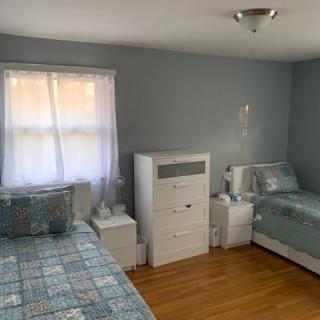
Bea's Hive Assisted Living in Upper Marlboro is best suited for families seeking a small, home‑like setting where staff are approachable and daily life feels intimate rather than institutional. The arrangement tends to appeal to residents who value quiet, familiar spaces and steady, personal attention from caregivers over a glossy, modern facility. It can work for long‑term residents who have experienced similar environments and for families willing to tolerate occasional operational bumps in exchange for a warmer, less clinical atmosphere.
Those who may want to consider alternatives include families with urgent safety concerns, dementia care needs requiring tightly supervised, 24/7 staffing, or residents who prefer rigorous, transparent monitoring with predictable policies. The most decisive issues noted by families involve safety lapses, poor incident handling, and disputes over privacy and monitoring, areas where better‑run communities typically demonstrate consistent, proactive governance.
On the positive side, several reviews describe the facility as clean, with a calm, spacious environment and staff who appear caring and attentive in day‑to‑day interactions. A long‑tenured resident profile includes accounts of good care over multiple years, reinforcing the sense that kindness and consistency can emerge in the right moments. Yet these strengths do not erase serious red flags that recur in multiple accounts, underscoring the risk calculus families must perform.
Major cons loom large against these small‑scale positives. A firsthand account describes harm to a resident in a crisis with no immediate apology or visible caregiver response, a scenario that raises legitimate concerns about supervision during emergencies. Move‑in readiness has been a recurring snag, with families forced to push for fixes and, in at least one case, relocate a loved one within a day of admission. The policy dispute over cameras, whether monitors are permitted in private rooms and how privacy rights are balanced, points to governance gaps and inconsistent policy communication. Allegations of room misallocation and misplacement of a resident’s belongings further chip away at trust. An assessment labeling the facility as old, small, and dark hints at a setting that may feel less secure or inviting to some families.
Careful due diligence is essential. Prospective families should request current staffing ratios and on‑site supervision patterns, obtain a written, detailed care plan, and confirm that move‑in readiness criteria are fully met before any admission. Policies on monitoring and cameras require clear, written guidance, with explicit consent and respect for all residents’ privacy. Tours should be conducted at different times to observe response times and daily routines, accompanied by candid questions about incident reporting, grievance procedures, and the handling of lost or misallocated belongings. Access to recent licensing records and any formal complaints should be obtained, and it is prudent to speak with current residents’ families to gain unfiltered perspectives.
Bea's Hive can deliver a comforting, personal setting for residents who do not require intense supervision and who can tolerate imperfect governance with clear expectations. The strength lies in staff warmth and the home‑like feel that many families seek. But the weight of safety concerns and inconsistent policy communication cannot be dismissed, particularly for families managing dementia or mobility challenges who need unwavering reliability and transparent processes.
Ultimately, Bea's Hive is a conditional option. If the programmatic issues are addressed, transparent policies, reliable caregiver staffing, strict safety protocols, and respectful, consistent handling of resident privacy, the community may serve well for the right resident. Otherwise, it is prudent to compare with communities that demonstrate stronger safety records, clearer room readiness, and more predictable operations. A rigorous on‑site evaluation, comprehensive written agreements, and direct conversations with current residents or their families are essential steps before committing.
 Board and Care Home
 Activities off-site
 Bath tubs
 Devotional services off-site
 Indoor common areas
 Outdoor common areas
 Private
 Respite or short term stays offered
 Wheelchair accessible showers
 Ronald Reagan Washington National (18 miles away)
 Ambulatory care
 Diabetic care
 High acuity care
 Incontinence care
 Medication management
 Kosher



 Exploring the World of Home Health Nurses: Qualifications, Roles, and Hiring Tips
 Navigating Medicare Coverage for In-Home Care Services
 In-Home Care Costs in 2025: A Detailed State-by-State Exploration