
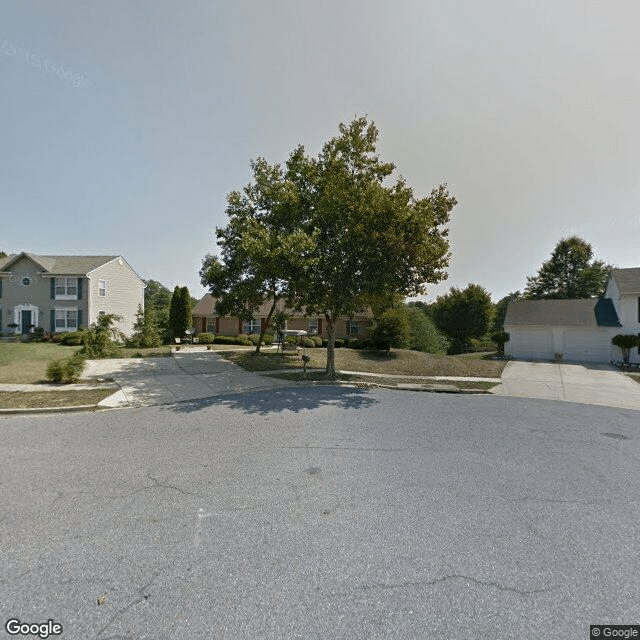
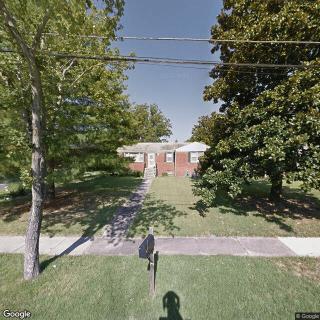
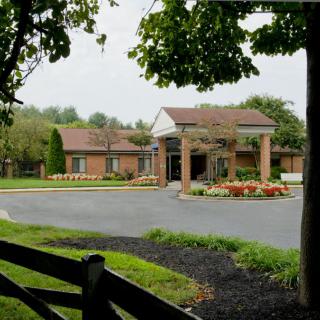
4208 Leisure Drive, Temple Hills, MD 20748
For more information about senior living options: (866) 208-4318
Senior Quality Home Care I Costs & Pricing
Senior Quality Home Care I offers competitive pricing for its services, especially when compared to the broader costs in Prince George's County and throughout Maryland. For a semi-private room, residents can expect to pay $2,600 per month, which is significantly lower than the county average of $3,058 and the state average of $3,545. Similarly, for a private room, the monthly fee stands at $3,000, again below both the county's average of $3,792 and Maryland's statewide average of $4,112. These cost-effective options make Senior Quality Home Care I an attractive choice for families seeking quality care without excessive financial burden.
| Floor plans | Senior Quality Home Care I | Prince George's County | Maryland |
|---|---|---|---|
| Semi-Private | $2,600 | $3,058 | $3,545 |
| Private | $3,000 | $3,792 | $4,112 |
Assisted Living communities with a similar price nearby
-
from +$100 / mo
Lifesprings Eldercare II
$2,700 to $3,100 / month1.7 miles away -
from -$100 / mo
Amazing Grace Senior Care
$2,500 to $3,000 / month7.7 miles away -
About the same
My Parent's Place
$2,600 to $3,000 / month9.2 miles away -
from -$130 / mo
Ovalstone Comfort Home
$2,470 to $3,300 / month15.9 miles away -
from +$400 / mo
Elsie's Place
$3,000 to $3,500 / month12.3 miles away
Overall Review of Senior Quality Home Care I
Pros
 They were able to tour many homes to ensure they were selecting the right place.
- They felt this was a suitable home for another family.
Cons
 They felt this home was not the one they wanted for placement.
- They did not want this home for placement.
Review
Senior Quality Home Care I in Temple Hills, MD is best suited for families that want a careful, apples-to-apples comparison as they narrow options, and that are comfortable settling into a solid, unpretentious environment rather than chasing a standout showcase. The community appears to serve as a practical benchmark among nearby alternatives, reliable enough to be on the radar, but not necessarily a first choice without seeing other options firsthand. For families that value a straightforward, no-frills fit and prioritize the process of touring several homes to verify fit, this option deserves a close look.
Those who may want to consider alternatives include families seeking a clearly distinctive setting or a highly tailored care experience. If a preferred home must deliver standout amenities, a premium ambiance, or a highly personalized approach to daily routines, this community may fall short. Likewise, if proximity to specialized programs, frequent social opportunities, or memory-care specifics are non-negotiable, other options may present a more compelling value proposition. The two reviews suggest a cautious stance: the place was acceptable but did not emerge as the particular placement the reviewer wanted, signaling that fit may hinge on individual preferences and priorities.
Pros in this context center on process over spectacle. The reviewers emphasize a thorough tour-taking mindset, implying that a key strength of this community is its place within a broader comparison landscape. For families who must see several homes to decide, the ability to compare amenities, layout, and overall vibe in an organized way can be a real asset. In practical terms, that means potential residents will have a reliable point of reference when weighing what matters most, safety, routine, and daily living quality, against other nearby options. Yet, this strength is tempered by the main con: the setting itself did not leave a memorable impression strong enough to make an unequivocal placement choice.
The main drawback, as reflected in the limited feedback, is the lack of distinguishing, actionable positives. Without a clear standout feature or a compelling narrative about care quality, families may struggle to justify this community as a first pick, unless the visit confirms a strong personal fit when contrasted with rivals. The two reviews’ cautious tone signals that while the home is a reasonable choice, it may not deliver the decisive reassurance that some families require to move from consideration to placement. That tension, adequate but not aspirational, should guide a prudent decision-making approach.
To capitalize on what can be learned from these impressions, families should structure a rigorous, comparative visit plan. Request concrete details about caregiver-to-resident ratios, activity calendars, meal options, and safety features such as fall management and accessibility. Ask for sample room configurations and a realistic view of monthly costs, including any ancillary fees that affect long-term budgeting. Speak to current residents and families, if possible, to gauge satisfaction with responsiveness and consistency of care. And crucially, benchmark this community against at least two or three nearby options to determine whether the baseline fit is strong enough to justify placement, or whether a standout alternative better aligns with priorities.
In the end, this community functions best as a solid, middle-ground option for families who want to avoid overpromising and overpaying for features that may not matter to their specific situation. It is well-suited for those who value a transparent, methodical decision process and are comfortable validating fit through direct comparison. For families seeking a clear favorite with distinctive strengths, whether in programming, ambiance, or specialized care, alternatives deserve serious consideration. The decision should hinge on whether the final impression resonates on a personal level and whether the ongoing value justifies choosing this home over other compelling options in the Temple Hills area.
 8 resident community capacity
 Assisted Living
 Board and Care Home
 Activities off-site
 Beautician on-site
 Cable or satellite TV
 Devotional services off-site
 Dining room
 Fully furnished
 Garden
 Housekeeping services
 Indoor common areas
 Move-in coordination
 Outdoor common areas
 Private
 Respite or short term stays offered
 Telephone
 Wi-Fi/high-speed internet available
 Ronald Reagan Washington National (6 miles away)
 24-hour supervision
 Ambulatory care
 Assistance with bathing
 Assistance with dressing
 Assistance with transfers
 Diabetes diet
 Diabetic care
 High acuity care
 Incontinence care
 Meal preparation and service
 Medication management
 Special dietary restrictions
 Transportation arrangement (medical)
 Transportation to doctors appointments

 Exploring the Contrasts Between Assisted Living and Skilled Nursing
 8 Key Indicators That Suggest It May Be Time to Transition from Assisted Living to Skilled Nursing Care
 Vibrant Senior Living: A Comprehensive Guide for Active Older Adults