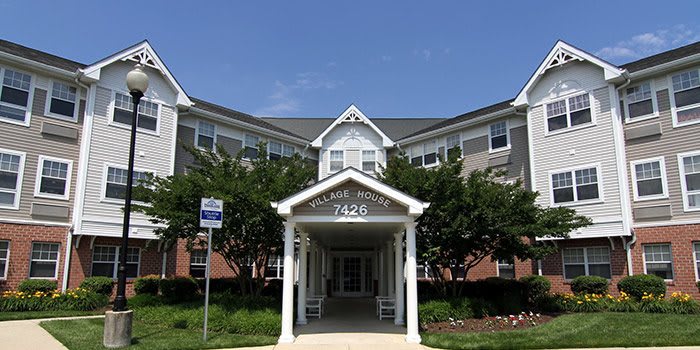


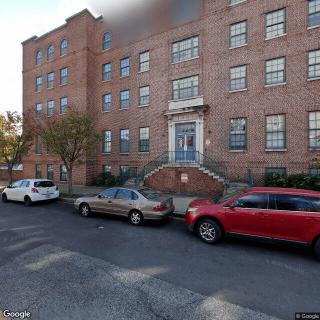
7426 Village Road, Sykesville, MD 21784
To contact a resident: (855) 410-0409
For more information about senior living options: (866) 208-4318
Village House Apartments Costs & Pricing
Village House Apartments offers remarkably competitive rental rates compared to the broader market of Howard County and the state of Maryland. For a one-bedroom unit, residents pay only $512 per month, a stark contrast to the average county rate of $3,818 and the state average of $3,904. Similarly, two-bedroom apartments at Village House are available for $1,025 per month, which is significantly lower than both the Howard County average of $3,710 and the Maryland average of $3,497. This pricing strategy not only makes Village House Apartments an attractive option for potential renters but also underscores a commitment to providing affordable living in a region where rental costs can be prohibitively high.
| Floor plans | Village House Apartments | Howard County | Maryland |
|---|---|---|---|
| 1 Bedroom | $512 | $3,818 | $3,904 |
| 2 Bedrooms | $1,025 | $3,710 | $3,497 |
Senior living communities with a similar price nearby
-
from +$84 / mo

Victory Forest
$596 / month24.6 miles away -
About the same
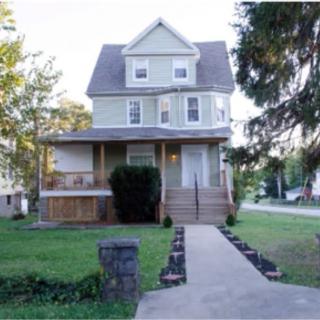
Maine Manor
$509 to $842 / month14.8 miles away -
from +$62 / mo
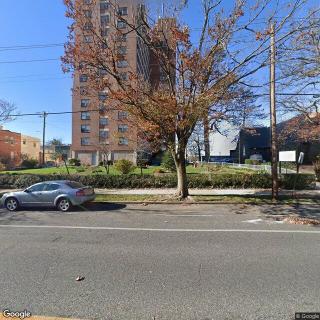
St Mary's Roland View Towers
$574 to $744 / month18.0 miles away -
from +$88 / mo
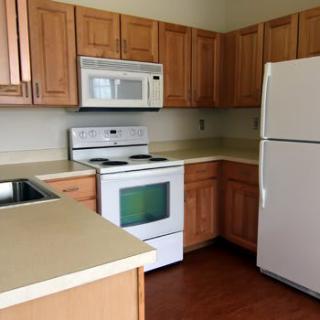
Tiber Hudson
$600 to $792 / month10.9 miles away -
About the same
Oliver Plaza Senior Apartments
$500 to $4,500 / month20.1 miles away
Overall Review of Village House Apartments
Pros
 Knowledgeable and caring community manager.
- Well-maintained community.
- My Pop Pop lived there for 8 years and really loved it.
- My loved one seem to like it here.
- They have adjusted well since moving in.
- They are able to cook for themselves and do their own housekeeping.
Cons
 It doesn't have a security guard.
- The community offers limited activities.
Review
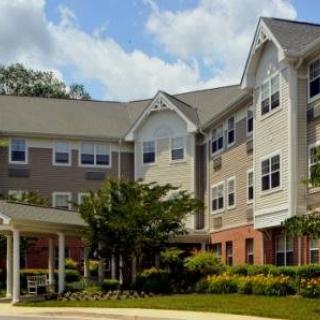
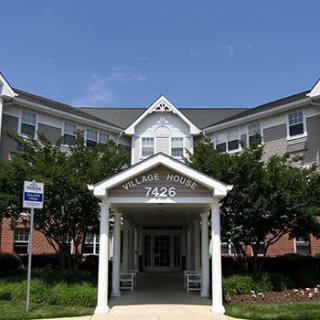
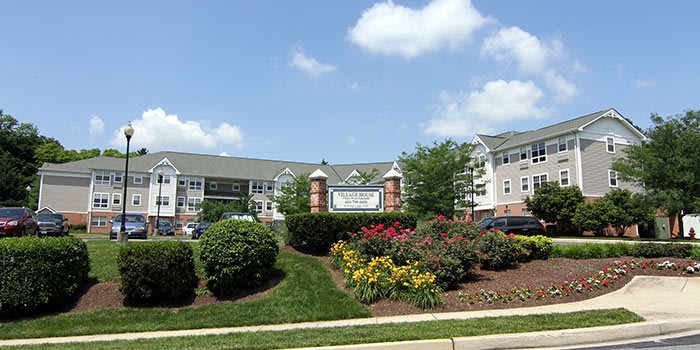
Village House Apartments in Sykesville, MD is best suited for seniors who prize independence, straightforward daily life, and reliable, attentive on-site management in a well-kept, gated community. It serves those who want to stay in a familiar, low-amenity environment where upkeep and safety are predictable, and where residents handle their own cooking and housekeeping. This is not a campus for high-intensity programming or frequent staff-assisted care; rather, it is a calm, independent living setting that rewards self-sufficiency within a clearly managed framework.
Those weighing options should consider alternatives for any need beyond independent living. If daily living activities require substantial assistance, such as help with bathing, dressing, medication management, or regular housekeeping, this property will likely fall short. Families also looking for a robust, active social calendar or on-site staff support throughout the day may find the offerings insufficient. In short, Village House shines for independence with light, practical governance, but it is not designed to replace a care plan or provide extensive social programming.
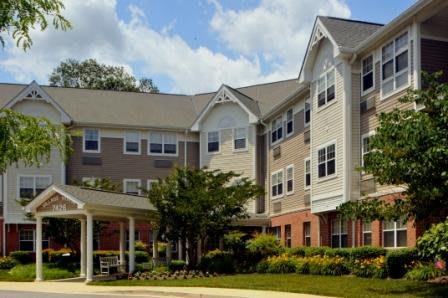
The strongest pros center on strong, people-focused management and solid maintenance. A knowledgeable and caring community manager helps residents feel seen and supported, which translates into smoother operations and fewer friction points for families. The property itself is well-maintained, presenting a clean, orderly environment that reduces the daily stress often associated with aging in place. The gated entry with a pass code adds a layer of perimeter security that appeals to families prioritizing safety without the presence of an on-site security guard. Finally, the ability for residents to cook for themselves and manage housekeeping preserves dignity, privacy, and a sense of control over daily routines, factors that often matter as much as tangible services.
On the flip side, the main limitation is the breadth of programming. “Limited activities” means fewer opportunities for social engagement, structured Exercise, or organized outings that some seniors rely on for daily motivation and connection. The absence of a security guard, while mitigated by the gate, may weigh on those who want a stronger sense of around-the-clock protection. Importantly, the community does not provide assisted living services, so residents needing help with ADLs or frequent reminders for health tasks would need a separate care plan elsewhere. For families seeking a vibrant social scene or hands-on caregiving onsite, Village House may feel too sparse.
These realities can be balanced by genuine strengths in management and reliability. The responsive leadership and well-kept physical plant reduce the stress of aging in place, making it easier for families to entrust their loved ones to a safe, predictable environment. The gate-protected setting adds a concrete safety signal, complementing the peace of mind that comes with a manager who understands residents’ routines and preferences. The long-tenured resident experiences, someone lived there eight years and loved it, also serve as a practical indicator of consistency, resident compatibility, and a community that remains steady even as individual families’ needs evolve.
In practical terms, this community is a solid match for seniors who value privacy, personal autonomy, and a straightforward lifestyle, supported by competent management and dependable maintenance. It works best for those who can self-manage most daily tasks and who do not require regular caregiving on-site. For families weighing care needs, this is a strong option to consider when the priority is a calm, well-maintained setting with a trustworthy manager rather than a full-service or highly social environment. If the goal is more extensive programming or on-site daily assistance, alternatives should be pursued and compared, rather than expecting Village House to serve as a substitute for a higher level of care.
 Active Adult Communities (55+)
 Cats allowed
 Dogs allowed
 Activities on-site
 Bath tubs
 Beautician on-site
 Full kitchen
 Handicap accessible
 Indoor common areas
 Outdoor common areas
 Baltimore-Washington International (21 miles away)
 Holiday parties





 8 Essential Assistive Devices for Older Adults
 Navigating the Financial Road to Nursing Home Care: In-Depth Guidance and Resources
 Supportive Employee Benefits That Help Caregivers Attain Better Work-Life Harmony