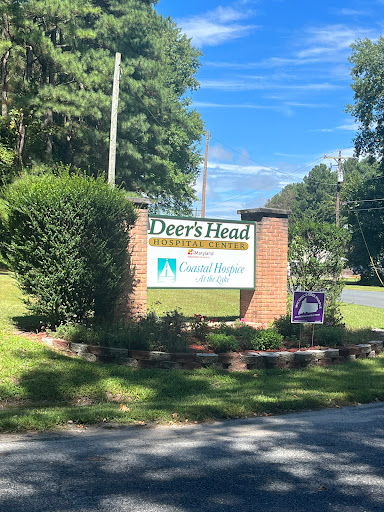


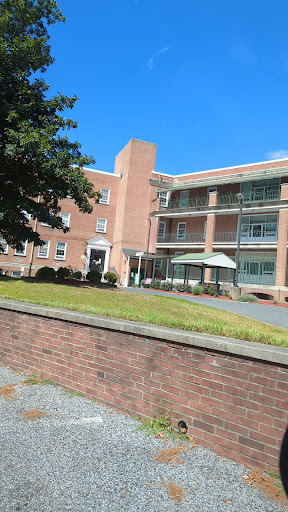
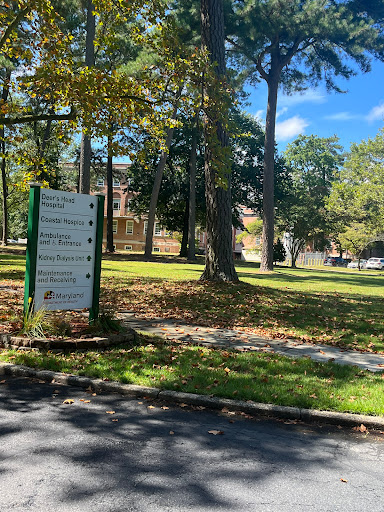






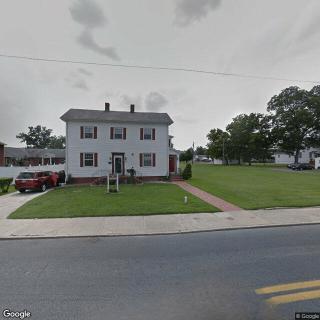
351 Deers Head Hospital Rd, Salisbury, MD 21801
To contact a resident: (410) 543-4000
For more information about senior living options: (866) 208-4318
Overall Review of Deer's Head Ctr
Pros
 Deer's Head is amazing and has a wonderful nursing staff.
- They took great care of the reviewer’s dad.
- The nurses were there for the reviewer’s mom, brother, and them when their dad passed away after almost 30 months in the staff's care.
- Some of the nurses even called the reviewer’s mom to check in on her.
- The reviewer has nothing but great things to say about them.
- The facility is clean and the staff is nice.
Cons
 The facility is filthy and looks more like a mental institution than a hospice.
- The nurses are rude and nasty.
- The place is unsanitary, with a horrible smell and disgusting patient bathrooms.
- The staff argue with and fight anyone who raises concerns, and the administration is crooked.
- Loved ones will not be comfortable or cared for in their dying days.
- The facility lies to families and manipulates them into believing it is extremely nice and that the staff is amazing and caring.
- Promoting this facility in hospitals is a complete disgrace.
Review
Deer's Head Center in Salisbury is best suited for families seeking deeply personal, nurse-led hospice care where the core value is attentive caregiving and meaningful family involvement during the final days. When dignity and direct, ongoing nursing contact are paramount, this community can deliver reassurance through hands-on care and steady emotional support. For families prioritizing pristine surroundings, uniformly upbeat staff across every shift, and transparent leadership, this is not the most reliable match. Alternatives should be considered in those cases. In short, the heart of this center is compassionate caregiving; the risk lies in inconsistencies that can undermine trust and comfort.
Bright notes repeatedly center on the nursing team’s dedication and the warmth shown to both residents and their families. One family described almost 30 months of attentive care for a loved one, with nurses maintaining contact with siblings after the loss. Others mention a clean, approachable atmosphere and a staff that is described as kind and responsive in day-to-day moments. These positives matter greatly when facing the emotional and practical realities of end-of-life care, because skilled, empathetic nurses can transform a difficult time into something more manageable. Still, these favorable impressions are not universal, signaling variability in daily performance and morale across shifts.
The strongest, most persistent concerns revolve around cleanliness, odor, and consistency in conduct. Multiple accounts portray rooms and bathrooms as unsanitary or poorly maintained, with paint peeling and an overall atmosphere that can feel neglected. In parallel, reports of rude or confrontational interactions with staff compound the discomfort, and some reviewers allege governance or administrative manipulation when concerns are raised. Taken together, these criticisms point to a troubling dissonance: competent clinical care exists, but environmental and relational factors can erode the sense of safety and dignity essential to hospice.
The central question becomes whether the strengths can meaningfully offset the weaknesses. When nursing teams are consistently present, compassionate, and proactive about family communication, the core hospice goal, peaceful, dignified comfort, can endure despite environmental flaws. In that frame, local families may accept occasional friction with housekeeping or occasional tense exchanges if the care remains steady and transparent. Yet the counterweight is heavy: persistent cleanliness problems and questionable administrative responsiveness can quickly overwhelm the benefits of skilled bedside care, especially for families who demand uniform excellence across all touchpoints.
Alternatives merit serious consideration for anyone whose priorities include spotless facilities, predictable staff behavior, and a calm, consistently well-maintained environment. Look for centers with documented housekeeping rigor, reliable cross-shift staffing, and a straightforward, accessible grievance process. During visits, tour multiple rooms, speak with staff across shifts, and probe how quickly concerns are addressed. Request recent quality scores or inspection notes and ask for specific references regarding room maintenance, odor control, and ongoing support for families. The right match will balance genuine caregiving warmth with dependable, high-standard facility conditions.
Ultimately, Deer's Head Center can serve as a compassionate home for the right resident, but it demands disciplined evaluation. Families must weigh the immediacy and intensity of nursing care against environmental and administrative weaknesses. For those who prize human connection and reassurance in the dying process, and who are prepared to monitor cleanliness and consistency closely, the center offers meaningful value. For others, especially those unwilling to compromise on hygiene, décor, and transparent governance, exploring alternatives is a prudent, potentially decisive step before committing to care.
 Activities on-site
 Devotional services off-site
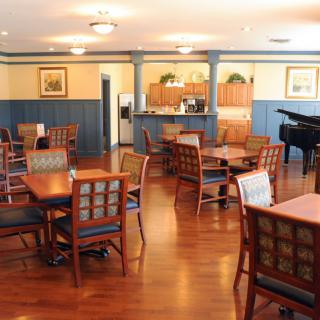
 Indoor common areas
 Ambulatory care
 Diabetic care
 Meals provided





 Understanding Home Health Care: A Comprehensive Guide
 Home Health Care Demystified: A Comprehensive Guide for Families and Caregivers
 Seniors and Modern Transportation: Exploring Uber, Lyft, and Other Ride-Hailing Options