
5024 Adrian Street, Rockville, MD 20850
For more information about senior living options: (866) 208-4318

Overall Review of Mackey Group Home for the Elderly
Pros
 The staff at AlfredHouse Needwood is very professional and goes above by showing kindness and care.
- They recreate a home-like environment in residents' rooms to keep them comfortable and happy.
- Their experience with AlfredHouse exceeded their expectations.
- The family felt grateful that their mother could move into AlfredHouse Needwood.
- The facility is a wonderful place; it is safe and clean, and the staff are very caring.
- They look after residents closely, ensuring they eat, bathe, and take medications.
- The caregivers are wonderful; they truly love the residents, and it is evident.
- It is a very clean and efficiently designed elder community living facility.
- The mother is thriving in her new home and receives 24/7 care from a wonderful group of people.
- It is the best assisted living facility in the area.
Cons
 One reviewer described the AlfredHouse experience as disgraceful, noting subpar care, dietary restrictions not followed, no activities or stimulation, and cheap quality food.
- They stated that the management was rude and had no understanding of dementia or state regulations.
- They warned readers not to be fooled by the website.
- They alleged that some reviewers were friends of the owners and had never had a loved one subjected to AlfredHouse.
Review
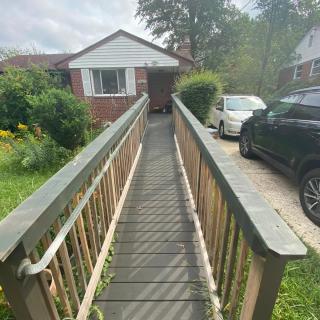
Best suited for families seeking a small, home-like setting for an elder who needs daily assistance and possibly memory-care support, Mackey Group Home for the Elderly should be a top candidate when the priority is personal attention over campus-scale amenities. In this model, residents benefit from a higher staff presence, intimate routines, and a living environment that resembles a house more than a hospital. The approach tends to yield consistent supervision, easier monitoring of medications and meals, and relationships where caregivers know both the resident’s preferences and triggers. For seniors who thrive on predictable routines, individualized care plans, and a “home away from home” vibe, this model can deliver dignity, safety, and real companionship every day.
People who may want to consider alternatives include those who demand robust, structured programming and extensive social schedules that rival a senior center. If a resident needs highly specialized therapies, frequent out-of-building excursions, or a campus with abundant amenities, a larger or more traditional facility might be a better fit. Families facing inconsistent dietary adherence or management responsiveness should probe deeply before committing; a single negative review underscores how crucial clear dietary policies, dementia training, and management accountability are in this model. If independence is still high and the goal is not 24/7 supervision, or if cost considerations favor a more luxurious setting, exploring other options would be prudent.
From the vantage point of the strongest positive reports, the core strengths center on staff dedication and the intimate care that follows. Caregivers are praised for warmth, patience, and the ability to tend to medications, meals, and daily activities with a personal touch. Family members repeatedly describe the environment as clean, safe, and “like home,” with residents thriving under 24/7 attention. The ability to tailor care for memory challenges and chronic conditions emerges as a decisive advantage in a group-home context. Where facilities succeed in maintaining a consistent, compassionate team and predictable routines, the pros significantly outweigh the typical limits of smaller settings, especially for elders who resist impersonal, large-scale care.
Yet one credible review warns of genuine downsides: care perceived as subpar, dietary restrictions not followed, limited activities, and management that appears unreceptive. Such a voice matters because it spotlights what to verify before moving in: concrete care plans, trained dementia-capable staff, clear dietary guidelines, and an active calendar of meaningful engagement. This is not a universal flaw, but it is a reminder that outcomes hinge on the local team, turnover, and day-to-day leadership. Prospective residents should insist on meeting potential caregivers, reviewing menus and care schedules, and requesting references from families with residents similar to the intended stay.
Practical steps to evaluate Mackey Group Home for the Elderly include requesting a structured tour with current residents and staff, asking for a sample weekly activity calendar, and examining how memory-care needs are supported in real time. Verify staff-to-resident ratios, medication management processes, and how family communications are handled (frequency of updates, care-plan changes). Inquire about dietary policies, including how dietary restrictions are implemented and monitored. Observe interactions between staff and residents for warmth, respect, and patience. Seek documentation of dementia-specific training for caregivers and confirm the availability of on-call medical professionals. A thorough, on-site assessment will reveal whether the home-like model aligns with the resident’s care requirements and family expectations.
The bottom line is that a home-like, intimate setting can deliver meaningful, dignified elder care in Rockville when the team is consistently attentive, well-trained, and aligned with the resident’s needs. Mackey Group Home for the Elderly should be recommended for elders who require constant supervision, memory-support, and highly personalized care, with families prioritizing close daily involvement and a familiar living pattern. If the plan involves strong social programming, occasional independence, or expansive amenities, or if reliable dietary adherence has been a concern elsewhere, families should compare options carefully. In the right circumstances, this small-scale model provides a practical, compassionate path to secure, comfortable living where residents feel known and valued every day.
 3 resident community capacity
 Assisted Living
 Cable or satellite TV
 Dining room
 Fully furnished
 Garden
 Housekeeping services
 Move-in coordination
 Outdoor space
 Telephone
 Wi-Fi/high-speed internet available
 Ronald Reagan Washington National (15 miles away)
 24-hour supervision
 Activities of daily living assistance
 Assistance with bathing
 Assistance with dressing
 Assistance with transfers
 Diabetes diet
 Meal preparation and service
 Medication management
 Special dietary restrictions
 Transportation arrangement (medical)
 Transportation to doctors appointments


 Understanding the Distinctions: Assisted Living and Memory Care Explained
 Guiding Elderly Parents Who Refuse Assisted Living: 6 Practical Steps
 Your Comprehensive Guide to Luxury Assisted Living: Elevated Facilities, Amenities, and Costs