

Assisted Living of Potomac

Save
Assisted Living of Potomac Assisted Living of Potomac Assisted Living of Potomac Assisted Living of Potomac

Assisted Living of Potomac

11901 Falls Road, Potomac, MD 20854

For more information about senior living options: (844) 490-3973

4.4 from 10 reviews
5 stars
7
4 stars
2
3 stars
0
2 stars
0
1 stars
1

Assisted Living Board and Care Home Memory Care

Assisted Living of Potomac Costs & Pricing

Assisted Living of Potomac offers a range of accommodation options with competitive pricing when compared to both Montgomery County and the broader Maryland state averages. For those considering semi-private rooms, Assisted Living of Potomac charges $4,277, which is slightly lower than the county's average of $4,337, while remaining significantly above the state average of $3,545. Studio apartments are available at $5,060, positioning them favorably within Montgomery County's higher rate of $5,542 and aligning more closely with the state average of $4,656. Private rooms are priced at $5,500, which exceeds both the county rate of $5,009 and the state average of $4,112. Lastly, for residents seeking one-bedroom accommodations, Assisted Living of Potomac's fee of $6,265 stands above Montgomery County's average of $4,842 and Maryland's statewide average of $3,904. Overall, while Assisted Living of Potomac tends to be on the higher end for some room types compared to local averages, it reflects a commitment to providing quality care in an appealing environment.

Floor plansAssisted Living of PotomacMontgomery CountyMaryland
Semi-Private$4,277$4,337$3,545
Studio$5,060$5,542$4,656
Private$5,500$5,009$4,112
1 Bedroom$6,265$4,842$3,904

What level of care are you interested in?

Assisted Living

Memory Care

Independent Living

Skilled Nursing Facility

Continuing Care Retirement Community (CCRC)CCRC

Other


Request a tour at Assisted Living of Potomac

    Overall Review of Assisted Living of Potomac

    Pros

    • pro Assisted Living of Potomac is described as safe, clean, and well-maintained, with attentive staff, home-cooked meals, and happy residents.
    • pro The owner is an experienced registered nurse who understands residents' needs and provides individualized care plans.
    • pro Staff are caring and attentive, going above and beyond to make residents feel loved and special.
    • pro The owner's strong communication with residents, families, and caregivers keeps everyone informed and reassured, easing worry.
    • pro The home's smaller, intimate setting provides continuous supervision and personalized care.
    • pro Residents look forward to meals, which are consistently nourishing and home-cooked.
    • pro Families express peace of mind and gratitude, noting that the care far exceeds expectations.

    Cons

    • pro One reviewer felt there was not a reasonable ratio of aides to residents, and that the care was totally inadequate.
    • pro Another reviewer claimed the owner would not return money owed.
    • pro A reviewer described dementia as having claimed the reviewer's mother, leaving her unhappy and often unpleasant, testing the family's patience.
    • pro A reviewer stated that the care was not a good fit for their mother.
    • pro They noted the facility offered fewer activities and outings than larger facilities.
    • pro There was a report that the home lacked accessibility, as the chair lift could not be used by the reviewer's mother.
    • pro There was an instance where the reviewer's mother fell several times and had to be taken to the ER while the family was away, indicating inadequate care.

    Review

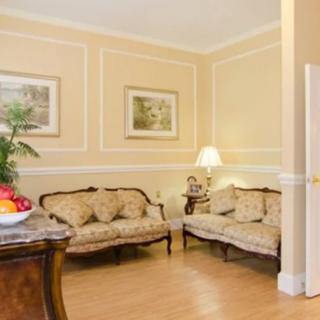
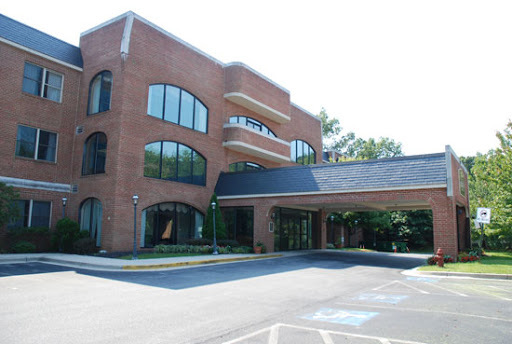
    Assisted Living of Potomac is best suited for families seeking a warm, highly personalized, nurse-led small-home environment where safety, cleanliness, and daily attentiveness stand at the forefront. This community shines for residents who value a single, cohesive care team that knows them by name, a home-like setting with good natural light, and meals that feel homemade and comforting. With a typical footprint of just six to eight residents, it delivers continuous supervision and unhurried, one-on-one attention that larger facilities often struggle to provide. The combination of an experienced owner who is a registered nurse, strong family communication, and a clearly executed individualized care plan makes this community a practical choice for those who prioritize consistent oversight and intimate, relationship-driven care.

    That said, some families may want to consider alternatives depending on resident needs and expectations. The most important caveat concerns activity breadth and facility scale. For residents who require a robust calendar of outings, a wide range of therapeutic programs, or highly structured dementia and rehab therapies, the smaller, quieter environment can feel limiting compared with larger corporate communities. Accessibility and multi-floor logistics matter as well: the building's three stories and a chair lift do not automatically guarantee convenient access for every mobility challenge, and one family noted that this arrangement did not suit their loved one. If a resident needs extensive on-site programming or a one-floor layout for easy mobility, shopping around for a larger campus or a different configuration may be the wiser path.

    The core strengths here repeatedly offset potential drawbacks. The owner's nursing background translates into disciplined care management, with staff training, proactive procedures, and timely escalation of concerns. Families report clear, dependable communication about any issues, often with same-day follow-through and updates that bring real reassurance. Residents consistently appear well cared for: the home is meticulously maintained, meals are beloved by residents, and daily routines revolve around staying safe, clean, and cheerful. The small setting enables overt familiarity - staff know residents' preferences, monitor subtle changes in health, and respond with personalized adjustments, which in turn helps families relax about daily health and safety.

    Yet the strongest caveat surfaces when considering the variability that can accompany a small operation. While many families highlight vigilant, compassionate staff who deliver "one-on-one care," isolated reviews describe situations where care fell short, with insufficient aide-to-resident ratios that led to concerning incidents. Such accounts emphasize the need for prospective residents and their families to verify current staffing levels, daily activity plans, and fall-prevention measures before committing. Another practical warning is the potential for friction over financial matters, as one review recounts a disputed refund - this signals the importance of getting everything in writing and clearly understanding policies before move-in. These are not universal flaws, but they are critical factors to scrutinize when weighing fit.

    For decision-makers, the practical takeaway is straightforward: Assisted Living of Potomac can deliver peace of mind through intimate, attentive care, strong clinical alignment, and daily routines that make residents feel known, safe, and content. It is an especially strong match for residents who thrive on personal contact, family-style meals, and a calm, low-traffic environment where staff can monitor subtle health shifts. Families should enter with a clear set of expectations about activity options, mobility needs, and injury prevention, and should demand current, tangible assurances on staffing ratios, care plans, and open channels for communication. If those assurances align with the resident's needs, this community offers a reliable, humane option that often exceeds expectations.

    In closing, Assisted Living of Potomac presents a compelling, practical fit for many seniors who prioritize intimate, nurse-guided care within a home-like setting. The key to making it work lies in aligning the resident's medical needs, activity desires, and mobility realities with the facility's strengths: small size, devoted staff, and a nurse-led culture. For families seeking a busier social calendar, broader therapeutic offerings, or a one-floor layout, alternative communities may serve better. The next step is a focused visit: meet the owner in person, tour the living spaces, ask pointed questions about staff ratios and care plans, review recent communication practices, and request current references. When the fit is right, the results can be transformative - moments of ease, dignity, and genuine daily happiness that families have found here.

    Features

    Housing

    • 8 resident community capacity 8 resident community capacity

    Types of Care

    • Assisted Living Assisted LivingAssisted living facilities provide crucial support and care for seniors who may need help with daily tasks such as medication management, bathing, and meal preparation. These communities offer a safe and comfortable environment where seniors can maintain their independence while receiving the assistance they need to thrive in their golden years.
    • Board and Care Home Board and Care HomeBoard and care homes provide a smaller, more intimate setting for seniors who require assistance with daily tasks but do not need the level of care offered by a nursing home. They offer personalized care, meals, and social activities in a homelike environment, ensuring that seniors receive individualized attention and support in their golden years.
    • Memory Care Memory CareMemory care is crucial for seniors as it provides specialized support and services for individuals with dementia or Alzheimer's disease. These programs offer a safe and secure environment where residents receive personalized care, cognitive stimulation, and help with daily activities. Memory care helps seniors maintain their independence, quality of life, and dignity while also providing peace of mind for their families.

    Pets

    • Cats allowed Cats allowed"Pet friendly" senior living communities are important for seniors because pets provide companionship, reduce feelings of loneliness and depression, promote physical activity and mental stimulation, and offer a sense of purpose and responsibility. Pets can improve overall well-being and quality of life for seniors in many ways.
    • Dogs allowed Dogs allowed"Pet friendly" senior living communities are important for seniors because pets provide companionship, reduce feelings of loneliness and depression, promote physical activity and mental stimulation, and offer a sense of purpose and responsibility. Pets can improve overall well-being and quality of life for seniors in many ways.

    Amenities

    • Activities off-site Activities off-siteEngaging in off-site activities is crucial for seniors to maintain social connections, stay active, and stimulate their minds. It promotes overall well-being and helps combat feelings of isolation and loneliness.
    • Activities on-site Activities on-siteActivities on-site are important for seniors because they provide opportunities for socialization, mental stimulation, physical activity, and overall well-being. Engaging in activities can help seniors stay active, maintain their independence, and improve their quality of life.
    • Air-conditioning Air-conditioningAir conditioning is important for seniors as they are more vulnerable to heat-related illnesses and may have underlying health conditions that make it difficult for them to regulate their body temperature. It helps to keep them comfortable, safe, and healthy in hot weather.
    • Cable or satellite TV Cable or satellite TVCable or satellite TV is important for seniors because it provides entertainment, news, and companionship, helping to combat loneliness and boredom. It also offers a wide range of programming options tailored to different interests and preferences.
    • Devotional services off-site Devotional services off-siteDevotional services off-site are important for seniors as they provide spiritual nourishment, social engagement, and a sense of community outside of the senior living facility. This can enhance overall well-being and help combat feelings of isolation and loneliness often experienced by older adults.
    • Dining room Dining roomDining rooms are important for seniors as they provide a space for socialization, connection, and nutritious meals. They offer opportunities for residents to bond over shared meals, foster a sense of community, and promote healthy eating habits. Dining rooms also ensure that seniors have access to well-balanced meals tailored to their dietary needs and preferences.
    • Fully furnished Fully furnishedFully furnished senior living communities are important for seniors because they provide convenience, comfort, and a hassle-free moving experience. Seniors can easily settle into their new living space without the stress of having to buy and move furniture. This allows them to focus on enjoying their new home and community.
    • Garden GardenGardens are important for seniors as they provide a peaceful and therapeutic environment for relaxation, physical activity, and socialization. Being in nature has been shown to reduce stress, improve mood, and promote overall well-being. Gardens also offer opportunities for seniors to engage in gardening activities, which can improve mobility, flexibility, and cognitive function. Additionally, gardens create a sense of community and connection with others who share a passion for plants and outdoor spaces.
    • Garden view Garden viewGarden views are important for seniors as they provide natural beauty and tranquility, promoting relaxation and overall well-being. Access to green spaces can also encourage outdoor activity and socialization, enhancing physical and mental health.
    • Ground floor units Ground floor unitsGround floor units are important for seniors because they provide easy accessibility, reduced risk of falls and injuries, and convenience for those with mobility issues. Seniors can avoid climbing stairs or using elevators, making daily tasks and activities more manageable and enjoyable.
    • Handicap accessible Handicap accessible"Handicap accessible" amenities are crucial for seniors to ensure they can easily navigate and access facilities, services, and activities without barriers or limitations due to physical impairments. This promotes independence, safety, and inclusivity for seniors in senior living communities.
    • Housekeeping services Housekeeping servicesHousekeeping services are important for seniors because they help maintain a clean and safe living environment, promote independence, and reduce the risk of accidents or illnesses. Additionally, having assistance with household chores can alleviate physical strain and allow seniors to focus on other aspects of their well-being.
    • Indoor common areas Indoor common areasIndoor common areas are crucial for seniors as they provide a space for socialization, recreation, and community engagement, promoting overall well-being and reducing feelings of isolation and loneliness.
    • Kitchenette KitchenetteKitchenettes are important for seniors living in senior living communities because they provide the convenience and independence of being able to prepare simple meals and snacks in the comfort of their own living space. This can help promote a sense of autonomy and well-being for seniors, allowing them to maintain some level of control over their dietary choices and daily routines.
    • Move-in coordination Move-in coordinationMove-in coordination is important for seniors because it helps ease the transition into their new living environment. It ensures that all logistics, such as packing, organizing movers, and setting up utilities are taken care of, allowing seniors to focus on settling in and adjusting to their new home. Having a smooth move-in process can alleviate stress and anxiety, making the transition smoother and more enjoyable for seniors.
    • Outdoor common areas Outdoor common areasOutdoor common areas are important for seniors as they provide a space for socialization, physical activity, and relaxation. Being outside in nature can improve mood and overall well-being, while also encouraging movement and engagement with others. These spaces can help combat feelings of isolation and promote a sense of community among residents.
    • Outdoor space Outdoor spaceOutdoor spaces are important for seniors as they provide opportunities for physical activity, social interaction, exposure to natural light and fresh air, and a sense of connection to nature. Having access to outdoor spaces can improve overall well-being and quality of life for older adults living in senior communities.
    • Private PrivatePrivacy is important for seniors as it allows them to maintain their independence, dignity, and sense of control over their own lives. It also gives them the space and freedom to relax, reflect, and engage in activities that bring them joy and fulfillment. Creating private spaces within senior living facilities is crucial for promoting overall well-being and quality of life.
    • Private bathrooms Private bathroomsPrivate bathrooms are important for seniors in senior living communities because they provide independence, dignity, and comfort. Having a private bathroom allows seniors to maintain their personal hygiene routines without the need for assistance, promoting a sense of autonomy and privacy. Additionally, private bathrooms help prevent the spread of infections and provide a safe and clean environment for seniors to navigate safely.
    • Respite or short term stays offered Respite or short term stays offeredRespite or short term stays provide seniors with a temporary solution when their regular caregiver is unavailable, offering them the opportunity to receive additional care and support during times of need, while also giving caregivers a chance to rest and recharge.
    • Telephone TelephoneTelephones are important for seniors as they provide a lifeline for communication with loved ones, emergency services, and healthcare providers. They offer a sense of security and independence, enabling seniors to stay connected and access assistance when needed.
    • Wheelchair accessible showers Wheelchair accessible showersWheelchair accessible showers are crucial for seniors as they provide a safe and independent bathing option for those with mobility challenges. These showers help prevent falls and allow seniors to maintain their dignity and autonomy while ensuring they can bathe comfortably.
    • Wi-Fi/high-speed internet available Wi-Fi/high-speed internet availableWi-Fi/high-speed internet is important for seniors to stay connected with loved ones, access online resources, and participate in virtual activities to combat feelings of loneliness and isolation. It also allows them to easily manage healthcare needs, access entertainment, and engage in lifelong learning opportunities.

    Transportation

    • Ronald Reagan Washington National (16 miles away) Ronald Reagan Washington National (16 miles away)
    • Washington Dulles International (16 miles away) Washington Dulles International (16 miles away)

    Care Services

    • 24-hour supervision 24-hour supervision24-hour supervision is important for seniors to ensure their safety, well-being, and access to immediate assistance in case of emergencies or health issues. This constant support provides peace of mind for both seniors and their loved ones, allowing them to age in place with dignity and security.
    • Activities of daily living assistance Activities of daily living assistanceActivities of daily living assistance are important for seniors because they provide essential support with tasks such as eating, bathing, dressing, and mobility. This assistance helps seniors maintain their independence, dignity, and overall quality of life as they age.
    • Ambulatory care Ambulatory care"Ambulatory care services provide essential medical support and treatment to seniors without requiring hospitalization, allowing them to maintain their independence and quality of life while managing chronic conditions or receiving routine medical care."
    • Assistance with bathing Assistance with bathingAssistance with bathing is crucial for seniors as it helps maintain personal hygiene, prevents infections, and ensures their overall well-being and comfort. It also provides a sense of dignity and independence for seniors who may struggle with this task on their own.
    • Assistance with dressing Assistance with dressingAssistance with dressing is important for seniors because it helps maintain their independence, promotes personal hygiene, prevents accidents and injuries, and improves overall quality of life. This service ensures that seniors can continue to dress comfortably and confidently, despite any physical limitations they may have.
    • Assistance with transfers Assistance with transfersAssistance with transfers is crucial for seniors as it helps prevent falls and injuries, maintains their independence, and ensures they can safely navigate their living environment. It also provides peace of mind for both seniors and their loved ones.
    • Coordination with health care providers Coordination with health care providersCoordination with health care providers is crucial for seniors to ensure proper medical care, medication management, and overall well-being. This collaboration helps prevent overlapping treatments, track progress more effectively, and provide comprehensive support tailored to individual needs.
    • Diabetes diet Diabetes dietA diabetes diet is crucial for seniors as it helps manage blood sugar levels, reduce risks of complications, and improve overall health and well-being. By following a balanced and nutritious diet tailored to their specific needs, seniors can better control their diabetes and enhance their quality of life.
    • High acuity care High acuity careHigh acuity care is important for seniors because it provides specialized medical attention and support for individuals with complex medical needs. This level of care ensures that seniors receive the appropriate treatment and assistance to maintain their health and quality of life as they age.
    • Incontinence care Incontinence careIncontinence care is essential for seniors to maintain their dignity, hygiene, and overall quality of life. By addressing incontinence issues promptly and effectively, seniors can enjoy a sense of independence and comfort in their daily activities.
    • Meal preparation and service Meal preparation and serviceMeal preparation and service are crucial for seniors as they may have limited mobility or energy to cook nutritious meals. Having access to healthy and convenient food options can ensure they are getting the proper nutrition needed to maintain their overall health and well-being.
    • Medication management Medication managementMedication management is crucial for seniors to ensure they are taking the right medications at the correct dosages and times. This helps prevent adverse drug interactions, reduces the risk of medication errors, and promotes overall health and well-being. Proactive management also allows for adjustments as needed based on changing health conditions or new prescriptions.
    • Special dietary restrictions Special dietary restrictionsSpecial dietary restrictions are important for seniors because age-related changes in metabolism and health conditions can make it difficult for their bodies to process certain foods. By following a diet tailored to their specific needs, seniors can maintain their overall health and well-being, manage chronic conditions, and reduce the risk of complications such as malnutrition or food interactions with medications.
    • Transportation arrangement (medical) Transportation arrangement (medical)Transportation arrangements for medical purposes are essential for seniors as they may have difficulty driving themselves to appointments or accessing public transportation. Having reliable and safe transportation options ensures that seniors can receive timely medical care and maintain their health and well-being.
    • Transportation to doctors appointments Transportation to doctors appointmentsTransportation to doctors' appointments is crucial for seniors as it ensures they have access to necessary medical care and support for their health needs. Without reliable transportation, seniors may struggle to attend important appointments, leading to potential delays in treatment and health complications. Providing transportation services helps seniors maintain their overall well-being and quality of life.

    Dining

    • Diabetes diet Diabetes dietA diabetes diet is crucial for seniors as it helps manage blood sugar levels, reduce risks of complications, and improve overall health and well-being. By following a balanced and nutritious diet tailored to their specific needs, seniors can better control their diabetes and enhance their quality of life.
    • Gluten-free Gluten-freeGluten-free options are important for seniors as they are more prone to digestive issues and dietary sensitivities. Offering gluten-free meal choices in senior living communities can help improve their overall health and well-being.
    • Low / no sodium Low / no sodiumLow/no sodium options are important for seniors because excessive sodium intake can lead to high blood pressure, heart disease, and other health issues commonly experienced by older adults. By choosing low/no sodium foods, seniors can better manage their health and reduce their risk of developing these conditions.
    • Meals provided Meals provided"Meals provided" are crucial for seniors in assisted living communities as it ensures they have access to nutritious, balanced meals without the stress of meal planning and preparation. This can help promote overall health and well-being for seniors who may have limited mobility or cognitive abilities.
    • Professional chef Professional chefProfessional chefs are important for seniors living in senior living communities because they provide nutritious and delicious meals that cater to their dietary needs and preferences. A professional chef can ensure that seniors are receiving balanced, flavorful meals that support their overall health and well-being.
    • Restaurant style dining Restaurant style diningRestaurant style dining is important for seniors as it offers them a social and enjoyable dining experience, promotes healthy eating habits, and provides personalized menu options to cater to their dietary needs and preferences. This type of dining setting can enhance their overall quality of life and create a sense of community within the senior living facility.
    • Room service Room serviceRoom service is important for seniors in a senior living community because it provides convenience and allows them to have their meals delivered directly to their room. This can be especially beneficial for seniors who may have mobility issues or difficulty accessing the dining area. Room service ensures that seniors are able to receive nutritious meals without having to navigate through the facility, allowing them to maintain their independence and overall well-being.
    • Special dietary restrictions Special dietary restrictionsSpecial dietary restrictions are important for seniors because age-related changes in metabolism and health conditions can make it difficult for their bodies to process certain foods. By following a diet tailored to their specific needs, seniors can maintain their overall health and well-being, manage chronic conditions, and reduce the risk of complications such as malnutrition or food interactions with medications.
    • Vegetarian VegetarianA vegetarian diet is important for seniors because it can help lower the risk of chronic diseases, maintain a healthy weight, and provide essential nutrients needed for aging bodies. Additionally, plant-based diets are often easier on digestive systems and can contribute to overall well-being in older adults.

    Activities

    • Art classes Art classesArt classes are important for seniors because they provide a creative outlet, improve cognitive function, reduce stress and anxiety, promote socialization, and enhance overall well-being and quality of life.
    • Catholic services Catholic servicesCatholic services are important for seniors because they provide spiritual support, a sense of community, and opportunities for social interaction that can enhance overall well-being and quality of life in their later years.
    • Community-sponsored activities Community-sponsored activitiesCommunity-sponsored activities are important for seniors as they provide opportunities for social interaction, mental stimulation, and physical activity. These activities can help improve overall well-being, combat loneliness and isolation, and promote a sense of belonging and purpose among older adults.
    • Cooking classes Cooking classesCooking classes are important for seniors as they provide opportunities for social interaction, enhance cognitive skills, promote healthy eating habits, and boost confidence in the kitchen.
    • Day trips and outings Day trips and outingsDay trips and outings are important for seniors as they provide opportunities for socialization, mental stimulation, physical activity, and a break from daily routines. These experiences can enhance overall well-being and quality of life for older adults living in senior communities.
    • Devotional activities on-site Devotional activities on-siteDevotional activities on-site provide seniors with a sense of community, spiritual fulfillment, and emotional support, promoting overall well-being and a positive sense of purpose in their lives.
    • Live musical performances Live musical performancesLive musical performances can provide seniors with a sense of joy, nostalgia, and connection. Music has the power to evoke emotions and memories, improve mood and cognitive function, and foster social interaction among seniors. It can also serve as a form of therapy and stress relief for older adults, making it an important activity to include in senior living communities.
    • Other religious services Other religious servicesOther religious services are important for seniors as they provide a sense of community, spiritual comfort, and opportunities for socializing. These services can help seniors feel connected to their faith and maintain a sense of purpose and belonging in their later years.
    • Scheduled daily activities Scheduled daily activitiesScheduled daily activities are important for seniors because they provide structure, socialization, mental stimulation, and physical activity. Engaging in regular activities can improve overall well-being and quality of life for seniors living in a community setting.
    • Stretching classes Stretching classesStretching classes are important for seniors because they help improve flexibility, reduce the risk of injury, and promote overall health and well-being. Regular stretching can also help alleviate joint pain and stiffness, enhance balance and coordination, and increase range of motion.
    • Trivia games Trivia gamesTrivia games are important for seniors because they provide mental stimulation, social interaction, and a fun way to keep the mind sharp. They can help improve memory, cognitive function, and overall well-being in older adults.
    • Visiting Rabbi Visiting Rabbi"Visiting rabbis provide spiritual and emotional support to seniors in assisted living communities, helping them connect with their faith, find comfort in times of need, and maintain a sense of community and belonging."
    • Visiting chaplain or priest Visiting chaplain or priestHaving a visiting chaplain or priest at a senior living community is important for seniors because it provides spiritual support, comfort, and guidance during a time of life that can be challenging and uncertain. Their presence can help seniors feel connected to their faith, find peace of mind, and cope with the emotional and mental struggles they may face in their later years.
    • Yoga / chair yoga Yoga / chair yogaYoga and chair yoga are important for seniors as they promote flexibility, balance, strength, and overall wellbeing. These practices can help improve mobility, reduce stress, and enhance mental clarity, ultimately leading to a higher quality of life in their senior years.

    Description

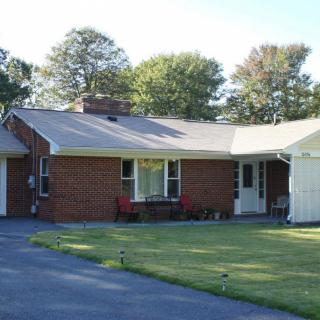
    Assisted Living of Potomac, located in Potomac, MD, is a comprehensive and compassionate community designed to meet the needs of seniors requiring assistance with daily living. Our community offers both Board and Care Home as well as Memory Care services to cater to individuals with specialized needs.

    Residents at Assisted Living of Potomac can enjoy a wide range of amenities designed for comfort and convenience. Our on-site activities provide opportunities for social engagement and entertainment, while our air-conditioned accommodations ensure a comfortable living environment. Each room is fully furnished with cable or satellite TV for the residents' entertainment. Additionally, our beautiful garden and outdoor spaces offer serene views and relaxation.

    We prioritize the well-being and safety of our residents by providing essential care services. Our dedicated staff assists with activities of daily living, ambulatory care, bathing, dressing, transfers, medication management, and coordination with healthcare providers. We also offer specialized care such as high acuity care and incontinence care to address individual needs. Nutritious meals are prepared by professional chefs who cater to special dietary requirements including gluten-free, low/no sodium diets, vegetarian options, and room service.

    At Assisted Living of Potomac, we value the spiritual aspect of each resident's life. We offer devotional services off-site and on-site for various religious affiliations. Community-sponsored activities like cooking classes and stretching classes promote socialization among residents. Live musical performances and trivia games provide additional opportunities for leisurely enjoyment.

    Our convenient location ensures accessibility to nearby amenities including cafes, parks, pharmacies, physicians' offices, restaurants, transportation options, theaters, and hospitals.

    If you are seeking a warm and supportive community that promotes independence while providing exceptional care services in an inviting setting – Assisted Living of Potomac is here to welcome you or your loved ones into their new home.

    Nearby Places of Interest

    Located in Potomac, Maryland, this area offers a variety of amenities and services suitable for senior living. With several parks nearby, residents can enjoy nature walks and outdoor activities. The proximity to multiple pharmacies ensures easy access to medications and healthcare needs. There are also a selection of restaurants and cafes for dining out or grabbing a quick bite to eat. Transportation options such as metro stations and car rental services provide convenient travel options. Additionally, there are medical centers, hospitals, physicians, and places of worship in the vicinity, offering essential healthcare services and spiritual support. Overall, this area provides a well-rounded community with resources that cater to the needs of seniors looking for a comfortable and convenient living environment.

    Parks

    • Falls Road Park (1.1 miles)
    • Aberdeen Park (5.1 miles)
    • Great Falls Park (5.2 miles)
    • Winding Creek Local Park (5.2 miles)
    • Chesapeake and Ohio Canal National Historic Park (5.6 miles)
    • Rock Creek Regional Park (5.7 miles)
    • Bohrer Park (5.7 miles)

    Pharmacies

    • Walgreens (1.7 miles)
    • CVS Pharmacy (1.7 miles)
    • CVS Pharmacy (3.1 miles)
    • Safeway Pharmacy (3.3 miles)
    • Walgreens (3.3 miles)
    • CVS Pharmacy (3.5 miles)
    • CVS Pharmacy (3.7 miles)

    Restaurants

    • Founding Farmers (1.8 miles)
    • Menchie's Westfield Montgomery Mall (3 miles)
    • Sichuan Pavilion (3.2 miles)
    • McDonald's (3.4 miles)
    • Silver Diner (3.6 miles)
    • McDonald's (4.2 miles)
    • Cava (4.3 miles)

    Theaters

    • AMC Montgomery 16 (2.8 miles)
    • AMC DINE-IN Rio Cinemas 18 (4.6 miles)
    • ShowPlace ICON at The Boro (9.1 miles)

    Transportation

    • Rockville Metro Station (3.2 miles)
    • Hertz Rent A Car (3.3 miles)
    • Twinbrook Metro Station (3.7 miles)
    • Grosvenor-Strathmore Metro Station (4.7 miles)
    • Shady Grove Metro Station (4.9 miles)
    • Medical Center Metro Station (6 miles)
    • Bethesda Metro Station (6.8 miles)

    Cafes

    • Starbucks (3.3 miles)
    • Silver Diner (4.5 miles)
    • Starbucks (4.7 miles)
    • Starbucks (6.7 miles)
    • Tatte Bakery & Cafe (6.9 miles)
    • Starbucks (7.3 miles)
    • Starbucks (7.3 miles)

    Hospitals

    • Adventist HealthCare Shady Grove Medical Center (3.3 miles)
    • Holy Cross Hospital (8.5 miles)
    • Sibley Memorial Hospital (8.9 miles)

    Physicians

    • The Centers For Advanced Orthopaedics (3.5 miles)
    • Occupational Health Consultants (3.6 miles)
    • Potomac Pediatrics (3.9 miles)
    • Potomac Valley Pediatrics (5.4 miles)
    • Family Allergy & Asthma Care (6.5 miles)
    • Tibor E Frekko (6.6 miles)
    • Kane Howard MD (7 miles)

    Places of Worship

    • Rockville Evangelical Mission (5.6 miles)
    • McLean Islamic Center (8.6 miles)
    • Church of the Redeemer (8.9 miles)

    Frequently Asked Questions

    How much does it cost to live at Assisted Living of Potomac in Potomac, MD?
    Where is Assisted Living of Potomac?
    Does Assisted Living of Potomac provide care for residents with dementia or Alzheimer's disease?
    Does Assisted Living of Potomac allow residents to have pets?
    What photos are available for Assisted Living of Potomac in Potomac, Maryland?

    Nearby Communities

    • Eden Homes - Liberty

      Eden Homes - Liberty

      Potomac, MD

       
      $5,450 / month

      pro Private rooms with private bathrooms; 24/7 supervision; diabetes-focused meals; high-acuity care; transportation to medical appointments; fully furnished homes; gardens and outdoor spaces.

    • Flower Valley

      Flower Valley

      Potomac, MD


      pro 24/7 supervision with daily activities and medical transportation

    • Ambleside

      Ambleside

      Potomac, MD

       
      $5,500 to $6,000 / month

      pro Premium setting with comprehensive memory care services and on-site activities.

    • Potomac Gardens

      Potomac Gardens

      Potomac, MD

      5 from 3 reviews
      $3,000 / month

    • Dayspring Senior Home

      Dayspring Senior Home

      Rockville, MD

      4.9 from 38 reviews
       

      pro Compassionate, resident-focused leadership by Nazie and Miriam.

    • Raphael House

      Raphael House

      Rockville, MD

      4.6 from 14 reviews
      $7,450 / month

      pro Intimate, small community with compassionate staff and engaging on-site activities.

    • Manor Care Health Services - Potomac

      Manor Care Health Services - Potomac

      Potomac, MD

      4.4 from 111 reviews
       

      pro Clean facility with professional therapists and generally friendly staff.

    • The Seneca at Rockville

      The Seneca at Rockville

      Rockville, MD

      4.6 from 32 reviews
      $6,995 to $9,395 / month

      pro Upscale, hotel-like atmosphere with diverse programs and restaurant-style dining.

    • BrightStar Healthcare

      BrightStar Healthcare

      Rockville, MD

      4.8 from 62 reviews
      $3,650 / month

      pro Compassionate, skilled caregivers with reliable substitute coverage.

    Related Resources

    • assisted living waiver programA Detailed Exploration of Assisted Living Medicaid Waivers Across the United States

      Medicaid waivers for assisted living services provide vital support for seniors and individuals with disabilities in need of long-term care, with varying state-specific eligibility criteria and benefits. These waivers cover personal care and case management but often do not fully cover room and board, leading to waiting lists for many applicants.

    • assisted living vs skilled nursingExploring the Contrasts Between Assisted Living and Skilled Nursing

      The article compares assisted living and skilled nursing facilities, detailing their differing levels of assistance, medical support, cost structures, and day-to-day experiences. It emphasizes that assisted living is for those needing help with daily activities while maintaining independence, whereas skilled nursing facilities provide intensive medical care with 24-hour staff supervision.

    • active senior livingVibrant Senior Living: A Comprehensive Guide for Active Older Adults

      Vibrant Senior Living emphasizes active senior living communities that promote independence and engagement through diverse amenities and activities, fostering wellness and social interaction among older adults. These communities range from independent to assisted living, with a focus on personal growth, family involvement, financial planning, and leveraging technology to enhance residents' experiences.


    Get Pricing Ask A Question Schedule A Tour Contact Senior Advisor