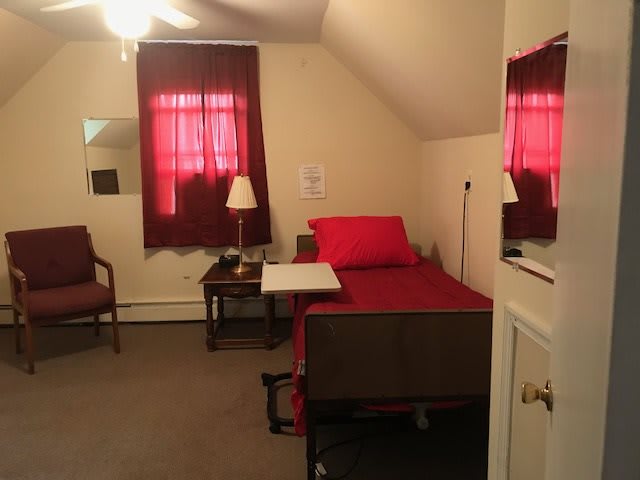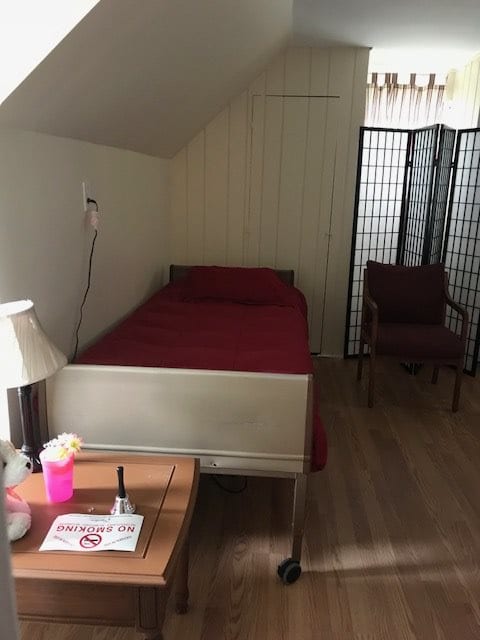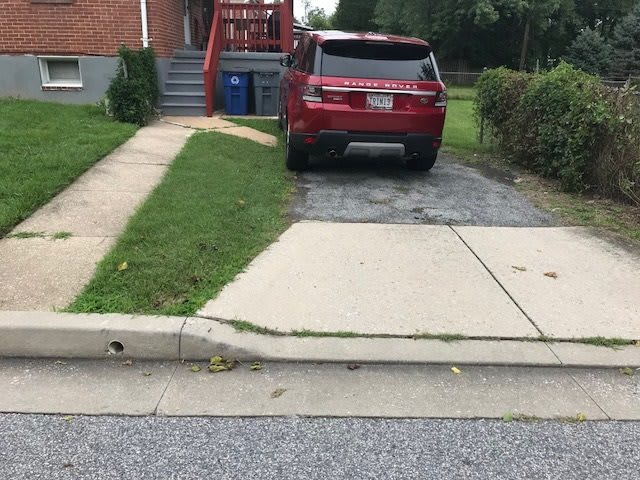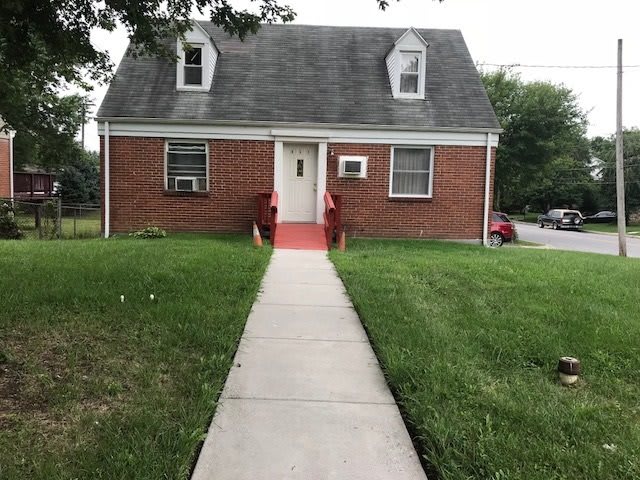
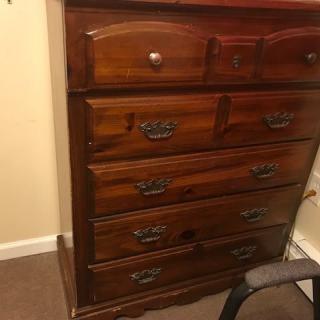
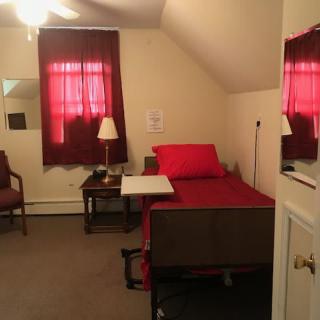
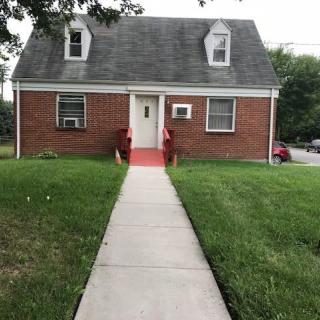
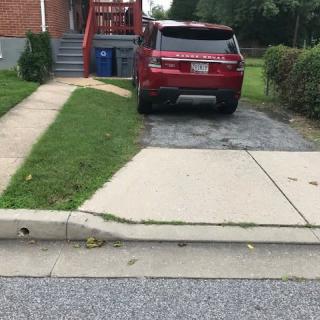
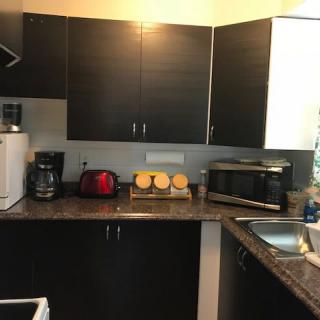

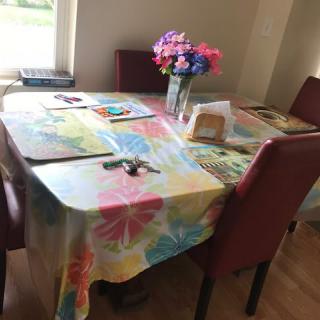
825 Milford Mill Road, Pikesville, MD 21208
For more information about senior living options: (866) 208-4318
Vorizen Assisted Living II Costs & Pricing
Vorizen Assisted Living II offers competitive pricing for its services when compared to both the Baltimore city and Maryland averages. For a semi-private room, residents can expect to pay $2,000 per month, significantly lower than the Baltimore city average of $3,116 and the Maryland state average of $3,545. Similarly, for a private room, Vorizen's monthly rate of $2,500 stands in stark contrast to the higher costs seen in Baltimore city at $3,729 and across Maryland at $4,112. This affordability makes Vorizen Assisted Living II an appealing option for individuals seeking quality care without the financial burden often associated with assisted living facilities in the area.
| Floor plans | Vorizen Assisted Living II | Baltimore city | Maryland |
|---|---|---|---|
| Semi-Private | $2,000 | $3,116 | $3,545 |
| Private | $2,500 | $3,729 | $4,112 |
Assisted Living communities with a similar price nearby
-
About the same
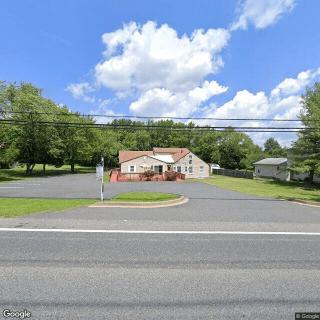
Young at Heart Assisted Living
$2,000 to $2,500 / month22.6 miles away -
from -$300 / mo
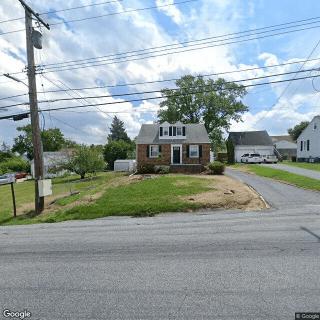
Moms & Pops Place
$1,700 to $2,000 / month11.1 miles away -
About the same
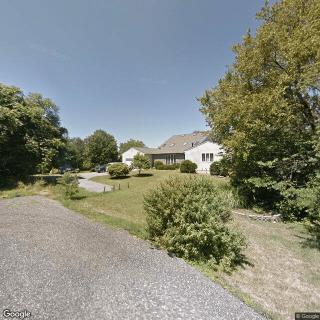
Pearls of Wisdom
$2,000 to $3,500 / month14.4 miles away -
from +$280 / mo
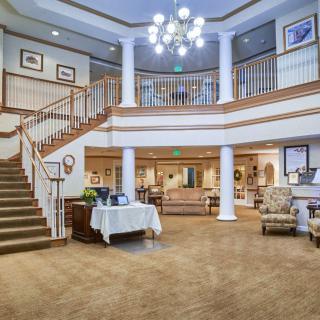
Sunrise of Pikesville
$2,280 to $4,225 / month1.2 miles away -
from -$394 / mo
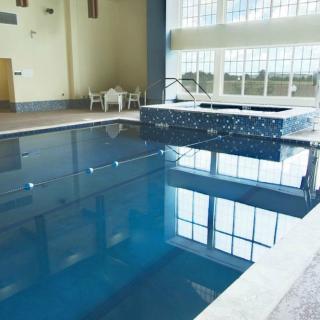
Carroll Lutheran Village a CCRC
$1,606 to $3,447 / month21.6 miles away
Overall Review of Vorizen Assisted Living II
Pros
 The facility is clean and comfortable.
- The staff and manager go out of their way for residents.
- The staff treat residents like family.
- The reviewer would trust placing a loved one there and loves the facility.
- The facility stands out after visiting many homes.
- The facility has been upgraded and the staff and manager are very knowledgeable.
- There is a social worker on staff who is very helpful.
- The staff are kind and nurturing to residents.
Review
Vorizen Assisted Living II in Pikesville is best suited for families seeking a warm, person-centered living environment where residents are treated like family and staff actively invest in daily quality of life. The community shines when the priority is a nurturing, home-like atmosphere with attentive caregivers who form genuine connections with residents. Families that value a hands-on manager, accessible leadership, and a social-work presence on site will find this setting especially reassuring. The overall impression from long-tenured residents and families is that the environment feels familiar, respectful, and genuinely caring, where the staff’s efforts translate into comfort and security for loved ones.
That strength, however, implies a few practical considerations for those weighing options. Families needing highly clinical or hospital-level oversight, or specialized memory-care programming, may want to explore other communities with larger medical teams or more formalized high-acuity services. Similarly, if budget constraints demand the most cost-efficient option, or if there is a need for broad, on-site specialty services beyond what a smaller, intimate home typically provides, alternatives could be a better fit. The key is to match the culture and care style to the resident’s current and anticipated needs.
The most persuasive pros center on daily life as well as peace of mind. The facility is described as clean and comfortable, a setting where residents feel physically secure and emotionally welcome. Staff members and the manager are portrayed as going “out of their way” to support residents, a dynamic that translates into reliable routine care, prompt attention to requests, and a sense of belonging for families watching from outside. The sentiment that staff become part of the resident’s extended family is not incidental; it reflects a deliberate care philosophy that prioritizes trust, continuity, and personal attention over impersonal process.
Another major advantage is the combination of knowledgeable staff and on-site social-work support. Reviews note that caregivers are not only kind and nurturing but also professionally capable, with a social worker who offers practical assistance in planning and coordinating care. This dual emphasis on hands-on compassion and informed case management helps families feel that day-to-day needs are understood and that care plans can evolve as circumstances change. The result is a sense of security that the resident’s emotional, social, and logistical needs are being actively addressed by professionals who understand the aging journey.
The most compelling trade-off, absence of explicit downsides in the experiences shared, points to a clear emphasis on intimate, relationship-based care. For families who cherish a close-knit, attentive home environment, that is a strong offset to any potential gaps in clinical breadth. For those whose priorities tilt toward a robust medical scaffold, the lack of large-scale medical staffing or specialized programs could feel like a mismatch. In practical terms, this means a thoughtful, purpose-driven evaluation: if the resident’s needs are currently well-covered by a responsive, caring team and the family wants a setting that feels less institutional and more like family land, Vorizen II is a strong fit; if future medical complexity or memory-care intensity is anticipated, it is wise to compare alternatives with broader clinical capabilities.
In sum, Vorizen Assisted Living II stands out for families who prize warmth, caregiver attentiveness, and a manager-led culture of respect. It delivers genuine reassurance through a clean, upgraded environment and staff who treat residents like their own family. Pros offset the absence of heavy medical infrastructure for residents who are stable and require daily assistance rather than high-acuity care. For decision-makers, the next steps are straightforward: tour the community, verify staffing ratios and activity levels, confirm available levels of memory care or medical support, and assess how costs align with long-term needs. If alignment exists, this setting offers a practical, trustworthy path to a comfortable, dignified senior living experience.
 6 resident community capacity
 Assisted Living
 Board and Care Home
 Activities off-site
 Air-conditioning
 Bath tubs
 Cable or satellite TV
 Devotional services off-site
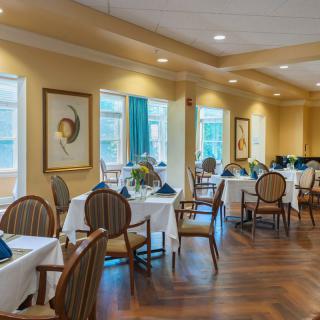
 Dining room
 Fully furnished
 Garden
 Housekeeping services
 Indoor common areas
 Move-in coordination
 Outdoor common areas
 Private
 Respite or short term stays offered
 Small library
 Telephone
 Wheelchair accessible showers
 Wi-Fi/high-speed internet available
 Baltimore-Washington International (13 miles away)
 24-hour supervision
 Ambulatory care
 Assistance with bathing
 Assistance with dressing
 Assistance with transfers
 Diabetes diet
 Diabetic care
 High acuity care
 Incontinence care
 Meal preparation and service
 Medication management
 Special dietary restrictions
 BBQs or picnics
 Birthday parties
 Day trips and outings
 Stretching classes

 Is Assisted Living Deductible on Your Taxes? Understanding the Complexities of Assisted Living Expenses and Deductions
 Assisted Living Support for Veterans: A Complete and Detailed Overview
 Exploring the Contrasts Between Assisted Living and Skilled Nursing