
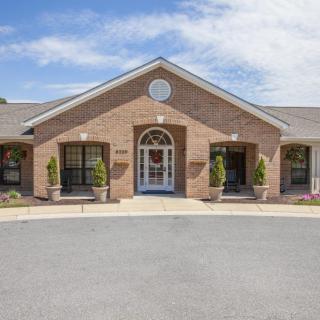
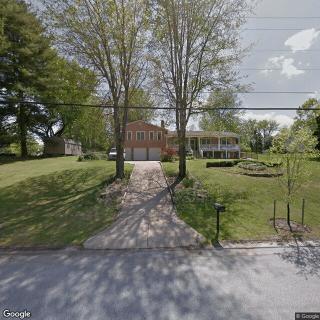
8732 Mary Lane, Jessup, MD 20794
For more information about senior living options: (866) 208-4318
Overall Review of A Wise Choice Assisted Living
Pros
 New Life's caregivers are loving and take the time to know residents personally, remembering their likes and dislikes.
 - The leadership ensures the house's needs are met and accommodates special requests for food and drinks.
- The leadership supports caregivers on a business level, with team meetings that keep everyone informed to provide the best possible care.
- Residents feel comfortable living at New Life, and their families feel comfortable as well.
- The experience includes attentive care, great meals, holiday celebrations, and welcoming visits.
- Loved ones are well cared for, kept clean, and even receive their favorite candies and desserts.
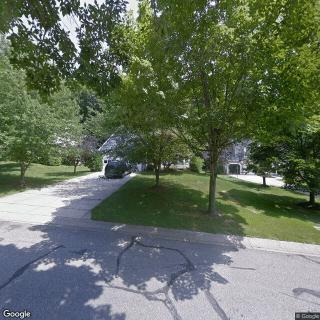
- The home is described as beautiful, with pleasant staff who treat residents like family, making it a highly recommended, family-owned facility.
Cons
 The previous assisted-living facility did not meet the reviewer's needs.
Review
This community is best suited for seniors who want a warm, home-like assisted living experience in Jessup, where a family-owned ethos, engaged caregivers, and strong leadership create daily continuity. It caters to residents who value personal attention over institutional polish, and who appreciate that staff take time to learn individual preferences, remember favorite foods, and tailor small daily choices to fit each life story. Families seeking a transparent, family-centered environment with regular opportunities for visits, holiday celebrations, and meals that feel like home will find a natural fit here.
That said, some families may want to consider alternatives if the care needed trends toward high-acuity medical supervision, memory-care challenges, or specialized rehabilitative services. The reviews describe a highly person-centered assisted-living setting, yet they do not signal on-site, advanced clinical programming or dedicated memory-care tracks. For residents requiring 24/7 nursing oversight, complex wound care, or intensive therapy regimens, a larger community with formal medical teams and memory-care design may better meet those demands. In short, this option excels in companionship and daily life support, but may fall short for highly clinical requirements.
The strongest pro, the genuine, sustained caregiver-resident connection, offsets potential drawbacks with impressive clarity. Caregivers are portrayed as loving, attentive, and well-attuned to individual likes and dislikes, which translates into a sense of safety and dignity for residents. Leadership is described as actively ensuring that both resident needs and staff needs are met, including regular team meetings that keep care consistent and informed. That combination of frontline warmth and administrative oversight creates reliability without sacrificing personalization, which is often the chief worry in smaller facilities. For families, that creates peace of mind about ongoing daily experience.
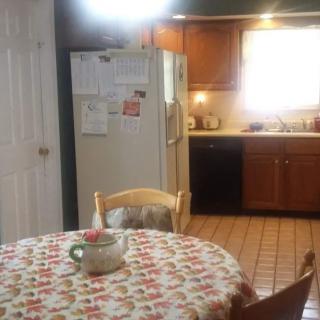
Another standout is the lived-in, home-like atmosphere reinforced by practical, everyday strengths. Meals are consistently described as good, with staff accommodating special requests for foods and drinks, and the environment supports family involvement through an open-door visitation culture and holiday celebrations. Cleanliness and a well-kept setting further reinforce comfort and pride in the community. These elements matter when balancing cost against quality of life; they translate into tangible daily satisfaction that many families cannot quantify until they see a resident thriving in a familiar routine, with staff who remember birthdays, favorite desserts, and personal stories.
The family-owned nature emerges as a meaningful differentiator. Residents and families repeatedly note pleasant staff, a tone of genuine care, and a sense that loved ones are treated like family. This trust-building aspect often accelerates comfort for new arrivals, who may be anxious about moving from home. The social fabric, regular celebrations, personal attention, and a welcoming staff culture, acts as a compensating strength where more clinical options might feel sterile or transactional. In practice, that means decisions hinge less on flashy amenities and more on daily lived experience: does the resident wake up to familiar faces, trustworthy routines, and a community that asks about their day?
For families deciding where to place a loved one, the practical takeaway is clear. If the priority is a warm, engaged environment with staff who know residents well, supported by leadership that prioritizes both care and team stability, this setting stands out as a strong choice. If, however, the decision centers on access to advanced medical services, memory-care specialization, or intensive rehabilitation within the same community, alternatives with dedicated clinical programs will likely serve better. Prospective residents should schedule direct observations, watch how staff interact with residents, note whether dietary needs are remembered without prompting, and assess whether the pace of daily life feels humane rather than hurried. The fit tends to be exceptional for the everyday life of aging in place; it is less aligned with peers who require robust clinical infrastructure.
 5 resident community capacity
 Assisted Living
 Cable or satellite TV
 Dining room
 Fully furnished
 Garden
 Housekeeping services
 Move-in coordination
 Outdoor space
 Telephone
 Wi-Fi/high-speed internet available
 Baltimore-Washington International (8 miles away)
 24-hour supervision
 Activities of daily living assistance
 Assistance with bathing
 Assistance with dressing
 Assistance with transfers
 Diabetes diet
 Meal preparation and service
 Medication management
 Special dietary restrictions
 Transportation arrangement (medical)
 Transportation to doctors appointments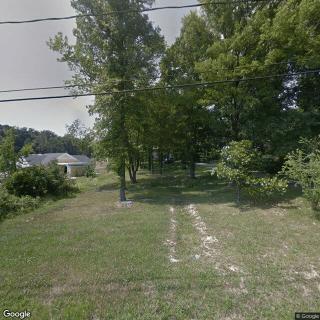

 Assisted Living Expenses and Long-Term Care Insurance: A Comprehensive Exploration
 Securing Financial Support for Assisted Living: A Comprehensive Overview
 Social Security Benefits and Assisted Living: Navigating Options Across the U.S.