
25 Greenapple Court, Woodlawn, MD 21207
For more information about senior living options: (866) 208-4318
Splendid Home Care II Costs & Pricing
At Splendid Home Care II, the monthly cost for a private room is $2,800, which positions it as an attractive option compared to the broader market. In Baltimore City, similar accommodations average around $3,729, while across the state of Maryland, the costs can rise to approximately $4,112. This notable difference highlights Splendid Home Care II's commitment to providing quality care at a more accessible price point within the region. The facility offers a welcoming environment that prioritizes comfort without compromising on essential services.
| Floor plans | Splendid Home Care II | Baltimore city | Maryland |
|---|---|---|---|
| Private | $2,800 | $3,729 | $4,112 |
Assisted Living communities with a similar price nearby
-
from +$400 / mo

Mumsey's Residential Care
$3,200 to $5,400 / month3.2 miles away -
from +$175 / mo
Gneale Home Care
$2,975 / month4.0 miles away -
from -$330 / mo
Ovalstone Comfort Home
$2,470 to $3,300 / month23.1 miles away -
from +$200 / mo
Residences at Vantage Point CCRC
$3,000 to $4,709 / month9.7 miles away -
from +$495 / mo
Brightview Westminster Ridge
$3,295 to $4,970 / month20.9 miles away
Overall Review of Splendid Home Care II
Pros
 The reviewer feels sympathy for the residents.
- The reviewer cares about the residents' well-being.
Cons
 Residents are distressed by caretakers blasting music.
- Residents must endure nearly daily noise from music and children playing in the yard.
- The constant loud music and activity are a nuisance to residents.
- The situation is upsetting for residents who have to tolerate the disruption.
Review
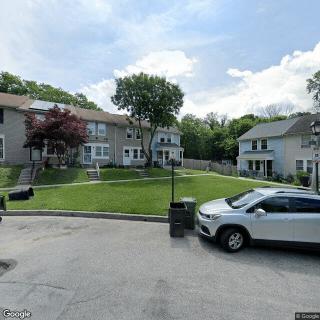
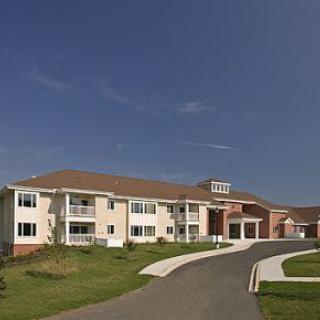
Splendid Home Care II in Woodlawn is best thought of as a low-cost, home-like option for residents whose care needs are modest and who can tolerate a busy, less structured environment. The community likely appeals to families that prioritize affordability and proximity to family support, and who are prepared to take an active role in monitoring daily routines, boundaries, and noise levels. It is not aimed at families seeking quiet, highly regulated programming, or residents requiring strong professional oversight and predictable schedules.
Those who should consider alternatives are families prioritizing quiet, predictable routines, and robust supervision. For residents with cognitive impairment, high medical needs, or a strong preference for a formal, professionally run setting, Splendid Home Care II may fall short. The combination of visible noise and a casual approach to yard activity suggests a environment that lacks the level of boundary protections, safety discipline, and consistent staffing families rely on when privacy, sleep, and predictable daily plans are paramount.
In weighing the short list of evident advantages against the main drawbacks, the lack of clearly documented positives cannot be ignored. If any upside exists, it would be the draw of a homelike, small-scale setting where caregivers may be more accessible on a day-to-day basis. However, that potential benefit is overwhelmed by repeated, tangible concerns: caregivers blasting music and frequent outside activity in the yard that intrudes on residentsā€™ quiet and peace. Without reliable noise control and consistent staff professionalism, the supposed intimate environment loses its value, and the overall experience becomes fragile and unpredictable.
Families evaluating this community should insist on a candid, in-person assessment focused on noise, safety, and staff conduct. During tours, probe the typical daily rhythm: what times are music played, and how often do children or visitors use the yard? Ask about quiet hours, resident privacy protections, and how staff respond when noise levels rise. Request to meet several caregivers and observe interactions with residents. Clarify staff-to-resident ratios, turnover rates, training standards, and how emergencies are handled. Crucially, demand examples of how concerns have been addressed and resolved in the past.
If the objective is a calm, supervised environment with consistent routines, Splendid Home Care II should not be the first choice. The warning signs, persistent loud music, frequent external activity near residents, and the absence of positive, corroborated feedback, point toward a higher likelihood of frustration and unrest for a resident who values steady programming. Alternatives should be weighed that offer quieter interiors, more structured daily schedules, and transparent management responsiveness. Budget considerations matter, but not at the expense of safety, sleep quality, and predictable care.
In the end, Splendid Home Care II is a practical pick only for families willing to accept a lively, informal setting and who actively participate in oversight. For anyone prioritizing quiet, consistent routines, strong boundaries, and reliable professional care, it is prudent to look elsewhere. A well-structured facility with visible commitment to resident comfort, staff stability, and disciplined activity management will outperform in important ways, reducing stress for both resident and family and delivering the peace of mind that reliable, dignified senior living requires.
 4 resident community capacity
 Assisted Living
 Cable or satellite TV
 Dining room
 Fully furnished
 Garden
 Housekeeping services
 Move-in coordination
 Outdoor space
 Telephone
 Wi-Fi/high-speed internet available
 Baltimore-Washington International (11 miles away)
 24-hour supervision
 Activities of daily living assistance
 Assistance with bathing
 Assistance with dressing
 Assistance with transfers
 Diabetes diet
 Meal preparation and service
 Medication management
 Special dietary restrictions
 Transportation arrangement (medical)
 Transportation to doctors appointments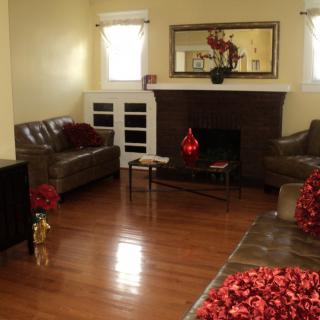
 Is Assisted Living Deductible on Your Taxes? Understanding the Complexities of Assisted Living Expenses and Deductions
 Assisted Living Support for Veterans: A Complete and Detailed Overview
 Exploring the Contrasts Between Assisted Living and Skilled Nursing