
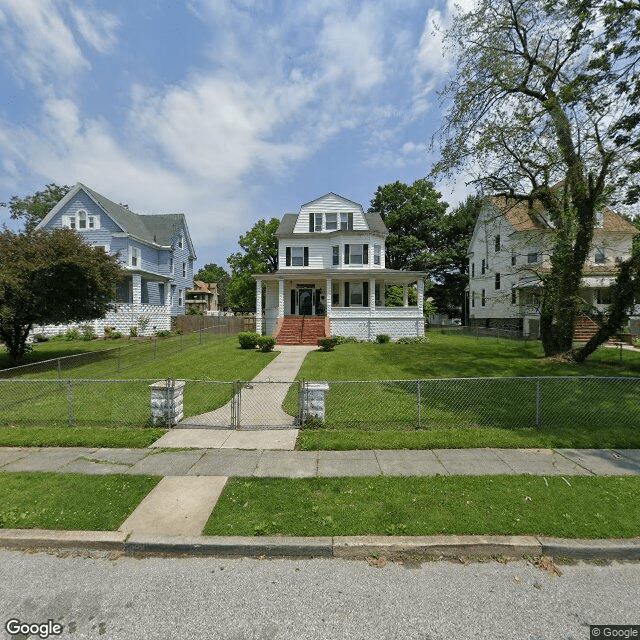
4202 Maine Ave, Baltimore, MD 21207
To contact a resident: (410) 367-5521
For more information about senior living options: (866) 208-4318
Almost Like Home, Inc Costs & Pricing
At Almost Like Home, Inc, the monthly costs for room types are notably competitive compared to both Baltimore city and Maryland state averages. For a semi-private room, residents enjoy a monthly rate of $2,500, which is significantly lower than the city average of $3,116 and the state average of $3,545. Similarly, for a private room, Almost Like Home offers a rate of $3,500, also more affordable than the city's average of $3,729 and the state's average of $4,112. This pricing structure not only emphasizes Almost Like Home's commitment to providing accessible care but also highlights its value within the broader context of residential care costs in the region.
| Floor plans | Almost Like Home, Inc | Baltimore city | Maryland |
|---|---|---|---|
| Semi-Private | $2,500 | $3,116 | $3,545 |
| Private | $3,500 | $3,729 | $4,112 |
Senior living communities with a similar price nearby
-
from +$475 / mo
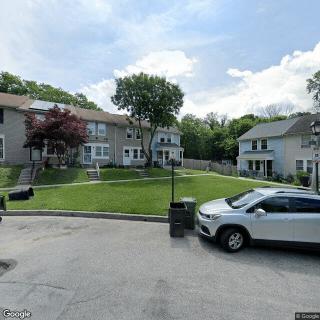
Gneale Home Care
$2,975 / month3.0 miles away -
from +$350 / mo

Cascadia Courts II, LLC
$2,850 / month24.8 miles away -
from +$200 / mo

Pat's Golden Girls
$2,700 to $3,200 / month5.5 miles away -
About the same
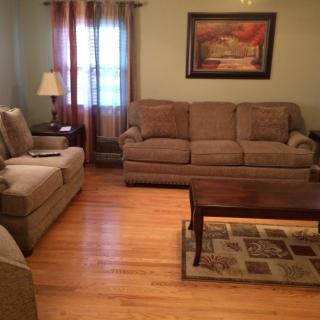
Ovalstone Comfort Home
$2,470 to $3,300 / month23.2 miles away -
from +$200 / mo
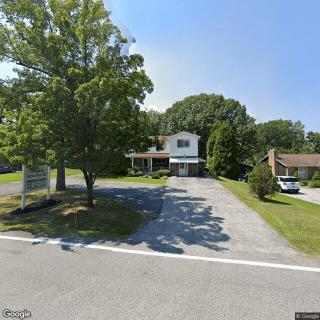
Angels Among Us
$2,700 to $7,000 / month17.7 miles away
Overall Review of Almost Like Home, Inc
Pros
 The staff are very nice and consistently dependable.
- They take great care of Aunt Monica.
- It is a home-like place that is clean, neat, and staffed by friendly people.
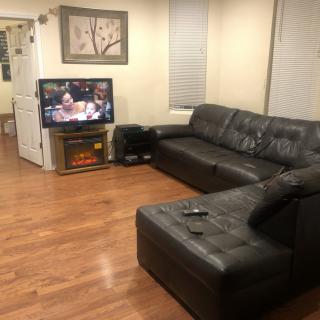
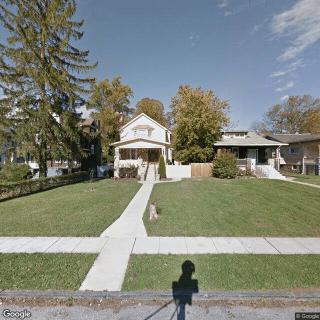
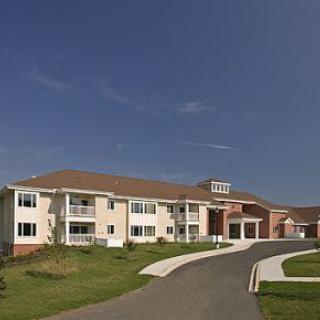
- The facility is clean, secure, and located in a nice neighborhood, with a porch, TVs, and a large dining area.
- They answer questions thoroughly and provide information about activities.
- The staff are professional, easy to talk to, and supportive, helping families coordinate remotely.
Cons
 They might be making things a little bland.
Review
Almost Like Home, Inc in Baltimore is best suited for seniors who want a truly home-like, neighborhood-feel environment with consistently reliable caregiving and straightforward, open communication with family. The reviews repeatedly spotlight staff you can count on, described as friendly, professional, and attentive to residents’ needs. The setting reinforces that sense of everyday normalcy: a secure, clean residence with a porch for outdoor time, a comfortable dining area, and common spaces that encourage easy socializing without the bustle of a larger campus. For families who value reassurance over spectacle, this community presents a credible, practical home solution where daily routines and personal attention carry the most weight.
Those weighing alternatives should consider what matters most in ongoing care. If the priority is highly specialized medical oversight, round-the-clock skilled nursing, or a broad, high-energy program calendar, this may not be the strongest fit. Meals and menus emerge as a potential trade-off in the reviews, food prepared at scale can feel bland to some residents, which matters for long-term satisfaction around dining. For families seeking expansive activity options, transportation services, or a campus with intense clinical resources, a larger facility with more defined medical programming could prove more suitable. In short, if clinical intensity and culinary variety are non-negotiable, alternatives deserve serious consideration.
The strongest positives, stable, compassionate staff, a clean and secure environment, and a genuine home-like vibe, work in tandem to offset the noted drawbacks. Consistency in staffing translates to dependable daily care and predictable routines, which reduces anxiety for both residents and families. Cleanliness and housekeeping appear meticulous, reinforcing safety and comfort; a porch and shared dining area support autonomy and social engagement without sacrificing security. Proximity to hospitals and the ability to select between nearby medical partners add a practical, risk-conscious layer for families worried about emergencies. This blend of warmth and reliability delivers real value when the central aim is peace of mind for long-term arrangements.
Equally important is the facility’s communication posture. Families report that staff are easy to talk to and responsive, with proactive information sharing, sometimes even supplying helpful materials like activity outlines in advance. The capacity to coordinate with remote relatives, as one family noted, reduces the burden of distance and makes ongoing involvement feasible. The combination of visible daily care and transparent interaction tends to cultivate trust, smoothing the way for joint care planning and timely updates about residents’ status. When these relational strengths meet residents’ preferences for a calm, predictable environment, the overall experience becomes sturdier than the limited cons would suggest.
The practical takeaway is clear: Almost Like Home is a sound pick for seniors who prize a homey, manageable setting where staff reliability and a clean, secure environment take center stage. The main trade-off, potentially bland meals and less emphasis on expansive, formal programming, does not undermine the core quality of daily life for many residents, especially when dietary preferences can be accommodated and activities tailored locally. Families who value easy access to care, a warm personal touch, and strong day-to-day supervision will likely feel confident in the choice. Those who need intensive clinical services or gourmet, chef-driven menus should systematically compare options to ensure those needs are met before committing.
In deciding, prioritize three questions: How flexible is the kitchen in accommodating dietary preferences and spice levels? What is the depth and variety of activities, and who leads them? And how seamless is care coordination when family members live out of state? If the answers favor customization, meaningful social engagement, and responsive communication, Almost Like Home offers a practical, reassuring pathway to senior living that aligns with a grounded, family-centered approach.
 Board and Care Home
 Activities off-site
 Air-conditioning
 Bath tubs
 Full kitchen
 Handicap accessible
 Indoor common areas
 Outdoor common areas
 Private
 Respite or short term stays offered
 Wi-Fi/high-speed internet available
 Baltimore-Washington International (11 miles away)
 Ambulatory care
 Diabetic care
 Incontinence care
 Medication management
 Meals provided
 BBQs or picnics
 Cards / pinochle club
 Day trips and outings
 Intergenerational programs
 Live dance or theater performances
 Live musical performances
 Resident band or musicians
 Visiting chaplain or priest
 Wii bowling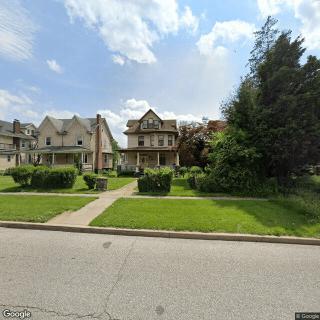
 Nurturing Our Elders: Linda's Journey of Supporting Her Mother
 A Comprehensive Exploration of Common Misunderstandings about Powers of Attorney
 Senior Move Management: Understanding the Role, Value, and Associated Costs