
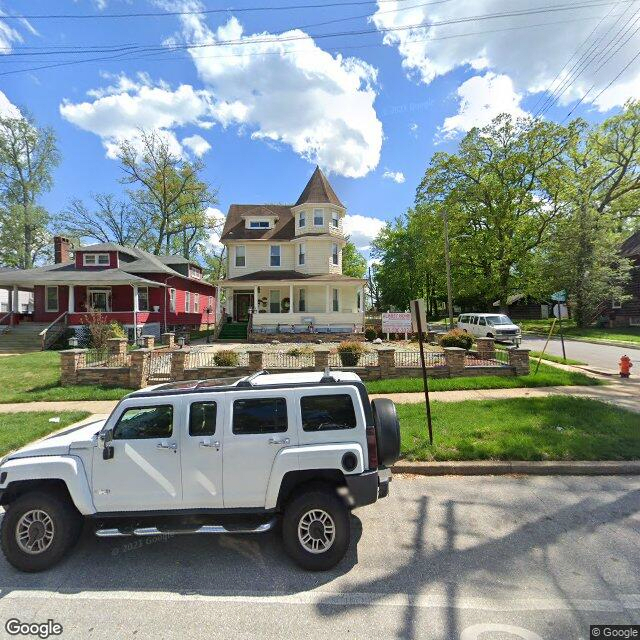
4813 Gwynn Oak Ave, Gwynn Oak, MD 21207
To contact a resident: (410) 448-9499
For more information about senior living options: (866) 208-4318
Almost Home II Assisted Living Inc Costs & Pricing
Almost Home II Assisted Living Inc offers competitive pricing for its residents compared to the broader market in Baltimore City and the state of Maryland. For those opting for a semi-private room, Almost Home II charges $2,000 per month, significantly lower than the city average of $3,116 and the state average of $3,545. Private rooms at Almost Home II are available for $2,500 per month, which again reflects a compelling value when juxtaposed with Baltimore City's average of $3,729 and Maryland's average of $4,112. This pricing structure not only highlights Almost Home II's commitment to making assisted living accessible but also underscores its focus on delivering quality care without compromising affordability.
| Floor plans | Almost Home II Assisted Living Inc | Baltimore city | Maryland |
|---|---|---|---|
| Semi-Private | $2,000 | $3,116 | $3,545 |
| Private | $2,500 | $3,729 | $4,112 |
Senior living communities with a similar price nearby
-
About the same
Mabel's House Assisted Living
$2,000 / month0.4 miles away -
About the same
Senior's Place
$2,000 to $2,500 / month24.8 miles away -
About the same
Young at Heart Assisted Living
$2,000 to $2,500 / month21.3 miles away -
from +$350 / mo
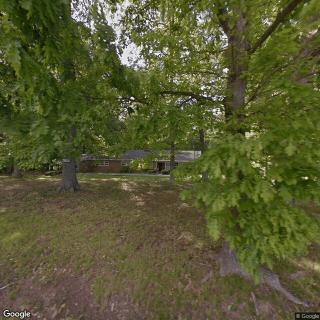
Ammahl Homes Inc
$2,350 / month23.5 miles away -
from -$300 / mo
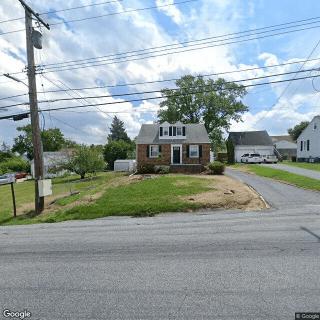
Moms & Pops Place
$1,700 to $2,000 / month9.6 miles away
Overall Review of Almost Home II Assisted Living Inc
Pros
 The move-in process went well.
- They have in-house doctors, which is great.
Cons
 The facility's communication is minimal, making it hard to contact residents.
- There are times when no one answers the phone or the door for visitors.
- Callback response times can be as long as 24 hours.
- Overall, the facility is not recommended to others.
- Residents are subjected to loud music from caretakers and daily yard noise from children.
Review
Almost Home II Assisted Living Inc in Gwynn Oak, MD is best suited for seniors who prize the convenience of on-site medical oversight and a straightforward move-in. The facility’s practical advantage is the presence of in-house doctors, which can simplify routine care and medication management for families who want one point of contact for medical needs. A smooth move-in process also reduces pre-transfer stress and helps establish routines quickly. That said, these benefits come with a fragile communication backbone: staff responsiveness is inconsistent, and families may struggle to reach anyone reliably. For a resident who can tolerate gaps in communication while taking advantage of on-site medical access, this community can be workable; for most families seeking steadiness in updates and coordination, the trade-offs are significant.
Alternatives are worth serious consideration for those who cannot live with uncertain communication. If dependable updates, rapid callback times, and transparent, accessible points of contact matter, other communities with stronger front-desk protocols will be a much safer match. Quiet, predictable days are another priority for many seniors, and the daily environment here can feel busier and louder due to yard activity and staff sound levels. In short, this community may work for a subset of residents who can tolerate a less responsive communications culture in exchange for convenient health oversight; for the majority seeking reliable communication and a calmer atmosphere, better options exist.
The most tangible pro, the on-site medical capability, does offset some risk, particularly for families looking to streamline health management and avoid constant coordination with external providers. It means routine appointments, quick visits, and easier medication oversight without chasing multiple offices. The move-in experience being smoother is another practical upside, easing the transition for both resident and family. Yet these positives are tempered by core cons: minimal, inconsistent communication and episodes of unanswered calls or doors. Such gaps undermine safety and peace of mind, especially when health concerns arise or when families need timely updates about a loved one’s status. The audible environment adds another layer of challenge; if quiet and predictability are priorities, frequent music blasting and outdoor noise can erode daily comfort and sleep quality. In sum, the health access is legitimate value, but it does not fully counterbalance ongoing communication gaps and environmental noise.
Practically, families should enter with a clear checklist focused on communication and daily ambience. Ask for a designated liaison who handles all medical and family inquiries, and demand guaranteed callback windows and written protocols for updates. Seek a transparent line of sight into the facility’s emergency procedures and who is responsible for rapid response. Assess whether there is a consistent staff-to-resident ratio during peak hours and whether aides are assigned to individuals for continuity. Clarify noise controls, quiet hours, and how yard activities are scheduled and supervised. Tour the premises at different times to gauge real-world noise levels and interactions, and request candid references from current residents or families about responsiveness and daily living. These probes separate a care plan that merely exists from one that truly supports dependable, resident-centered living.
During any visit, pressure-test the practicalities that matter most: how quickly messages are returned, who answers the phone, and what the process is for notifying families of changes in health status. Seek concrete examples of how medical needs are coordinated on weekends or in the evening. Confirm whether landline access is available and how many channels staff monitor for family contact. Ensure there is a reliable escalation path if responsiveness remains an issue after move-in. Also verify the norms around noise, whether there are enforceable quiet hours and whether outdoor activity schedules respect residents’ rest. The right answers will reveal whether the facility can deliver steady care alongside its medical advantages, or whether persistent communication lapses will continually erode trust.
Bottom line: this community is not a strong fit for families that equate care quality with reliable communication and a calm living environment. The on-site medical presence is a real plus, but it cannot compensate for frequent communication gaps and a noisy daily rhythm. For most families seeking dependable updates, proactive staff availability, and a peaceful setting, exploring alternative communities with clearer policies and quieter atmospheres is prudent. If on-site medical access is non-negotiable and the budget or location constrains choices, proceed only with a tightly defined service plan, explicit escalation steps, and strict expectations for staff responsiveness and environmental controls, while staying prepared to pivot if the reality on the ground fails to meet those promises.
 Board and Care Home
 Activities off-site
 Outdoor common areas
 Private
 Baltimore-Washington International (11 miles away)
 Diabetic care
 Incontinence care


 Caring for Those Who Care: Recognizing, Understanding, and Overcoming Caregiver Burnout
 Caregiver Exhaustion: Recognizing the Signs and Restoring Your Well-Being
 Understanding Hospice Care at Home: Comprehensive Services, Key Benefits, and Eligibility