
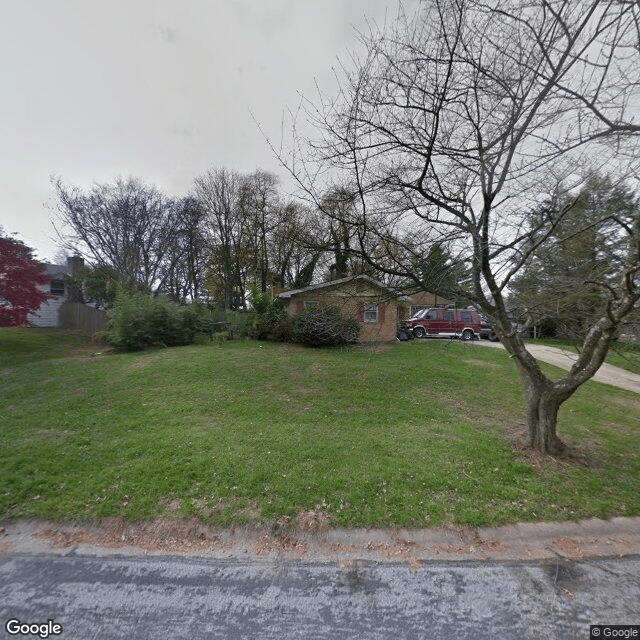
11332 Rambling Rd, Gaithersburg, MD 20879
To contact a resident: (410) 867-1062
For more information about senior living options: (866) 208-4318
Overall Review of Golden Age Retirement Home
Pros
 The room sizes, excellent staff and activities, dining quality, and fellow residents make it the top choice among the 14 facilities toured.
- Kindley Assisted Living provides respite care that is a perfect solution, with residents cared for and pampered and families able to be away with peace of mind.
- The staff are warm, attentive, and genuinely care about residents, creating a real sense of community.
- Families feel confident that their loved ones are safe and well cared for at Kindley.
- The caregivers, administrators, and staff are amazing; they remember residents and visiting family by name, which builds trust.
- The dining experience is outstanding, and the environment offers engaging activities that keep residents connected.
- Kindley fosters a warm, generous, and committed atmosphere that feels like home.
- Residents stay active and engaged with a variety of events, such as field trips, balloon volleyball, and bingo.
Cons
 The reviewer states that the mother had a terrible experience there.
- An orderly allegedly did not administer a prescribed pain pill and reacted angrily when questioned, leaving the mother in pain all night.
- The reviewer suspects that a staff member took and sold the pain pill.
- The reviewer would never take her mother back to Asbury.
Review
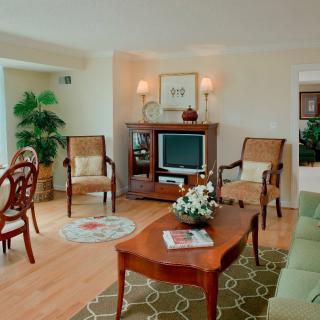
Golden Age Retirement Home in Gaithersburg is most appropriate for seniors who want an assisted-living environment that feels like a connected, lively community, and for families that prioritize hands-on caregiving, a strong sense of safety, and abundant programming. This is a campus-style setting where residents are not just housed but engaged: generous room sizes, bright common spaces, and parkland views create a home-like backdrop, while a steady stream of activities, outings, and social events keeps days purposeful. For families needing reliable daily care, visible staff commitment, and reassurance that their loved one is part of a caring circle, this community generally delivers with persuasive confidence.
Alternatives are worth weighing for several reasons. First, cost and value can be meaningful considerations, especially if a tighter budget is in play or if long-term stay expectations vary. Second, for families with a loved one who requires highly specialized memory-care programming or intensive rehab oversight, other options within Gaithersburg’s broader senior-care landscape may provide more targeted support. Third, the campus’s size and breadth, while a strength, can feel overwhelming to some residents who prefer a more intimate setting or a quieter pace. In those scenarios, smaller communities or facilities with a more compact footprint may be the better fit.
The strongest pros align with what families most often crave: staff who are warm, attentive, and genuinely invested in residents’ well-being; a robust calendar of activities that includes regular outings, games, and social events; and dining that earns praise for quality and variety. Reviewers consistently highlight caregivers who remember residents’ names, engage with families respectfully, and create a sense of belonging. The environment supports meaningful interaction, balloon volleyball, bingo, field trips, live entertainment, and spaces that invite conversation and connection. When safety and daily reassurance are paramount, these elements become hard to beat.
Where the narrative takes a cautious turn is in noting isolated concerns. A negative experience involving a rehab stay and a medication interaction underscores that no system is flawless, and it can shake trust in the moment. Such incidents are not described as the norm in the bulk of testimonials, but they should be weighed against the overall record of consistent warmth, safety, and accountability observed across multiple families. The presence of one troubling episode serves as a reminder to prospective families to ask pointed questions about medication protocols, incident reporting, and how staff handle high-stress medical scenarios, ensuring that safeguards are as visible as the affection and routine.
To translate these impressions into a practical decision plan, approach the admissions process with a concrete checklist. Request time with direct caregivers and floor staff to assess responsiveness and continuity of care. Seek a clear outline of daily schedules, activity calendars, and transportation for outings. Confirm dining options, meal customization, and residents’ feedback channels. Inquire about memory-care offerings or dementia-focused programs if cognitive decline is anticipated. Consider arranging a short-term respite stay or trial visit to observe how the milieu feels over a few days. Above all, talk to current residents and families, their candid insights often reveal the rhythm of life on campus more quickly than glossy brochures.
In the end, Golden Age Retirement Home stands out for families who prize a vibrant, engaged community with generous living spaces, attentive staff, and a dining-and-activities culture that makes daily life feel purposeful and safe. The blend of personalized care, resident camaraderie, and consistent warmth offers real peace of mind for most scenarios, especially when long-term daily support and social engagement are non-negotiables. If memory-care intensity, ultra-sparse environments, or tight budgeting are top priorities, exploring a narrower set of options or alternative campuses may be warranted. For those who want a home where staff feel like extended family and where life stays actively meaningful, the verdict is favorable.
 Washington Dulles International (19 miles away)
 Diabetic care
 High acuity care


 Understanding Home Health Care: A Comprehensive Guide
 Home Health Care Demystified: A Comprehensive Guide for Families and Caregivers
 Seniors and Modern Transportation: Exploring Uber, Lyft, and Other Ride-Hailing Options