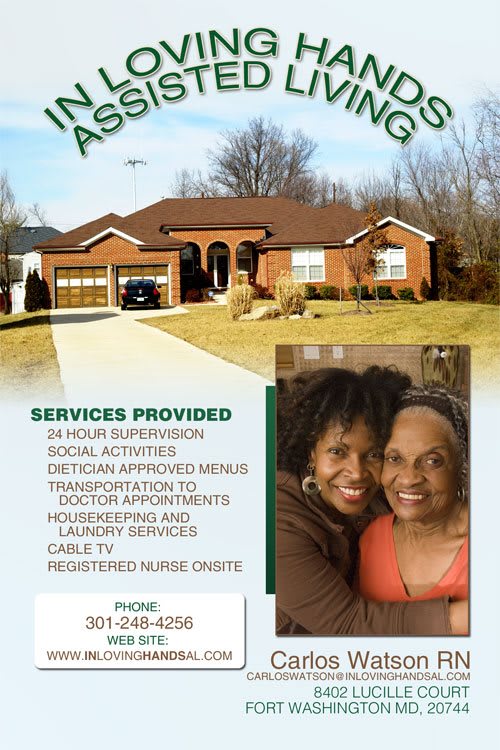

In Loving Hands in Fort Washington, MD

Save
In Loving Hands In Loving Hands

In Loving Hands in Fort Washington, MD

8402 Lucille Court, Fort Washington, MD 20744

For more information about senior living options: (844) 490-3973

3.8 from 13 reviews
5 stars
7
4 stars
2
3 stars
1
2 stars
1
1 stars
2

Assisted Living Board and Care Home Memory Care

In Loving Hands Costs & Pricing

In Loving Hands offers a range of accommodation options at competitive pricing compared to both Prince George's County and the broader Maryland state averages. For a semi-private room, the cost is $3,500, which is notably higher than the county average of $3,058 but slightly more affordable than the state average of $3,545. When it comes to studio units, In Loving Hands charges $3,750, significantly undercutting the county rate of $4,428 and the state's $4,656. Lastly, their private rooms are priced at $5,500; while this is above Prince George's County's average of $3,792 and Maryland's overall average of $4,112, it reflects the premium services and amenities offered by In Loving Hands. Overall, these figures highlight a strategic approach to pricing that balances quality care with affordability across different living arrangements.

Floor plansIn Loving HandsPrince George's CountyMaryland
Semi-Private$3,500$3,058$3,545
Studio$3,750$4,428$4,656
Private$5,500$3,792$4,112

Overall Review of In Loving Hands

Pros

  • pro The staff is caring, knowledgeable, and compassionate.
  • pro It's a home away from home.
  • pro The Director and staff were compassionate and knowledgeable from the start.
  • pro The staff is very personable and makes residents feel welcome.
  • pro The home is cozy and clean.
  • pro The facility is clean and well kept, with friendly and helpful staff.
  • pro The staff made residents comfortable during their last days.
  • pro The meals are good and residents are well cared for.

Cons

  • pro The reviewer would not recommend this facility for anyone, describing the staff as cruel and disrespectful to their loved one and noting the lack of air conditioning that left the resident suffering in the heat.
  • pro The reviewer described the facility as a dumpy place to leave a loved one.
  • pro One reviewer cited the busy intersection/location near a lot of schools as the sole downside.
  • pro There is not much in the way of activities for residents.
  • pro There are limited activities offered, leaving residents with little to do.

Review

In Loving Hands Assisted Living in Fort Washington is best suited for families seeking a small, home-like care setting where residents receive intimate, hands-on attention. The reviews consistently describe a cozy, well-kept environment and staff who are caring, knowledgeable, and compassionate. This community tends to resonate with families who value personal connection, a residential feel over a hospital-like campus, and the sense that caregivers know residents by name. It especially suits seniors who benefit from steady, one-on-one interactions in a subdued, family-friendly atmosphere, and it appears to be a natural fit for memory-care needs where familiar routines and attentive staff create comfort and security.

Those who may want to consider alternatives include families prioritizing a robust activity calendar, broader social programming, or more opportunities for independence. A private apartment arrangement is not always available, which matters for couples or residents who want greater privacy. Heat management is uneven in at least one account, highlighting the need for careful room-by-room verification of climate control. More seriously, one review raises a strong red flag about cruelty and disrespect, a claim that necessitates thorough due diligence, current leadership oversight, and unambiguous corroboration before placing a loved one. For families that seek a facility with a wider array of services, larger campus life, or stronger safety assurances, alternatives may be preferable.

The core positives - small scale, genuine warmth from staff, cleanliness, and targeted dementia care - tend to offset most concerns for many residents. The intimate setting enables consistent caregivers to form meaningful relationships, which translates into timely assistance, better monitoring, and a sense of security for families. Cleanliness and a homey atmosphere recur in multiple accounts, reinforcing the impression that residents live in a comfortable, well-maintained space. Meals and daily routines appear to be competently managed, with caregivers who engage residents and involve families in meaningful ways. Yet these advantages can be overshadowed for families whose loved one requires more structured programming, more activities, or a consistent, institution-wide emphasis on climate comfort and safety.

Where the balance tilts depends on individual needs. If a resident thrives on quiet routines, personal attention, and dementia-focused care within a familiar, homelike environment, the pros strongly outweigh the cons. Conversely, if daily life needs include a challenging activity calendar, substantial opportunities for social engagement, or private living arrangements for couples, the drawbacks - limited programming, potential privacy constraints, and the occasional heat or accommodation mismatch - may become meaningful enough to prompt exploration of other options. The facility's strongest argument rests on the human factor: a staff that feels accessible, caring, and dependable can sustain a high quality of life even when other gaps appear.

During tours, families should scrutinize staff-resident interactions, ask for concrete details about memory-care practices, and verify current staffing levels and turnover. Inquire about room options, especially private apartments, and clarify whether a shared room is the norm for couples. Test climate control in several rooms on different floors and seasons, and request a sample activity calendar to assess whether the program aligns with the resident's interests and energy level. Speak with current residents and families about the consistency of care, food quality, and responsiveness to concerns. Ensure clear processes for complaint resolution and ongoing oversight so any red flags can be traced and addressed promptly.

The verdict is clear: In Loving Hands delivers a credible, compassionate, home-oriented option for seniors who value a small, intimate environment with strong caregiver relationships, particularly appealing to families managing dementia care. It is less suited for those who demand extensive daily programming, robust independent living, or private accommodations for couples. For the right resident, the combination of a clean, welcoming space and consistently caring staff can translate into meaningful daily life and genuine peace of mind for loved ones. To proceed, schedule a thorough on-site assessment, confirm private-room availability if needed, and evaluate how climate comfort, activity offerings, and safety practices align with specific care goals.

Features

Housing

  • 15 resident community capacity 15 resident community capacity

Types of Care

  • Assisted Living Assisted LivingAssisted living facilities provide crucial support and care for seniors who may need help with daily tasks such as medication management, bathing, and meal preparation. These communities offer a safe and comfortable environment where seniors can maintain their independence while receiving the assistance they need to thrive in their golden years.
  • Board and Care Home Board and Care HomeBoard and care homes provide a smaller, more intimate setting for seniors who require assistance with daily tasks but do not need the level of care offered by a nursing home. They offer personalized care, meals, and social activities in a homelike environment, ensuring that seniors receive individualized attention and support in their golden years.
  • Memory Care Memory CareMemory care is crucial for seniors as it provides specialized support and services for individuals with dementia or Alzheimer's disease. These programs offer a safe and secure environment where residents receive personalized care, cognitive stimulation, and help with daily activities. Memory care helps seniors maintain their independence, quality of life, and dignity while also providing peace of mind for their families.

Amenities

  • Activities on-site Activities on-siteActivities on-site are important for seniors because they provide opportunities for socialization, mental stimulation, physical activity, and overall well-being. Engaging in activities can help seniors stay active, maintain their independence, and improve their quality of life.
  • Bath tubs Bath tubsBath tubs are important for seniors because they provide a safe and relaxing way to bathe, helping to prevent slips and falls while promoting independence and overall well-being.
  • Beautician on-site Beautician on-siteHaving a beautician on-site at a senior living community is important for seniors as it allows them to easily access grooming and personal care services, boosting their self-esteem and overall well-being. It also provides convenience and helps seniors maintain their sense of independence and personal style.
  • Cable or satellite TV Cable or satellite TVCable or satellite TV is important for seniors because it provides entertainment, news, and companionship, helping to combat loneliness and boredom. It also offers a wide range of programming options tailored to different interests and preferences.
  • Devotional services off-site Devotional services off-siteDevotional services off-site are important for seniors as they provide spiritual nourishment, social engagement, and a sense of community outside of the senior living facility. This can enhance overall well-being and help combat feelings of isolation and loneliness often experienced by older adults.
  • Devotional services on-site Devotional services on-siteDevotional services on-site provide seniors with spiritual support and a sense of community, as well as an opportunity for reflection and guidance during their senior living experience. This can promote emotional well-being and connection to others, leading to a more fulfilling and enriching lifestyle in their later years.
  • Dining room Dining roomDining rooms are important for seniors as they provide a space for socialization, connection, and nutritious meals. They offer opportunities for residents to bond over shared meals, foster a sense of community, and promote healthy eating habits. Dining rooms also ensure that seniors have access to well-balanced meals tailored to their dietary needs and preferences.
  • Fully furnished Fully furnishedFully furnished senior living communities are important for seniors because they provide convenience, comfort, and a hassle-free moving experience. Seniors can easily settle into their new living space without the stress of having to buy and move furniture. This allows them to focus on enjoying their new home and community.
  • Garden GardenGardens are important for seniors as they provide a peaceful and therapeutic environment for relaxation, physical activity, and socialization. Being in nature has been shown to reduce stress, improve mood, and promote overall well-being. Gardens also offer opportunities for seniors to engage in gardening activities, which can improve mobility, flexibility, and cognitive function. Additionally, gardens create a sense of community and connection with others who share a passion for plants and outdoor spaces.
  • Housekeeping services Housekeeping servicesHousekeeping services are important for seniors because they help maintain a clean and safe living environment, promote independence, and reduce the risk of accidents or illnesses. Additionally, having assistance with household chores can alleviate physical strain and allow seniors to focus on other aspects of their well-being.
  • Indoor common areas Indoor common areasIndoor common areas are crucial for seniors as they provide a space for socialization, recreation, and community engagement, promoting overall well-being and reducing feelings of isolation and loneliness.
  • Move-in coordination Move-in coordinationMove-in coordination is important for seniors because it helps ease the transition into their new living environment. It ensures that all logistics, such as packing, organizing movers, and setting up utilities are taken care of, allowing seniors to focus on settling in and adjusting to their new home. Having a smooth move-in process can alleviate stress and anxiety, making the transition smoother and more enjoyable for seniors.
  • Outdoor common areas Outdoor common areasOutdoor common areas are important for seniors as they provide a space for socialization, physical activity, and relaxation. Being outside in nature can improve mood and overall well-being, while also encouraging movement and engagement with others. These spaces can help combat feelings of isolation and promote a sense of community among residents.
  • Outdoor space Outdoor spaceOutdoor spaces are important for seniors as they provide opportunities for physical activity, social interaction, exposure to natural light and fresh air, and a sense of connection to nature. Having access to outdoor spaces can improve overall well-being and quality of life for older adults living in senior communities.
  • Private PrivatePrivacy is important for seniors as it allows them to maintain their independence, dignity, and sense of control over their own lives. It also gives them the space and freedom to relax, reflect, and engage in activities that bring them joy and fulfillment. Creating private spaces within senior living facilities is crucial for promoting overall well-being and quality of life.
  • Respite or short term stays offered Respite or short term stays offeredRespite or short term stays provide seniors with a temporary solution when their regular caregiver is unavailable, offering them the opportunity to receive additional care and support during times of need, while also giving caregivers a chance to rest and recharge.
  • Swimming pool / hot tub Swimming pool / hot tubSwimming pools and hot tubs are important for seniors as they provide a safe and enjoyable way to stay active, improve mobility, reduce joint pain, and promote relaxation. Regular use of these amenities can contribute to overall well-being and quality of life for older adults living in senior communities.
  • Telephone TelephoneTelephones are important for seniors as they provide a lifeline for communication with loved ones, emergency services, and healthcare providers. They offer a sense of security and independence, enabling seniors to stay connected and access assistance when needed.
  • Wheelchair accessible showers Wheelchair accessible showersWheelchair accessible showers are crucial for seniors as they provide a safe and independent bathing option for those with mobility challenges. These showers help prevent falls and allow seniors to maintain their dignity and autonomy while ensuring they can bathe comfortably.
  • Wi-Fi/high-speed internet available Wi-Fi/high-speed internet availableWi-Fi/high-speed internet is important for seniors to stay connected with loved ones, access online resources, and participate in virtual activities to combat feelings of loneliness and isolation. It also allows them to easily manage healthcare needs, access entertainment, and engage in lifelong learning opportunities.

Transportation

  • Ronald Reagan Washington National (7 miles away) Ronald Reagan Washington National (7 miles away)

Care Services

  • 24-hour supervision 24-hour supervision24-hour supervision is important for seniors to ensure their safety, well-being, and access to immediate assistance in case of emergencies or health issues. This constant support provides peace of mind for both seniors and their loved ones, allowing them to age in place with dignity and security.
  • Activities of daily living assistance Activities of daily living assistanceActivities of daily living assistance are important for seniors because they provide essential support with tasks such as eating, bathing, dressing, and mobility. This assistance helps seniors maintain their independence, dignity, and overall quality of life as they age.
  • Assistance with bathing Assistance with bathingAssistance with bathing is crucial for seniors as it helps maintain personal hygiene, prevents infections, and ensures their overall well-being and comfort. It also provides a sense of dignity and independence for seniors who may struggle with this task on their own.
  • Assistance with dressing Assistance with dressingAssistance with dressing is important for seniors because it helps maintain their independence, promotes personal hygiene, prevents accidents and injuries, and improves overall quality of life. This service ensures that seniors can continue to dress comfortably and confidently, despite any physical limitations they may have.
  • Assistance with transfers Assistance with transfersAssistance with transfers is crucial for seniors as it helps prevent falls and injuries, maintains their independence, and ensures they can safely navigate their living environment. It also provides peace of mind for both seniors and their loved ones.
  • Coordination with health care providers Coordination with health care providersCoordination with health care providers is crucial for seniors to ensure proper medical care, medication management, and overall well-being. This collaboration helps prevent overlapping treatments, track progress more effectively, and provide comprehensive support tailored to individual needs.
  • Diabetes diet Diabetes dietA diabetes diet is crucial for seniors as it helps manage blood sugar levels, reduce risks of complications, and improve overall health and well-being. By following a balanced and nutritious diet tailored to their specific needs, seniors can better control their diabetes and enhance their quality of life.
  • Diabetic care Diabetic careDiabetic care is crucial for seniors as they are more susceptible to developing diabetes due to aging and other health conditions. Proper management of diabetes can help prevent complications such as heart disease, vision loss, and nerve damage, improving the overall quality of life for seniors in senior living communities.
  • High acuity care High acuity careHigh acuity care is important for seniors because it provides specialized medical attention and support for individuals with complex medical needs. This level of care ensures that seniors receive the appropriate treatment and assistance to maintain their health and quality of life as they age.
  • Incontinence care Incontinence careIncontinence care is essential for seniors to maintain their dignity, hygiene, and overall quality of life. By addressing incontinence issues promptly and effectively, seniors can enjoy a sense of independence and comfort in their daily activities.
  • Meal preparation and service Meal preparation and serviceMeal preparation and service are crucial for seniors as they may have limited mobility or energy to cook nutritious meals. Having access to healthy and convenient food options can ensure they are getting the proper nutrition needed to maintain their overall health and well-being.
  • Medication management Medication managementMedication management is crucial for seniors to ensure they are taking the right medications at the correct dosages and times. This helps prevent adverse drug interactions, reduces the risk of medication errors, and promotes overall health and well-being. Proactive management also allows for adjustments as needed based on changing health conditions or new prescriptions.
  • Special dietary restrictions Special dietary restrictionsSpecial dietary restrictions are important for seniors because age-related changes in metabolism and health conditions can make it difficult for their bodies to process certain foods. By following a diet tailored to their specific needs, seniors can maintain their overall health and well-being, manage chronic conditions, and reduce the risk of complications such as malnutrition or food interactions with medications.
  • Transportation arrangement (medical) Transportation arrangement (medical)Transportation arrangements for medical purposes are essential for seniors as they may have difficulty driving themselves to appointments or accessing public transportation. Having reliable and safe transportation options ensures that seniors can receive timely medical care and maintain their health and well-being.
  • Transportation to doctors appointments Transportation to doctors appointmentsTransportation to doctors' appointments is crucial for seniors as it ensures they have access to necessary medical care and support for their health needs. Without reliable transportation, seniors may struggle to attend important appointments, leading to potential delays in treatment and health complications. Providing transportation services helps seniors maintain their overall well-being and quality of life.
Dining

  • Diabetes diet Diabetes dietA diabetes diet is crucial for seniors as it helps manage blood sugar levels, reduce risks of complications, and improve overall health and well-being. By following a balanced and nutritious diet tailored to their specific needs, seniors can better control their diabetes and enhance their quality of life.
  • Meals provided Meals provided"Meals provided" are crucial for seniors in assisted living communities as it ensures they have access to nutritious, balanced meals without the stress of meal planning and preparation. This can help promote overall health and well-being for seniors who may have limited mobility or cognitive abilities.
  • Special dietary restrictions Special dietary restrictionsSpecial dietary restrictions are important for seniors because age-related changes in metabolism and health conditions can make it difficult for their bodies to process certain foods. By following a diet tailored to their specific needs, seniors can maintain their overall health and well-being, manage chronic conditions, and reduce the risk of complications such as malnutrition or food interactions with medications.

Activities

  • Activities on-site Activities on-siteActivities on-site are important for seniors because they provide opportunities for socialization, mental stimulation, physical activity, and overall well-being. Engaging in activities can help seniors stay active, maintain their independence, and improve their quality of life.
  • Community-sponsored activities Community-sponsored activitiesCommunity-sponsored activities are important for seniors as they provide opportunities for social interaction, mental stimulation, and physical activity. These activities can help improve overall well-being, combat loneliness and isolation, and promote a sense of belonging and purpose among older adults.
  • Devotional activities offsite Devotional activities offsiteDevotional activities offsite are important for seniors because they provide social engagement, spiritual growth, and a sense of community outside of their living environment. This can improve overall well-being, mental health, and combat feelings of isolation or loneliness.
  • Devotional activities on-site Devotional activities on-siteDevotional activities on-site provide seniors with a sense of community, spiritual fulfillment, and emotional support, promoting overall well-being and a positive sense of purpose in their lives.
  • Scheduled daily activities Scheduled daily activitiesScheduled daily activities are important for seniors because they provide structure, socialization, mental stimulation, and physical activity. Engaging in regular activities can improve overall well-being and quality of life for seniors living in a community setting.

Description

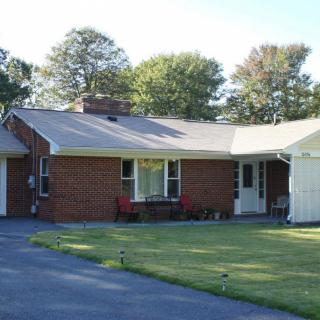
Located in Fort Washington, MD, In Loving Hands is an assisted living community that provides compassionate care for individuals who require assistance with daily activities and memory care. The community offers a comfortable and homely environment with various amenities to cater to the needs of its residents.

In Loving Hands offers a range of care services including assistance with bathing, dressing, transfers, and coordination with health care providers. The staff is well-trained to provide high acuity care and specialized diabetic care for those who need it. Additionally, medication management and incontinence care are also available as part of their comprehensive care services.

Residents can enjoy delicious meals provided by the community's dining room, which can accommodate special dietary restrictions. The community also offers various activities to keep residents engaged and entertained. These include community-sponsored activities, devotional activities both on-site and off-site, and scheduled daily activities.

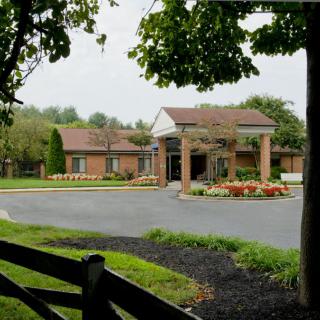
The amenities at In Loving Hands are designed for comfort and convenience. Fully furnished rooms ensure that residents feel at home, while amenities such as bath tubs, wheelchair accessible showers, cable or satellite TV, Wi-Fi/high-speed internet access, and telephone service allow for relaxation and connectivity. Additionally, the community features indoor common areas and outdoor spaces including a garden where residents can socialize or simply enjoy some fresh air.

In terms of location convenience, In Loving Hands boasts proximity to various establishments including two cafes nearby for outings or socializing opportunities. There are also eight pharmacies in close proximity for ease of medication access. Numerous restaurants offer dining options within reach, ensuring a variety of culinary experiences. Moreover, individuals seeking spiritual fulfillment will find one place of worship close by. For any medical needs that may arise, there is a hospital nearby as well.

In Loving Hands aims to provide not just quality care but also a warm and engaging lifestyle for its residents through its dedication to meeting their physical, emotional, and social needs within a supportive community setting.

Nearby Places of Interest

This part of Fort Washington, Maryland, offers a variety of amenities that cater to seniors looking for convenience and comfort. With several pharmacies, hospitals, and medical facilities nearby, residents can easily access healthcare services. Additionally, there are multiple restaurants, cafes, and parks within a short driving distance, providing opportunities for leisurely outings and social gatherings. The area also boasts easy access to transportation options such as metro stations and Amtrak for those who enjoy exploring the city or traveling. Overall, this neighborhood offers a well-rounded environment that prioritizes both health and enjoyment for seniors looking to settle in Fort Washington.

Restaurants

  • Hovermale's Taste Best (2.4 miles)
  • McDonald's (2.4 miles)
  • Bojangles' Famous Chicken 'n Biscuits (2.6 miles)
  • Hip Hop Fish & Chicken (3.1 miles)
  • McDonald's (3.2 miles)
  • TAP Sports Bar (3.4 miles)
  • McDonald's (3.4 miles)

Pharmacies

  • CVS Pharmacy (2.7 miles)
  • CVS Pharmacy (2.9 miles)
  • CVS Pharmacy (3.4 miles)
  • CVS Pharmacy (3.4 miles)
  • Walgreens (3.6 miles)
  • CVS Pharmacy (3.9 miles)
  • Walgreens (4.2 miles)

Cafes

  • Starbucks (3.5 miles)
  • Panera Bread (3.8 miles)
  • Mae's Market and Cafe (5.5 miles)
  • For Five Coffee (6.2 miles)
  • Junction Bakery & Bistro (6.5 miles)
  • Starbucks (6.9 miles)
  • Philz Coffee (7.4 miles)

Hospitals

  • MedStar Southern Maryland Hospital Center (4.5 miles)
  • St Elizabeths Hospital (5.4 miles)
  • Riverside Medical District Heights (6.2 miles)
  • Inova Mount Vernon Hospital (7 miles)
  • Inova Mount Vernon Hospital Emergency Room (7.1 miles)

Places of Worship

  • St Marys Catholic Church (4.9 miles)
  • Maryland Gospel Assembly (5.1 miles)
  • St Peter's School on Capitol Hill (7.9 miles)

Parks

  • Waterfront Park (5.1 miles)
  • Fort Hunt Park (6.6 miles)
  • L'Enfant Square (6.9 miles)
  • The Yards Park (7.3 miles)
  • Mellwood Park (7.7 miles)
  • Huntley Meadows Park (7.7 miles)
  • Gravelly Point Park (7.8 miles)

Transportation

  • Braddock Road Metro Station (6.1 miles)
  • King Street - Old Town Metro Station (6.2 miles)
  • Amtrak (6.3 miles)
  • Eisenhower Avenue Metro Station (6.6 miles)
  • TSA PreCheck (7 miles)
  • Terminal A (7 miles)
  • Delta Sky Club (7.2 miles)

Theaters

  • AMC Hoffman Center 22 (6.6 miles)

Physicians

  • Childrens Pediatricians (6.8 miles)
  • Patient First - Alexandria (6.8 miles)
  • Diagnostic Radiology (7.2 miles)
  • Telegraph Corner Family Medicine (7.2 miles)

Frequently Asked Questions

How much does it cost to live at In Loving Hands in Fort Washington, MD?
Where is In Loving Hands?
Does In Loving Hands provide care for residents with dementia or Alzheimer's disease?

Nearby Communities

  • Everlasting Springs LLC

    Everlasting Springs LLC

    Fort Washington, MD


    pro Diabetic care available with nearby pharmacies, dining, places of worship, and a hospital.

  • Amazing Life Assisted Living

    Amazing Life Assisted Living

    Fort Washington, MD

    4.8 from 8 reviews
    $4,000 to $6,000 / month

    pro Small, intimate setting with attentive staff and personalized care.

  • Eby Health Services V

    Eby Health Services V

    Fort Washington, MD


    pro Fully furnished apartments with 24/7 supervision and comprehensive care.

  • Eby Health Services IV

    Eby Health Services IV

    Fort Washington, MD


    pro Small, home-like ALF with diabetes-friendly meals and 24-hour support.

  • Jobean Assisted Living

    Jobean Assisted Living

    Fort Washington, MD


    pro Small, intimate community with comprehensive care and amenities (meals, housekeeping, transportation, and activities).

  • Kekeli'S Home For Seniors

    Kekeli'S Home For Seniors

    Fort Washington, MD


    pro Comprehensive care: 24-hour supervision, medication/diabetes support, transport, dining and activities.

  • Future Care Pineview

    Future Care Pineview

    Clinton, MD

    3.7 from 120 reviews
     

    pro Some staff provide excellent clinical care in a clean, friendly environment.

  • Autumn Lake Healthcare at Bradford Oaks

    Autumn Lake Healthcare at Bradford Oaks

    Clinton, MD

    4.4 from 103 reviews
     

    pro Caring staff with engaging activities and on-site dialysis/therapy.

  • Paul Spring Retirement Community

    Paul Spring Retirement Community

    Alexandria, VA

    4.8 from 167 reviews
    $3,350 to $7,180 / month

    pro Friendly, attentive staff in a well-maintained community with engaging activities and restaurant-style dining.

Related Resources

  • dementia behaviorsUnderstanding Dementia Behaviors: Practical Insights and Strategies for Caregivers

    Dementia affects memory and cognitive function in older adults, presenting challenges for caregivers due to behavioral changes such as confusion and mood swings. Compassionate, person-centered care that considers individual history and preferences, along with effective communication and environmental modifications, is essential for supporting both patients and their caregivers.

  • dementia and angerWhen Dementia Sparks Anger and Aggression: Understanding the Connection and Ways to Cope

    Dementia leads to cognitive impairment and can cause emotional and behavioral changes, including aggression that arises from frustration, confusion, or fear. Effective coping strategies for caregivers include understanding dementia's nature, recognizing triggers, using empathetic communication, and employing non-pharmacological interventions like music and art therapy.

  • dementia behaviorsDementia Behaviors: In-Depth Understanding and Effective Coping Strategies

    Dementia causes cognitive decline and challenging behaviors that caregivers must manage, necessitating an understanding of the neurological basis of these issues. Effective strategies and self-care for caregivers can enhance support for those with dementia and improve their daily lives.