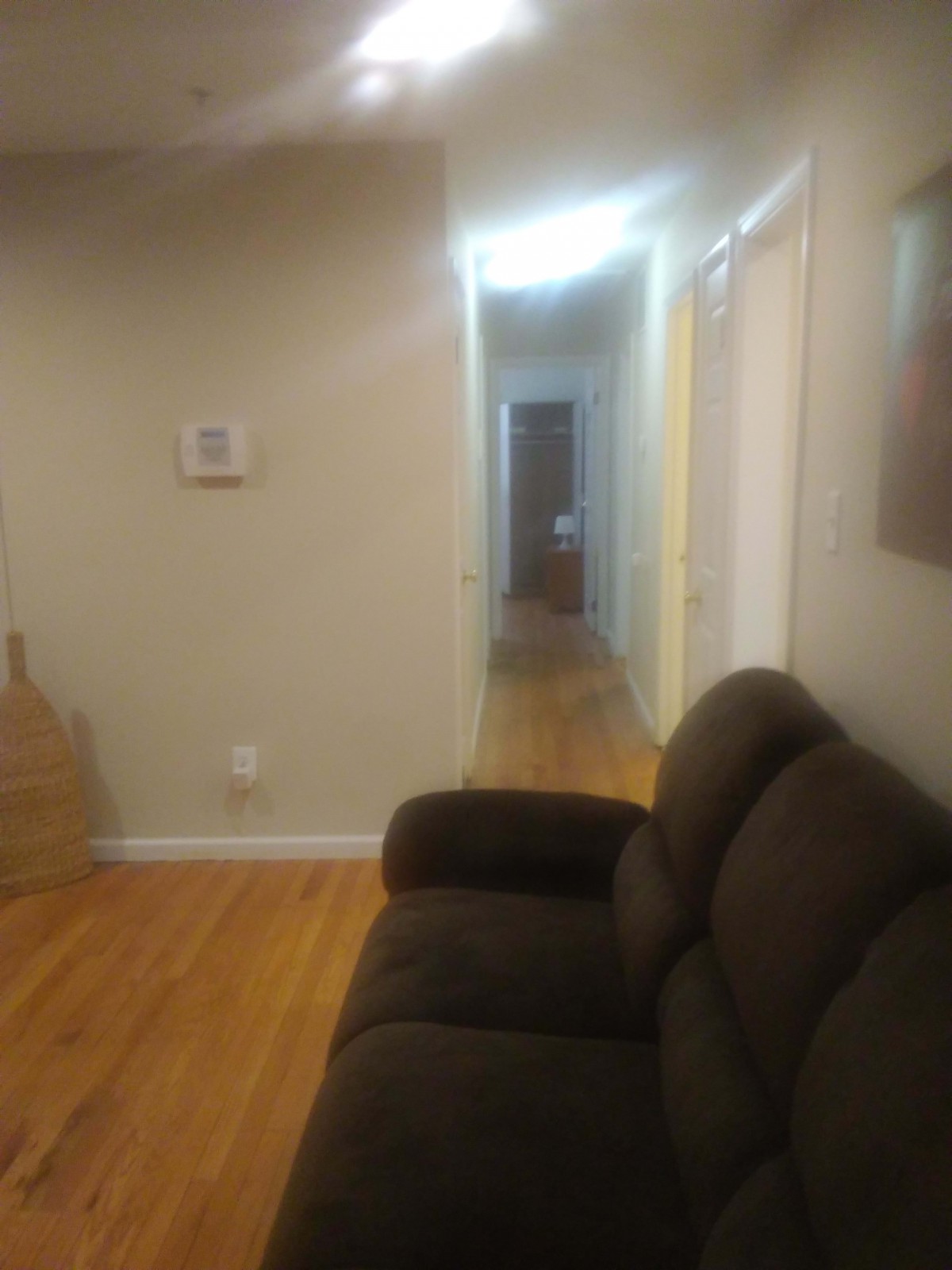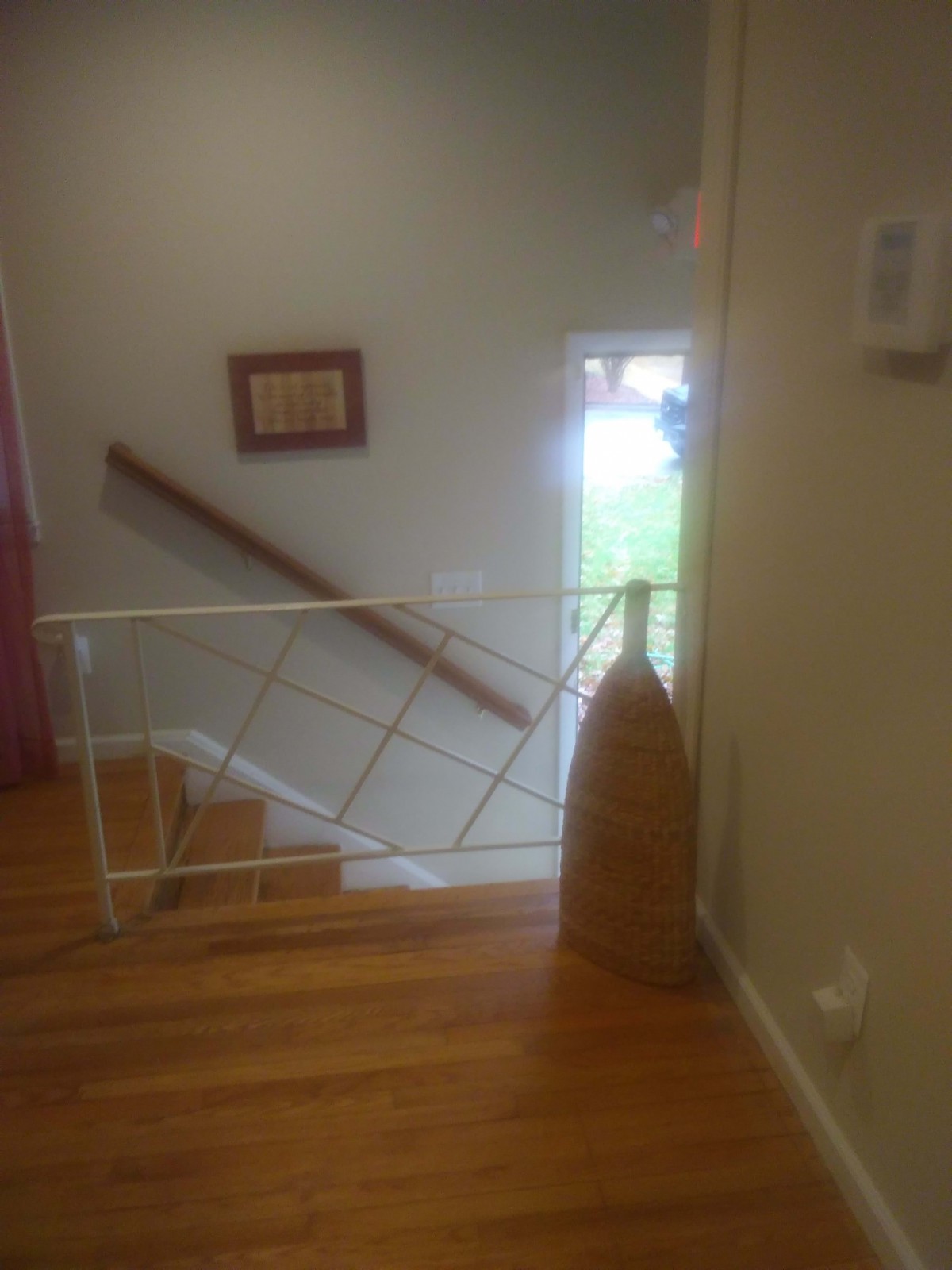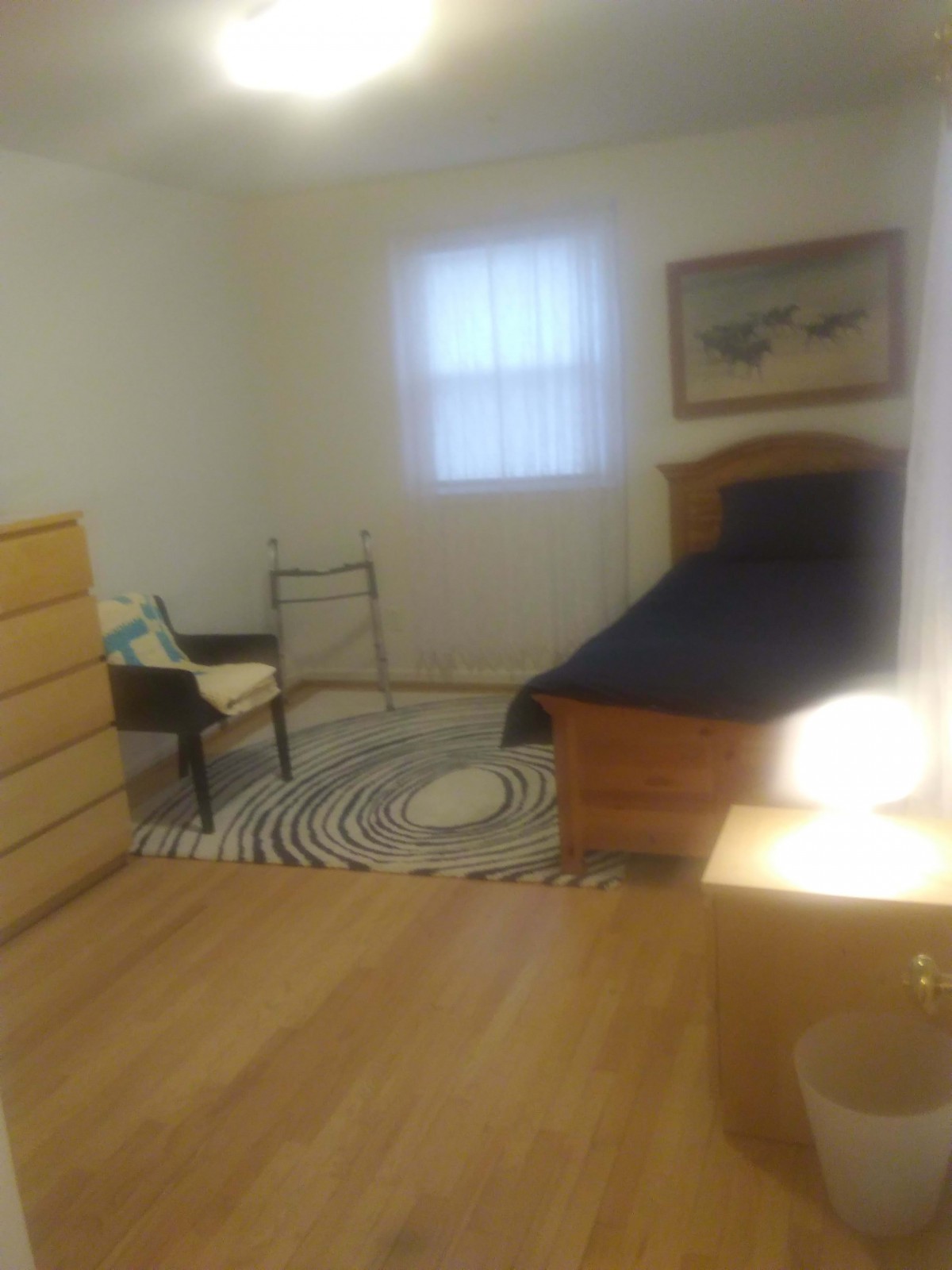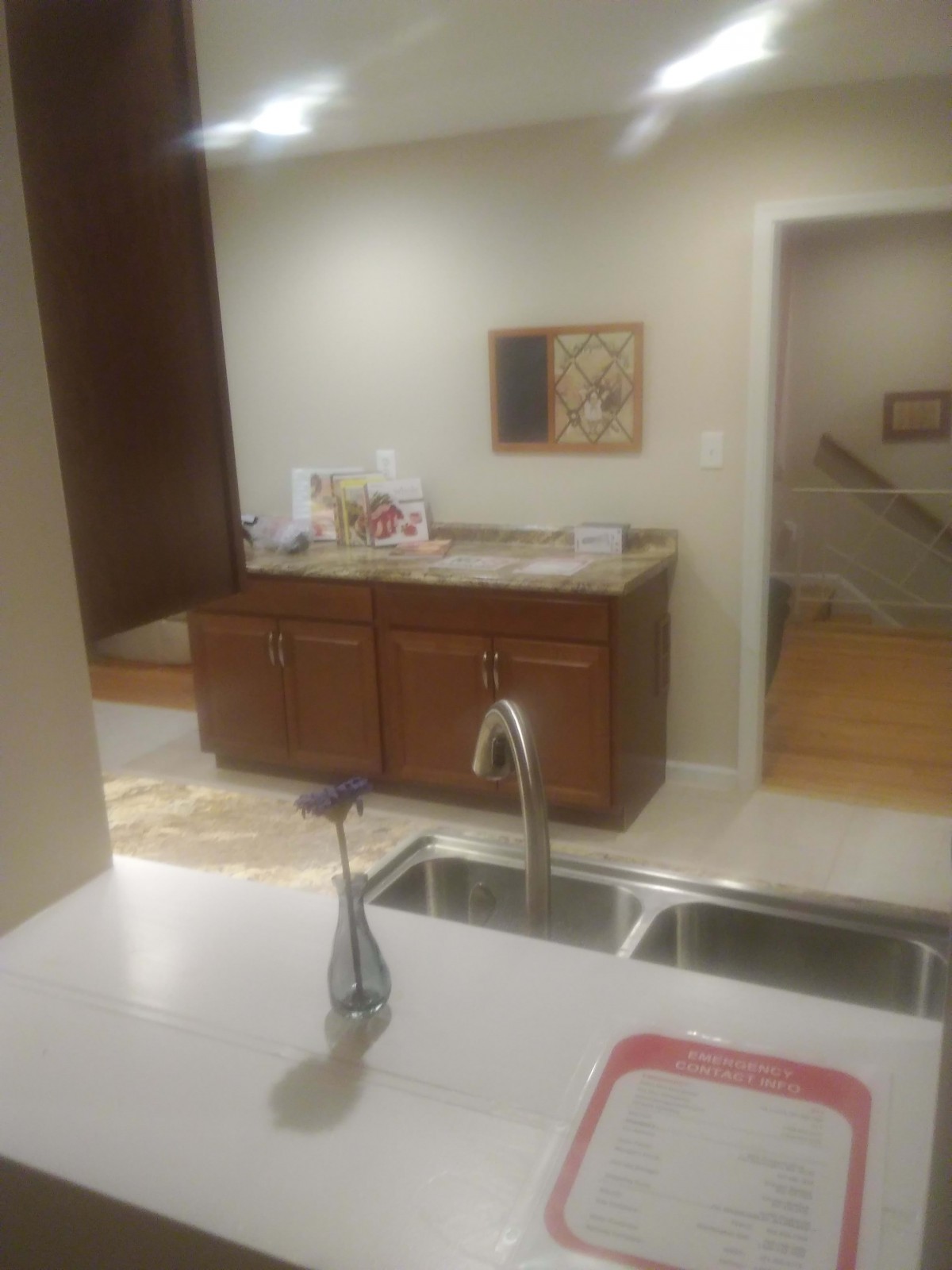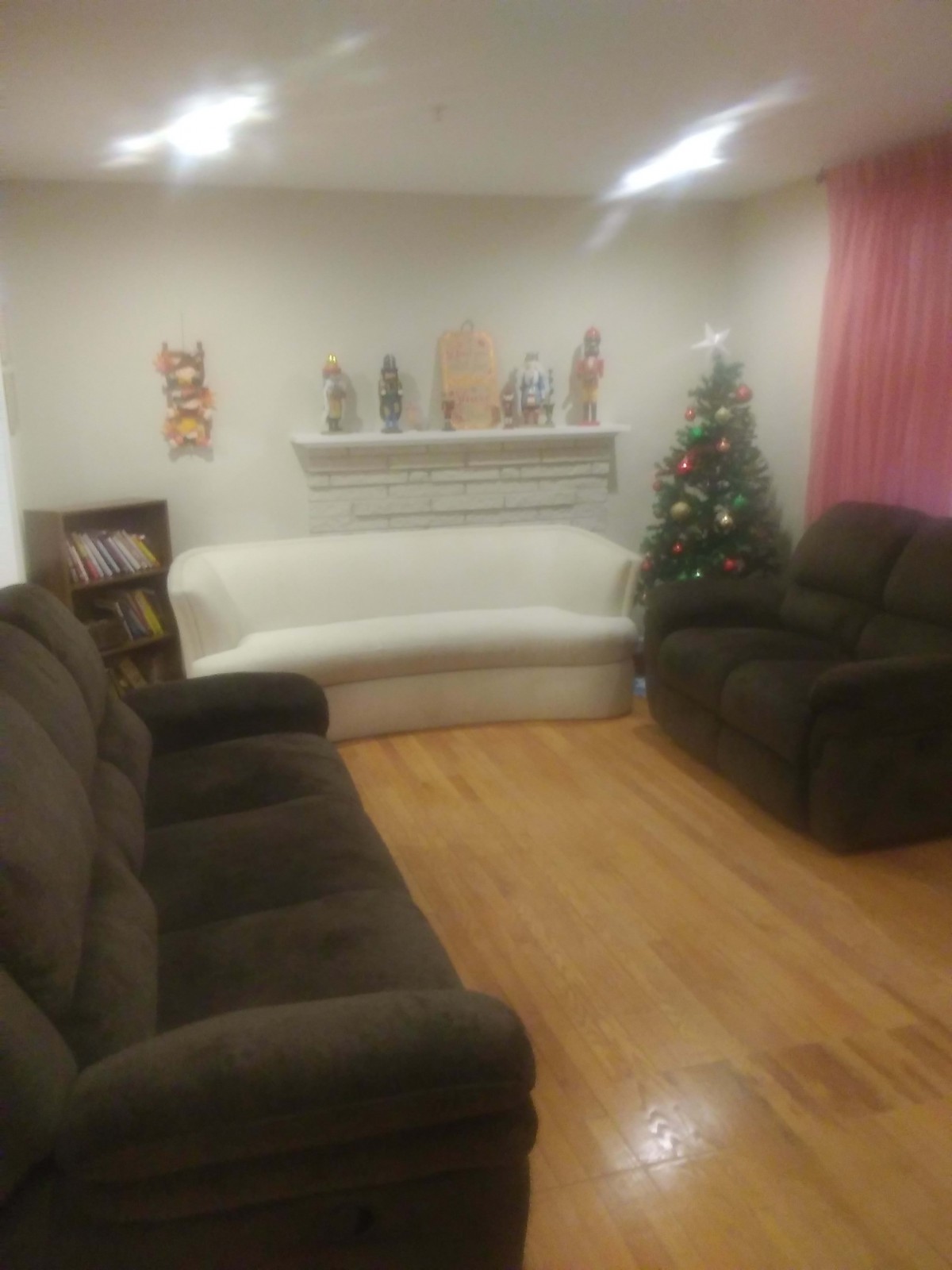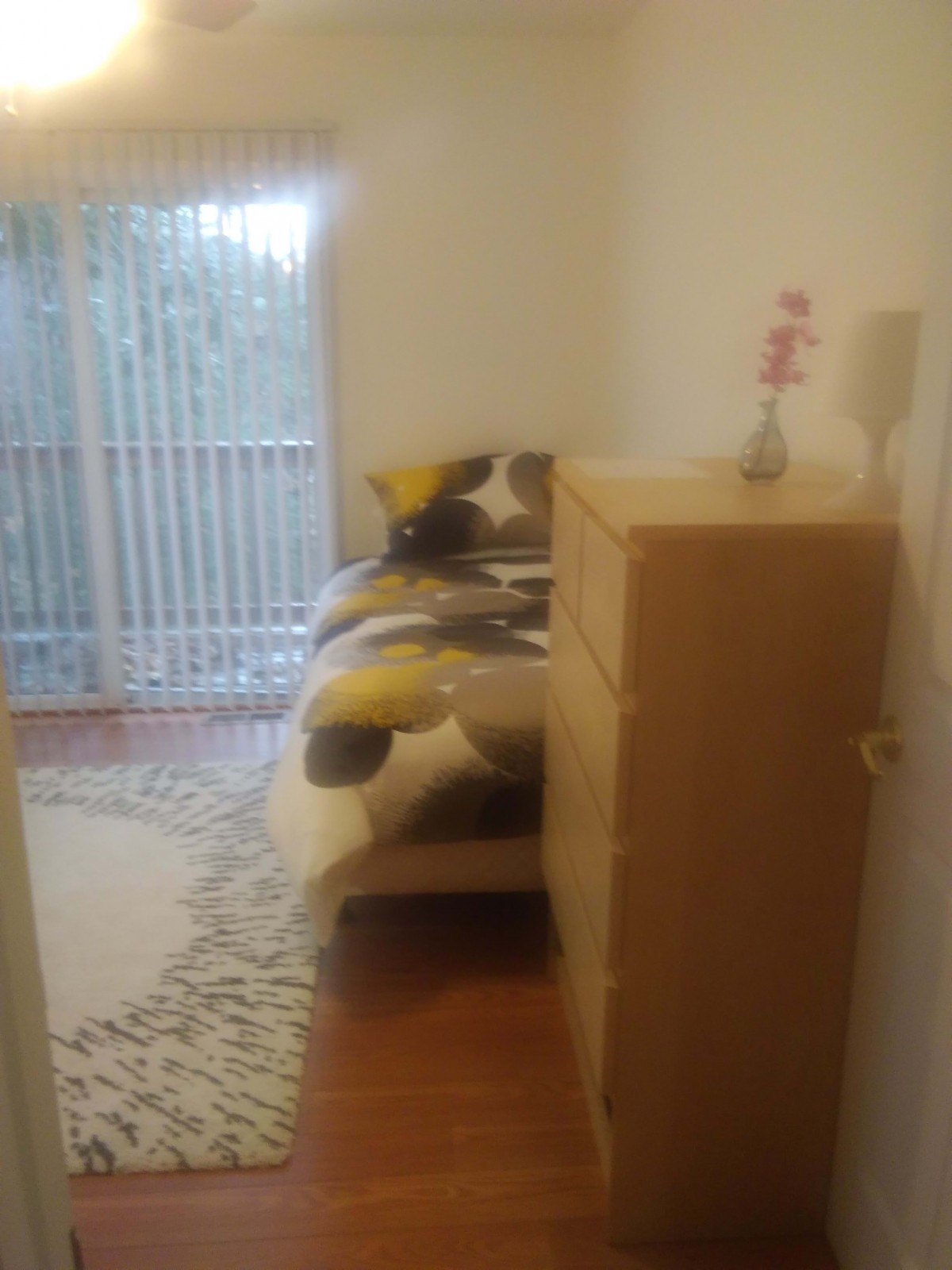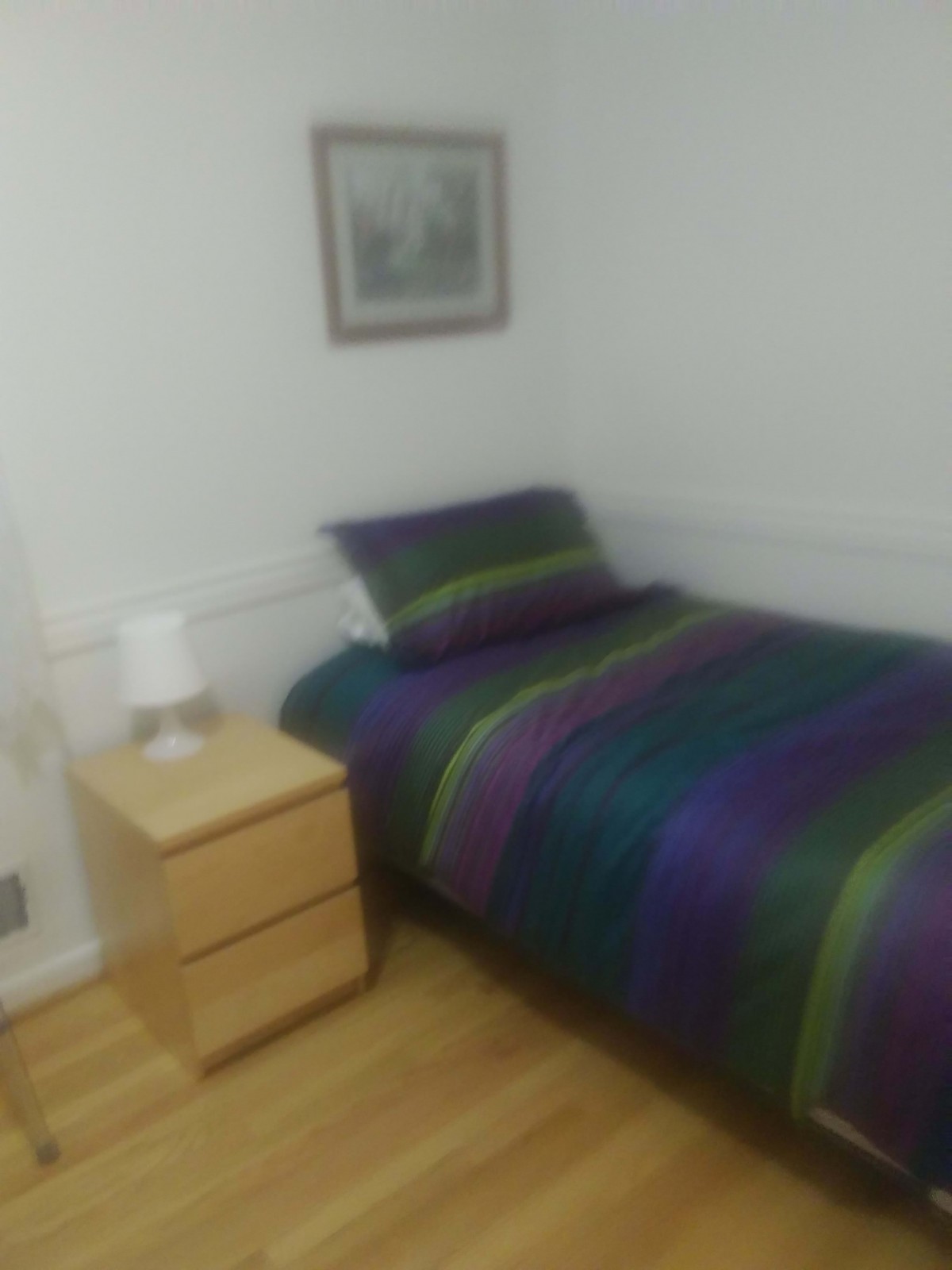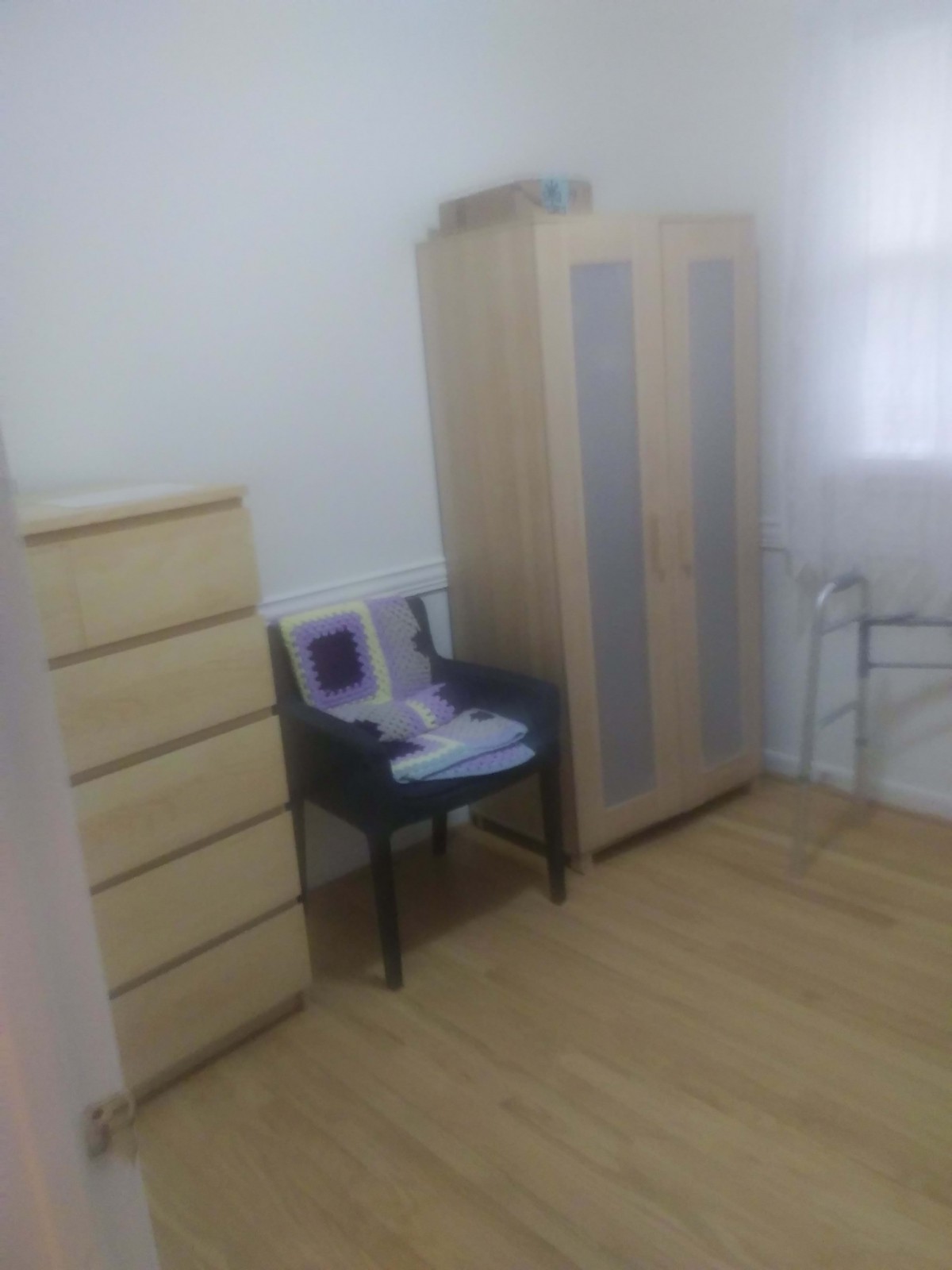
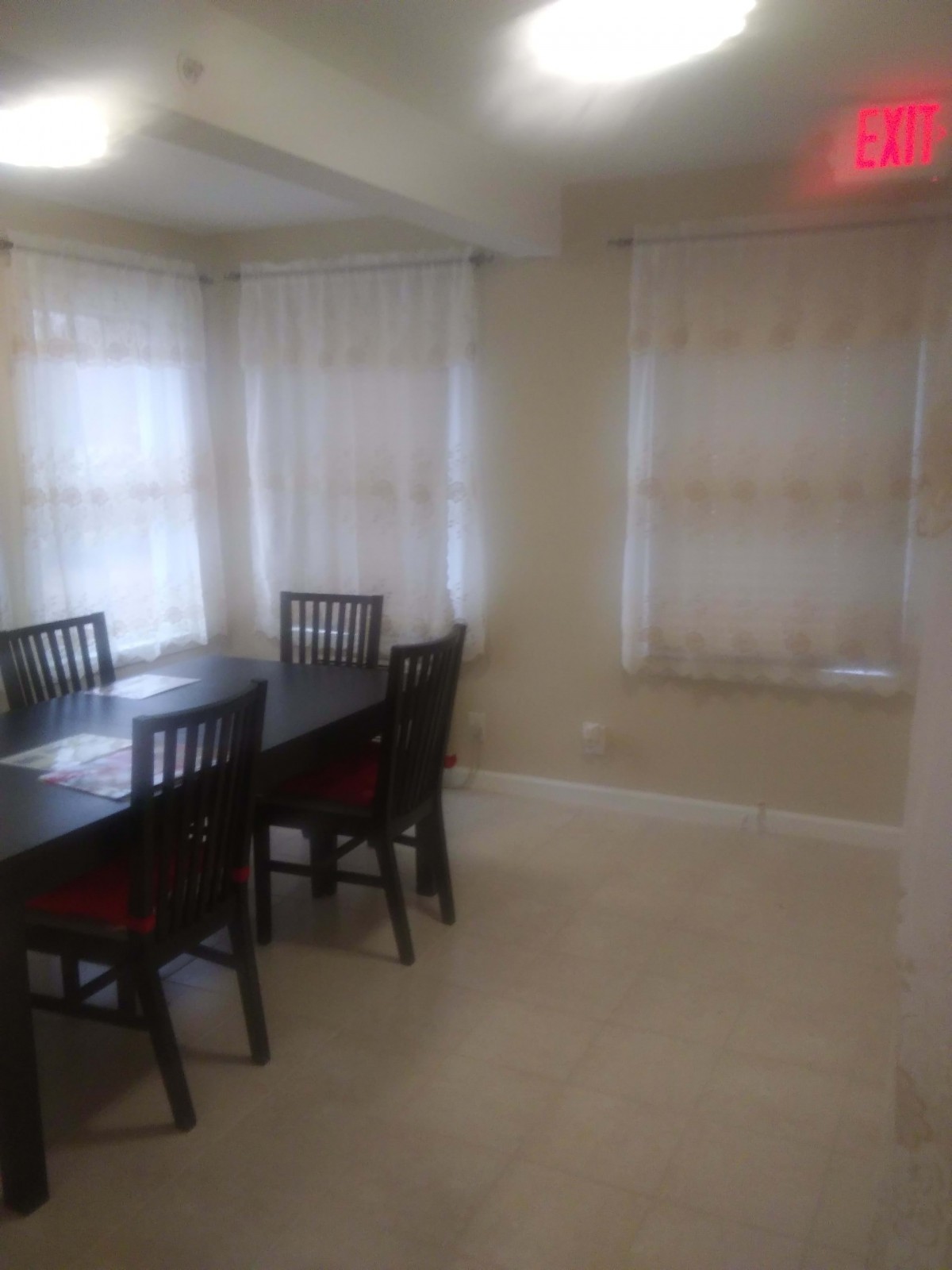
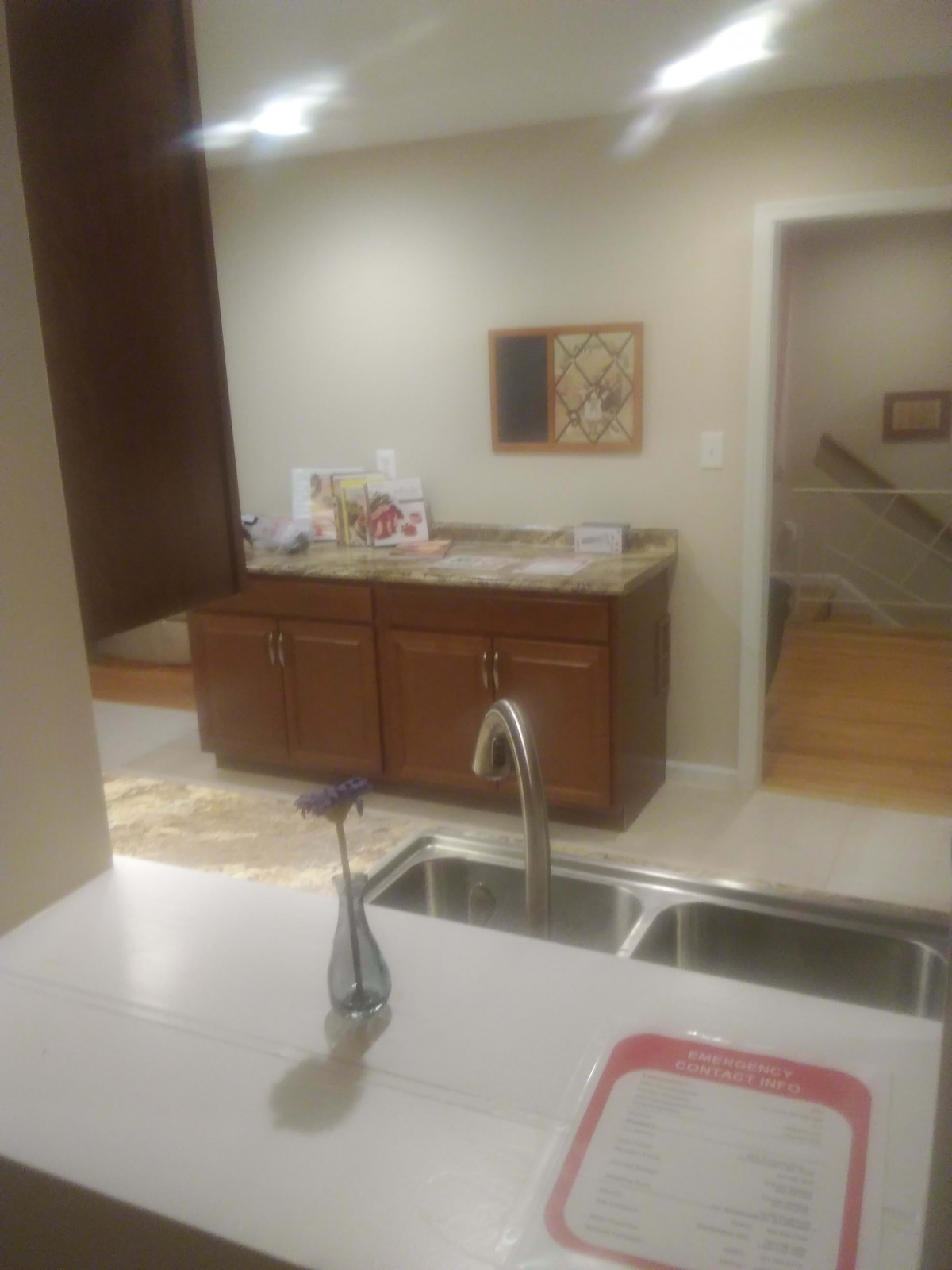
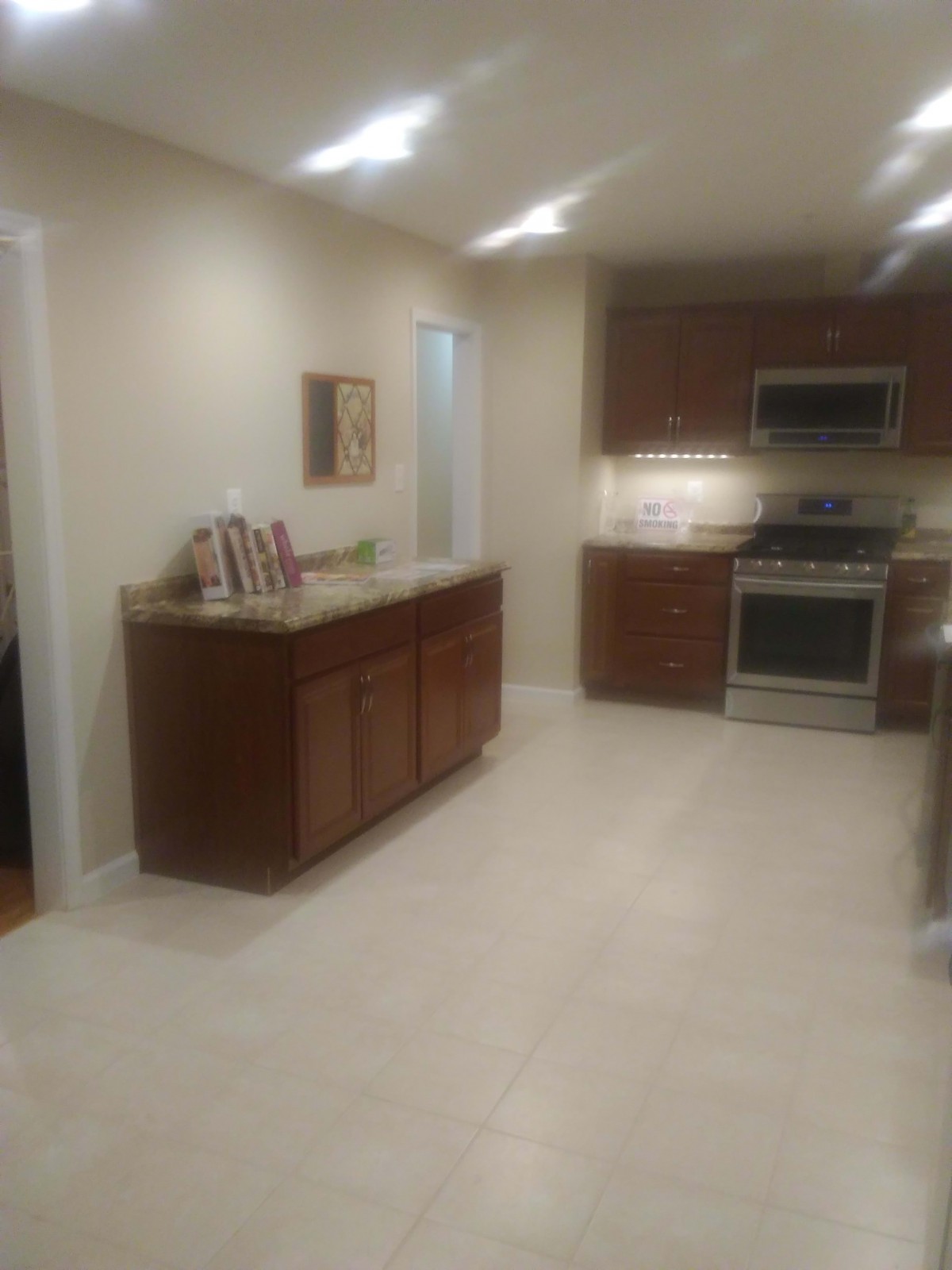


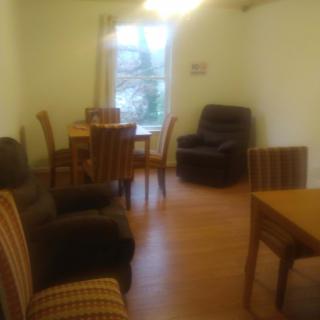


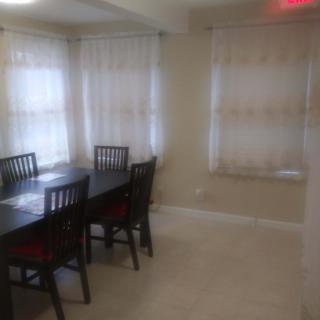

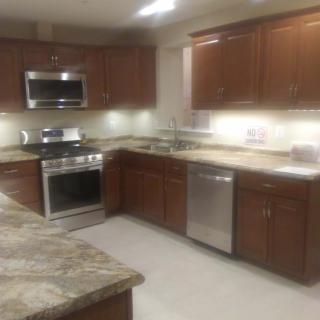

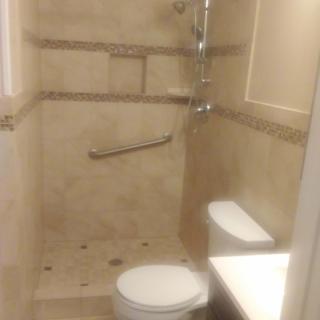

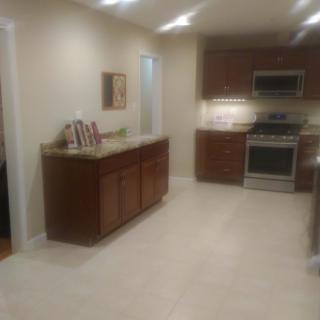
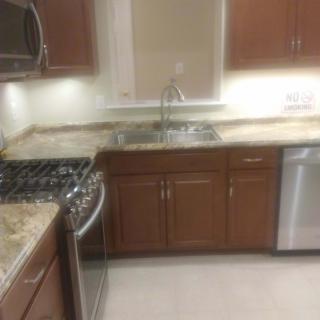
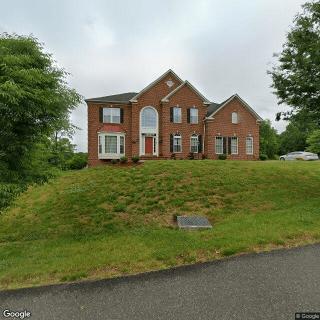
9007 Pinehurst Drive, Fort Washington, MD 20744
For more information about senior living options: (866) 208-4318
Amazing Life Assisted Living Costs & Pricing
At Amazing Life Assisted Living, the monthly costs reflect a commitment to high-quality care and comfortable living. For semi-private accommodations, residents can expect to pay $4,000, which is notably higher than the average cost in Prince George's County at $3,058 and the state average of $3,545. When considering private rooms, costs range from $5,500 to $6,000, significantly above both the county's average of $3,792 and Maryland's statewide figure of $4,112. This pricing strategy underscores Amazing Life's emphasis on personalized services and enhanced amenities that contribute to a superior living experience for its residents.
| Floor plans | Amazing Life Assisted Living | Prince George's County | Maryland |
|---|---|---|---|
| Semi-Private | $4,000 | $3,058 | $3,545 |
| Private | $5,500 to $6,000 | $3,792 | $4,112 |
Assisted Living communities with a similar price nearby
-
About the same
Montgomery Eldercare I
$4,000 to $5,900 / month23.4 miles away -
from -$200 / mo
Montgomery Eldercare II
$3,800 to $5,000 / month22.0 miles away -
from -$200 / mo
A C E
$3,800 / month19.3 miles away -
from -$500 / mo
Unique Care Assisted Living
$3,500 to $4,000 / month18.4 miles away -
from +$500 / mo
An An Assisted Living
$4,500 / month23.0 miles away
Overall Review of Amazing Life Assisted Living
Pros
 The staff are very friendly and helpful.
- The staff never turn visitors away and ensure families can spend time with their loved ones.
- The facility is a great place for the elderly, and the staff are very professional.
- The administrator and staff are very friendly, and the location is good.
- They are doing a great job with caring, friendly, and cooperative staff.
- The food is delicious.
- It is a very happy place with personalized attention.
- Its small size means residents receive lots of personalized attention.
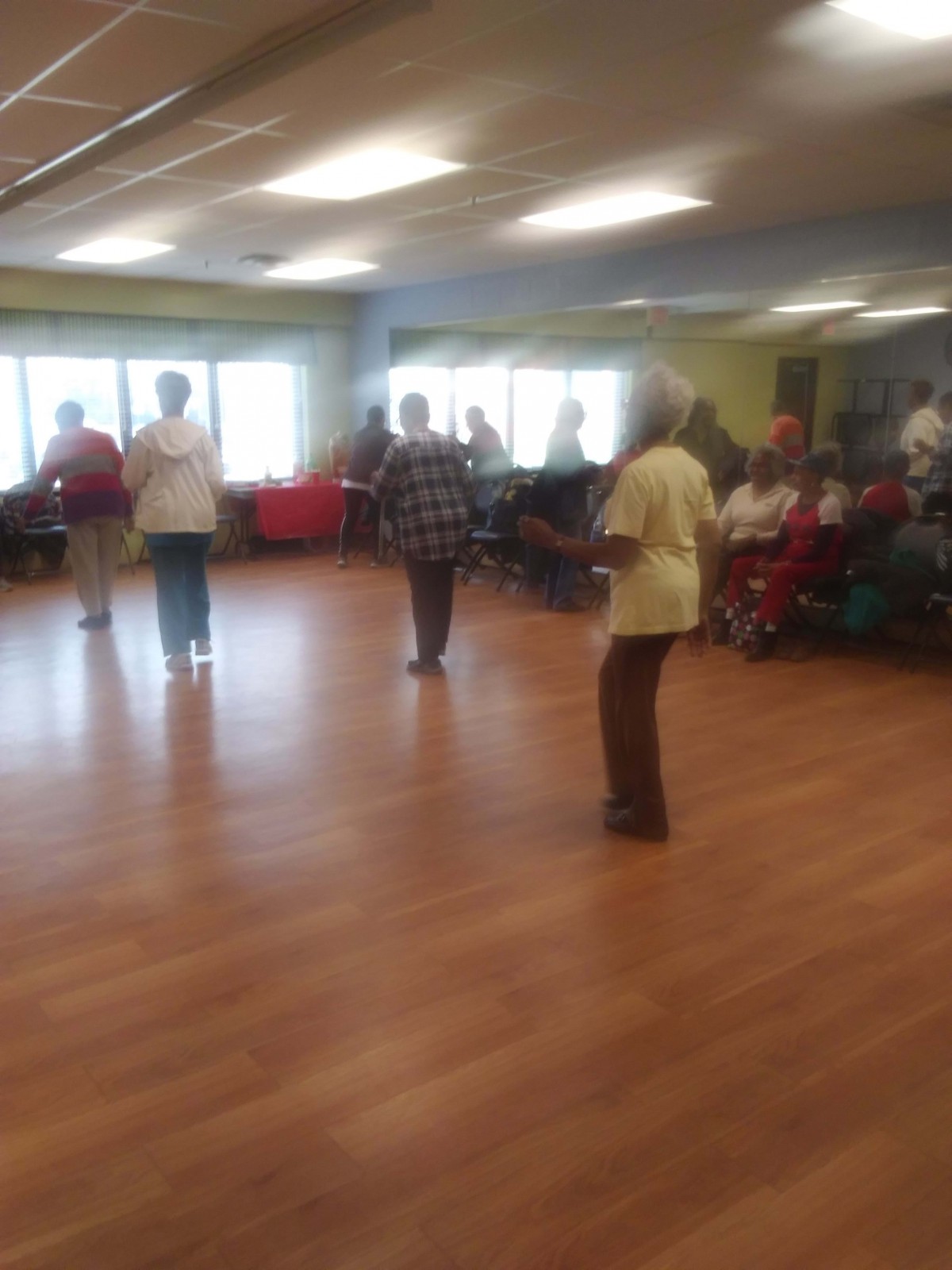
- Residents are engaged and interact with one another in a small, close-knit community.
Cons
 There was a rough start, and the reviewer was not sure the staff were completely ready for someone with dementia who may become agitated and confused.
 - The reviewer suggested the staff may need to brush up on distraction techniques and on caring for people with dementia.
- Covid restrictions made it difficult to visit the facility.
Review
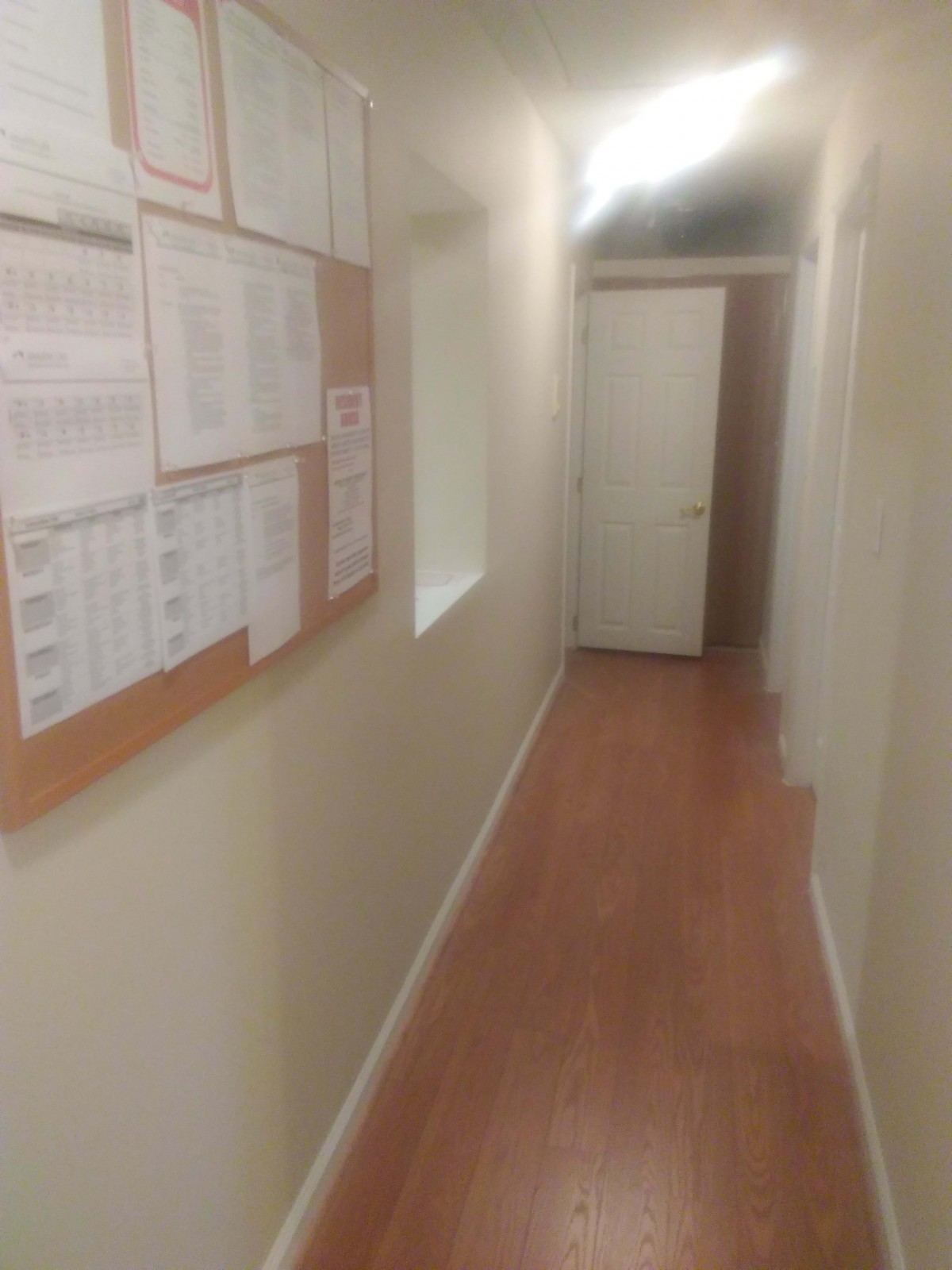
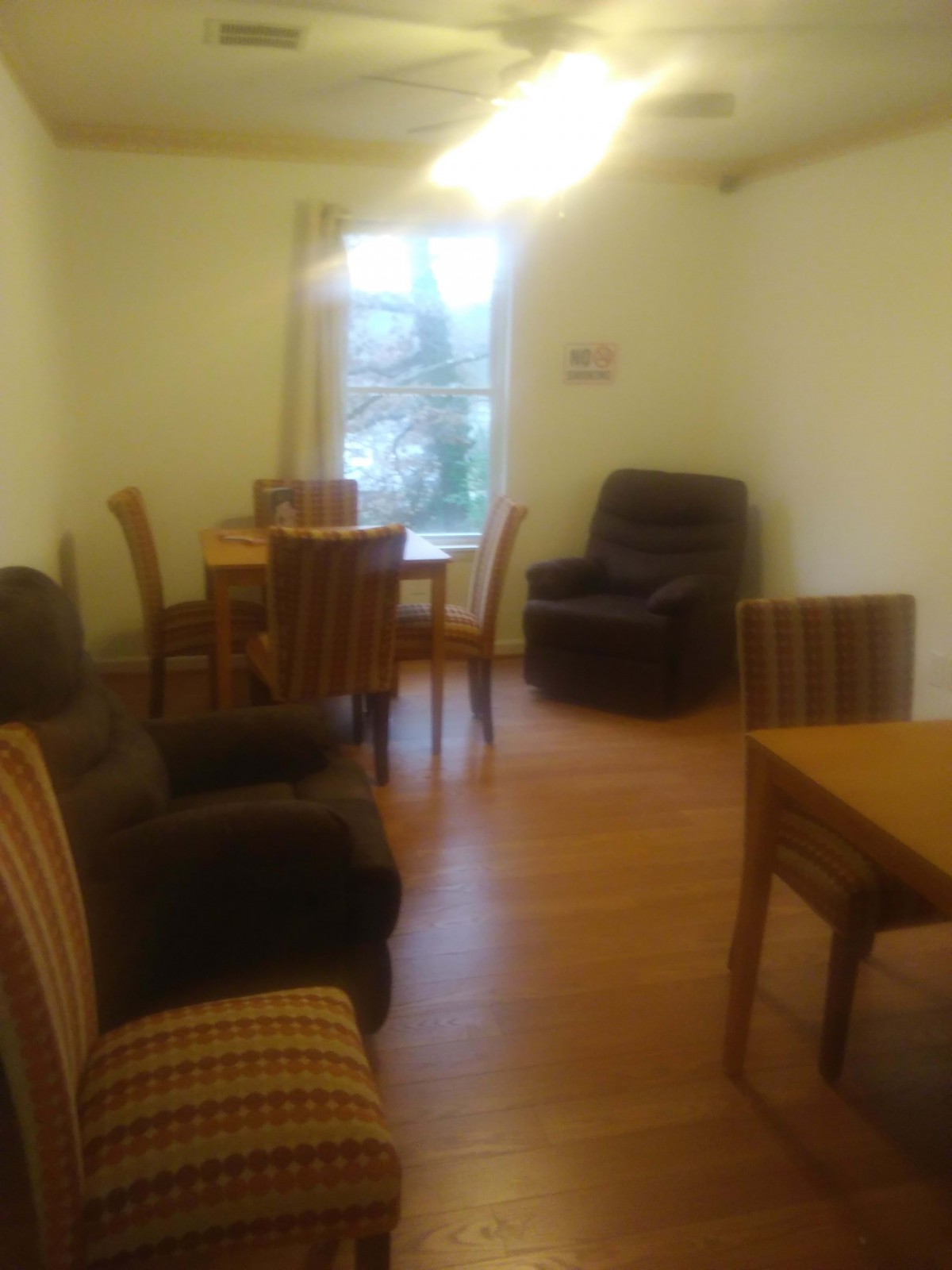
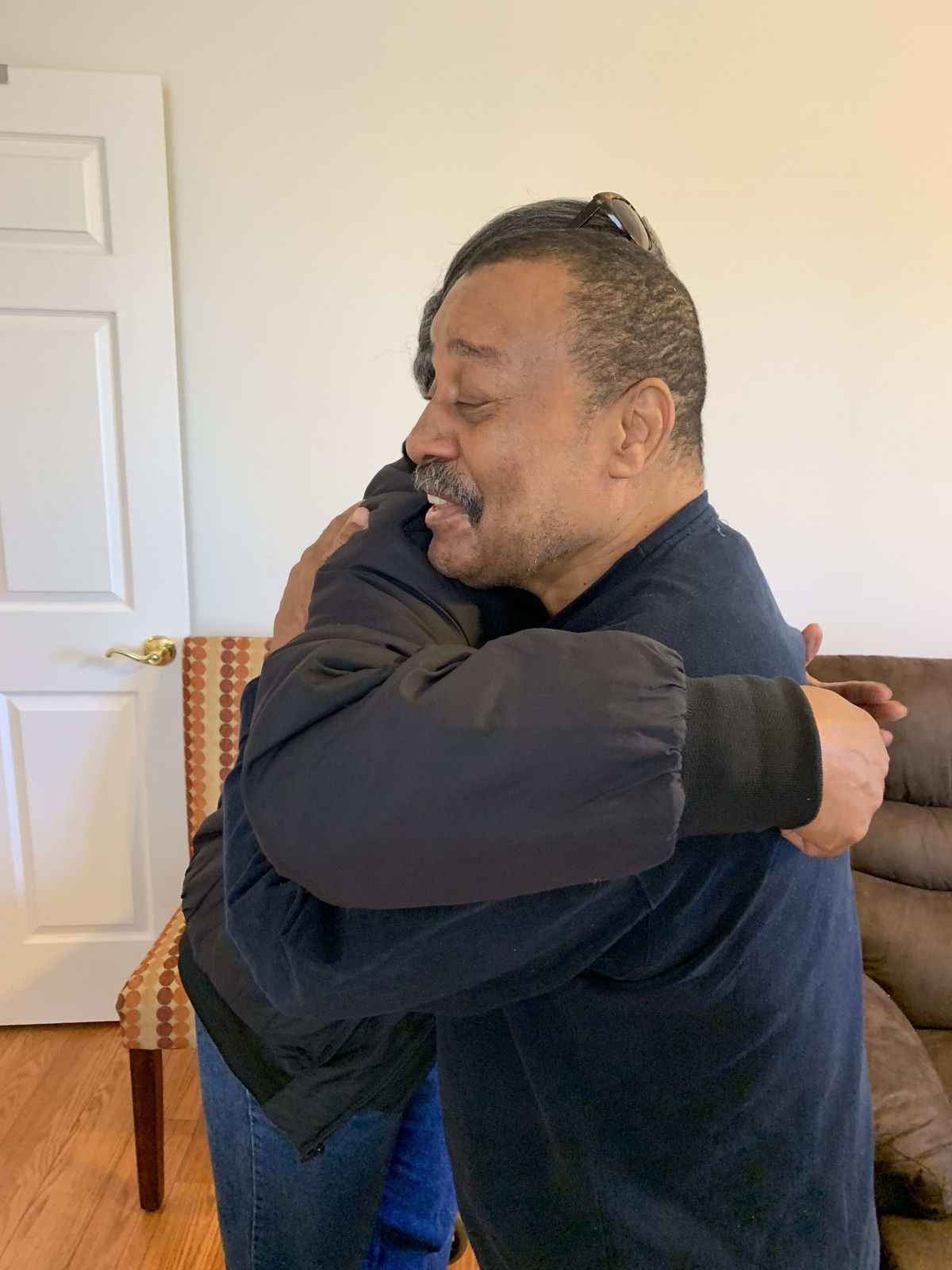
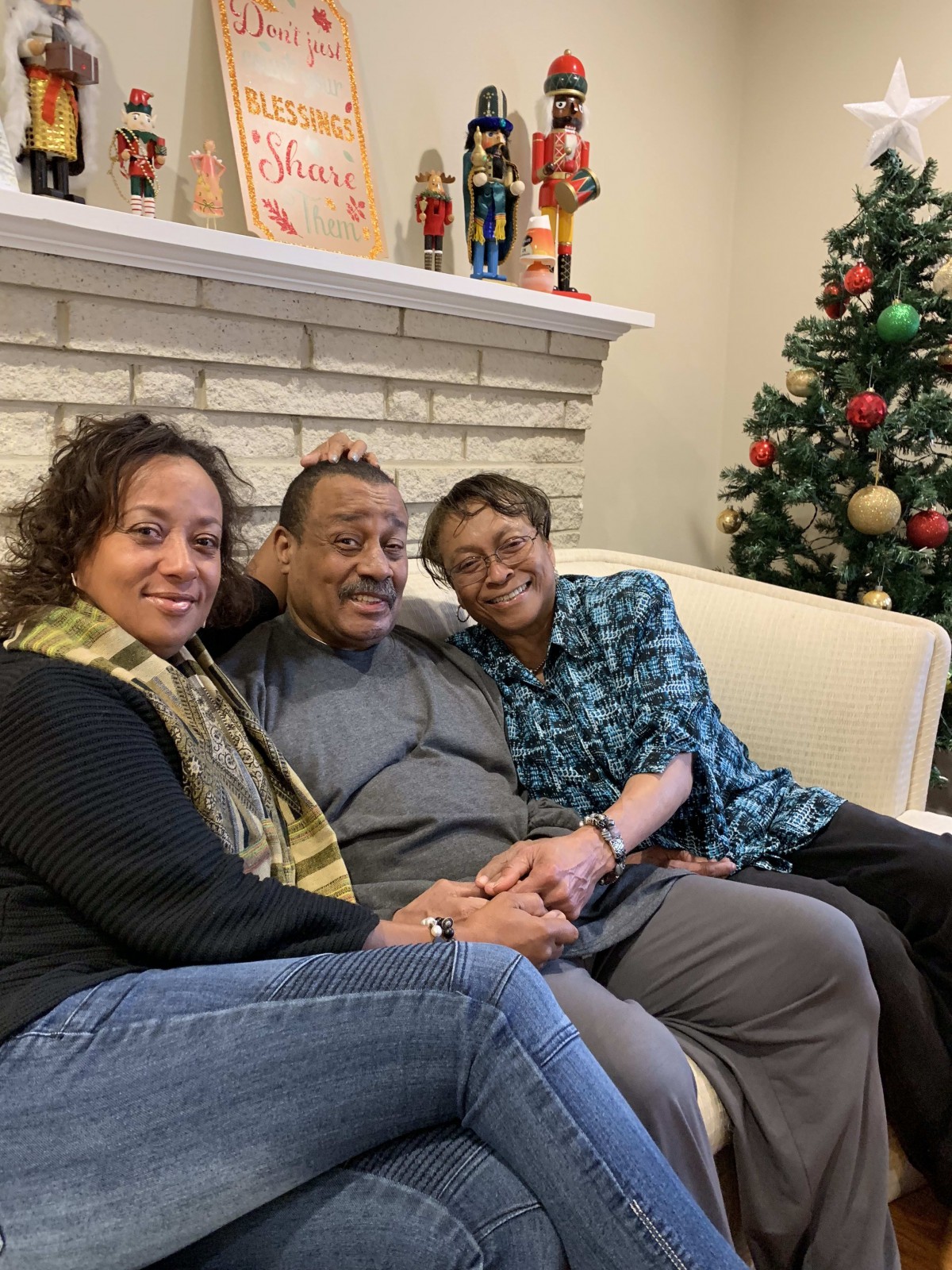
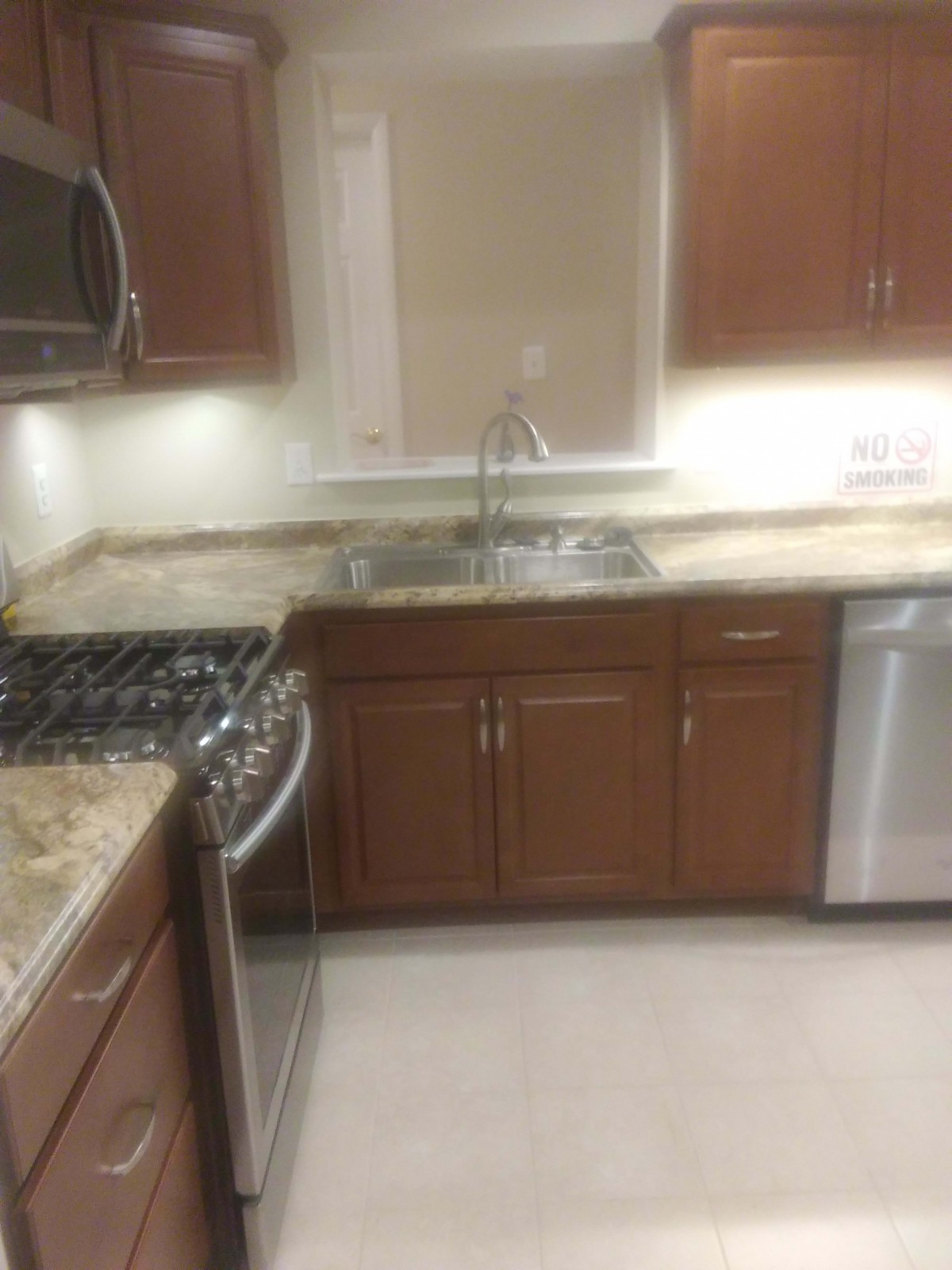
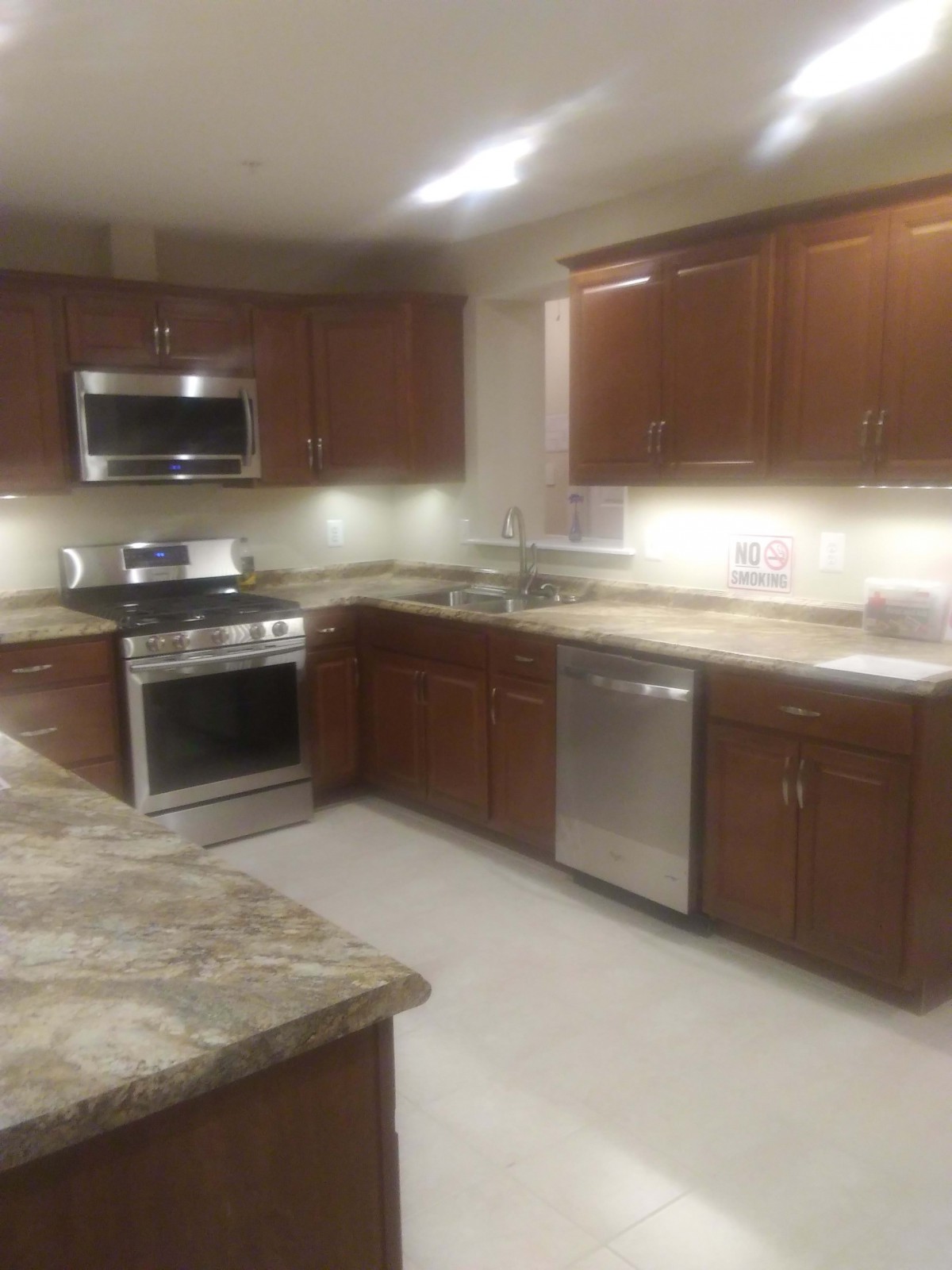
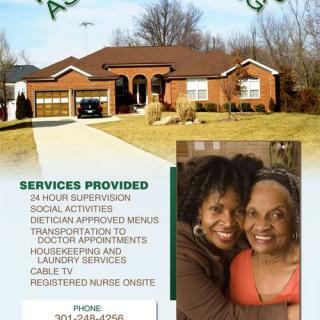
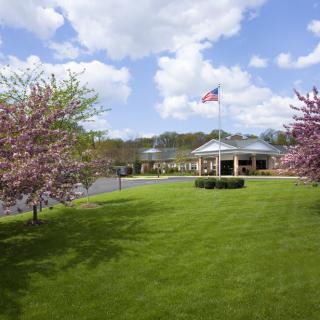
Amazing Life Assisted Living in Fort Washington, MD is best suited for families seeking a small, relationship-driven environment where seniors receive hands-on attention without surrendering a sense of neighborhood liveliness. This community shines for residents who need help with daily activities but do not require intensive medical intervention, and for families who value immediate access to staff, consistent routines, and a truly personalized approach. The setting is intimate enough that staff can notice changes quickly, while still offering dependable care, daily structure, and a warm, home-like atmosphere.
Those evaluating alternatives should still consider options if memory-care complexity or large-scale programming is a priority. Residents who require robust dementia-specific programming, a broad social calendar, frequent group outings, or easy access to a wide array of on-site medical specialists may find that larger or more specialized facilities better fit those needs. Similarly, if transportation logistics, hospital affiliations, or a wider network of ancillary services are non-negotiable, a different community with more expansive clinical resources could be a better fit.
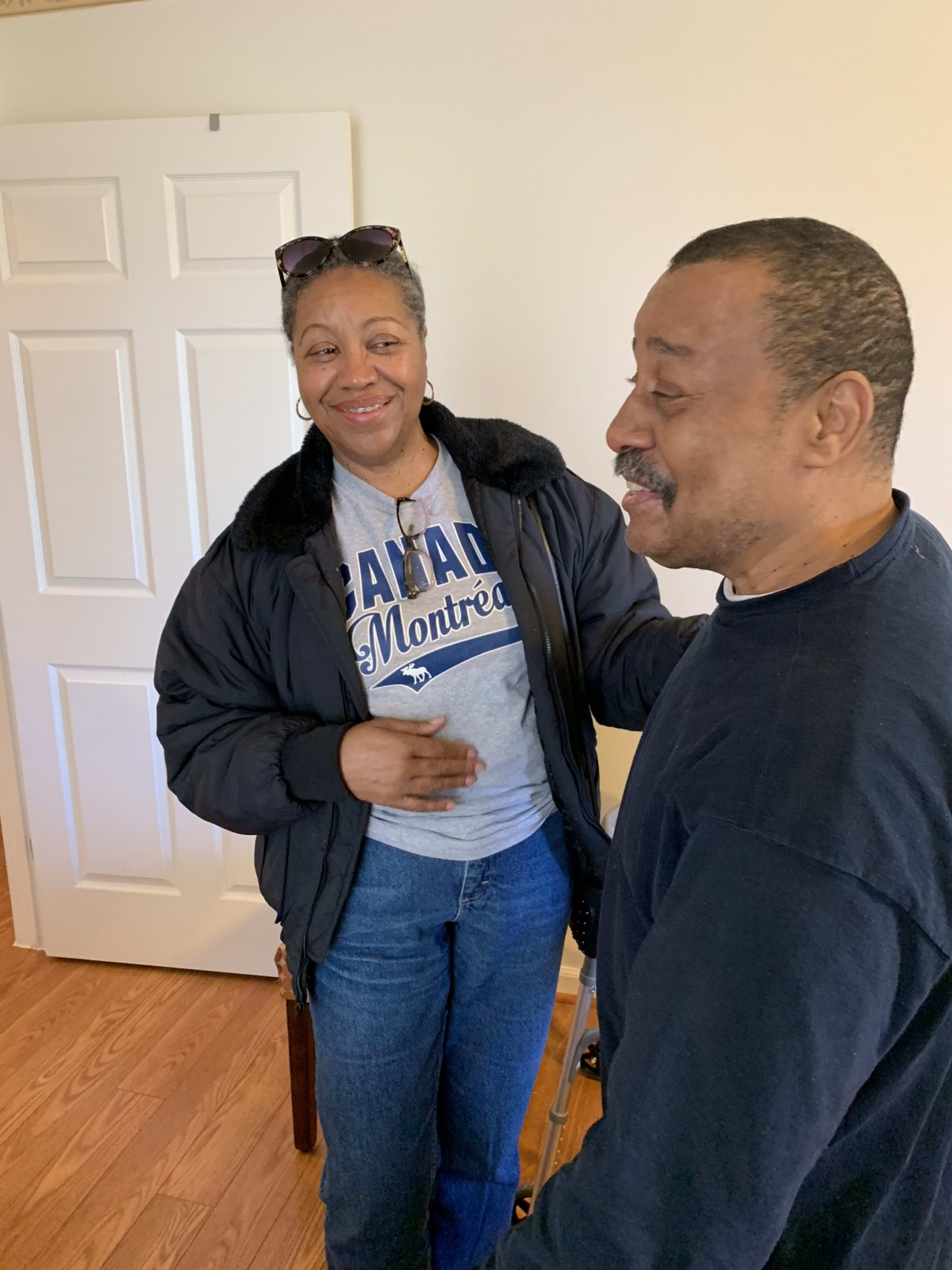
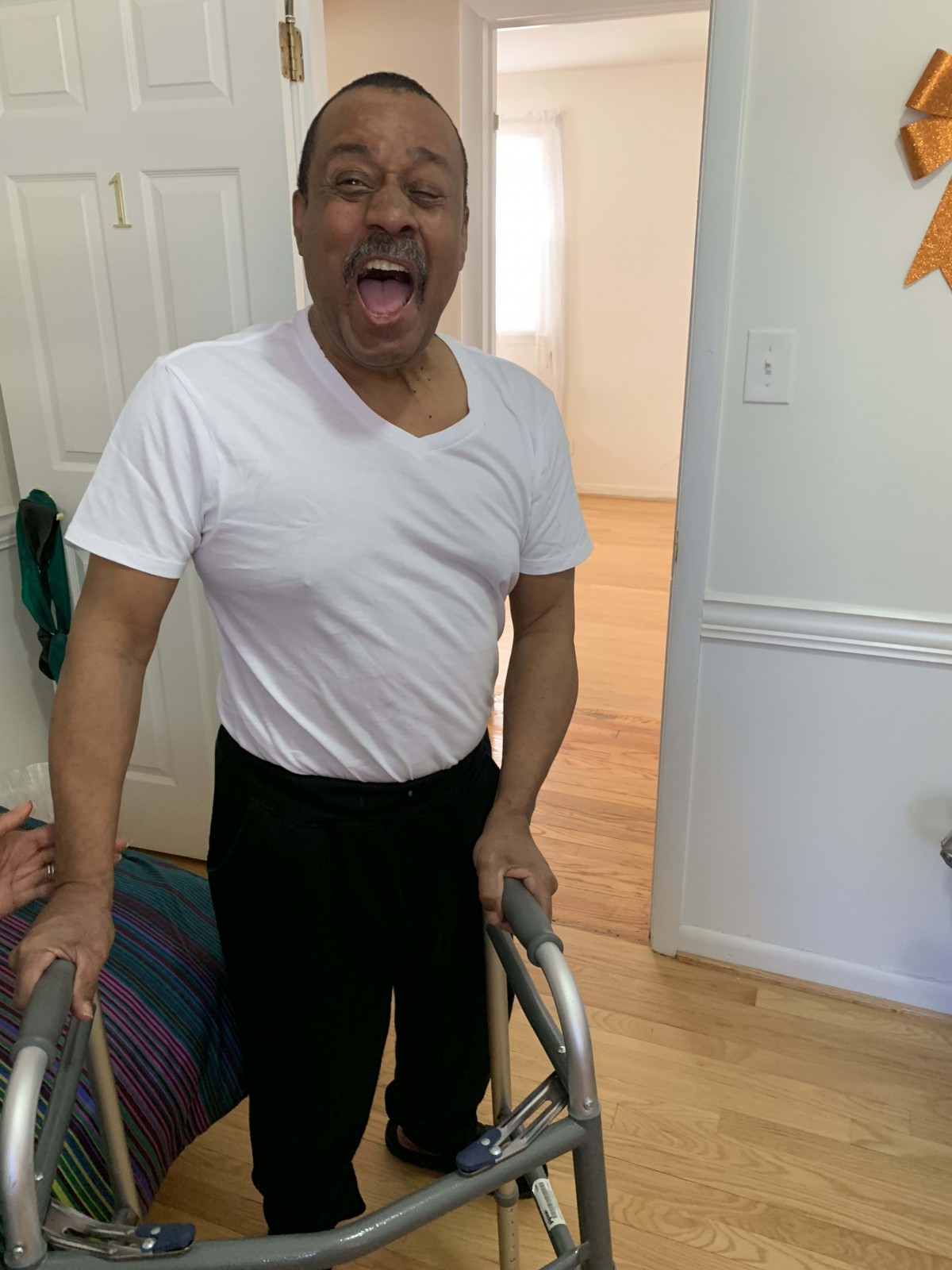
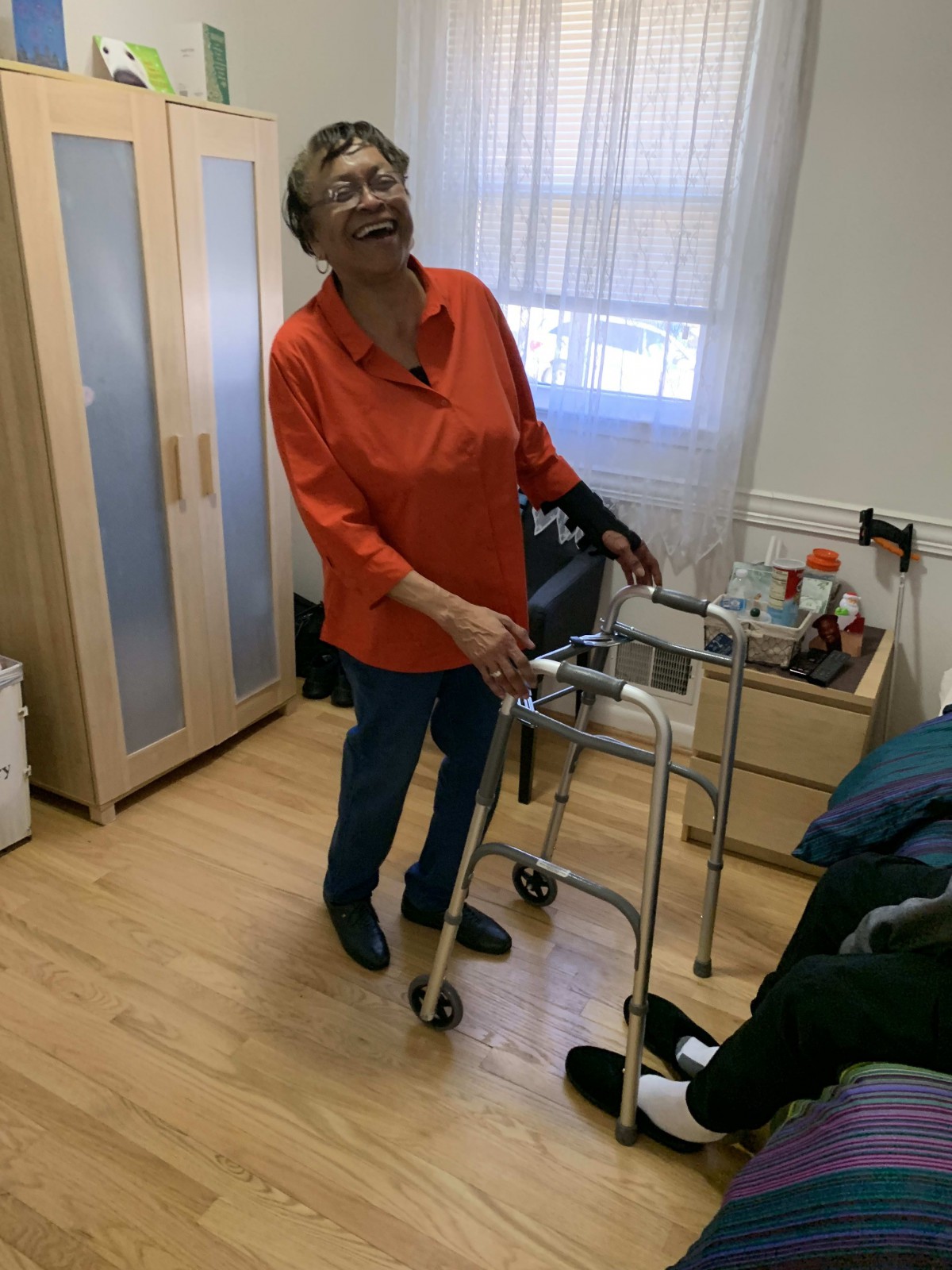
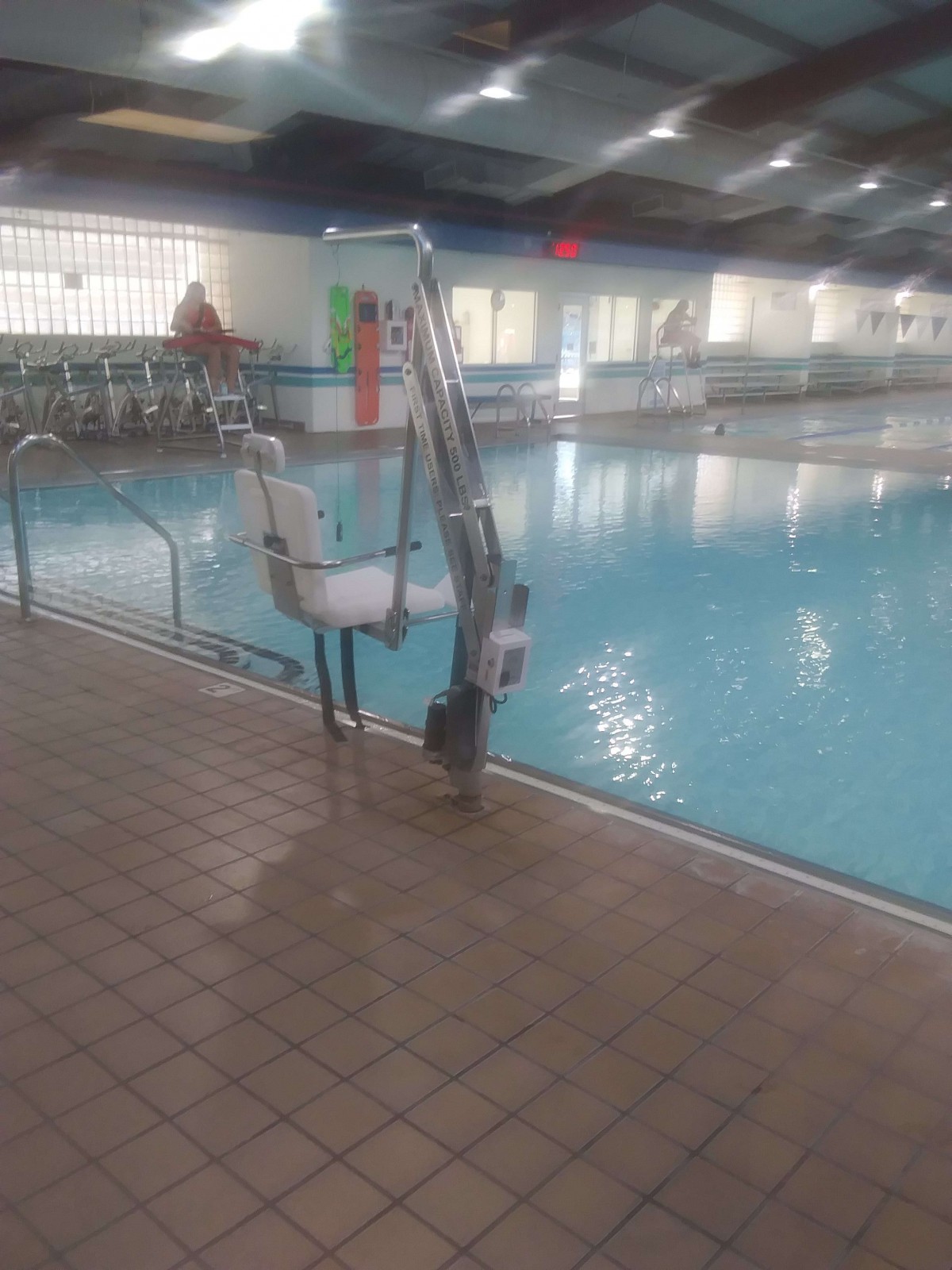
The core strengths align closely with practical outcomes families care about. A consistently friendly, professional staff, including an accessible administrator, creates an environment where families feel heard and residents feel secure. The small, neighborhood-style setting translates into highly personalized care: staff know residents well, observe subtle changes, and coordinate closely with therapy teams to drive tangible mobility gains. Reports of residents returning to walking after therapy, improved balance, and steady medication management point to real, observable benefits. Nutritious meals and ongoing attention to social engagement help residents stay connected, not isolated, and avoid the disengagement that can accompany care settings. In short, the pros, staff attentiveness, therapy integration, safety, and a home-like atmosphere, often offset the limitations inherent in a smaller, start-up operation.
No operation is without its growing pains, and this community has faced its share. One family noted a rough start with dementia care and suggested the team could benefit from refreshed distraction techniques and dementia-specific training. That said, the same reviewers highlighted that staff remained notably caring and attentive, with ongoing commitment to refining care plans and routines. The start-up status brings the upside of agile program development: a facility that is actively building out a higher standard of care, with a focus on individualized attention, medical coordination, and social programming. For families who can tolerate, or even expect, a continued improvement arc, these dynamics become a strength rather than a weakness.
Logistically, the environment compounds or mitigates the decision. The facility’s small footprint, often described as a “very small place” where only a handful of residents are present, enables rapid, consistent staffing and a high degree of staff-to-resident interaction, which translates into safety and daily engagement. However, it also means breadth of activities and peer interaction may be naturally more limited than in larger communities. Prospective residents should assess whether the intimate pace and close-knit routines align with the resident’s preferred lifestyle, mobility progression, and social needs, and should verify that there is a viable plan for escalation if care demands rise over time.
Overall, Amazing Life Assisted Living stands out as a pragmatic, people-first option for families prioritizing continuous, attentive care within a small, neighborly setting. It is particularly well-suited for residents who benefit from close staff oversight, meaningful daily activity, and steady progress in rehabilitation-related goals, supported by good nutrition and a cohesive medical approach. Those seeking a larger campus, expansive programming, or advanced dementia-specific infrastructure should look elsewhere, while families who want a trustworthy, evolving program with clear caregiver dedication will often find this community a compelling choice.
 5 resident community capacity
 Assisted Living
 Board and Care Home
 Activities off-site
 Cable or satellite TV
 Devotional services off-site
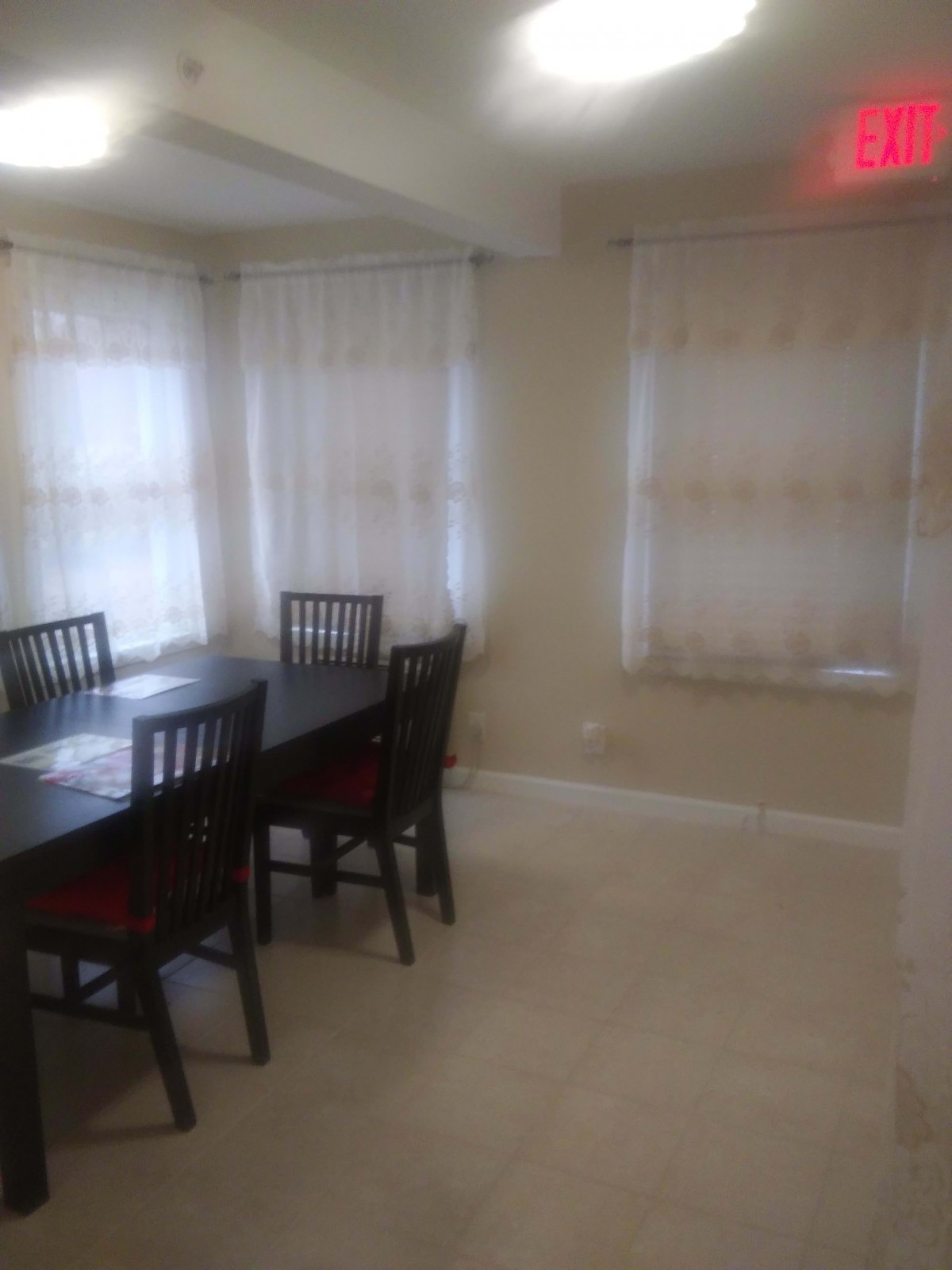
 Dining room
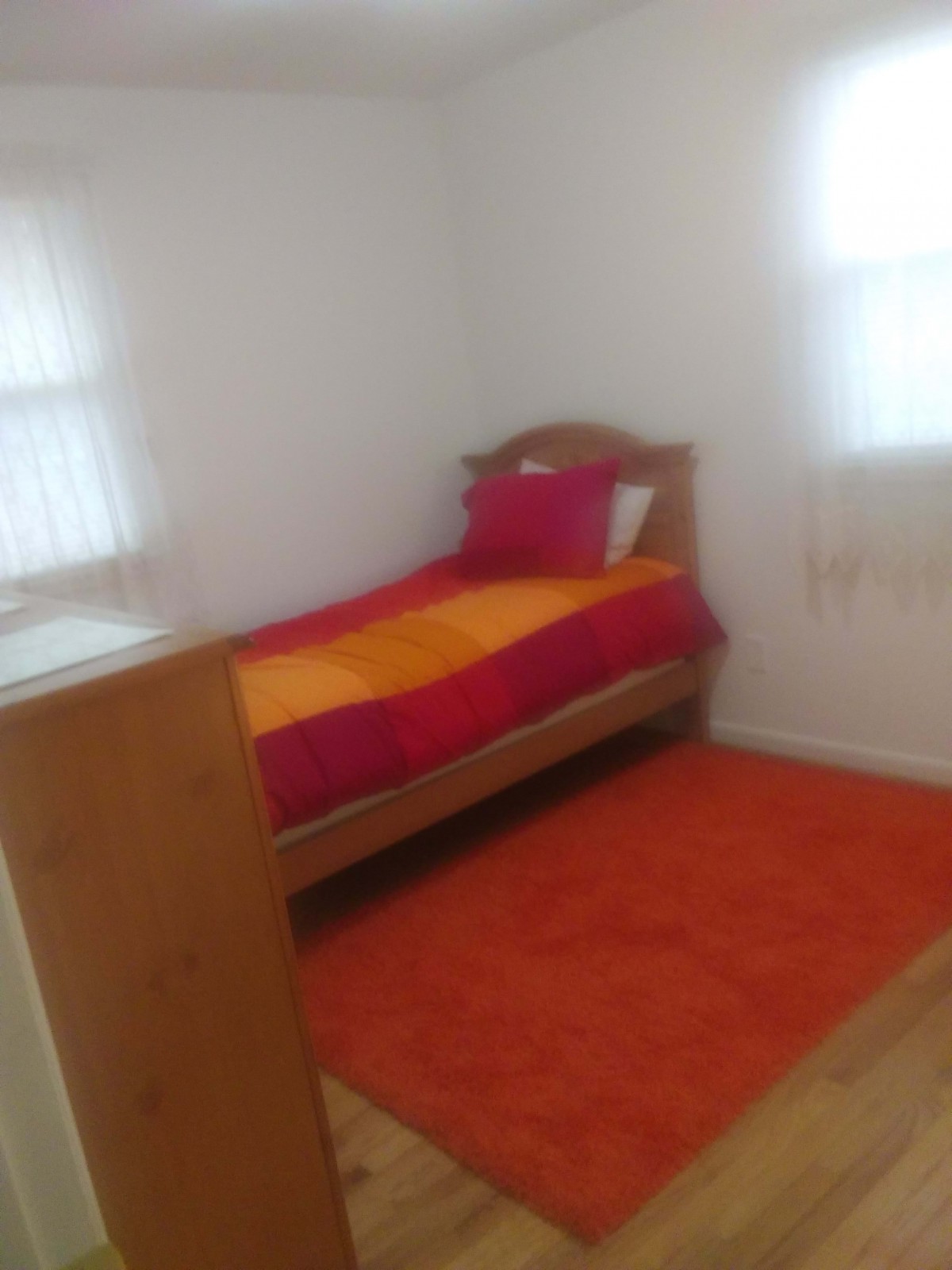
 Fully furnished
 Garden
 Housekeeping services
 Indoor common areas
 Move-in coordination
 Outdoor common areas
 Private
 Respite or short term stays offered
 Telephone
 Wi-Fi/high-speed internet available
 Ronald Reagan Washington National (7 miles away)
 24-hour supervision
 Ambulatory care
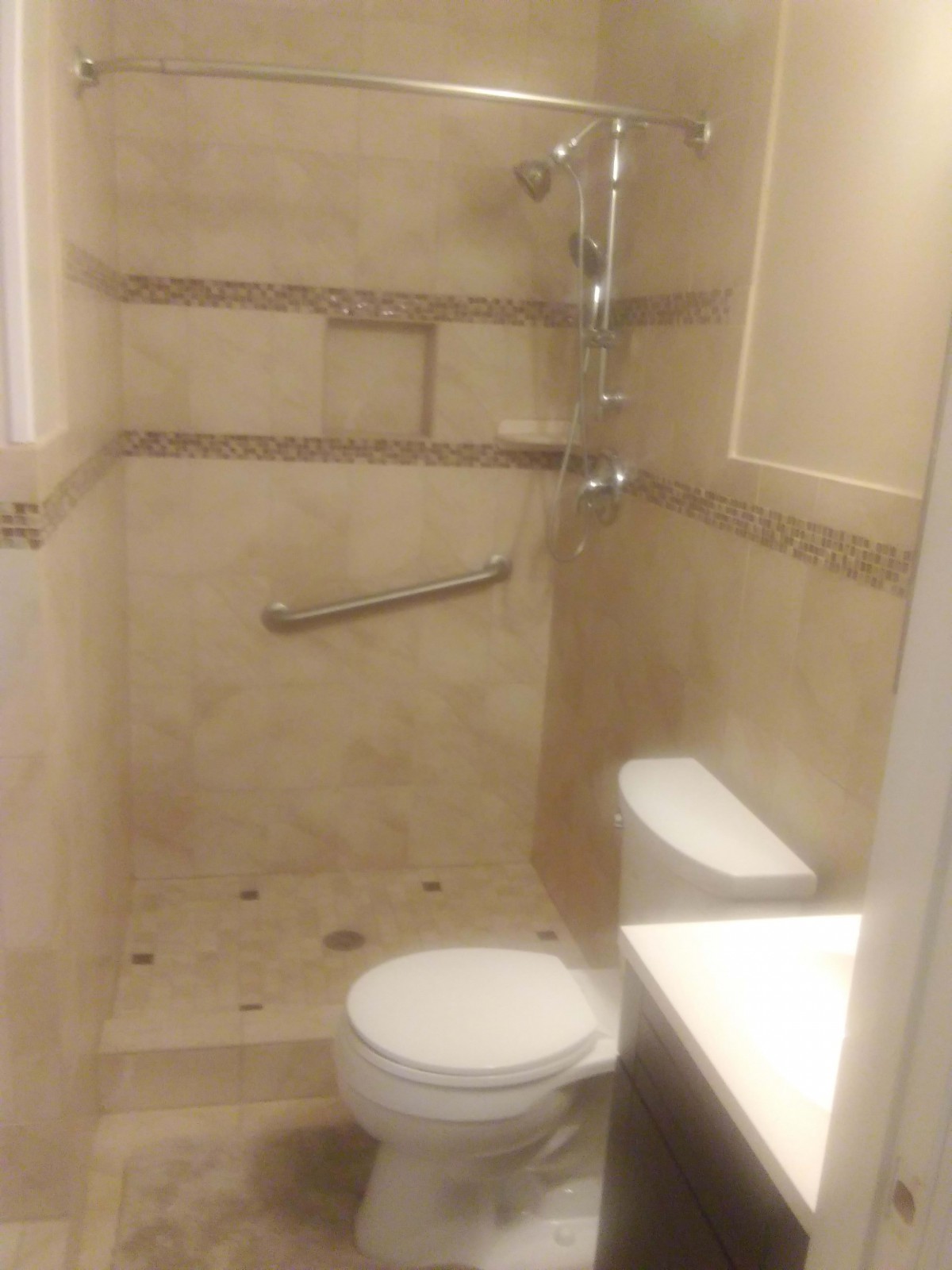
 Assistance with bathing
 Assistance with dressing
 Assistance with transfers
 Diabetes diet
 Diabetic care
 Incontinence care
 Meal preparation and service
 Medication management
 Special dietary restrictions
 Transportation arrangement (medical)
 Transportation to doctors appointments
 Day trips and outings
 Tai Chi

 Understanding the True Cost of Assisted Living in 2025: A Comprehensive Guide
 Understanding Medicaid Coverage for Assisted Living: A Comprehensive Guide
 How and When Medicaid May Cover Assisted Living Costs