
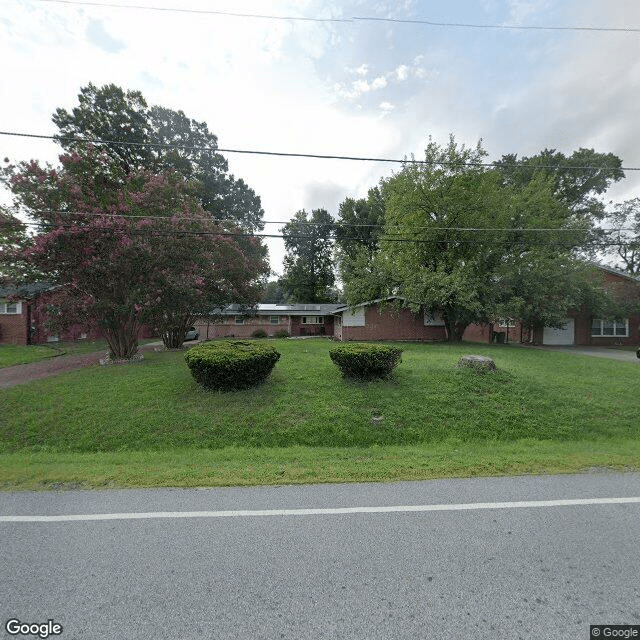
304 Riverbend Road, Fort Washington, MD 20744
To contact a resident: (301) 686-0625
For more information about senior living options: (866) 208-4318
Hearts Of Love Assisted Living Costs & Pricing
Hearts Of Love Assisted Living offers competitive pricing, positioning itself as an attractive option for those seeking quality care in Prince George's County and the broader Maryland area. With a monthly cost of $3,000 for both private and semi-private rooms, it is notably more affordable than the county average of $3,792 for private accommodations and $3,058 for semi-private options. In comparison to the state averages of $4,112 for private rooms and $3,545 for semi-private spaces, Hearts Of Love provides significant savings without compromising on the standard of care. This affordability combined with a commitment to supportive living makes it a commendable choice for families exploring assisted living solutions.
| Floor plans | Hearts Of Love Assisted Living | Prince George's County | Maryland |
|---|---|---|---|
| Private | $3,000 | $3,792 | $4,112 |
| Semi-Private | $3,000 | $3,058 | $3,545 |
Overall Review of Hearts Of Love Assisted Living
Pros
 The owner is personable, involved, and exceptionally compassionate toward residents and staff, making the facility stand out as a top experience.
- The facility is consistently clean, with caregivers who are always kind and attentive to residents’ needs.
- Each resident has a tailored care plan, and families feel like part of a welcoming, extended family.
- The staff are phenomenally caring and patient, and the activities are engaging, promoting both relaxation and stimulation.
- Medication administration and record-keeping are strictly maintained, contributing to safe, high-quality care.
- The environment feels like a home away from home and is highly recommended by professionals in the field.
Review
Hearts Of Love Assisted Living in Fort Washington is best suited for families seeking a truly intimate, home-like setting where a loved one can receive highly personalized care in a calm, well-structured environment. This community appeals to residents who value consistent, hands-on attention from an owner-operator and a staff that operates with a tight knit, family-feel culture. The everyday rhythm centers on meaningful activities, dependable routines, and a sense of belonging among residents and caregivers, rather than a large, impersonal campus atmosphere. For families prioritizing dignity, individualized plans, and a demonstrable commitment to humane, compassionate care, this is the standout option in the area.
Those who may want to consider alternatives are families with needs that go beyond what a small, intimate setting typically delivers. If a loved one requires extensive clinical oversight, complex medical equipment management, or specialized memory-care programming on a large scale, a bigger community with more medical staff and a broader continuum of care may be a better fit. Similarly, if the priority is a wider social pool, more diverse programming, or guaranteed access to a broad network of services under one roof, a larger facility could offer advantages that a six-resident model cannot match. Location is another consideration: proximity to specific medical specialists or family members in transit-heavy corridors may drive a preference for a different neighborhood or campus with greater transport flexibility.
The strongest positives in this model include exceptional owner involvement, a clearly compassionate and patient staff, and a facility that radiates cleanliness and welcoming warmth. Residents reportedly benefit from highly individualized care plans, with attentive medication administration, careful record-keeping, and adherence to state guidelines that minimize errors and optimize health outcomes. The daily program is described as both relaxing and stimulating, arts and crafts, dancing, and exercise create a lively cadence that keeps minds and bodies active without overwhelming residents. The atmosphere feels like a close-knit extended family, where families are welcomed as part of the community, and where teamwork between staff, residents, and families translates into consistently strong care outcomes.
These strengths offset the potential drawbacks that naturally accompany a small, founder-led operation. The intimate size means more direct access to leadership, quicker communication, and a broader sense of accountability; families often report feeling heard and seen in ways that larger chains struggle to replicate. The downside, limited capacity, potentially fewer on-site specialists, and a reliance on the single owner/operator model for day-to-day decisions, appears mitigated by the demonstrated reliability, transparent practices, and highly curated activity calendar. In practice, residents enjoy a pace that balances rest with purposeful engagement, and families appreciate the alignment between care plans and actual daily life, which reduces uncertainty about a loved one’s well-being.
To determine fit, families should corroborate that Hearts Of Love can sustain the same level of personalized attention as implied in these reviews. Inquiries about staff-to-resident ratios, the process for updating care plans, and the mechanism for rapid changes in medical needs are essential. Prospective residents should also verify the scope of services, dietary customization, medication management, transportation support, and access to on-call medical oversight, and compare these with the expectations for their loved one’s current and anticipated needs. Observing a visit without notice, meeting the owner and daily caregivers, and speaking candidly about transitions can reveal whether this intimate setting will consistently deliver the days that make a home truly feel like home.
In sum, Hearts Of Love stands out for families valuing an exceptionally warm, personalized, and well-run small community in Fort Washington. It represents a compelling choice for seniors who want continuous caregiver access, tailored plans, and a vibrant, family-oriented culture without the drama or bustle of a larger campus. Those who require extensive clinical facilities, a broader social ecosystem, or specialized memory-care resources should openly explore larger programs. For eligible residents, the indicators are strong: a near-perfect reputation, demonstrable daily satisfaction, and a proven model that translates compassionate intention into tangible, daily quality of life. Schedule a visit, assess the owner’s engagement firsthand, and measure whether the warmth and attention align with the loved one’s needs and goals.
 5 resident community capacity
 Assisted Living
 Board and Care Home
 Bath tubs
 Cable or satellite TV
 Dining room
 Fully furnished
 Garden
 Housekeeping services
 Move-in coordination
 Outdoor space
 Private
 Telephone
 Wheelchair accessible showers
 Wi-Fi/high-speed internet available
 Ronald Reagan Washington National (5 miles away)
 24-hour supervision
 Activities of daily living assistance
 Assistance with bathing
 Assistance with dressing
 Assistance with transfers
 Diabetes diet
 Diabetic care
 High acuity care
 Incontinence care
 Meal preparation and service
 Medication management
 Special dietary restrictions
 Transportation arrangement (medical)
 Transportation to doctors appointments


 Securing Financial Support for Assisted Living: A Comprehensive Overview
 Social Security Benefits and Assisted Living: Navigating Options Across the U.S.
 An Extensive Exploration of the VA Aid and Attendance Benefit