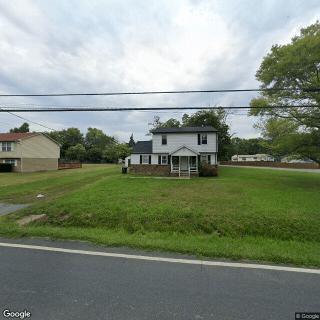
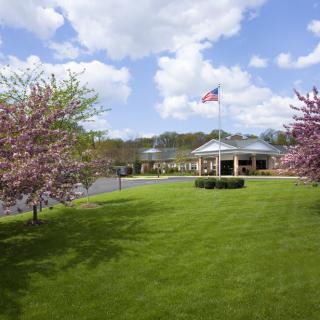
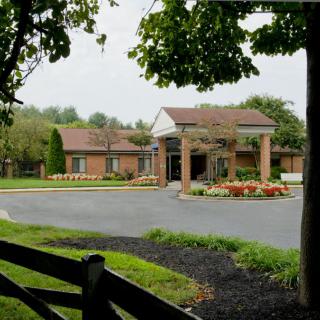
Grabael Home is an assisted living community in Fort Washington, MD.
Information last verified:
9000 Old Palmer Road, Fort Washington, MD 20744
For more information about senior living options: (866) 208-4318
4.2 from 119 reviews
5 stars
90
4 stars
6
3 stars
1
2 stars
1
1 stars
21
Overall Review of Grabael Home
differentiator18 reviews mention this
Maintenance techs are often praised
Residents frequently highlight specific maintenance technicians for fast, professional repairs.
A recurring theme is that residents feel maintenance requests go better when a particular technician is involved, with multiple mentions of being prompt, knowledgeable, and communicative. Several reviews describe quick fixes for issues like tubs, washers, sinks, stoves/ovens, and HVAC, and some residents say the technician followed up or fully resolved the problem. At the same time, other reviews criticize maintenance response timing and follow-through, but the most consistent positive takeaway is that the best experiences often depend on the individual technician.
common10 reviews mention this
Office staff and managers get mixed
Office interactions are described as helpful by some residents, while others report poor communication.
Some residents praise the front desk and property leadership for being professional, punctual, and supportive, including specific mentions of staff members being helpful and responsive. Other residents describe difficulty reaching management, delays in updates, and an inability to get issues resolved without repeated follow-ups. Overall, the reviews suggest the front-office experience can vary a lot depending on the situation and who handles the request.
caveat12 reviews mention this
Concerns about cleanliness and pests
Multiple residents raise concerns about mold, roaches, and unclean conditions.
A sizable negative theme involves cleanliness issues, including reports of mold showing up after move-in, recurring pest problems, and apartments not feeling fully prepared before new tenants arrive. Several reviews connect these conditions to longer timelines for resolution, canceled or incomplete maintenance actions, and difficulty getting follow-up. Even among residents who otherwise report good experiences, these cleanliness and pest concerns still appear repeatedly in the overall feedback.
caveat9 reviews mention this
Repairs can take too long
Residents sometimes report maintenance delays and incomplete fixes.
While many reviews praise quick repairs, others describe waiting weeks for work orders, getting unclear information, or having issues not fully resolved. Some residents also mention getting pushed to approvals or contractors, which can extend the timeline for key problems. The pattern suggests that repair speed and completeness are not consistent across all issues and time periods.
How we summarize
Counts show how many written reviews mention each theme; a review can touch several themes, and only frequently mentioned themes are displayed.
Features
Housing
5 resident community capacity
Types of Care
Assisted Living
Amenities
Cable or satellite TV
Dining room
Fully furnished
Garden
Housekeeping services
Move-in coordination
Outdoor space
Telephone
Wi-Fi/high-speed internet available
Transportation
Ronald Reagan Washington National (7 miles away)
Care Services
24-hour supervision
Activities of daily living assistance
Assistance with bathing
Assistance with dressing
Assistance with transfers
Coordination with health care providers
Diabetes diet
Meal preparation and service
Medication management
Special dietary restrictions
Transportation arrangement (medical)
Transportation to doctors appointments
Dining
Diabetes diet
Special dietary restrictions
Activities
Community-sponsored activities
Scheduled daily activities
Nearby Places of Interest
Restaurants
Hovermale's Taste Best (0.5 miles)
Grace's Mandarin (2 miles)
The Walrus Oyster & Ale House (2 miles)
McDonald's (2.2 miles)
TAP Sports Bar (2.3 miles)
Bojangles' Famous Chicken 'n Biscuits (2.7 miles)
McDonald's (2.7 miles)
Pharmacies
CVS Pharmacy (1.3 miles)
CVS Pharmacy (1.9 miles)
CVS Pharmacy (2.7 miles)
CVS Pharmacy (2.8 miles)
Walgreens (3.9 miles)
CVS Pharmacy (4.1 miles)
Walgreens (5.1 miles)
Cafes
Starbucks (2 miles)
Mae's Market and Cafe (4.2 miles)
For Five Coffee (4.8 miles)
Junction Bakery & Bistro (5.3 miles)
Panera Bread (5.6 miles)
Starbucks (6.1 miles)
Philz Coffee (7.5 miles)
Parks
Waterfront Park (3.8 miles)
Fort Hunt Park (4.9 miles)
Huntley Meadows Park (6.5 miles)
Gravelly Point Park (7.4 miles)
The Yards Park (7.5 miles)
L'Enfant Square (7.5 miles)
Long Bridge Park (7.7 miles)
Places of Worship
St Marys Catholic Church (4.4 miles)
Maryland Gospel Assembly (6.1 miles)
Transportation
King Street - Old Town Metro Station (4.9 miles)
Braddock Road Metro Station (4.9 miles)
Amtrak (4.9 miles)
Eisenhower Avenue Metro Station (5.1 miles)
TSA PreCheck (6.4 miles)
Terminal A (6.4 miles)
Delta Sky Club (6.6 miles)
Physicians
Patient First - Alexandria (5 miles)
Diagnostic Radiology (5.3 miles)
Telegraph Corner Family Medicine (5.6 miles)
Hospitals
Inova Mount Vernon Hospital (5.1 miles)
Inova Mount Vernon Hospital Emergency Room (5.2 miles)
St Elizabeths Hospital (5.7 miles)
MedStar Southern Maryland Hospital Center (6.1 miles)
Grabael Home is located at 9000 Old Palmer Road, Fort Washington, MD 20744 in Prince George's County, Maryland
Nearby Communities
Serenity
Fort Washington, MD
24/7 care with fully furnished apartments, nutritious dining, engaging activities, and transportation to medical appointments.
Rose Bonhill Assisted Living
Ft. Washington, MD
5 from 7 reviews
$3,700 to $4,500 / month
Caring staff and engaging activities in a well-kept, welcoming environment.
Jobean Assisted Living #1
Fort Washington, MD
3.7 from 3 reviews
Exceptional staff care and a family-like atmosphere.
Heal Rest
Fort Washington, MD
2.9 from 49 reviews
Fully furnished assisted living with 24-hour supervision, medication management, and daily activities in a small, personalized setting.
Eby Health Services II
Fort Washington, MD
5 from 10 reviews
$2,000 to $3,000 / month
Affordable area pricing with memory care and comprehensive daily living support.
Angelyns
Fort Washington, MD
Small, personalized community with comprehensive care, meals (including diabetes-friendly options), housekeeping, activities, and transportation to appointments.
Paul Spring Retirement Community
Alexandria, VA
4.8 from 169 reviews
$3,350 to $7,180 / month
Friendly, attentive staff in a well-maintained community with engaging activities and restaurant-style dining.
Future Care Pineview
Clinton, MD
3.7 from 120 reviews
Some staff provide excellent clinical care in a clean, friendly environment.
Autumn Lake Healthcare at Bradford Oaks
Clinton, MD
4.4 from 119 reviews
Caring staff with engaging activities and on-site dialysis/therapy.
Assisted living facilities provide support for older adults needing help with daily activities without extensive medical care, but their costs can be high and vary by location and services offered. Families often seek various funding options and financial strategies to manage these expenses effectively while considering future needs and potential price increases.
The article discusses assisted living expenses, the importance of long-term care insurance in covering these costs, and various financing options, highlighting the need for careful policy review and early planning to address potential needs. It also clarifies common misconceptions about Medicare and private health insurance limitations regarding long-term care coverage.
Assisted living facilities offer crucial support for older adults needing help with daily activities but come with varying and significant costs, which can be financed through personal savings, government assistance programs, long-term care insurance, and home equity options. Professional guidance from experts can aid families in navigating these financial complexities to establish a sustainable budgeting approach for assisted living services.
Get PricingAsk A QuestionSchedule A TourContact Senior Advisor
By clicking submit, you agree to our Partner's Terms of Use. You
also consent to receive calls and texts, which may be autodialed, from our Partner. Your consent is not a condition to
using our Partner's service. Please visit our Partner's Privacy Policy for information about their privacy practices.

 5 resident community capacity
 Assisted Living
 Cable or satellite TV
 Dining room
 Fully furnished
 Garden
 Housekeeping services
 Move-in coordination
 Outdoor space
 Telephone
 Wi-Fi/high-speed internet available
 Ronald Reagan Washington National (7 miles away)
 24-hour supervision
 Activities of daily living assistance
 Assistance with bathing
 Assistance with dressing
 Assistance with transfers
 Diabetes diet
 Meal preparation and service
 Medication management
 Special dietary restrictions
 Transportation arrangement (medical)
 Transportation to doctors appointments
 24/7 care with fully furnished apartments, nutritious dining, engaging activities, and transportation to medical appointments.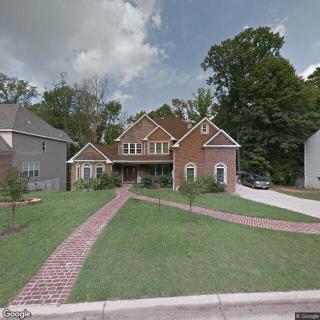

 Funding and Affording Assisted Living: A Thorough Overview
 Assisted Living Expenses and Long-Term Care Insurance: A Comprehensive Exploration
 Securing Financial Support for Assisted Living: A Comprehensive Overview