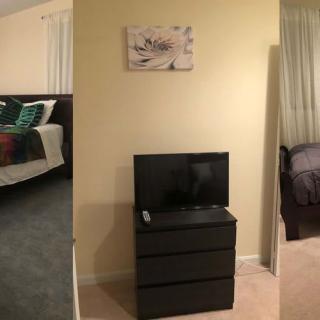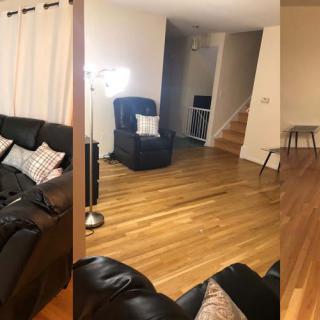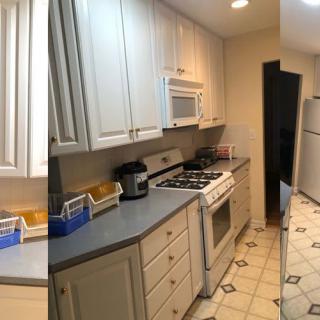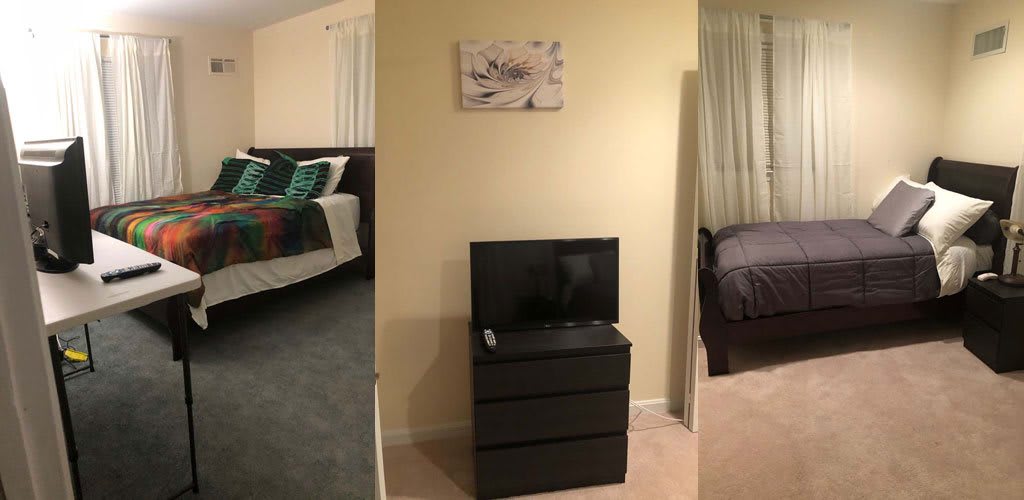
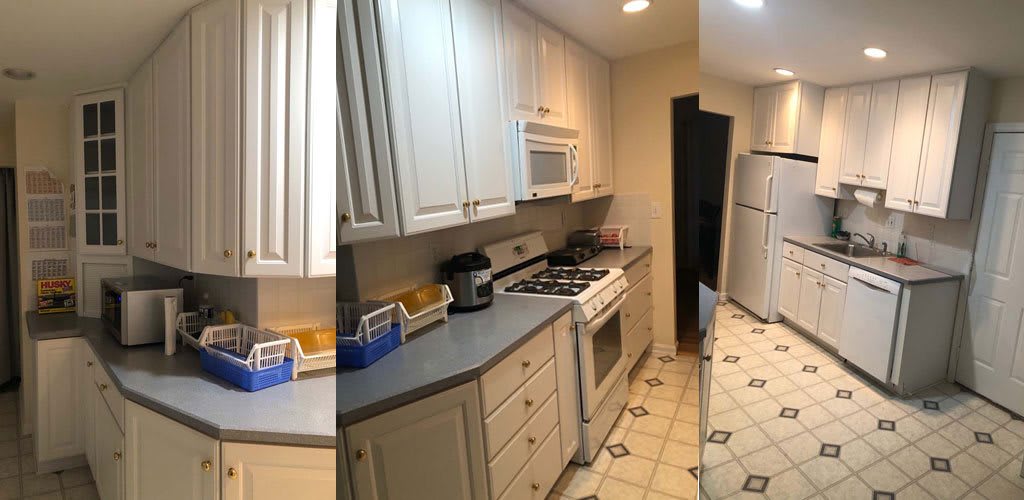
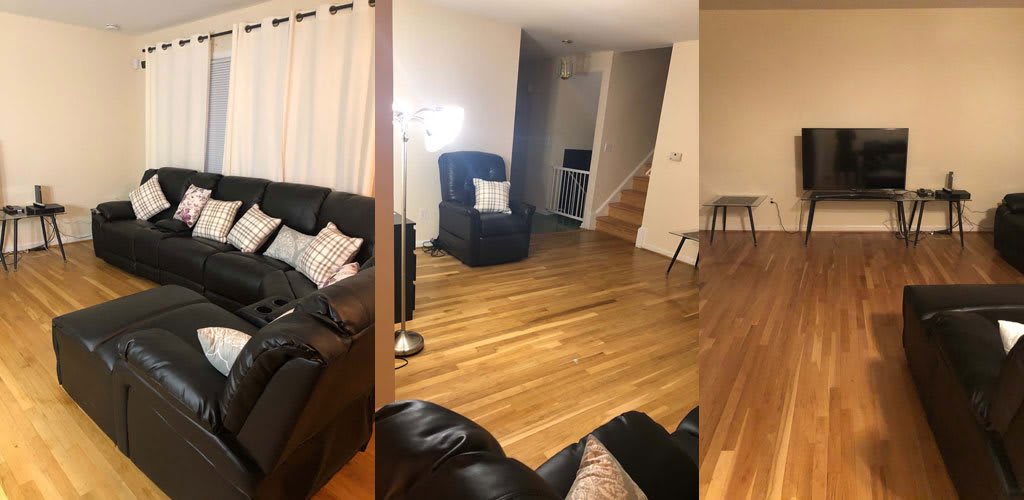
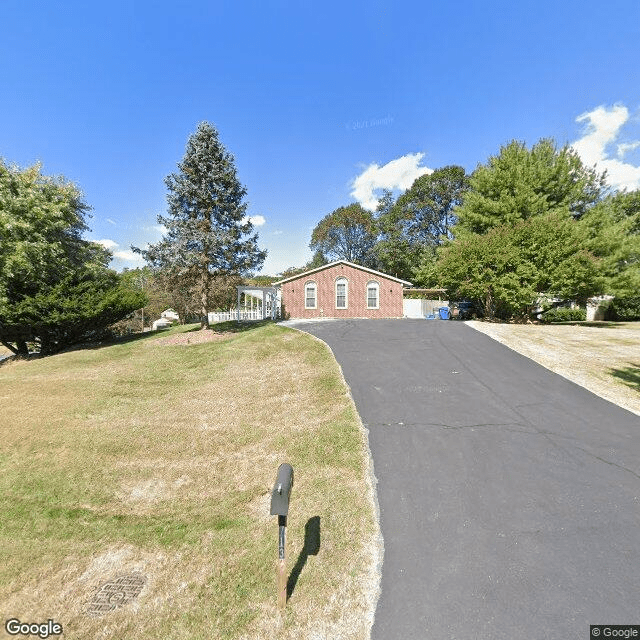
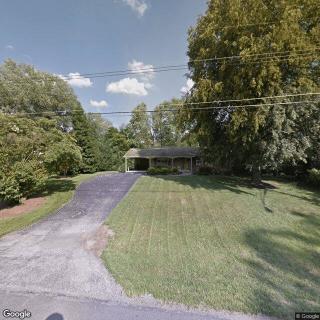
7713 Millerfall Road, Derwood, MD 20855
For more information about senior living options: (866) 208-4318
Miracle Manor Costs & Pricing
Miracle Manor presents an attractive and cost-effective option for senior living, particularly when compared to the average costs in Montgomery County and the broader state of Maryland. For a semi-private room, residents at Miracle Manor pay $2,500 per month, which is significantly lower than the county average of $4,337 and the state average of $3,545. Similarly, private rooms are offered at a competitive rate of $3,500, compared to $5,009 in Montgomery County and $4,112 statewide. Beyond pricing advantages, Miracle Manor excels in providing essential services that cater to individual needs - such as support for special dietary restrictions, coordination with healthcare providers, diabetes management plans, transportation for medical appointments, and assistance with daily living activities - which collectively enhance both value and quality of life for its residents.
| Floor plans | Miracle Manor | Montgomery County | Maryland |
|---|---|---|---|
| Semi-Private | $2,500 | $4,337 | $3,545 |
| Private | $3,500 | $5,009 | $4,112 |
Assisted Living communities with a similar price nearby
-
About the same
Amazing Grace Senior Care
$2,500 to $3,000 / month20.3 miles away -
from +$100 / mo
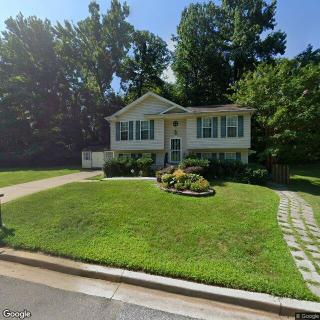
Rita's Adult Home Care II
$2,600 to $3,000 / month21.5 miles away -
from +$100 / mo

Chesterbrook Residences
$2,600 to $3,850 / month16.3 miles away -
About the same
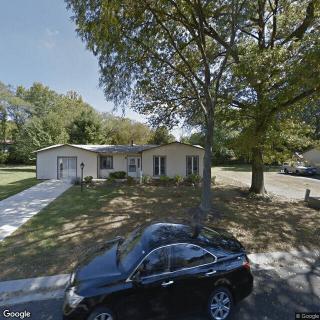
San Jose Care Home
$2,500 to $3,000 / month17.8 miles away -
from +$462 / mo
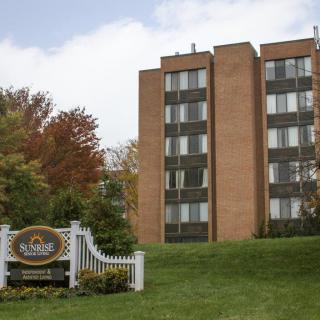
Sunrise at Montgomery Village
$2,962 to $6,270 / month3.1 miles away
Overall Review of Miracle Manor
Pros
 The owner and her staff were very patient and kind.
- The care provided by the owner’s staff is believed to have extended his life by a year.
- The family is forever grateful.
- The tour experience was great.
- The community was clean.
- Everything was very nice.
- The place is clean and in a good neighborhood.
- Favor is hands-on and compassionate.
- The staff were flexible with price.
Cons
 It did not feel right for their loved one.
Review
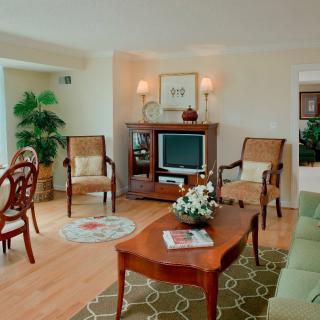
Miracle Manor in Derwood is best suited for families seeking deeply personal, dementia-focused care in a compact, home-like setting where ownership is hands-on and the staff are consistently patient and devoted. This community rewards families who prize steady routines, close relationships with caregivers, and a warm, nonclinical atmosphere. The leadership approach centers on daily presence and authentic connections, a pattern described by families as transformative for loved ones navigating memory decline. The facility sits in a clean, comfortable neighborhood, reinforcing a sense of safety and trust. For residents whose cognition benefits from predictable schedules and caregivers who know their histories, Miracle Manor offers a compelling blend of warmth and attentiveness that can meaningfully elevate daily life. The vibe contrasts with larger campuses and feels like a small, caring home, not a hospital ward.
Explicitly, those who require heavy medical oversight, rapid access to skilled nursing, or a broad activity slate should consider alternatives. A few families found that, despite cleanliness and friendliness, the setting did not feel like the right fit for their loved one’s temperament or needs. In such cases, a larger assisted living with dedicated memory-care wings or a campus offering more formal memory-programs might provide the structure and clinical support that Miracle Manor cannot duplicate. Prospective residents should assess whether the small-scale, intimate format yields enough stimulation and opportunities for socialization, or if a bigger footprint better matches long-term care requirements.
Yet the strongest positives, exceptional hands-on care, a consistently involved owner, and a staff that demonstrates real patience with dementia, tend to offset the main drawbacks. Family reports emphasize tangible improvements in daily life, with care perceived as life-enhancing rather than merely custodial. Cleanliness, a safe neighborhood, and a sense that care is tailored to the individual bolster confidence that a loved one will be treated with dignity. In particular, a caregiver described as hands-on and compassionate embodies Miracle Manor’s approach. This level of personal attention can stabilize mood, reduce agitation, and support routine activities that nurture independence, creating a durable argument for the small-scale model despite potential limits on programming.
However, the small footprint also means fewer bells and whistles than larger facilities, and not every resident will feel immediately at home. One family’s experience, late in the decision process, illustrated that a strong tour and clean, welcoming space do not automatically translate into a perfect match for every loved one. Cost sensitivity is real, and the ability to negotiate price helps, but ongoing affordability remains a practical concern for some households. The essential trade-off is clear: the same warmth that makes Miracle Manor special can coincide with a tighter activity calendar and fewer on-site resources. Families should drill into activity schedules, meal planning, and how often specialized therapies are provided to ensure expectations align with reality.
For families pursuing Miracle Manor, a practical plan is essential. Seek clear explanations of the caregiver-to-resident ratio, and confirm how the owner’s day-to-day involvement manifests in supervision and problem-solving. Request documentation of resident progress and a transparent outline of what the base rate includes versus what might incur additional charges. Ask how “hands-on” care translates across medication management, personal care, and safety protocols. Because tours have proven informative, arrange a second visit with a current family to observe routines and chat about transitions. Above all, match the resident’s behavioral patterns and social needs to the community’s cadence, if the fit checks that box, Miracle Manor can provide steadiness and meaningful daily engagement that families may struggle to find elsewhere.
In practical terms, Miracle Manor offers a compelling blend of intimate, dementia-aware care and owner-driven continuity that many families will value highly. It shines for households seeking a small, warm environment where staff know residents well, and where care feels personal and responsive. It may be less suitable for those who require extensive medical oversight, robust programming, or a campus with a wide array of services. The option to negotiate pricing adds a meaningful lever for affordability, but this should be weighed against long-term care needs and expected monthly costs. The recommended next steps are to deepen conversations with the owner and staff, observe a typical day, and reach out to current families about transitions. When alignment exists, Miracle Manor stands as a trusted, home-oriented solution for memory-care journeys.
 5 resident community capacity
 Assisted Living
 Board and Care Home
 Activities on-site
 Bath tubs
 Cable or satellite TV
 Devotional services off-site
 Dining room
 Fully furnished
 Garden
 Housekeeping services
 Indoor common areas
 Move-in coordination
 Outdoor space
 Private
 Telephone
 Wheelchair accessible showers
 Wi-Fi/high-speed internet available
 Washington Dulles International (21 miles away)
 24-hour supervision
 Ambulatory care
 Assistance with bathing
 Assistance with dressing
 Assistance with transfers
 Diabetes diet
 Diabetic care
 Incontinence care
 Meal preparation and service
 Medication management
 Special dietary restrictions
 Transportation arrangement (medical)
 Transportation to doctors appointments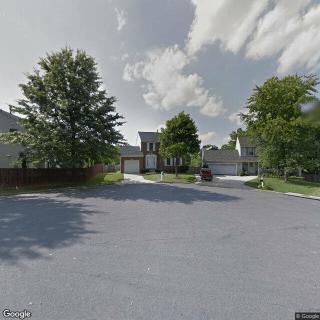



 Comprehensive Supportive Living Arrangements for Adults with Disabilities
 Funding and Affording Assisted Living: A Thorough Overview
 Assisted Living Expenses and Long-Term Care Insurance: A Comprehensive Exploration