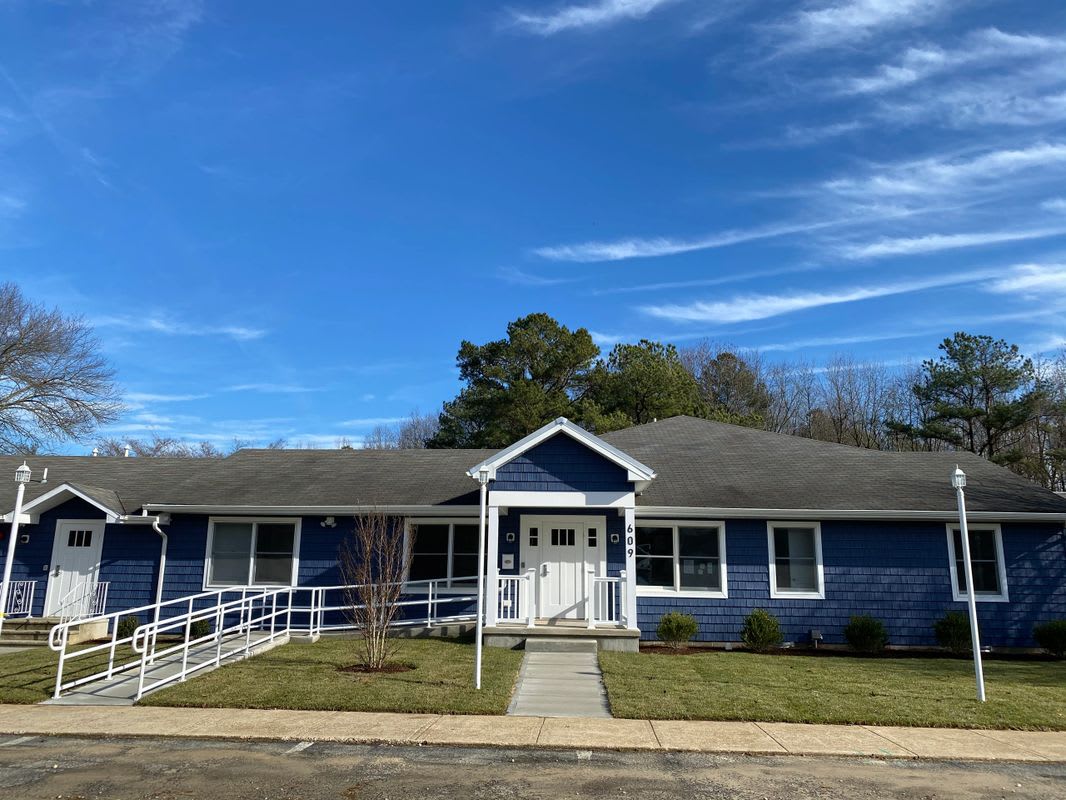
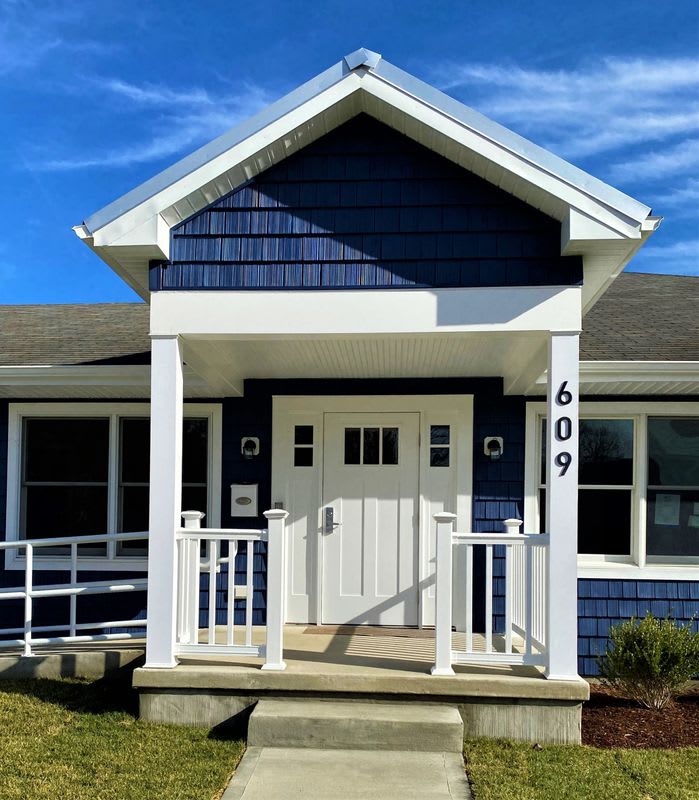
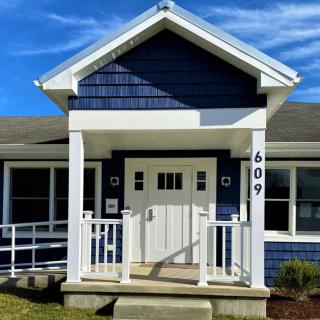
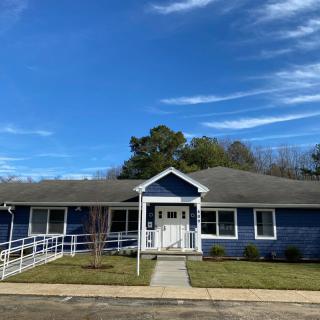
609 Daffin Ln, Denton, MD 21629
For more information about senior living options: (866) 208-4318
Arcadia of Denton II Costs & Pricing
Arcadia of Denton II offers competitive pricing for its accommodations, with monthly costs reflecting the value and services provided. For a studio apartment, residents can expect to pay $5,250, which aligns with the prices in Caroline County but is notably higher than the Maryland average of $4,656. The 1-bedroom option is also priced at $5,250, slightly above Caroline County's rate of $5,075 and significantly higher than Maryland's average of $3,904. For those seeking more space, a 2-bedroom unit at Arcadia is available for $6,250 - matching Caroline County's price while being considerably higher than the Maryland average of $3,497. Overall, prospective residents may find that while costs at Arcadia of Denton II are on the upper end compared to state averages, they reflect the quality and amenities provided within this community.
| Floor plans | Arcadia of Denton II | Caroline County | Maryland |
|---|---|---|---|
| Studio | $5,250 | $5,250 | $4,656 |
| 1 Bedroom | $5,250 | $5,075 | $3,904 |
| 2 Bedrooms | $6,250 | $6,250 | $3,497 |
Memory care communities with a similar price nearby
-
About the same
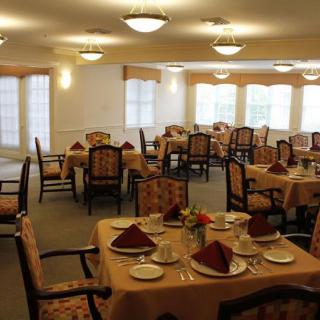
Heartfields at Easton
$5,200 to $8,910 / month16.0 miles away -
About the same
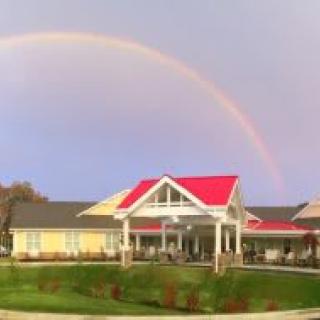
Candle Light Cove
$5,290 to $6,568 / month15.6 miles away -
from +$425 / mo
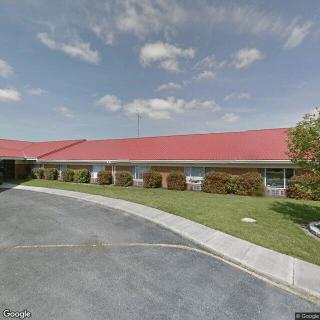
Greenwood Country Retirement & Rest Home
$5,675 to $5,825 / month11.5 miles away -
from -$750 / mo
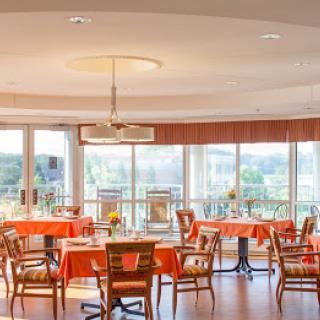
Lofland Park Center
$4,500 / month20.0 miles away
Overall Review of Arcadia of Denton II
Pros
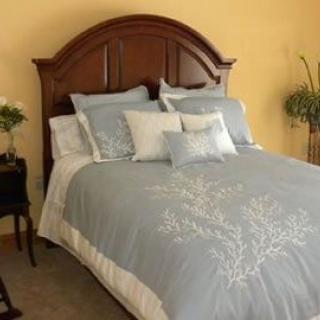
 Arcadia of Denton II feels homey and more like a home atmosphere than an institution.
- The staff are friendly and pleasant, with tour staff being especially nice.
- The facility is small and not crowded, with a good staff-to-resident ratio.
- It offers appealing amenities, including an outside garden, a salon area, and a hair-washing station.
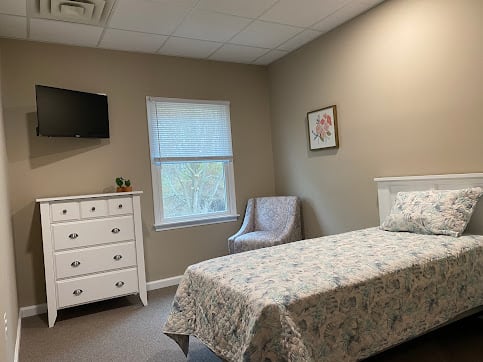
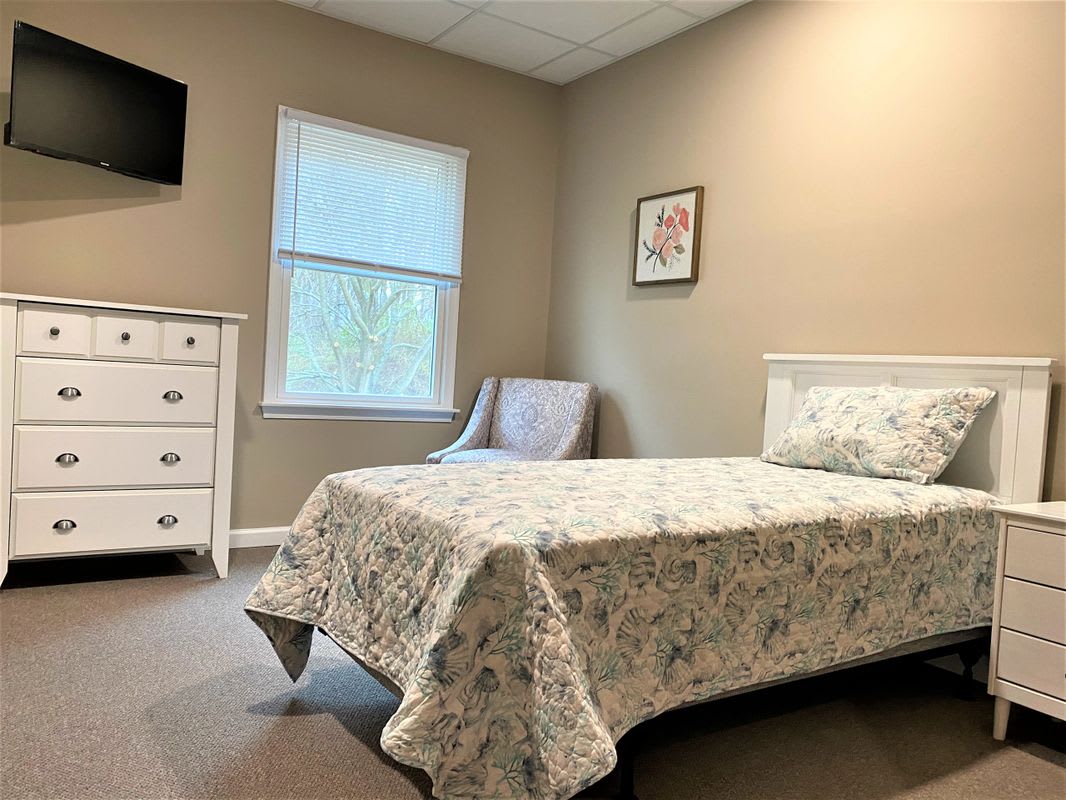
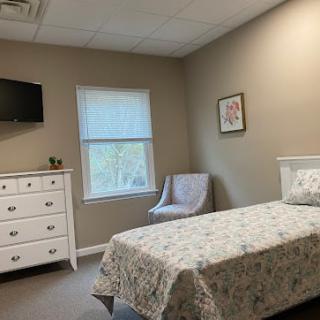
- The rooms are nice, well‑laid out, clean, and give a home-like impression.
- The dining area is nice and the meals are really good with many options.
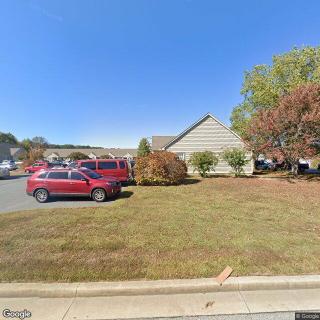
- The campus is well-kept, secure, and quietly inviting.
- There are activities and amenities available for residents to enjoy.
- The location is convenient for family visits and easy to access.
- The courtyard and green spaces add to the overall appeal.
Cons
 The staff did not seem well-trained.
- There did not appear to be enough staff to carry out activities.
- Caregivers chalked changes in the patient's condition up to dementia and did not look for other causes.
- The patient was severely dehydrated and had a bad urinary tract infection that was not identified in time.
- The urinary tract infection led to kidney problems and a downward spiral that culminated in his death.
- There was no place for physical therapy.
Review
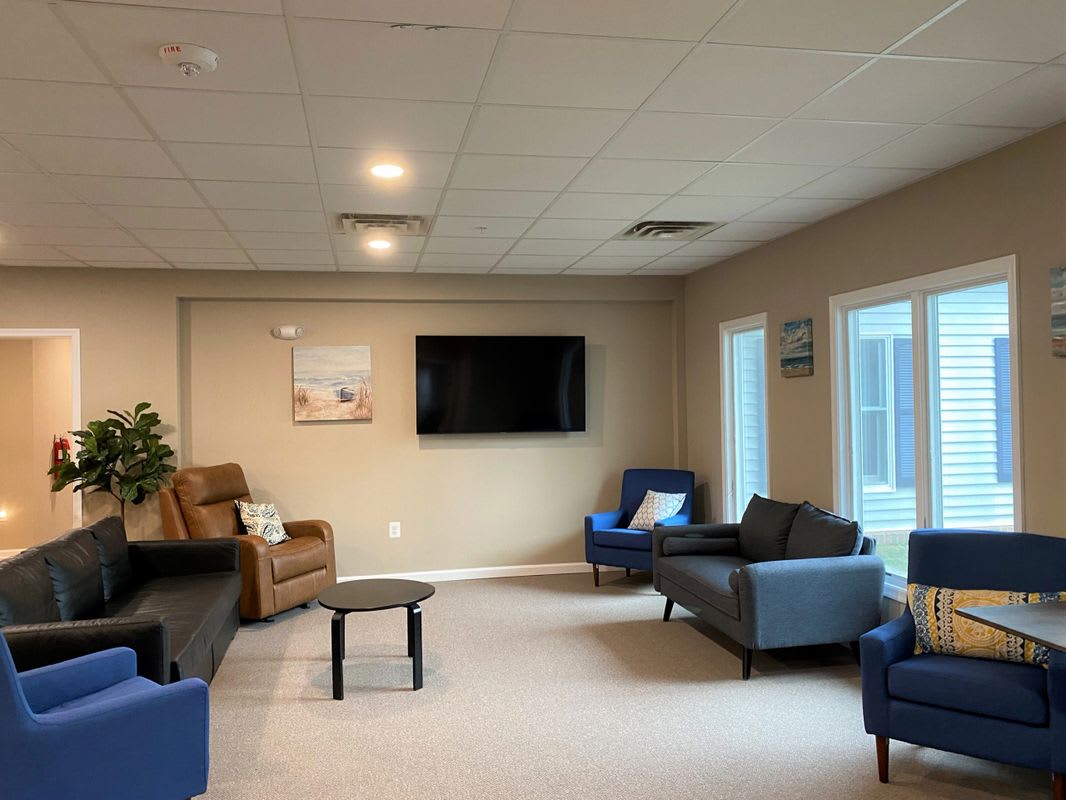
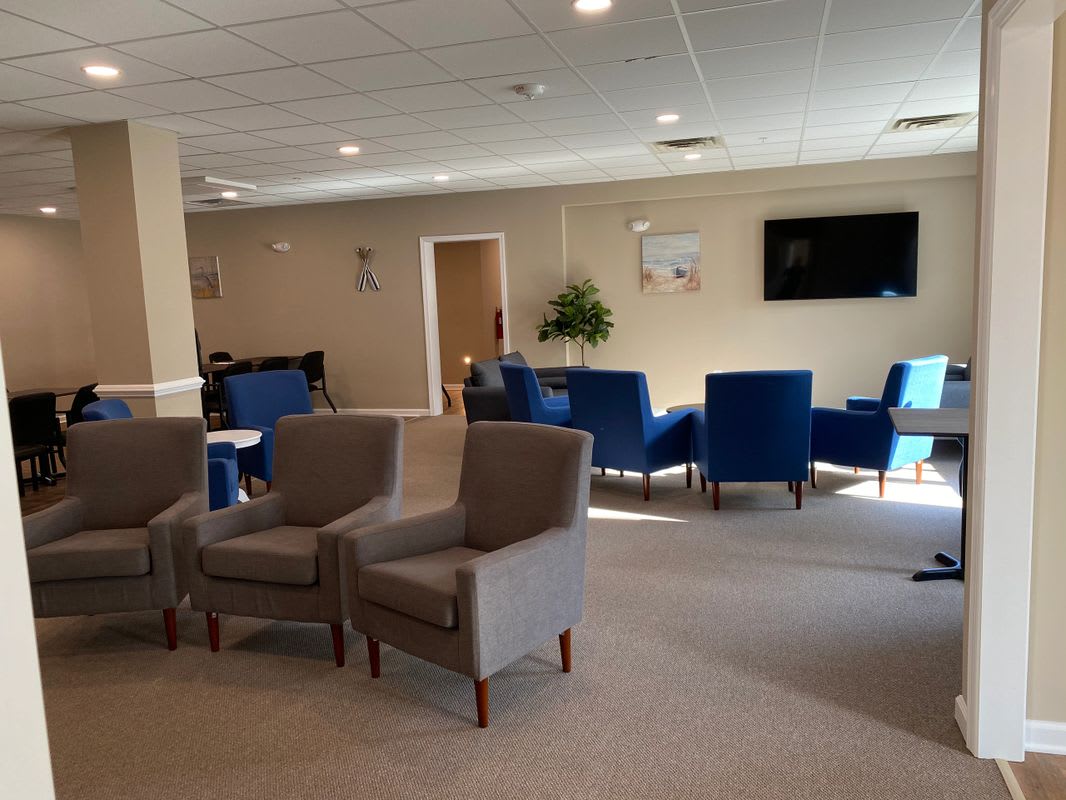
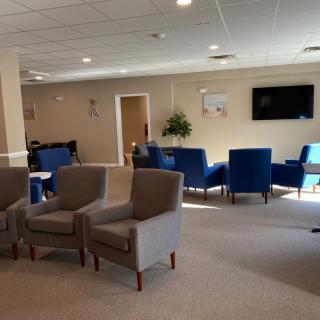
Arcadia of Denton II is best suited for seniors who want a deliberately intimate, home-like setting rather than a sprawling, campus-like experience. The community appeals to families seeking a small, manageable environment with a warm, neighborly feel, not an impersonal institution. With around 16 beds and a layout designed for easy navigation, residents enjoy a calm, predictable routine, comfortable rooms, and a shared sense of coziness. The atmosphere remains clean and well kept, and the space includes a first-floor option, a courtyard and garden, a salon area, and practical conveniences like a hair-washing station. Dining areas and common rooms are inviting, reinforcing the impression of a home that happens to be a care setting.
Those needing robust, on-site rehabilitation or a highly structured dementia program may want to look elsewhere. Several observations note the absence of on-site physical therapy, and while activity programming exists, its visibility and uptake can be inconsistent. The small staff pool, while enabling personalized attention, can limit the breadth and frequency of formal activities and specialized interventions. For families dealing with dementia or frequent health fluctuations, these gaps can translate into slower recognition of non-dementia health issues. If immediate admission is necessary or if a more active social calendar and formal rehab services are non-negotiable, pursuing other communities with larger teams and dedicated therapy suites is prudent.
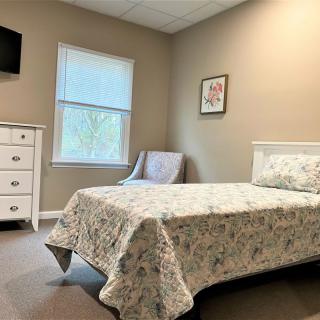
The strengths at Arcadia of Denton II, the stable, long-tenured staff, the home-like ambiance, and the emphasis on calm comfort, offset several potential drawbacks. A small footprint often translates into a higher caregiver-to-resident ratio, supporting individualized attention and quicker responses to daily needs. Residents report pleasant meals and a dining environment that feels welcoming, and rooms are thoughtfully laid out and easy to navigate. The facility’s secure, quiet setting, plus accessible outdoor spaces and a courtyard, create predictable routines that reduce anxiety for seniors and their families. This combination makes the place feel like a respectful, dignified next step rather than a clinical stopover.
Yet the trade-offs matter. The lack of on-site rehabilitation means any medical or physical therapy needs require outside arrangements, potentially delaying progress after surgery or injury. Activity programming exists, but its impact depends on staffing and resident interest, which can leave some families feeling less engaged or less visible. Health vigilance is essential; the experience of dehydration and a urinary tract infection in a dementia context underscores the risk of attributing changes to dementia alone. Families should probe current health supervision, medication management, and clarity on how staff monitors hydration, infections, and other treatable conditions, especially when a resident’s condition shifts rapidly.
When evaluating, insist on concrete answers about availability, waitlists, and intake timelines, since openings are often limited. Request a detailed tour of any memory care options if needed, along with the staff’s credentials and turnover rates. Review the activity calendar and observe a session if possible to gauge engagement levels. Sample meals, dietary accommodations, and cooking schedules provide useful insights into daily life. Confirm whether transportation, guest access, and visiting hours align with family routines, and verify security measures that keep residents safe yet connected to loved ones. Lastly, negotiate a transparent fee structure, including any move-in costs, ongoing charges, and what happens if care needs intensify.
For families prioritizing a calm, intimate environment with a strong sense of home, Arcadia of Denton II offers a compelling option worth pursuing. The combination of a small, well-kept setting, experienced staff, and comfortable amenities supports steady routines and meaningful social interaction for residents who don’t require intensive rehab or complex memory-care programming. However, if immediate placement, robust on-site rehab services, or a bustling activities program are non-negotiable, alternatives with larger teams and broader offerings should be explored. The prudent path is to visit with a precise checklist, verify current availability, and assess how well the care model aligns with the specific health and social needs of the person considering Arcadia of Denton II.
 Assisted Living
 Memory Care
 Activities on-site
 Air-conditioning
 Cable or satellite TV
 Devotional services off-site
 Garden view
 Ground floor units
 Handicap accessible
 Indoor common areas
 Outdoor common areas
 Respite or short term stays offered
 Wheelchair accessible showers
 Wi-Fi/high-speed internet available
 Diabetic care
 High acuity care
 Incontinence care
 Medication management
 Anytime dining
 BBQs or picnics
 Birthday parties
 Brain fitness
 Intergenerational programs
 Karaoke
 Pet-focused programs
 Stretching classes
 Trivia games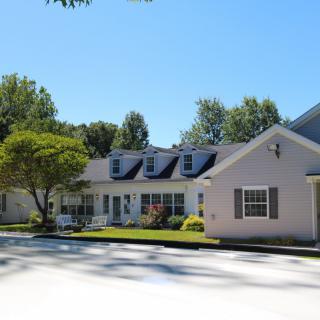

 Memory Care Pathways: A Holistic Guide to Dementia Support
 Comprehending Evening Confusion in Dementia: Causes, Manifestations, and Support
 Delirium and Dementia: Unraveling the Key Differences