
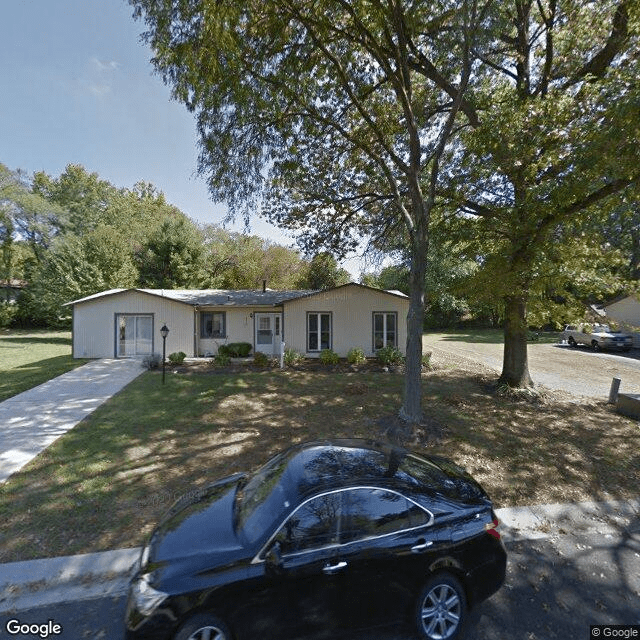
9316 Pilar Court, Columbia, MD 21045
For more information about senior living options: (866) 208-4318
San Jose Care Home Costs & Pricing
San Jose Care Home offers competitive pricing for its residential care options, with private rooms available at $2,500 per month and semi-private rooms at $3,000. These rates are significantly lower than the average costs in Howard County, Maryland, where private rooms average around $4,003 and semi-private options are approximately $3,865. Even when compared to state averages - $4,112 for a private room and $3,545 for a semi-private room - San Jose Care Home stands out as an economical choice without compromising on quality of care. This affordability positions it as an attractive alternative for families seeking supportive living arrangements while keeping financial considerations in mind.
| Floor plans | San Jose Care Home | Howard County | Maryland |
|---|---|---|---|
| Private | $2,500 | $4,003 | $4,112 |
| Semi-Private | $3,000 | $3,865 | $3,545 |
Assisted Living communities with a similar price nearby
-
from +$475 / mo
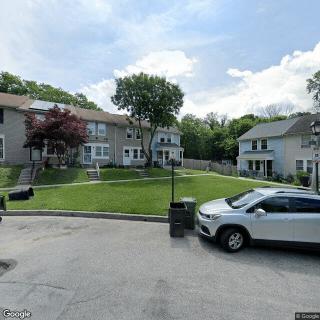
Gneale Home Care
$2,975 / month9.7 miles away -
About the same

Amazing Grace Senior Care
$2,500 to $3,000 / month19.0 miles away -
About the same
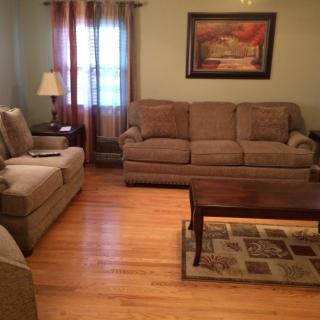
Ovalstone Comfort Home
$2,470 to $3,300 / month15.5 miles away -
from +$100 / mo

Rita's Adult Home Care II
$2,600 to $3,000 / month21.4 miles away -
from -$100 / mo

HMG Assisted Living Home
$2,400 to $4,750 / month19.9 miles away
Overall Review of San Jose Care Home
Pros
 They welcomed the family in like family and provided loving care in a safe environment.
- The caregivers helped Mom transition smoothly and infused joy into her days.
- They took sincere interest in getting to know her and found she responded well to humor.
- They encouraged her daily and offered thoughtful, gentle support as dementia progressed.
- They shared photos and videos of moments when Mom was engaged, which was reassuring.
- The staff are devoted to creating the best possible quality of life for each resident, with individualized, attentive care.
- They paid close attention to details, from her favorite ice cream to her preferred morning tea.
- The home is bright and open inside, yet cozy, offering simple moments of happiness like watching deer and birds.
- It is a home, not a facility; all caregivers treat residents with loving kindness, care, and respect.
- The care and care management are excellent, with attentive, empathetic staff who keep families informed.
Cons
 They did not feel welcomed upon arrival.
- During the discussion, the staff seemed concerned about having to assist with bathing and dressing.
- They felt the facility did not encourage daily activities and relied on residents to opt in, rather than promoting activities beyond watching TV.
Review
This community is best suited for families seeking a true home atmosphere in assisted living, especially when the priority is individualized care delivered with warmth and continuity. It works well for residents who respond to a personal touch, enjoy small daily pleasures, and benefit from care that feels attentive rather than clinical. The setting is ideal for memory-care–adjacent support: caregivers take time to learn a resident’s quirks, routines, and preferred humor, then weave those elements into daily life. Families that want transparent, ongoing communication will find reassurance in the practice of sharing photos and short updates that illustrate moments of social engagement and progress. In short, this is a strong fit for those who value a cozy, neighborhood-home vibe and deeply personalized attention over a institutional feel.
Those evaluating alternatives should note that this community may not be the first choice for residents who crave a bustling activity calendar or robust on-site medical services. One review described a lukewarm welcome upon arrival and a perception that daily activities were not actively promoted, relying more on residents to initiate engagement. For families prioritizing structured exercise programs, formal group outings, or a high level of hands-on assistance with bathing and dressing, a larger, more programmatic facility could deliver more of the social programming and clinical resources some residents require. Additionally, families needing intensive, round-the-clock medical supervision or expansive rehabilitation services may find more options in communities designed to handle higher acuity.
The strongest advantages, an intimate, home-like setting, and care that feels individualized and heartfelt, largely offset these potential drawbacks. The staff’s devotion to quality of life translates into practical benefits: daily routines shaped around resident preferences, careful attention to small joys (a favorite ice cream, a preferred cup of tea), and a calm, patient approach to dementia progression. This is a setting where caregivers remember personal stories, capture meaningful moments on camera, and share them with families to reinforce peace of mind. The size and layout of the home contribute to a sense of security and belonging that can be hard to achieve in larger operations, helping residents settle in quickly and maintain a gentle pace of life.
Communication stands out as a core strength that offsets some gaps in programming. Families consistently report being kept informed about medical issues and behavioral changes through regular updates and direct lines of contact with owners and managers. That level of accessibility matters, especially for loved ones navigating memory care needs, medication adjustments, or fluctuating health concerns. When care plans are dynamic, as dementia often requires, having a team that can articulate what changed, why, and what comes next makes the daily experience feel predictable and manageable rather than disorienting. In a setting that prioritizes human connection, such communication is not ancillary, it is central to decision-making for families.
Diet and everyday life are also meaningful differentiators. The emphasis on fresh fruits and vegetables contributes to overall health and offers a tangible sign that nutrition is taken seriously. While one reviewer wished for more deliberate programming around activities beyond watching TV, the social fabric created by a homey kitchen, shared meals, and informal interactions still provides opportunities for connection, humor, and gentle cognitive stimulation. The combination of thoughtful meals, comfortable spaces, and the ability to foster personal connections through small acts of care creates a steady rhythm that many families value deeply. It is a setting where daily life feels manageable, dignified, and individualized rather than rushed or impersonal.
In the final assessment, this community earns a clear recommendation for families seeking a warm, attentive, home-like assisted living experience that treats residents as individuals with distinct histories and preferences. It excels when the goal is ongoing reassurance, transparent reporting, and a caregiving team that remembers the details of a resident’s life and responds with flexibility. Those who must balance the desire for a serene, intimate environment with the need for a strong program of activities or more intensive daily-care supports should weigh the trade-offs carefully. If the priority is a highly structured activity schedule or substantial on-site clinical services, exploration of larger or more programmatic options is prudent. Yet for families prioritizing dignity, personalization, and the quiet confidence that comes from genuinely caring caregivers, Sequoia Senior Care presents a compelling, practically sound choice.
 8 resident community capacity
 Assisted Living
 Board and Care Home
 Cable or satellite TV
 Dining room
 Fully furnished
 Garden
 Housekeeping services
 Move-in coordination
 Outdoor space
 Private
 Telephone
 Wi-Fi/high-speed internet available
 Baltimore-Washington International (9 miles away)
 24-hour supervision
 Activities of daily living assistance
 Assistance with bathing
 Assistance with dressing
 Assistance with transfers
 Diabetes diet
 Meal preparation and service
 Medication management
 Special dietary restrictions
 Transportation arrangement (medical)
 Transportation to doctors appointments



 Understanding Medicaid Coverage for Assisted Living: A Comprehensive Guide
 How and When Medicaid May Cover Assisted Living Costs
 A Detailed Exploration of Assisted Living Medicaid Waivers Across the United States