
9534 Angelina Circle, Columbia, MD 21044
For more information about senior living options: (866) 208-4318
Overall Review of Always Caring
Pros
 All Ways Caring Silverdale is described as a shining light of hope and help.
- The first phone call leaves clients feeling heard, cared for, and hopeful they found the right service.
- Sabina's home visit is described as feeling like meeting a long-lost family member.
- The staff's compassion and dedication are described as a blessing that changes the family for the better.
- Sabina stepping up to help a client is described as brightening the client's day.
- Jessica provides excellent care, helps with groceries and appointments, and supports rehab with effective communication.
- Sabena is described as fantastic: responsive, easy to communicate with, and supportive.
- The group home environment is well-kept and home-like, with on-site nurses and other medical staff, providing a sense of one-on-one care.
Cons
 Kimberly is a horrible manager, rude and completely unsympathetic to the needs of the disabled.
- The staff don’t take residents anywhere, and outings are not being provided.
- The reviewer urged that a better service provider be found.
Review
This community is best suited for families seeking deeply personalized, home-like assisted living with ready access to medical supports and a strong emphasis on one-on-one attention. In Columbia, MD, Always Caring presents as a group-home–style option that emphasizes a warm, family-dining atmosphere, spacious private rooms, and integrated rehab spaces. Residents benefit from on-site nursing coverage, a nurse practitioner for primary care, and a podiatrist, creating a medical safety net without settling for a sterile, impersonal facility. Care teams are described as nurturing, with caregivers who tailor routines to individual mobility goals, daily living needs, and personal preferences. For families prioritizing continuity of care and a home feel over a traditional, clinical setting, this provider stands out.
Those who may want to consider alternatives include families seeking a broader slate of social programming and more off-site outings, or those who value highly consistent management across multiple locations. The model here is very home-oriented and hands-on, which may not align with every resident’s social expectations or with families looking for a more conventional, facility-based calendar of activities. If budget constraints are tight, or if a strictly hospital-grade level of oversight and standardized programming is essential, it may be prudent to compare with larger, more programmatic communities that operate on different care and expense scales.
On balance, the strongest positives revolve around staff dedication and the integrative care approach. Caregivers are praised for patient communication, practical support with groceries and errands, and steady participation in PT/OT and home exercise routines. The presence of two on-site nurses, a nurse practitioner, and a podiatrist translates into practical, timely medical attention and coordinated rehab, which helps residents progress without requiring frequent hospital visits. Family-style dining and a home-like environment reinforce comfort and dignity, while mobility-focused spaces, treadmills, steps, and dedicated rehab areas, support daily improvement. In tandem, these strengths help offset potential downsides by delivering tangible progress, reliable accessibility, and a sense of safety.
Yet there is a cautionary note regarding management experiences. One negative review singles out a manager as rude and unsympathetic, signaling that leadership consistency may vary. Such feedback matters because administrative responsiveness often underpins scheduling, accommodations, and crisis handling. The remainder of the reviews highlight quick, constructive responses from other leaders and strongly commend the flexibility and warmth of the caregiving staff, suggesting that governance quality can swing between strong and uneven. For families, this means due diligence is essential: verify who is currently managing the local operation and how complaints are handled, especially when care needs escalate or a care plan requires rapid adjustment.
Another practical tension lies in activity scope. Several reviews note that outings and off-site socialization are not a prominent feature, with emphasis placed on in-place rehab and home-based routines. This aligns with a more intimate, family-style model but may disappoint residents who crave regular excursions or broader community engagement. The pro-care, home-centric approach can thus be a double-edged sword: it nurtures comfort and personalized attention, yet it may limit the breadth of social opportunities. Families should assess whether in-house activities, rehab, and one-on-one engagement satisfy desired quality of life, or if a community with richer external programming would be more compatible.
Overall, the platform presents substantial value for families prioritizing close caregiver relationships, medically supported daily living, and a home-like environment. The on-site medical team and rehab-focused amenities, paired with consistently described warmth from front-line staff, create meaningful momentum for residents who benefit from individualized attention and mobility work. The single, clearly articulated caveat about management style serves as a practical reminder to confirm current leadership dynamics and to meet the team in person before committing. For families weighing options, the decisive question is whether a home-oriented, medically equipped setting, with strong day-to-day caregiver rapport, aligns with the resident’s social expectations and the family’s care philosophy.
 8 resident community capacity
 Assisted Living
 Cable or satellite TV
 Dining room
 Fully furnished
 Garden
 Housekeeping services
 Move-in coordination
 Outdoor space
 Telephone
 Wi-Fi/high-speed internet available
 Baltimore-Washington International (9 miles away)
 24-hour supervision
 Activities of daily living assistance
 Assistance with bathing
 Assistance with dressing
 Assistance with transfers
 Diabetes diet
 Meal preparation and service
 Medication management
 Special dietary restrictions
 Transportation arrangement (medical)
 Transportation to doctors appointments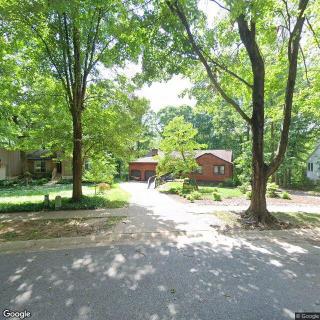





 Comprehensive Insights into Activities of Daily Living (ADLs) and Their Assessment
 Medicare Coverage for Assisted Living: An In-Depth Exploration
 Choosing the Right Senior Care: A Detailed Exploration of Assisted Living and Nursing Homes