
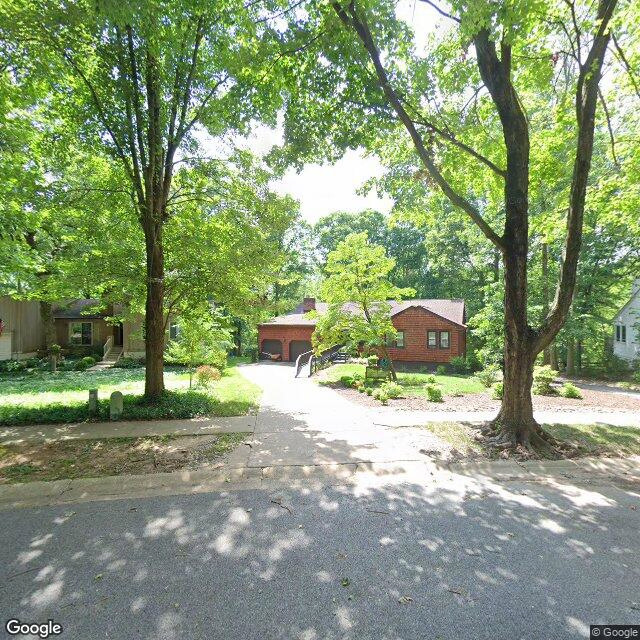
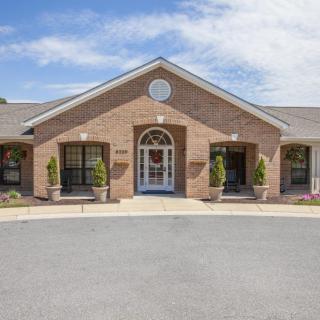
9534 Angelina Circle, Columbia, MD 21045
To contact a resident: (410) 309-9654
For more information about senior living options: (866) 208-4318
Always Caring Costs & Pricing
Always Caring offers competitive pricing for its private rooms at $3,802 per month, which positions it as a cost-effective option compared to the local market. In Howard County, the average monthly fee for similar accommodations is approximately $4,003, while the broader Maryland state average reaches around $4,112. This pricing structure reflects Always Caring's commitment to providing quality care at reasonable costs, ensuring that residents receive both value and support in a comfortable environment. By maintaining rates below those of surrounding areas, Always Caring makes quality senior living more accessible to families seeking reliable assistance for their loved ones.
| Floor plans | Always Caring | Howard County | Maryland |
|---|---|---|---|
| Private | $3,802 | $4,003 | $4,112 |
Senior living communities with a similar price nearby
-
from +$198 / mo

Catherine's House
$4,000 / month23.6 miles away -
from -$302 / mo
Best Home for Mom and Dad
$3,500 to $4,500 / month13.5 miles away -
from +$698 / mo
Olney Memory Care
$4,500 / month13.0 miles away -
from +$198 / mo
Montgomery Eldercare I
$4,000 to $5,900 / month10.4 miles away -
from -$602 / mo

Mumsey's Residential Care
$3,200 to $5,400 / month14.2 miles away
Overall Review of Always Caring
Pros
 Sabina and Kerri delivered outstanding, compassionate care.
- Kerri was kind, patient, and attentive, staying with the client throughout the process and helping afterward.
- The team followed up with a thoughtful check-in call the day after, showing genuine concern for recovery.
- The staff's compassion, reliability, and willingness to go above and beyond made a difference.
- The care community feels like a warm family environment, not an institution.
- The facility is very clean with attentive staff and a peaceful, scenic setting.
- Long-tenured staff demonstrate stability and commitment to residents.
- Jessica’s care helped her brother practice walking, coordinate PT/OT, and support home exercises, contributing to recovery.
- Sabena was responsive and supportive, making communication easy and reassuring.
Cons
 Kimberly was described as a horrible manager, rude and completely unsympathetic to the needs of the disabled.
- Some staff members appeared overwhelmed, which was understandable given the circumstances.
- The facility required residents to share a bathroom and had hallways that did not look large enough to accommodate a walker.
- The residents who were there looked like zombies.
- A reviewer noted that a staff member arrived about 45 minutes late.
Review
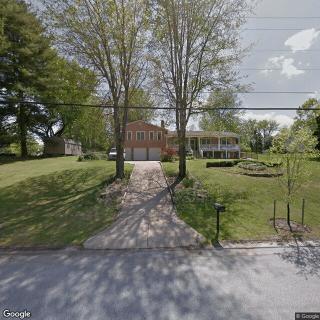
Always Caring in Columbia, MD is best suited for families seeking a small, home-like assisted living option where residents are cared for with genuine warmth and individualized attention. The community operates as a converted residence with a tight-knit eight-person footprint, set in a quiet, residential part of town near Lake Elkhorn. This configuration rewards residents who value consistency, daily hands-on support, and a sense of belonging that feels more like family than a clinical setting. Caregivers are praised for going the extra mile, driving to appointments, coordinating therapy, and checking in after procedures, which translates into practical peace of mind for families navigating complex schedules and medical needs. The atmosphere is uncomplicated and intimate, with staff who reliably remember residents’ routines and preferences, which often translates into smoother days and less anxiety for loved ones.
That clarity about size and vibe also signals who may want to consider alternatives. For families prioritizing larger campuses with extensive programming, formalized memory care options, or more intensive clinical oversight, Always Caring may feel too modest or fragmented. A few reviews flag potential limits in mobility infrastructure and privacy: shared bathrooms in this home-like setup, narrow hallways that can complicate walker or wheelchair navigation, and a sense from some observers that not all staff feel equally empowered or overwhelmed at times. While these are not universal experiences, they matter in decision-making, especially for residents with higher care needs, complex therapies, or mobility restrictions. In short, those seeking a spacious, highly resourced campus or a facility with broad campus-wide amenities should evaluate other options.
The strongest pro line drives a practical return on investment: exceptionally compassionate, dependable caregiving paired with a truly intimate environment. Caregivers are repeatedly described as patient, attentive, and collaborative, with concrete demonstrations of commitment, accompanying residents to therapy, assisting with home exercises, and coordinating transport to appointments. The small scale fosters a “family-like” culture in which staff know residents’ histories and preferences, enabling personalized care plans rather than generic routines. Several reviewers highlight the benefit of long-tenured staff, which tends to translate into fewer care gaps and quicker problem-solving during emergencies or schedule changes. The home’s quiet, residential setting and attractively kept common areas further support a sense of security and comfort, making daily routines feel predictable rather than stressful.
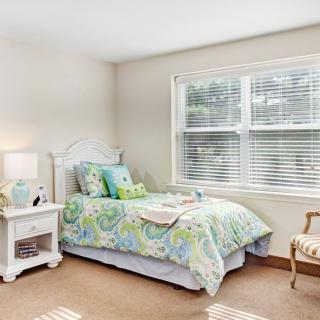
Other positives reinforce the advantage of the small-house model when it comes to day-to-day quality of life. The environment is described as safe, clean, and welcoming, with a clear sense of pride from owners who have operated in this space for many years. Families report that managers and supervisors are accessible, responsive, and capable of aligning care with family expectations, especially when transitions to home-based care or hospital visits become necessary. The proximity and the opportunity for truly private moments in a private room, where available, contributes to dignity and autonomy for residents who still value independence within a supervised setting. Reviewers also point to the practical benefits of local familiarity: a neighborhood location, visible scenery, and a smaller footprint that makes each resident feel seen and valued rather than lost in a crowd.
Yet the cautionary notes deserve careful consideration. The most pointed concerns center on variability in staff capacity and the physical layout. A reviewer’s report of a manager who felt unsympathetic underscores the reality that not every leadership relationship will land well, and family members should verify warmth and responsiveness with their own visits and conversations. The physical layout, shared bathrooms, narrow corridors, and limited walker-accessibility, can be a real constraint for those with significant mobility or privacy needs. And while several testimonials celebrate the home’s intimate feel, others have perceived its scale as constraining compared with larger facilities that offer more social programming or specialized therapy cohorts. The bottom line is that the very traits that produce a residential, comfortable atmosphere can also translate into limitations for some clinical or mobility requirements.
For families weighing options, the practical takeaway is clear: Always Caring is an excellent match for residents who crave personal attention, a steady caregiver cadre, and a homelike environment that reduces the clinical distance often felt in larger communities. It rewards those who arrive with moderate care needs, good mobility, and a preference for close relationships with staff and the family owners. Pros offset cons when the care plan emphasizes daily consistency, mobility-friendly adjustments in individual rooms, and transparent communication with a manager who is accessible and engaged. Pros also offset cons when visits are used to confirm floor plans, private room availability, and the feasibility of private baths within the chosen apartment.
Conversely, families confronting higher medical complexity, a need for broad social programming, or a requirement for barrier-free, wheelchair-ready interiors across multiple rooms should assess alternatives with larger campuses or dedicated memory-care or rehab-focused communities. Those prioritizing expansive dining options, on-site therapists, and a more institutional cadence may not find the same breadth of services in this intimate setting. Still, for the right resident, one who values consistency, a tightly knit caregiving team, and a home that feels like a beloved residence, the choice to lean into Always Caring can yield tangible, day-to-day benefits: calmer mornings, fewer care plan gaps, and a level of comfort that only a small, family-style operation can deliver. In the end, the decision hinges on balance, between intimate, personalized attention and the scale and breadth of services that larger facilities provide.
 Board and Care Home
 Private
 Baltimore-Washington International (9 miles away)
 Diabetic care
 High acuity care
 Caring for Those Who Care: Recognizing, Understanding, and Overcoming Caregiver Burnout
 Caregiver Exhaustion: Recognizing the Signs and Restoring Your Well-Being
 Understanding Hospice Care at Home: Comprehensive Services, Key Benefits, and Eligibility