For more information about senior living options: (866) 208-4318
3.6 from 36 reviews
5 stars
15
4 stars
8
3 stars
5
2 stars
1
1 stars
7
Dulaney Valley Assisted Living at Hunt Valley Costs & Pricing
Dulaney Valley Assisted Living at Hunt Valley offers competitive pricing for its services when compared to the broader market in Baltimore County and across Maryland. For residents seeking a semi-private room, the monthly cost is $4,000, which is slightly above the county's average of $3,584 and the state average of $3,545. In the case of private rooms, Dulaney Valley charges $4,500 per month; this again positions it above the regional average of $4,031 and the state figure of $4,112. While these costs are higher than both county and state rates, they reflect a commitment to quality care and amenities that set Dulaney Valley apart in terms of resident experience.
Floor plans
Dulaney Valley Assisted Living at Hunt Valley
Baltimore County
Maryland
Semi-Private
$4,000
$3,584
$3,545
Private
$4,500
$4,031
$4,112
Senior living communities with a similar price nearby
from -$200 / mo
AllView Retreat
5 from 16 reviews
$3,800 to $5,000 / month
24.8 miles away
from -$500 / mo
Greenway Manor
4.9 from 19 reviews
$3,500 to $3,800 / month
17.5 miles away
from -$500 / mo
Hanover Assisted Living
4.9 from 101 reviews
$3,500 to $5,000 / month
23.9 miles away
from -$375 / mo
Brightview Avondell
4.8 from 147 reviews
$3,625 to $5,165 / month
15.4 miles away
from -$610 / mo
Commonwealth Senior Living at Bel Air
4.8 from 84 reviews
$3,390 to $6,180 / month
14.6 miles away
Overall Review of Dulaney Valley Assisted Living at Hunt Valley
differentiator2 reviews mention this
Dementia care is a focus
Residents’ feedback points to dementia-focused training and support.
Several families describe the staff as patient with dementia and specifically trained to assist residents with memory loss. One reviewer also highlights that the tour guide teaches staff how to assist people with dementia.
caveat4 reviews mention this
Caregivers and staffing quality vary
Some residents’ families report understaffing and inconsistent aide support.
Multiple reviews describe frequent staff changes and concerns about aides not being properly trained or attentive. A few reviewers also connect staffing issues to missed help with toileting, falls, and hospitalization, while others mention being unable to get consistent help during visits. Even where the nurse is described positively, residents’ families still raise concerns about the overall reliability of day-to-day support.
caveat2 reviews mention this
Activities feel limited
Some residents report few activities during the day.
At least a couple of reviews say they never see activities happening, with one describing residents mainly sitting in the living room. Another reviewer says activities could improve and that their loved one seems placed in front of the TV rather than engaged. One reviewer does mention activities are offered, but the overall picture in these accounts is that programming is not consistently visible.
caveat2 reviews mention this
Portions are criticized
Some families feel the meals are too small.
A couple of reviews raise concerns about portion size, describing meals as small or portioned out lightly. Other dining details are mixed across reviews, but these accounts specifically call out that servings did not meet expectations.
caveat3 reviews mention this
Pricing is a mixed factor
Families describe both affordable pricing and difficult payment outcomes.
One reviewer selected the community in part because it felt affordable and because it would accept Medicare after their loved one’s funds ran out. Other reviews, however, describe refund or contract problems—such as paying for months after a short stay and struggling to get money back. The pricing experience in the reviews is therefore uneven: affordability is mentioned, but billing and refunds are also frequent points of frustration.
How we summarize
Counts show how many written reviews mention each theme; a review can touch several themes, and only frequently mentioned themes are displayed.
Features
Types of Care
Board and Care Home
Amenities
Activities on-site
Bath tubs
Devotional services off-site
Devotional services on-site
Indoor common areas
Outdoor common areas
Private
Respite or short term stays offered
Wi-Fi/high-speed internet available
Transportation
Baltimore-Washington International (21 miles away)
Care Services
Diabetic care
High acuity care
Incontinence care
Medication management
Dining
Kosher
Meals provided
Vegetarian
Activities
Activities on-site
Devotional activities offsite
Devotional activities on-site
Nearby Places of Interest
Restaurants
Pappas Restaurant and Sports Bar (0.8 miles)
Chick-Fil-A (1.4 miles)
Burger King (1.4 miles)
McDonald's (1.4 miles)
Chick-Fil-A (1.6 miles)
Barrett's Grill (1.8 miles)
McDonald's (2.9 miles)
Pharmacies
Austin Pharmacy & Medical Supplies (0.9 miles)
Walgreens (1.1 miles)
Wegmans (1.8 miles)
Walgreens (3.1 miles)
Walgreens (3.7 miles)
Walgreens (4.2 miles)
CVS Pharmacy (5.2 miles)
Physicians
Advanced Dermatology Hunt Valley (1.2 miles)
Wellspan Health Bruce Gilarsky Dr (3.5 miles)
Advanced Allergy & Asthma Center (4.6 miles)
Maryland Pediatric Group: Winkelstein Amy L MD (4.9 miles)
Clinical Associates (6 miles)
Greater Baltimore Medical Center (6.5 miles)
Pediatric Partners (6.7 miles)
Cafes
Panera Bread (1.7 miles)
Panera Bread (2.9 miles)
Starbucks (8.4 miles)
Panera Bread (9.2 miles)
Miss Shirley's Cafe, Roland Park (9.7 miles)
Places of Worship
Church of the Nativity (3.6 miles)
Church of the Immaculate Conception (5.7 miles)
St Demetrios Greek Ort (6.9 miles)
Brown Memorial Woodbrook Presbyterian Church (7.3 miles)
Transportation
Lutherville Light Rail Station (3.8 miles)
Hospitals
Johns Hopkins Medicine at Green Spring Station (5 miles)
Dulaney Valley Assisted Living at Hunt Valley offers competitive pricing for its services when compared to the broader market in Baltimore County and across Maryland. For residents seeking a semi-private room, the monthly cost is $4,000, which is slightly above the county's average of $3,584 and the state average of $3,545. In the case of private rooms, Dulaney Valley charges $4,500 per month; this again positions it above the regional average of $4,031 and the state figure of $4,112. While these costs are higher than both county and state rates, they reflect a commitment to quality care and amenities that set Dulaney Valley apart in terms of resident experience.
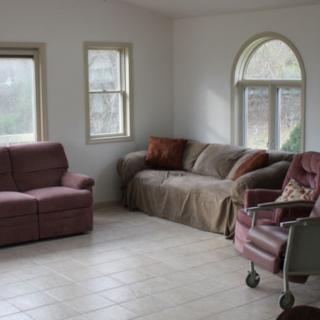
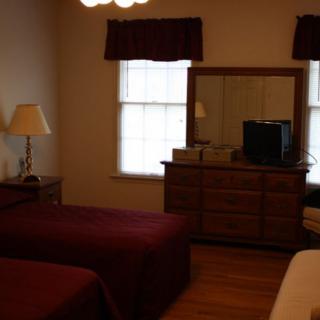
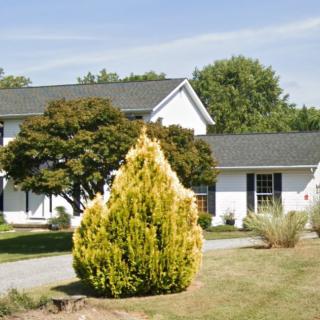
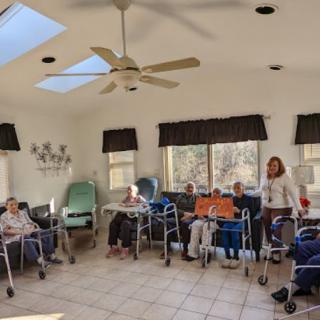
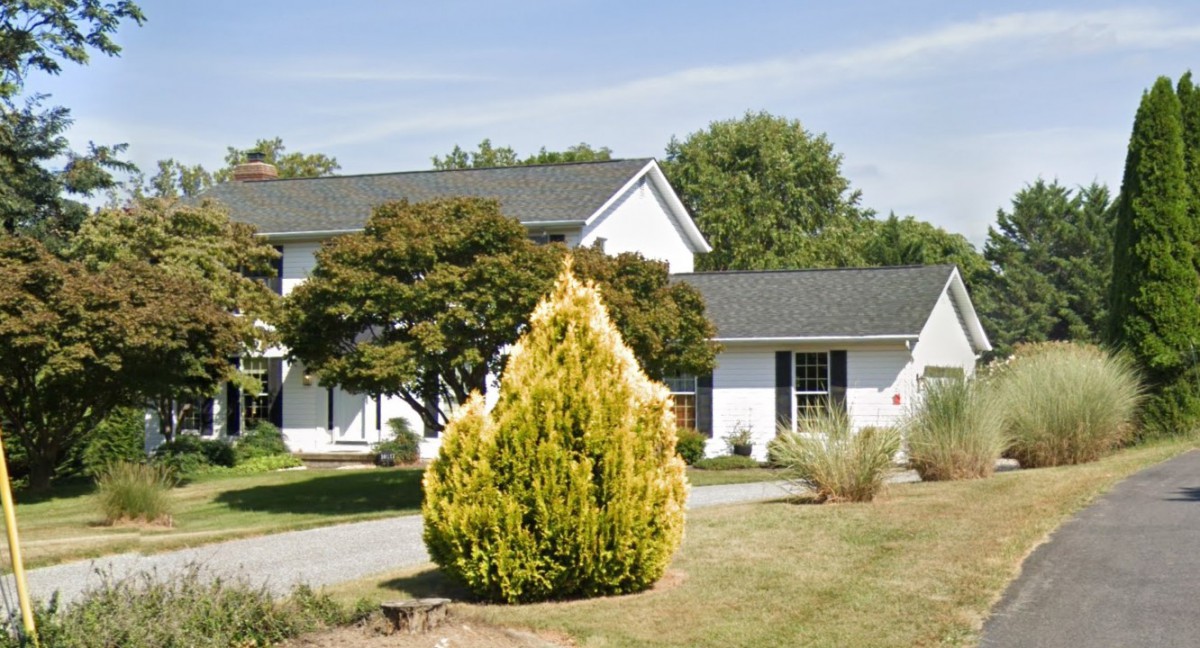
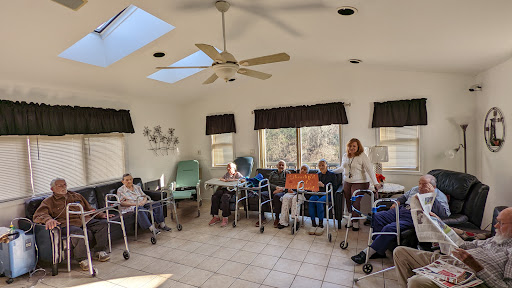
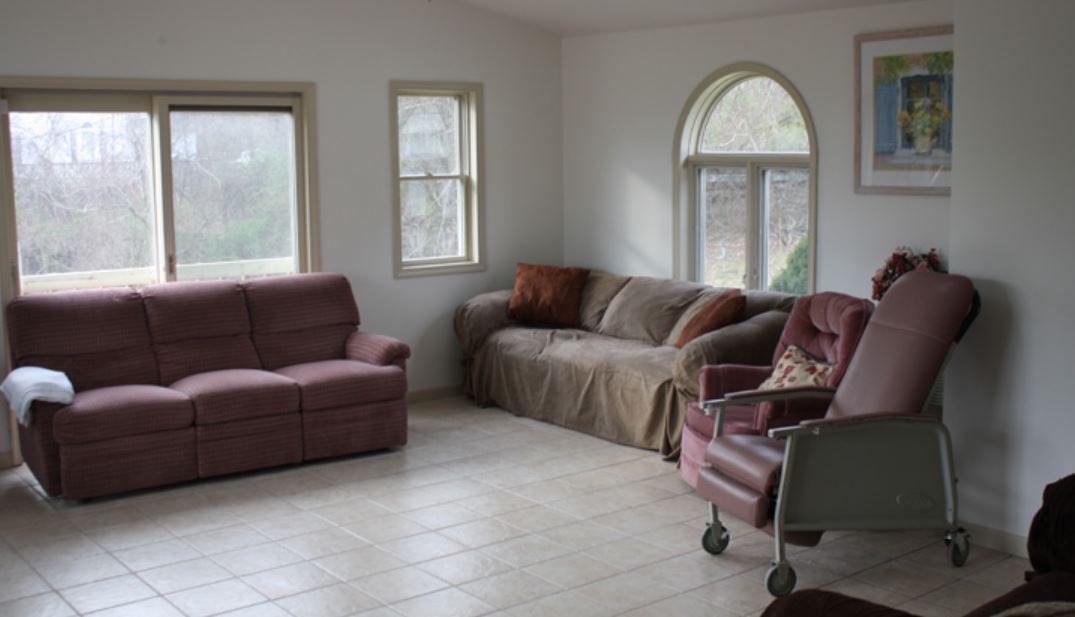
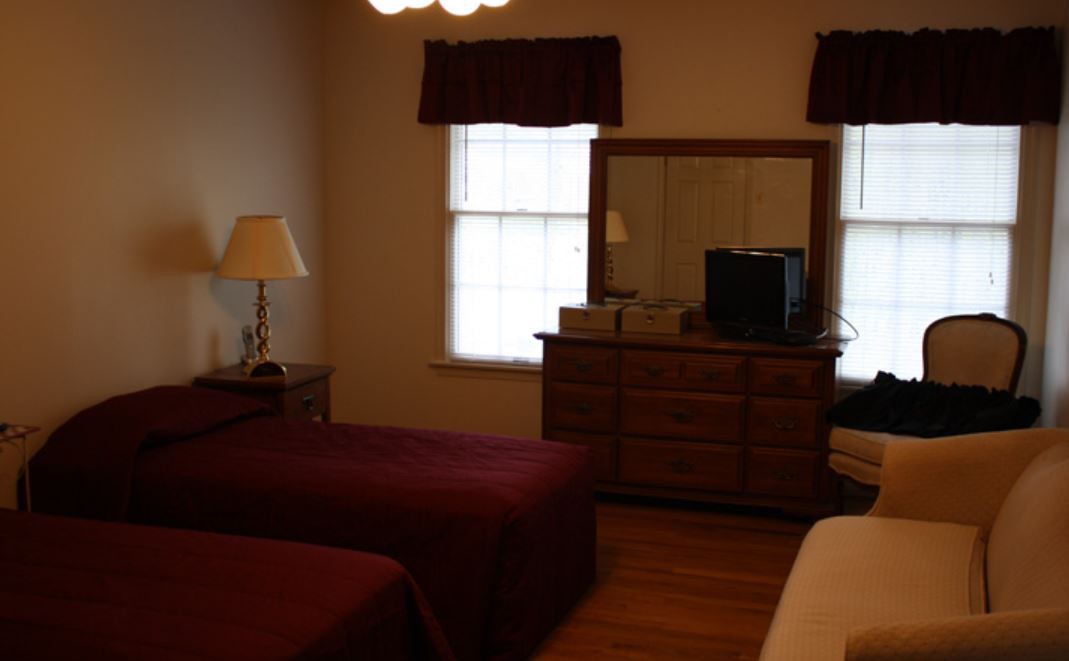
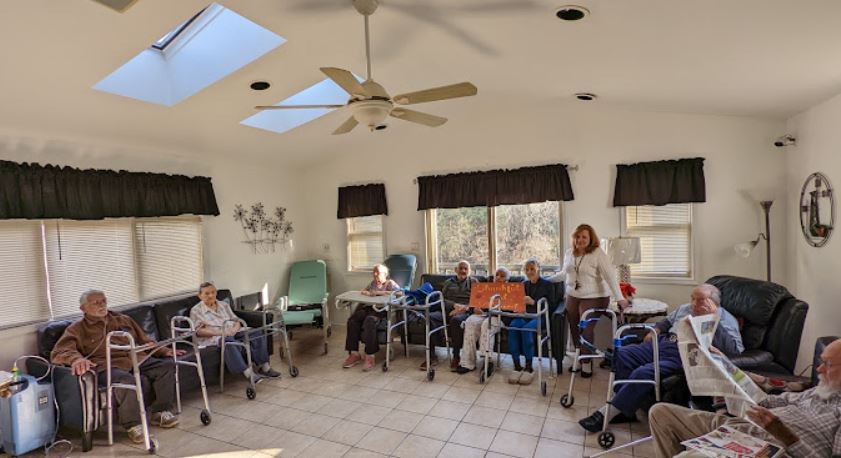
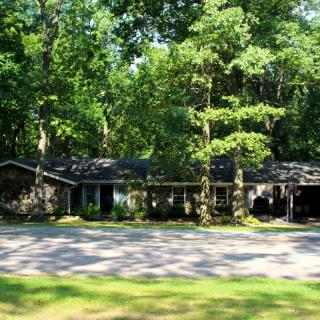
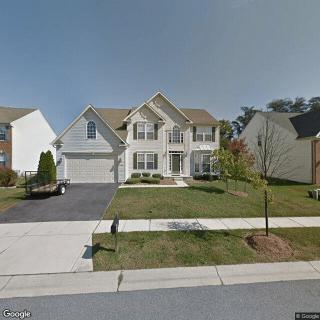
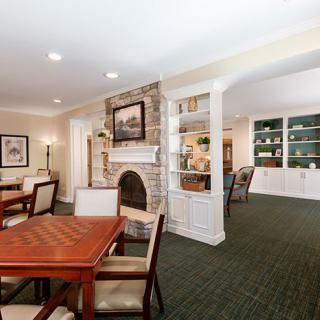
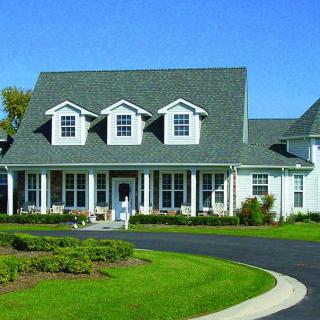
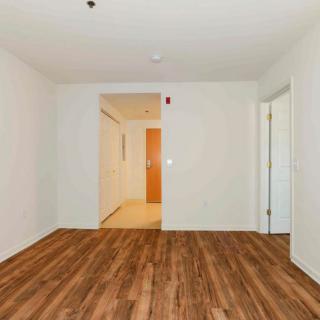
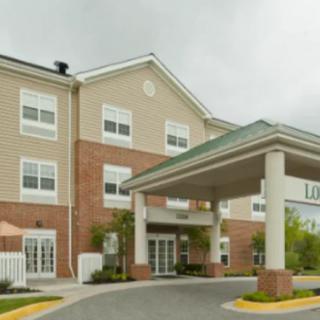
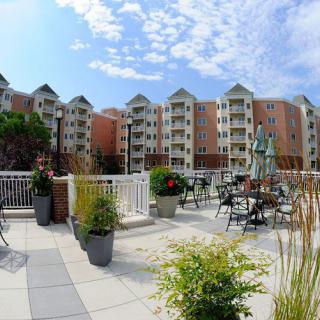
Dulaney Valley Assisted Living at Hunt Valley on seniors.fyi includes 5 photos including images showing landscaping, windows, interior, bedroom, trees, living room, nursing home, and more.
Nearby Communities
Commonwealth Senior Living At Cockeysville
Cockeysville, MD
3.6 from 58 reviews
$4,020 to $5,280 / month
RN-led, dementia-trained staff in a clean, welcoming, intimate community with engaging activities.
Broadmead
Cockeysville, MD
4.3 from 126 reviews
Vibrant activities and friendly, caring staff in a clean, well-maintained community with multiple care levels.
Warren Place Senior Apartments
Cockeysville, MD
4.1 from 17 reviews
$946 / month
Excellent value with updated units and a convenient, safe location.
Brightview Hunt Valley (Opening in 2023)
Cockeysville, MD
4.7 from 18 reviews
Comprehensive care options (AL/IL/memory care) with 24/7 supervision and robust on-site amenities.
Maryland Masonic Homes
Cockeysville, MD
3.8 from 39 reviews
$1,500 to $4,710 / month
Beautiful, well-kept facilities with caring staff and restaurant-style dining.
Mercy Ridge
Timonium, MD
4.7 from 10 reviews
Warm, friendly community with attentive staff and strong dining/amenities.
Lorien Mays Chapel
Timonium, MD
3.9 from 59 reviews
Bright, clean facility with skilled therapists and engaging activities.
College Manor
Lutherville, MD
4.4 from 30 reviews
$4,950 to $5,400 / month
Friendly, caring staff in a warm, family-like setting with engaging activities and home-cooked meals.
Blakehurst Retirement Community
Towson, MD
4.5 from 71 reviews
Beautiful surroundings, warm atmosphere, attentive staff, and strong amenities.
Elder abuse affects many older adults worldwide and includes physical, emotional, neglectful, and financial harm, with about one in six individuals over 60 experiencing abuse annually. Prevention and intervention strategies focus on awareness, support for caregivers, and mandatory reporting, while recovery necessitates comprehensive support for both physical and emotional needs.
The guide details ten essential responsibilities of senior caregivers, including personal care, mobility assistance, medication management, and emotional support, while emphasizing the importance of safety, nutrition, and maintaining a safe living environment to enhance seniors' quality of life and independence.
The article highlights nine memory-boosting activities for seniors that enhance cognitive health and social interaction, including puzzles, trivia quizzes, and storytelling, while emphasizing the importance of adapting these activities to individual preferences to maximize enjoyment and engagement. Consistent mental engagement is linked to improved cognitive function and emotional well-being in older adults.
Dulaney Valley Assisted Living at Hunt Valley photos
×
Interior
Bedroom
Trees
Nursing Home
Interior
Bedroom
Living Room
Landscaping and Trees
Windows
Nursing Home
Additional Photos
Get PricingAsk A QuestionSchedule A TourContact Senior Advisor
By clicking submit, you agree to our Partner's Terms of Use. You
also consent to receive calls and texts, which may be autodialed, from our Partner. Your consent is not a condition to
using our Partner's service. Please visit our Partner's Privacy Policy for information about their privacy practices.


 Board and Care Home
 Activities on-site
 Bath tubs
 Devotional services off-site
 Indoor common areas
 Outdoor common areas
 Private
 Respite or short term stays offered
 Wi-Fi/high-speed internet available
 Baltimore-Washington International (21 miles away)
 Diabetic care
 High acuity care
 Incontinence care
 Medication management
 Kosher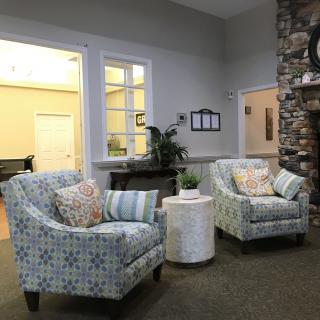
 RN-led, dementia-trained staff in a clean, welcoming, intimate community with engaging activities.



 Powerful Realities of Elder Abuse and the Most Effective Ways to Report It
 Ten Vital Duties of a Senior Caregiver: A Comprehensive Guide
 9 Stimulating Memory Activities for Seniors: Puzzles, Cards, and Much More