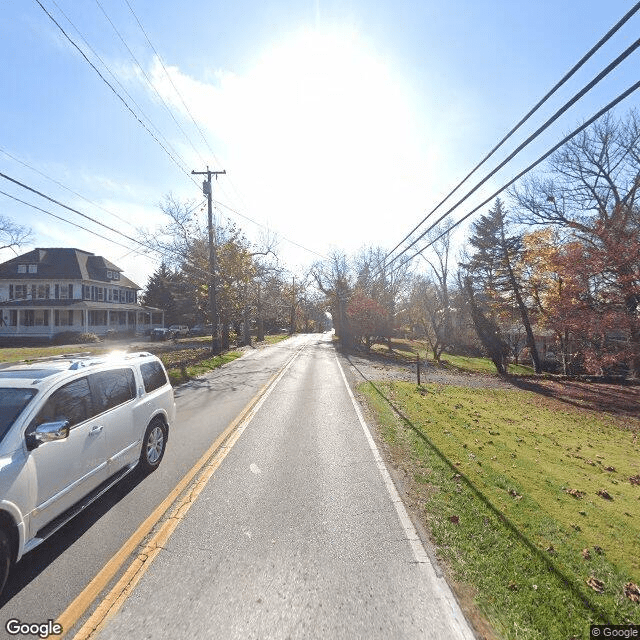
305 North Rolling Road, Catonsville, MD 21228
For more information about senior living options: (866) 208-4318
The Waterfalls Of Catonsville Costs & Pricing
The Waterfalls of Catonsville presents competitive pricing in the context of both Baltimore City and the broader Maryland region. For private rooms, the monthly cost at The Waterfalls stands at $4,700, which is notably higher than the city average of $3,729 but slightly surpasses the state average of $4,112. Similarly, in terms of one-bedroom accommodations, The Waterfalls also reflects a premium price point at $4,700 compared to Baltimore City's average of $3,113 and Maryland's average of $3,904. While these costs may appear elevated relative to local benchmarks, they often correlate with the enhanced amenities and quality of life that residents enjoy at The Waterfalls of Catonsville.
| Floor plans | The Waterfalls Of Catonsville | Baltimore city | Maryland |
|---|---|---|---|
| Private | $4,700 | $3,729 | $4,112 |
| 1 Bedroom | $4,700 | $3,113 | $3,904 |
Memory care communities with a similar price nearby
-
from -$200 / mo
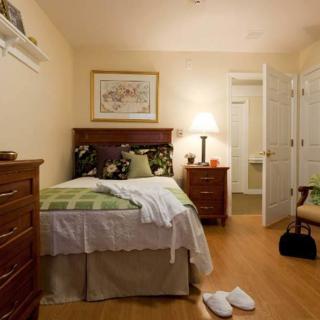
Olney Memory Care
$4,500 / month19.6 miles away -
from -$700 / mo
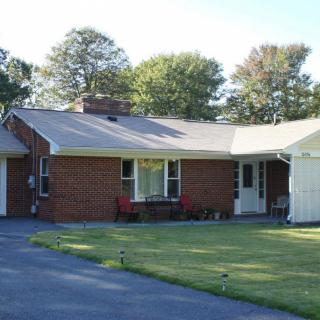
Montgomery Eldercare I
$4,000 to $5,900 / month17.8 miles away -
from +$800 / mo
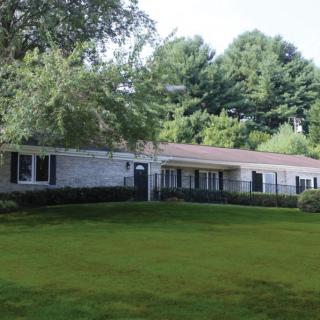
Glen Hill
$5,500 / month14.1 miles away -
from +$300 / mo
Necitas
$5,000 to $5,500 / month19.2 miles away -
from +$800 / mo
Autumn Hill
$5,500 / month13.5 miles away
Overall Review of The Waterfalls Of Catonsville
Pros
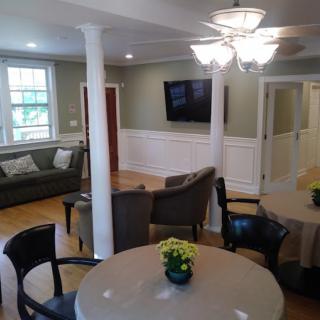
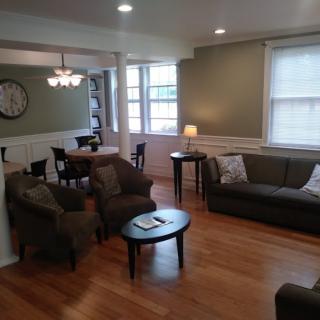
 The Waterfalls of Catonsville is described as a warm, welcoming, home-like memory care community.
- It is a small, cozy facility that allows for more personalized care due to its limited number of residents.
- The staff are consistently friendly, knowledgeable, and caring.
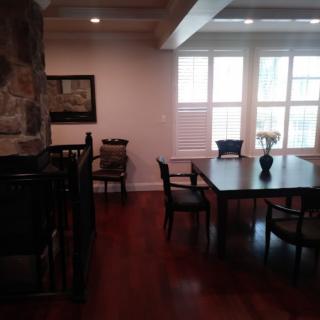
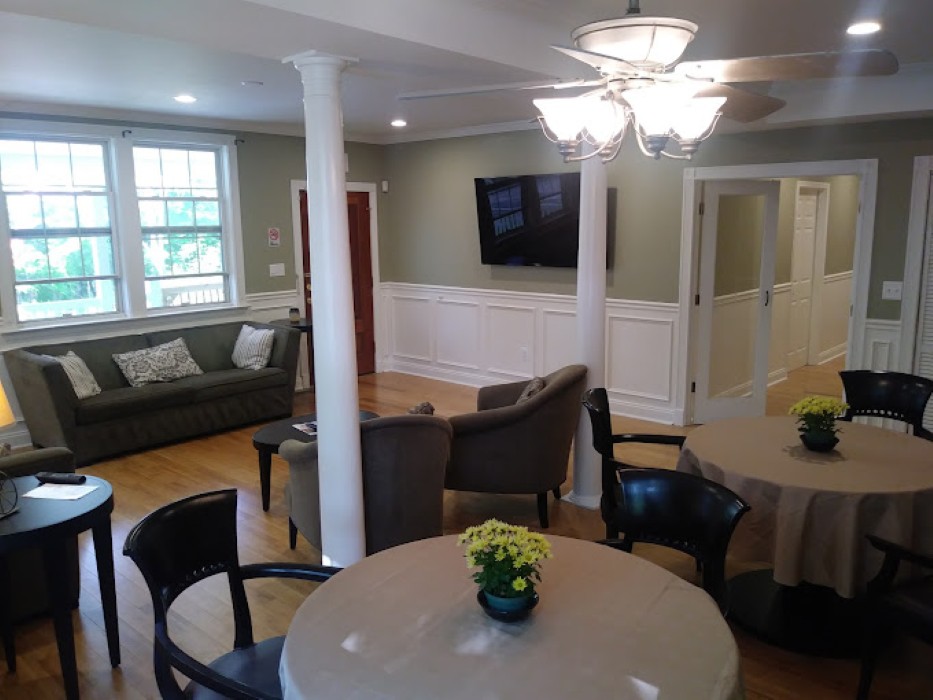
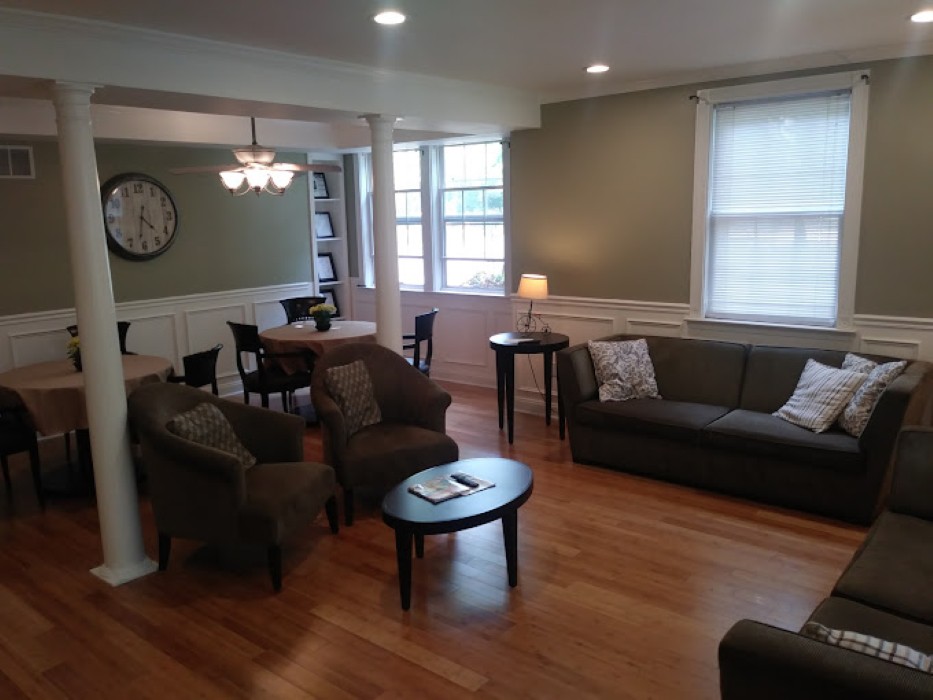
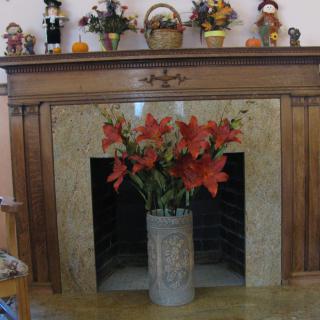
- The rooms are individually appointed and the common spaces are spacious and well kept, creating a comfortable atmosphere.
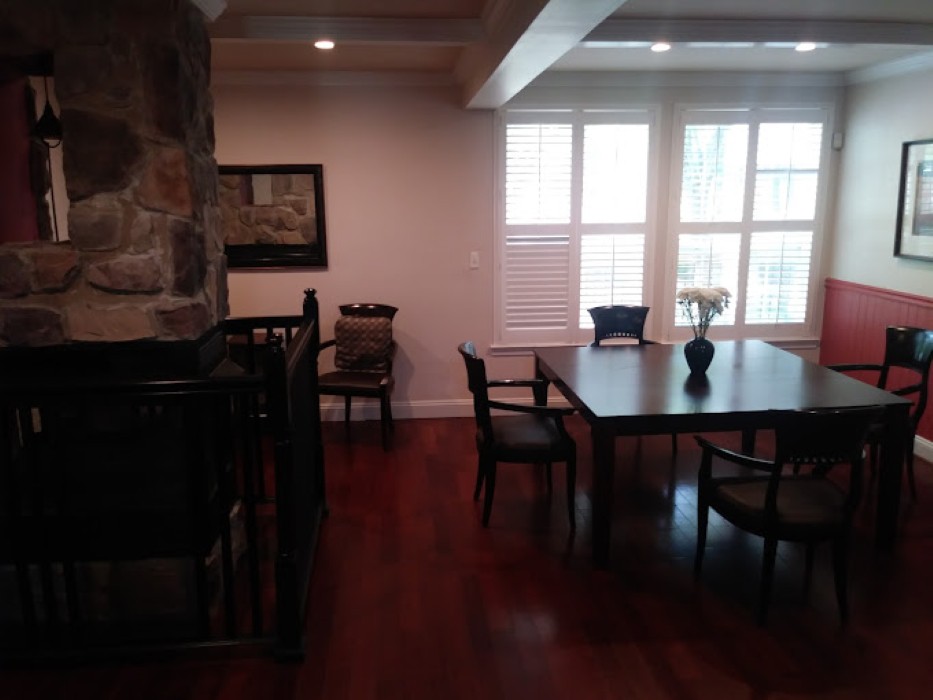
- Meals are homemade and shared in a family-style setting, enhancing the homey feel.
- The property offers attractive outdoor spaces, including a courtyard and gazebo, with easy access to parks and a nearby senior center.
- The Decker family and staff are seen as kind, dedicated caretakers who foster a multigenerational, family-oriented atmosphere.
Cons
 The room wasn’t very large.
- They were saddened that the father needed more help due to dementia.
- They did not like the hospital atmosphere of other facilities.
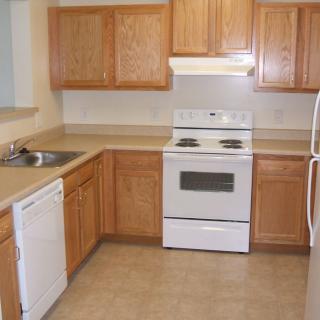
- They had to bring their own appliances.
- The facility offered no long walks.
Review
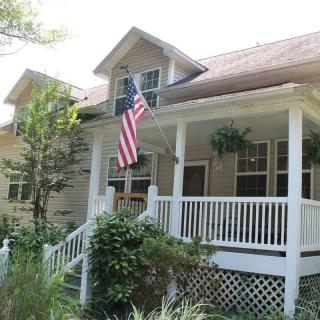
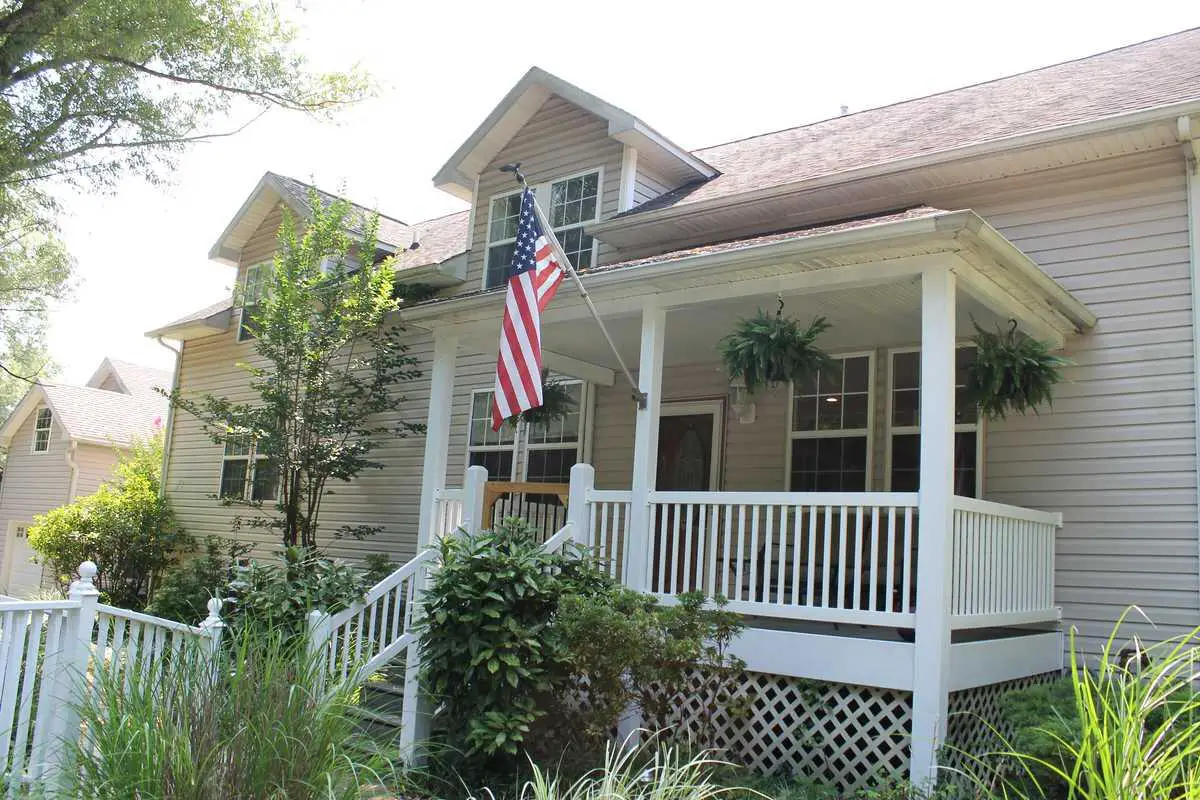
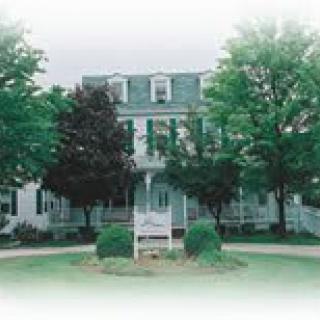
Waterfalls of Catonsville is best suited for families seeking a small, home-like memory care community in Catonsville, Maryland. It excels for residents who thrive on highly personalized attention, calm routines, and a family-run atmosphere over the scale of a larger campus. With eight resident rooms and a renovated historic home, the setting offers a calm, manageable environment where staff can know each person well, monitor needs closely, and respond quickly. The location’s wooded backdrop and easy access to outdoor spaces, a courtyard, gazebo, and lawns, support gentle, low-stress activity. Mealtime is typically a social event around a shared table, with in-house cooking reinforcing the sense of home.
The core advantages are a remarkably attentive staff and a genuine sense of belonging. The small footprint translates to a high level of daily interaction, with caregivers consistently present in both private and common areas. This yields quick responses to ADLs, prompt supervision, and a lower risk of isolation. The community-style approach to memory care is evident in structured routines, familiar settings, and activities designed to engage residents without overwhelming them. Cleanliness is repeatedly noted, and the overall atmosphere leans toward dignity and warmth rather than clinical formality.
A standout feature is the family-run model that permeates daily life. Owners and several generations live nearby, actively participating in caregiving, cooking, and operations, which strengthens trust and continuity of care. Families report that their loved ones seem truly at home, with rooms that feel personal and a dining culture that welcomes residents to share meals together. The team includes dedicated staff such as an activities director and cooks who prepare homemade meals, contributing to a comforting rhythm of daily life. Residents often express happiness and thriving in a setting described as welcoming, almost hallmarks of a multigenerational, caring environment.
On the downside, the very qualities that make Waterfalls appealing can be limiting for some. The small size inherently caps capacity, so even when a spot becomes available, the timeline may hinge on the building’s current turnover. Rooms tend to have shared bathrooms, which can be a drawback for residents who value complete privacy or require en-suite facilities. Ongoing remodeling of a wing may introduce occasional disruption, and the intimate scale may not deliver the breadth of services or the breadth of social programming found in larger communities. For families needing advanced medical oversight, higher-acuity memory care, or a broader continuum of care within a single campus, alternatives with larger facilities and more robust clinical resources may be more suitable.
Despite these potential drawbacks, the benefits often offset the trade-offs for the right resident. The intimate setting reduces isolation, while the steady, compassionate care fosters a calm daily cadence that many families seek for memory care. Homemade meals, meaningful activities, and a culture of genuine care from a staff that feels more like an extended family can significantly ease anxiety for both residents and visiting loved ones. Outdoor spaces and proximity to a senior center expand opportunities for connection and gentle outings, without the burden of long walks or travel. The owner’s visible commitment to safety, comfort, and consistent caregiving injects a degree of trust that is hard to match in larger, more impersonal environments.
Bottom line: Waterfalls of Catonsville is a compelling option for families prioritizing a true home atmosphere, strong personal connections, and attentive memory care within a compact, well-kept historic home. It is particularly well-suited for residents who flourish under routine, enjoy shared meals, and respond to a devoted, family-led care team. Those seeking a larger community, private in-room baths across every room, or more intensive medical oversight should explore alternatives. Prospective families should confirm current room configurations, occupancy, and the exact scope of services included in memory care, then weigh how the personalized touch and intimate scale align with long-term care goals.
 8 resident community capacity
 Assisted Living
 Board and Care Home
 Memory Care
 Cable or satellite TV
 Dining room
 Fully furnished
 Garden
 Housekeeping services
 Move-in coordination
 Outdoor space
 Private
 Telephone
 Wi-Fi/high-speed internet available
 Baltimore-Washington International (8 miles away)
 24-hour supervision
 Activities of daily living assistance
 Assistance with bathing
 Assistance with dressing
 Assistance with transfers
 Diabetes diet
 Meal preparation and service
 Medication management
 Special dietary restrictions
 Transportation arrangement (medical)
 Transportation to doctors appointments


 Engaging Memory Care Activities That Enhance Quality of Life
 When to Transition from Assisted Living to Memory Care: Key Indicators, Steps, and Finding the Right Community
 Understanding the Distinctions: Assisted Living and Memory Care Explained