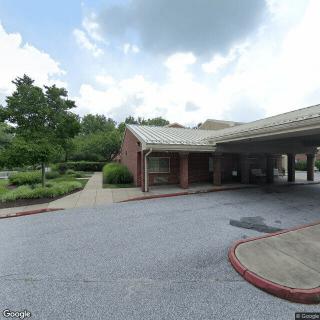
Windsor Crest Care Home is an assisted living community in Baltimore, MD.
Information last verified:
6951 Copperbend Lane, Baltimore, MD 21209
For more information about senior living options: (866) 208-4318
3.4 from 61 reviews
5 stars
30
4 stars
7
3 stars
0
2 stars
3
1 stars
21
Overall Review of Windsor Crest Care Home
common18 reviews mention this
Staff are caring and professional
Residents and families frequently describe staff as caring and professional.
Across many reviews, families say the staff feels attentive, professional, and kind, and they single out nurses, nurse assistants, and rehabilitation staff for supportive care. Several reviewers also say the facility helps them feel at ease, especially when loved ones need ongoing support. A smaller set of reviews goes the other direction, describing staff interactions as dismissive or uncaring, including complaints about compassion and responsiveness.
common8 reviews mention this
Cleanliness and well-kept spaces
Many reviews mention the facility is clean and well maintained.
Multiple reviewers praise cleanliness and a well-kept environment, including comments about clean rooms and an overall facility that feels tidy. At the same time, a few reviews raise concerns about cleanliness and hygiene-related issues, including unsanitary rooms and other serious care problems. The experience is not uniform, but cleanliness comes up often in both positive and negative feedback.
common7 reviews mention this
Rehab and therapy support
Rehabilitation and therapy are a major focus in reviews.
Several residents and families describe positive outcomes from PT/OT and inpatient rehab, including feeling better and being helped with recovery after surgery or injury. Others criticize therapy quality and follow-through, citing limited therapy time, poor documentation, or staff not getting patients out of bed. In short, therapy is a defining part of the review mix, with both strong praise and direct complaints.
caveat9 reviews mention this
Call bell and care follow-through
Some reviews describe delays in response and missed care needs.
A recurring negative theme is that families report problems with timeliness, including call bells not being answered within an appropriate timeframe. Several reviews also describe unmet needs, such as concerns about hygiene or safety, delayed pain medication, or communication breakdowns that families felt should have been addressed sooner. While other reviewers report reliable and respectful help, these responsiveness issues are among the most serious cautions in the feedback.
differentiator5 reviews mention this
Programs for seniors and activities
Residents describe structured activities and classes.
Some reviews highlight daily activities and scheduled programming, including musical events and group classes that make time feel engaging. Others specifically mention the Wise and Well-style programming with subjects like exercise, meditation, cooking, art, and language classes. There are also reviews that mention the community arranging activities as part of daily life, not only during appointments or tours.
How we summarize
Counts show how many written reviews mention each theme; a review can touch several themes, and only frequently mentioned themes are displayed.
Features
Housing
3 resident community capacity
Types of Care
Assisted Living
Amenities
Cable or satellite TV
Dining room
Fully furnished
Garden
Housekeeping services
Move-in coordination
Outdoor space
Telephone
Wi-Fi/high-speed internet available
Transportation
Baltimore-Washington International (14 miles away)
Care Services
24-hour supervision
Activities of daily living assistance
Assistance with bathing
Assistance with dressing
Assistance with transfers
Coordination with health care providers
Diabetes diet
Meal preparation and service
Medication management
Special dietary restrictions
Transportation arrangement (medical)
Transportation to doctors appointments
Dining
Diabetes diet
Special dietary restrictions
Activities
Community-sponsored activities
Scheduled daily activities
Nearby Places of Interest
Pharmacies
Walgreens (0.9 miles)
Rite Aid (1.2 miles)
CVS Pharmacy (2.2 miles)
Seven Mile Market (2.5 miles)
Walgreens (2.6 miles)
Walgreens (2.9 miles)
CVS Pharmacy (3.1 miles)
Physicians
Dr Richard A. Adler, Belcara Health Ophthalmology (1 miles)
Greater Baltimore Medical Center (2.6 miles)
Maryland Pediatric Group: Winkelstein Amy L MD (2.7 miles)
O'Dea Building- St Josephs Hospital (3.3 miles)
St Paul Place Specialist OB GYN (3.3 miles)
Dr Kelman Office (3.3 miles)
Advanced Allergy & Asthma Center (3.8 miles)
Hospitals
Lifebridge Health Campus Service (1 miles)
Sinai Hospital Of Baltimore (2.2 miles)
Johns Hopkins Medicine at Green Spring Station (2.6 miles)
GBMC (2.6 miles)
Sheppard Pratt Health System (2.8 miles)
MedStar Union Memorial Hospital (4.8 miles)
MedStar Good Samaritan Hospital (4.9 miles)
Parks
Lake Roland (1.3 miles)
Meadowood Regional Park (2.4 miles)
Rodgers Forge Tot Lot (2.9 miles)
Restaurants
Pepe's (1.4 miles)
Mt. Washington Tavern (1.5 miles)
Subway (2.7 miles)
McDonald's (3.1 miles)
Zen West Roadside Cantina (3.6 miles)
McDonald's (3.8 miles)
THB - Towson (3.9 miles)
Places of Worship
Brown Memorial Woodbrook Presbyterian Church (2.4 miles)
Medicaid waivers for assisted living services provide vital support for seniors and individuals with disabilities in need of long-term care, with varying state-specific eligibility criteria and benefits. These waivers cover personal care and case management but often do not fully cover room and board, leading to waiting lists for many applicants.
The article examines the complexities of assisted living for individuals with disabilities, emphasizing the need for tailored care solutions that enhance quality of life and social inclusion, while addressing financial challenges and advocating for community integration. It discusses various housing options, the importance of financial assistance through public benefits, and highlights trends towards integrated and technology-driven solutions in disability-focused housing.
Assisted living for adults with disabilities has transformed to provide personalized care and support services aimed at improving residents' quality of life while balancing independence and assistance. However, low-income individuals often face challenges in affording these services, requiring navigation of various financial resources and advocacy for better policies and solutions.
Get PricingAsk A QuestionSchedule A TourContact Senior Advisor
By clicking submit, you agree to our Partner's Terms of Use. You
also consent to receive calls and texts, which may be autodialed, from our Partner. Your consent is not a condition to
using our Partner's service. Please visit our Partner's Privacy Policy for information about their privacy practices.

 3 resident community capacity
 Assisted Living
 Cable or satellite TV
 Dining room
 Fully furnished
 Garden
 Housekeeping services
 Move-in coordination
 Outdoor space
 Telephone
 Wi-Fi/high-speed internet available
 Baltimore-Washington International (14 miles away)
 24-hour supervision
 Activities of daily living assistance
 Assistance with bathing
 Assistance with dressing
 Assistance with transfers
 Diabetes diet
 Meal preparation and service
 Medication management
 Special dietary restrictions
 Transportation arrangement (medical)
 Transportation to doctors appointments
 Small, intimate setting (capacity 6) with 24/7 supervision, comprehensive ADL support, on-site dining and housekeeping, and move-in coordination.




 A Detailed Exploration of Assisted Living Medicaid Waivers Across the United States
 Comprehensive Residential Support and Assisted Living Solutions for Individuals with Disabilities
 Comprehensive Supportive Living Arrangements for Adults with Disabilities