
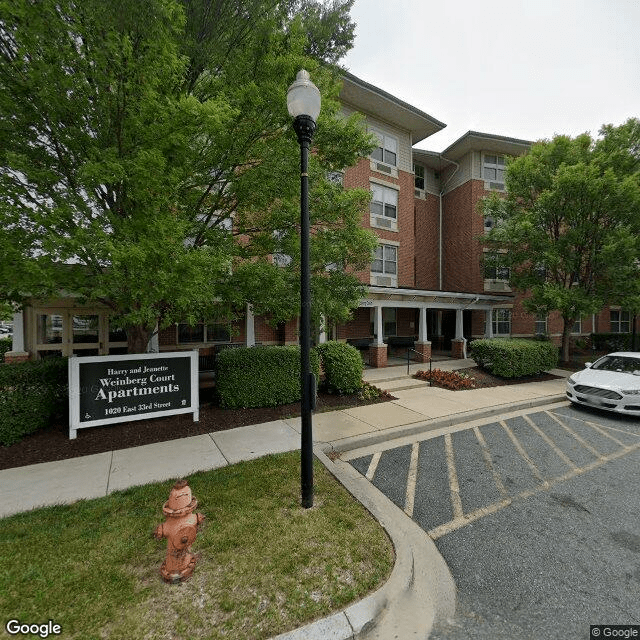
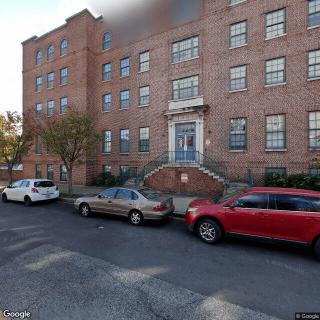
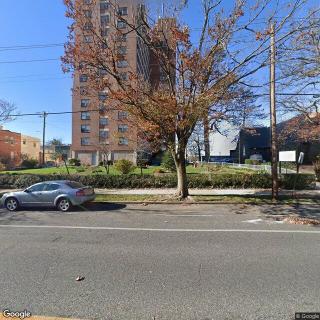
1020 East 33rd Street Income limits apply, Baltimore, MD 21218
To contact a resident: (410) 235-0500
For more information about senior living options: (866) 208-4318
Overall Review of Weinberg Court at Stadium Place
Pros
 The first-time viewer finds Stadium Place beautiful.
- A senior resident is pleased with all services for seniors and notes that talented seniors contribute to activities and church services to support spiritual needs.
- The community is described as truly a blessing to live in, with neighbors helping one another and nearby medical care.
- The residence hosts former nurses with decades of experience.
- Many tenants have their families living nearby, creating a supportive surrounding community.
- A resident of 13 years is pleased with the services of management and staff.
- Stadium Place is regarded as the best in the city for elderly living.
Review
Weinberg Court at Stadium Place is best suited for seniors who want a deeply established, community-driven living environment in Baltimore where resident involvement, mutual aid, and spiritual life are woven into daily life. The community rewards long-term residency with a sense of continuity: neighbors share skills, lead activities, and support one another, while on-site caregivers and former nurses bring practical, seasoned medical sensibility to day-to-day needs. For families seeking stability, a strong sense of belonging, and readily available medical care within or near the building, this is a compelling fit.
Those considering alternatives should note that Weinberg Court may not be the right match for every situation. Families prioritizing aggressive on-site clinical programming, highly specialized memory care, or grant-level rehab services may want to compare options with more intensive medical staffing or broader on-site supports. Similarly, households sensitive to cost or seeking a more modern, algorithm-driven amenity package may find other communities offer a different value proposition. In short, the strongest call to explore alternatives comes from situations where clinical intensity, budget constraints, or a craving for a more contemporary facility layout take precedence over community cohesion and legacy care.
The most persuasive positives center on people and relationships. Residents themselves are a core asset, with many bringing decades of experience and skills that enrich daily life, whether in activities, spiritual programs, or informal peer-to-peer care. The presence of former nurses living in the community translates into practical medical oversight and a calm, knowledgeable backdrop whenever medical questions arise. On-site care is described as reliable, and the surrounding neighborhood provides additional medical resources, which together help minimize the stress that health changes can bring. A strong network of families nearby further enhances safety nets and a sense of belonging that many seniors prize as they age in place.
In weighing the pros against potential drawbacks, the story that emerges is one of offsetting strengths. The near-unanimous sentiment from long-tenured residents is that management and staff deliver consistently, and that the quality of life is enhanced by a proactive, neighbor-helping culture. Where concerns might exist in other settings, care continuity, social isolation, or gaps in routine, Weinberg Court’s model of resident-led activities, spiritual programming, and hands-on care tends to close those gaps. The absence of reported downsides in the available feedback, while not a guarantee, signals high satisfaction and a safe inference that the pros materially mitigate typical risks associated with aging in place.
To determine fit with precision, families should verify several practical factors during visits and conversations. Clarify all-inclusive vs. separate pricing, what care services are included in monthly fees, and how costs might rise with changing needs. Inquire about staff-to-resident ratios, the availability of on-site clinicians or nurse supervision, and the breadth of rehabilitative or daily living supports. Ask about the depth of on-site activities, worship and cultural programming, transportation options, and the process for escalating health concerns to inpatient facilities if needed. Finally, request candid feedback from current residents about responsiveness of management and the reliability of housekeeping, maintenance, and safety systems.
The bottom line is clear: Weinberg Court at Stadium Place stands out as a practical, compassionate choice for seniors who prize continuity, community, and accessible medical wisdom within a Baltimore setting. It is especially well-suited for residents who want to contribute to and draw from a dense web of neighborly support and spiritual life, with the comfort of experienced on-site guidance. For families whose priorities include intensive on-site clinical programming, memory-focused specialization, or cost-driven flexibility beyond what this community typically offers, exploring alternatives is prudent. For others, the combination of long-tenured leadership, resident talent, and reliable access to care makes this a compelling option worth moving forward with.
 Active Adult Communities (55+)
 Baltimore-Washington International (11 miles away)

 Understanding Home Health Care: A Comprehensive Guide
 Home Health Care Demystified: A Comprehensive Guide for Families and Caregivers
 Seniors and Modern Transportation: Exploring Uber, Lyft, and Other Ride-Hailing Options