
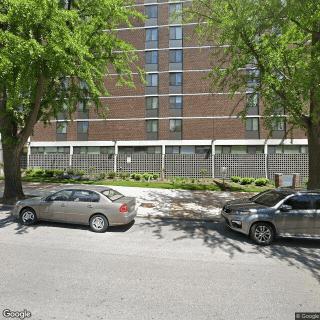
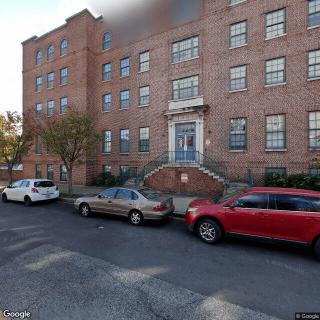
1116 Stockton Street, Baltimore, MD 21217
For more information about senior living options: (866) 208-4318
Overall Review of WAWG II Assisted Living
Pros
 Laura received excellent care from Mimi, Mike, Nardia, and the Angel Network of Baltimore team.
- The staff consistently kept Laura clean and well cared for.
- Mike consistently encouraged Laura to eat, and she loved watermelon.
- Because of their excellent care, Laura transitioned peacefully to her Heavenly home with Jesus.
- The team provided tremendous help when no other facility would accept Laura, leading to a long-term placement.
- The experience surpassed expectations, with diligent care and genuine recovery.
- Mimi, the owner, cares for every resident, and the house is always clean and well kept.
- The Angel Network of Baltimore is highly recommended for anyone seeking excellent care.
Cons
 They went into Angel Network of Baltimore broken.
- There were laughs and talks that enhanced the patient’s depression from being on bed rest and unable to move for months.
- They felt cared about, not for.
Review
Best suited for families seeking a small, home-like setting where caregiving is deeply personal and consistently hands-on. The reviews consistently highlight cleanliness, daily attentiveness, and staff who remember residents’ preferences as non-negotiables, creating a sense of trust and security for both residents and their families. This environment rewards ongoing relationship-building between caregivers and residents, making it ideal for someone who thrives on predictable routines, intimate interaction, and a culture that treats everyday moments as meaningful. For end-of-life or hospice scenarios, the tone from families is especially telling: compassionate support that helps residents transition with dignity and comfort, while remaining emotionally close to loved ones in a familiar, comforting setting.
Those evaluating WAWG II should explicitly consider alternatives if the priority is broad medical programming, larger scale operations, or a calendar packed with diverse activities. The reviews describe a tight-knit, caregiver-first model rather than a sprawling campus with extensive clinical services or a wide array of structured programs. Families seeking robust on-site specialists, frequent physician involvement, or high-capacity rehab and enrichment options may prefer a larger community that can offer more formalized medical oversight and activity schedules.
The strongest pro highlighted by reviewers is the staffing heart of the operation. Caregivers like Mimi, Mike, and Nadia emerge as pillars of trust, with owner Mimi portrayed as personally invested in every resident’s welfare. This translates into tangible daily advantages: residents are kept clean and comfortable, meals are supported by staff who encourage eating, and little gestures, like ensuring a favorite comfort item is available, create a sense of home. The willingness to welcome a resident when other facilities would not accepts a meaningful role in reducing family stress, underscoring a core strength: the team’s commitment to placement stability and individualized attention.
Cleanliness and atmosphere also stand out as consistent, practical benefits. The reviews repeatedly note that rooms are tidy, common areas are well maintained, and the overall environment contributes to a sense of dignity and respect for residents. This isn’t cosmetic; it translates into easier daily living, fewer irritants, and a setting where residents feel valued. The combination of a neat, orderly space with patient, personable aides helps alleviate common caregiver burdens for families and enhances mood and cooperation in daily routines.
Personalization is another recurring theme, the staff’s ability to tailor care to each resident’s preferences and needs. Instances range from adapting to a resident’s dietary likes to providing comforting touches that reflect personality and history. Such details matter for emotional well-being and can accelerate a resident’s sense of safety and acceptance in a new home. When families describe the environment as one where staff know their loved one’s quirks, favorites, and routines, it becomes clear that these small, reliable routines can offset the absence of a larger network or the comforts of a bigger campus.
Bottom line: for families prioritizing warmth, hands-on caregiving, and a staff that feels more like a closely-knit care team than a rotation schedule, this kind of setting is a strong match. It offers meaningful advantages in daily care, consistency, and the dignity of a familiar, personalized approach. Yet the decision should weigh the limits of a smaller operation: what degree of medical oversight is essential, how much programming and on-site clinical support are required, and whether the comfort of a home-like environment compensates for a potentially slower cadence of formal services. If these trade-offs align with what matters most, this approach delivers proven value grounded in genuine, compassionate caregiving.
 5 resident community capacity
 Assisted Living
 Cable or satellite TV
 Dining room
 Fully furnished
 Garden
 Housekeeping services
 Move-in coordination
 Outdoor space
 Telephone
 Wi-Fi/high-speed internet available
 Baltimore-Washington International (9 miles away)
 24-hour supervision
 Activities of daily living assistance
 Assistance with bathing
 Assistance with dressing
 Assistance with transfers
 Diabetes diet
 Meal preparation and service
 Medication management
 Special dietary restrictions
 Transportation arrangement (medical)
 Transportation to doctors appointments


 Comprehensive Insights into Activities of Daily Living (ADLs) and Their Assessment
 Medicare Coverage for Assisted Living: An In-Depth Exploration
 Your Comprehensive Guide to Luxury Assisted Living: Elevated Facilities, Amenities, and Costs