
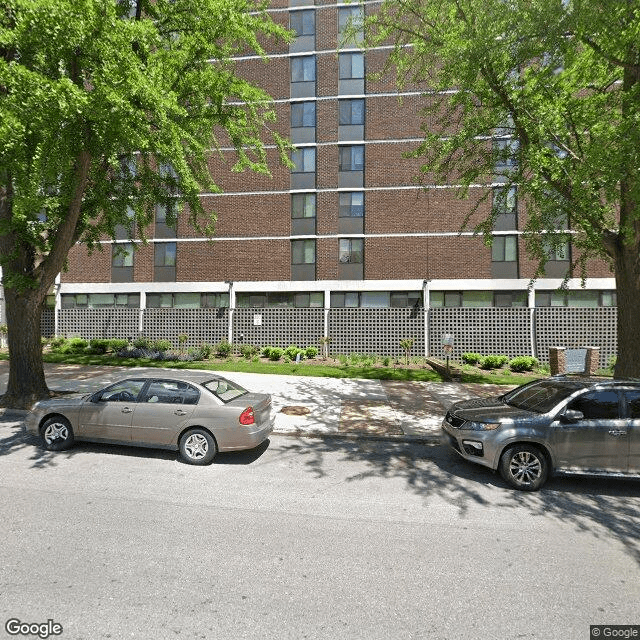
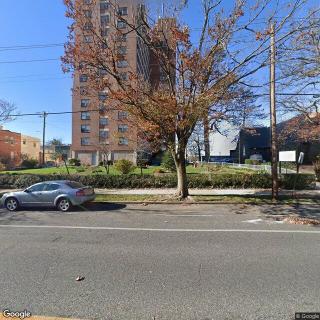
827 N Arlington Ave, Baltimore, MD 21217
To contact a resident: (410) 669-0862
For more information about senior living options: (866) 208-4318
Overall Review of St James Terrace Apartments
Pros
 The property has begun fixing issues and has shown progress since last year.
- A resident who lives there is doing okay.
- The building is undergoing renovations to modernize and improve its facilities.
- They consider the place acceptable for their mother.
- The property is undergoing enhancements to address pest problems and water quality as part of its improvements.
- The management is prioritizing health and safety upgrades during the renovation.
Cons
 The place needs many fixes that should have been done a long time ago.
- They just started fixing problems last year.
- The building is under renovation, with open and unfinished ceilings, a warning on the front door, and residents are moved between apartments every few days, which is very inconvenient.
- The place looks like it’s under construction.
- There is an obvious roach and mouse problem.
- The water quality is terrible and comes out brown.
- The building has known asbestos and mold.
- The place smells dank and old.
- The tenants have to wear masks.
- The place is not fit to be lived in.
Review
St James Terrace Apartments in Baltimore is best suited for seniors who are extremely budget-conscious and can tolerate ongoing construction, disruption, and a less-than-ideal indoor safety environment. This is not a place for those who require reliable, modern amenities, consistent pest control, or high standards of health and safety. The combination of renovation chaos and unresolved maintenance issues makes it a fit only for residents who can endure frequent moves between units and are willing to trade quiet, predictable living conditions for price.
Those who should seriously consider alternatives include seniors who need dependable sanitation and air quality, residents with respiratory or immune-compromised conditions, and families seeking a move-in with minimal risk and a stable, finished environment. The property’s current trajectory, ongoing renovations, unfinished ceilings, and warnings about asbestos or mold, creates a fraught baseline for safety and daily comfort. In short, any household prioritizing a safe, clean, and stable living space should look elsewhere.
The limited positives here do not come close to offsetting the deal-breaking drawbacks. On the positive side, some reviewers note that a resident’s family member is “okay” living there, hinting at a variety of tolerances among occupants. A few voices acknowledge that renovations are underway, which could eventually yield improvements. However, these perceived upsides are overwhelmed by the harsh realities documented by multiple visitors and residents: a building currently under construction with open, unfinished ceilings; a persistent pest problem; and especially troubling health hazards tied to water quality and indoor air.
The most critical red flags are concrete and repeated: the property is described as having brown, unappealing water; roaches and mice are present; and the building carries warnings related to asbestos and mold. The overall environment is described as dank and old, with the smell of decay, and tenants reportedly wearing masks in some areas. The combination of construction debris, ongoing relocation within the building, and hazardous-material warnings points to a living situation that is at odds with what a senior needs for safety, routine, and peace of mind. These factors hardly leave room for meaningful pros when health and daily comfort are at stake.
For families weighing a move, practical guardrails are essential. Demand current, third-party inspection reports on water quality, pest management, and any asbestos or mold assessments; insist on a transparent renovation schedule with guaranteed, minimal-movement options for residents who cannot endure constant relocation; and secure written assurances about air quality, housekeeping standards, and emergency repairs. If the lease is contingent on ongoing construction, seek rent concessions, temporary housing during the most disruptive phases, and a clear plan for when the property will meet basic safety benchmarks. Without these protections, the risk profile remains too high for most seniors.
Bottom line: this community is not a reliable fit for most older adults seeking stability, safety, and sanitation. The combination of active renovations, health and pest concerns, and inconsistent maintenance creates a profile that is far from ideal. Alternatives with cleaner records, more predictable upkeep, and completed, secure environments should be prioritized. If pursuing St James Terrace anyway, approach with stringent due diligence, explicit protections in the lease, and a plan that minimizes exposure to ongoing construction and health risks.
 Active Adult Communities (55+)
 Baltimore-Washington International (9 miles away)
 A Detailed Examination of Nursing Home Costs Across the U.S.
 Exploring Nonmedical Home Care: Understanding Services, Costs, and Financial Approaches
 Engaging Brain Games and Innovative Apps to Keep Senior Minds Active