
1004 Beaumont Avenue, Baltimore, MD 21212
For more information about senior living options: (866) 208-4318
Overall Review of Trinity Home Care
Pros
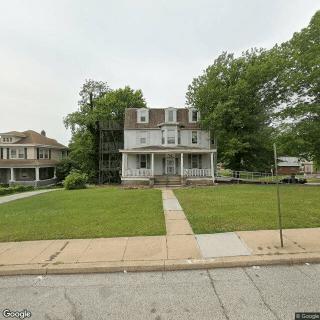
 It is one of the most beautiful facilities the reviewer has visited.
- The owner and staff are on top of everything.
- They are knowledgeable about caring for the elderly and make residents feel right at home.
- Residents are happy and seem to love their home at Trinity.
Review
This community is best suited for families seeking a warm, home-like atmosphere where senior living is led by an engaged owner and a closely connected care team. Trinity Home Care in Baltimore appears most compelling for residents who value beauty in their surroundings, a calm, residential feel, and daily life guided by staff who feel like part of a small, cohesive group. It suits seniors who want to feel at ease the moment they walk through the door, and for families that prioritize a feeling of “being at home” over a hospital-like setting. In short, this is a strong fit for those who equate comfort with personal attention, rather than the most expansive amenity slate.
The strongest signal from the available feedback is striking in its warmth. The reviewer highlights the facility as exceptionally beautiful, underscoring that the owner is actively on top of operations and deeply knowledgeable about elder care. That combination, a visually appealing environment coupled with visible leadership and informed staff, creates an impression of reliability and responsiveness. The message is clear: residents feel at home, and happiness among the people living there is not a peripheral afterthought but a core outcome. This is the kind of atmosphere that reduces relocation stress and supports everyday well-being.
Proponents should pay particular attention to three key advantages: aesthetics that promote a sense of serenity and pride, proactive ownership that translates into steady supervision of care plans, and a staff with substantive elder-care knowledge that can translate into practical routines and safety. When a facility looks well-maintained and welcoming, it lowers anxiety for new residents and helps residents settle faster. Active ownership often correlates with consistent policy application and quicker problem-solving, which in turn sustains routine, personalized care. Knowledgeable staff can meaningfully adapt activities, monitor subtle shifts in health, and communicate effectively with families.
Yet there are legitimate reasons to question whether this single, overwhelmingly positive account is enough to establish fit across all desirable dimensions of care. The most obvious concern is the lack of independent, corroborating voices, only one review exists, which limits confidence about long-term consistency, staffing stability, and the full scope of services. Important questions remain unmet by the current data: the exact level of medical oversight, the adequacy of staffing ratios at peak times, the breadth of daily activities, and the quality of meals and safety measures. The absence of transparency around pricing and what is included in monthly fees also muddies the decision-making water for families comparing options.
Despite the limitations, the positive indicators can offset some uncertainty when approached thoughtfully. A leader who is “on top of everything” often translates into steady accountability and rapid response to concerns, which can mitigate the risk that a good first impression fades. A small, intimate setting tends to foster stronger resident-to-staff relationships, potentially enhancing personalized care plans and social engagement. For families who can verify by firsthand visit, request a tour, observe staff interactions, review the daily schedule, and talk to current residents or visiting relatives, the positives may bear out in practice. Prospective residents should insist on seeing a sample week of activities, a menu, and copies of routine care assessments to assess alignment with expectations.
In the end, Trinity Home Care stands out as a compelling option for those who prize beauty, personal attention, and hands-on leadership in a home-like community. It is a particularly strong fit for families prioritizing a positive, resident-centered culture and a visibly engaged owner who can shepherd ongoing care. However, for those requiring a higher level of medical integration, broader programming, or a more data-driven approach to quality across multiple families, alternative communities, especially larger or more formally structured facilities, deserve careful consideration. A well-planned visit, with targeted questions about staffing, care coordination, and real-world examples of resident outcomes, will determine whether Trinity meets the specific care goals and budget realities of the decision.
 6 resident community capacity
 Assisted Living
 Cable or satellite TV
 Dining room
 Fully furnished
 Garden
 Housekeeping services
 Move-in coordination
 Outdoor space
 Telephone
 Wi-Fi/high-speed internet available
 Baltimore-Washington International (13 miles away)
 24-hour supervision
 Activities of daily living assistance
 Assistance with bathing
 Assistance with dressing
 Assistance with transfers
 Diabetes diet
 Meal preparation and service
 Medication management
 Special dietary restrictions
 Transportation arrangement (medical)
 Transportation to doctors appointments

 Choosing the Right Senior Care: A Detailed Exploration of Assisted Living and Nursing Homes
 Understanding the True Cost of Assisted Living in 2025: A Comprehensive Guide
 Understanding Medicaid Coverage for Assisted Living: A Comprehensive Guide