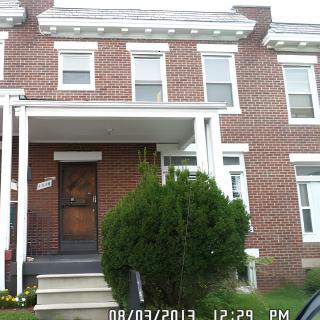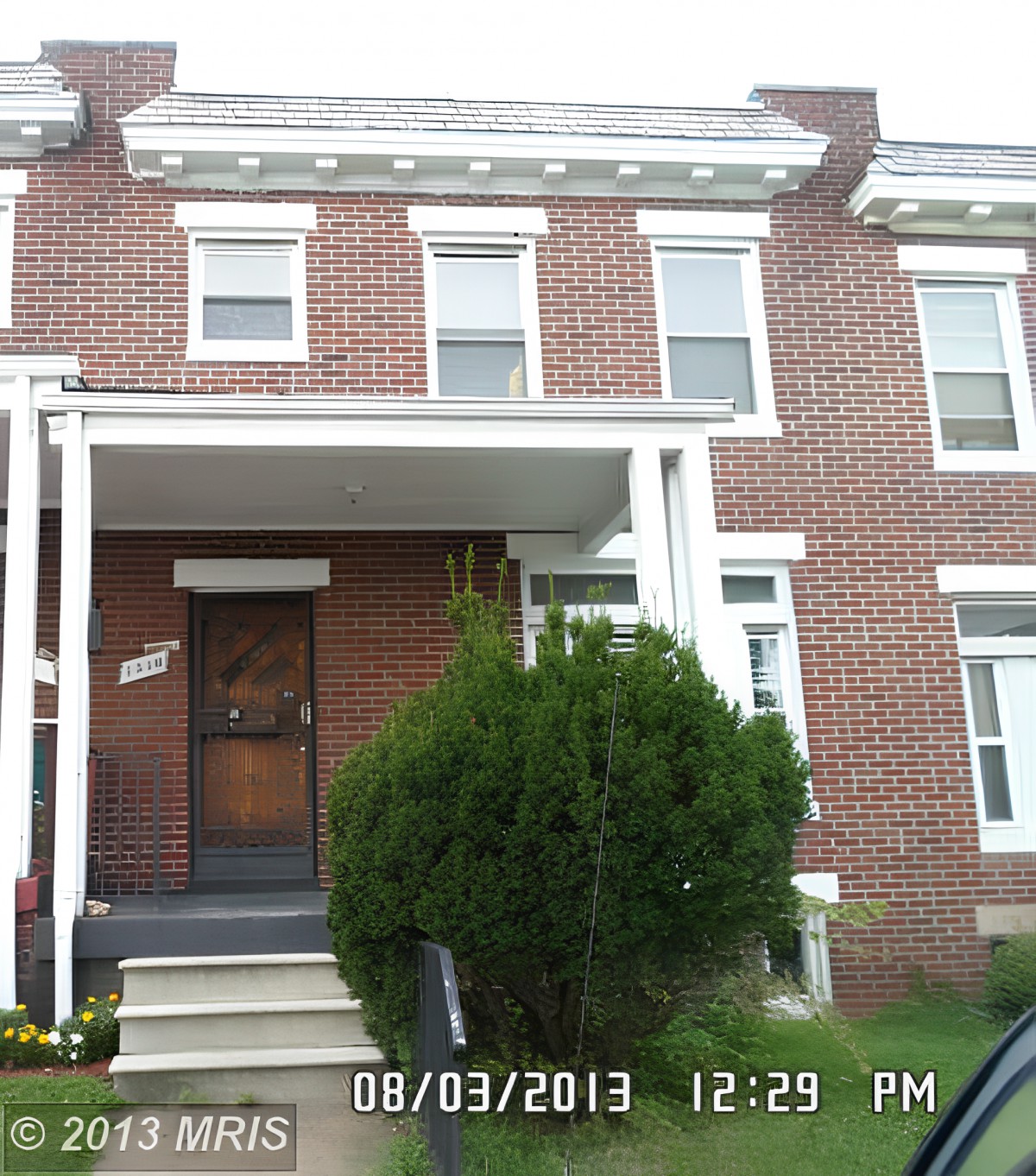


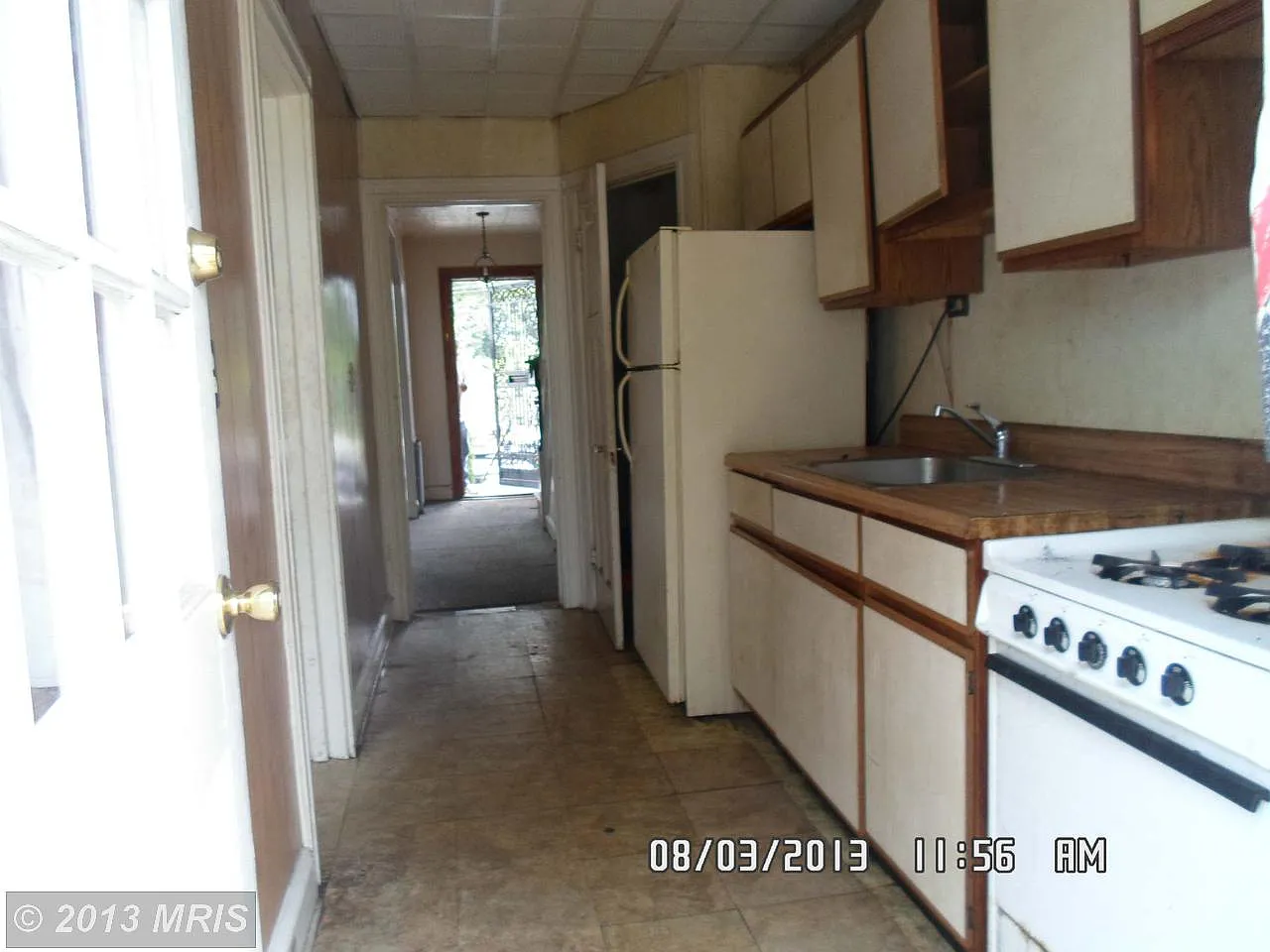

1210 Edison Highway, Baltimore, MD 21213
For more information about senior living options: (866) 208-4318
Overall Review of Treasure Loved Ones Home Care
Pros
 A Treasured Living provides guidance and support to families navigating the aging landscape in Maryland.
- The staff’s compassion and their ability to go above and beyond for clients are unmatched.
- They understand families’ needs and provide tailored support during difficult times.
- They work quickly and compassionately within tight timeframes.
- They coordinate seamlessly with nursing staff, keep detailed notes, and communicate regularly.
- Their care is professional, personal, and deeply reassuring.
- They visit clients in hospital settings before starting service, demonstrating their kindness and dedication.
- They are a compassionate, dedicated team who treat loved ones like family.
Cons
 My mother, his primary caregiver, was overwhelmed.
- It was hard for her to accept outside support.
- These moments were tender, heartbreaking, and complex.
Review
Treasure Loved Ones Home Care, operating as A Treasured Living in Baltimore, is best suited for families seeking deeply personalized, in-home support for an aging loved one who does not yet require facility living but needs steady hands-on care. It excels when memory challenges, nighttime fall risk, rehab transitions, or the emotional toll on caregivers demand a responsive partner who can blend skilled assistance with compassionate, family-centered service. The agency’s strength lies in treating clients like family, providing not only basic care tasks but also emotional support, proactive communication, and seamless coordination with medical teams. For families wanting to stay at home while maintaining high safety standards, this provider stands out.
Prospective clients who might want alternatives include those needing around-the-clock medical oversight in a more structured building or households seeking the social and recreational framework of an assisted living community. If the loved one requires continuous on-site nursing or specialized therapy beyond what home care typically offers, a traditional facility or a larger, resource-rich agency could be a better fit. Cost dynamics may also steer decisions: when predictable budgeting and guaranteed staffing matter, facility-based options sometimes deliver more clarity. In short, for steady at-home support with exceptional responsiveness, this agency is ideal; for full-time medical intensity or built-in community, alternatives deserve consideration.
Key strengths revolve around people: the staff’s compassion and their willingness to go above and beyond are repeatedly cited as the decisive factor. Care plans are not generic; they unfold with attention to detail, ongoing follow-up, and a readiness to adapt to changing needs. The team’s ability to respond quickly, meeting families in person, explaining options clearly, and coordinating overnight coverage when a loved one is in rehab, provides a level of reassurance that is rare. Regular notes, proactive communication with family members, and a hospital visit by the care team before service begins signal a disciplined, relationship-first approach. The result is a dependable presence that lightens the caregiver’s load and preserves dignity for the elder.
Where in-home care typically tests limits is in coverage, consistency, and access to medical resources. The absence of a fixed 24/7 clinical team on-site can feel like a gap if continuous medical oversight is essential. Caregiver turnover and scheduling complexity can introduce variability, and some needs may be better served by a campus with built-in social programs. Yet the proven strengths counterbalance these concerns: thoughtful, ongoing communication reduces missteps and builds trust; hospital coordination minimizes delays in care and ensures alignment with doctors and rehab teams; and the family-centric approach keeps expectations aligned with real-world daily living, not just clinical metrics.
In practice, families can expect a nimble operation that prioritizes relationship-building with both the elder and the family. Onboarding is thorough, with in-person meetings, clear explanations, and a plan that evolves as memory, mobility, or care requirements shift. Overnight care and hospital visits before service commence demonstrate commitment beyond cookie-cutter solutions. The tone is professional yet personal, with administrators who stay engaged over months and years rather than cycling through staff. This creates a stable rhythm of care that reduces anxiety during transitions from rehab to home and keeps guardians informed at every step.
For Baltimore-area families weighing options, the decisive factor is whether the care partner can deliver steady, compassionate, communicative service while coordinating with medical teams and supporting a caregiver’s emotional load. Do not assume breadth alone, probe for depth: ask about overnight capabilities, hospital liaison practices, incident reporting, and how care plans adapt to cognitive changes. Seek references and, if possible, arrange a trial period to observe daily operations and responsiveness. Compare costs against the value of peace of mind, reduced caregiver burnout, and the security of a trusted, at-home environment. When alignment exists, this provider becomes a practical, effectual choice for maintaining independence with dignity.
 3 resident community capacity
 Assisted Living
 Cable or satellite TV
 Dining room
 Fully furnished
 Garden
 Housekeeping services
 Move-in coordination
 Outdoor space
 Telephone
 Wi-Fi/high-speed internet available
 Baltimore-Washington International (10 miles away)
 24-hour supervision
 Activities of daily living assistance
 Assistance with bathing
 Assistance with dressing
 Assistance with transfers
 Diabetes diet
 Meal preparation and service
 Medication management
 Special dietary restrictions
 Transportation arrangement (medical)
 Transportation to doctors appointments


 Understanding the Distinctions: Assisted Living and Memory Care Explained
 Guiding Elderly Parents Who Refuse Assisted Living: 6 Practical Steps
 Your Comprehensive Guide to Luxury Assisted Living: Elevated Facilities, Amenities, and Costs