My Daughter's Place is an assisted living community in Baltimore, MD.
Information last verified:
1326 North Linwood Street, Baltimore, MD 21213
For more information about senior living options: (866) 208-4318
4.1 from 67 reviews
5 stars
42
4 stars
8
3 stars
5
2 stars
3
1 stars
9
Overall Review of My Daughter's Place
common8 reviews mention this
Meals and free food matter
Meals and food quality come up repeatedly in residents’ experiences here.
Many reviews describe reliable access to meals, including breakfast and lunch, and praise the taste and portioning. A few residents specifically mention that everyone gets free food. There are also sharp complaints about food safety and suitability, including one report of contaminated food and another about diet accommodations like vegetarian meals.
common7 reviews mention this
Hot showers and help with basics
Residents frequently mention access to showers and practical help.
Several residents describe being able to wash clothes and take showers, including reports of hot showers available every day. Others also mention support for basic needs like laundry and charging phones. Reviews generally connect these day-to-day routines with staying clean, comfortable, and able to keep moving forward.
common10 reviews mention this
Caseworkers and support resources
Residents describe caseworker support and connections to resources.
Residents commonly talk about caseworkers as considerate and helpful, and they describe getting guidance with documentation, counseling, and related services. Multiple reviews also say the program helps people find shelter and even supports steps like obtaining IDs or other essentials. A few reviews are less positive, saying they stopped getting the help they expected, or that follow-through on personal matters didn’t happen as promised.
caveat4 reviews mention this
Phone calls and response issues
Some residents report that calls and requests go unanswered.
A recurring complaint is that phone calls weren’t answered and follow-up didn’t happen when residents reached out. At least one review also describes difficulty getting assistance despite calling multiple numbers and resources. Other feedback suggests the level of help may vary, with one person saying they don’t believe they help people anymore.
caveat4 reviews mention this
Respect, staff behavior, and drama
Some residents describe problems with respect and staff conduct.
While many reviews emphasize helpful, polite interactions, several residents describe unprofessional or disrespectful treatment. Complaints include issues with care and follow-through, feelings of favoritism, and reports of frequent conflict or drama. One resident also shares concerns about the environment and how others are handled in shared spaces.
How we summarize
Counts show how many written reviews mention each theme; a review can touch several themes, and only frequently mentioned themes are displayed.
Features
Housing
4 resident community capacity
Types of Care
Assisted Living
Amenities
Cable or satellite TV
Dining room
Fully furnished
Garden
Housekeeping services
Move-in coordination
Outdoor space
Telephone
Wi-Fi/high-speed internet available
Transportation
Baltimore-Washington International (10 miles away)
Care Services
24-hour supervision
Activities of daily living assistance
Assistance with bathing
Assistance with dressing
Assistance with transfers
Coordination with health care providers
Diabetes diet
Meal preparation and service
Medication management
Special dietary restrictions
Transportation arrangement (medical)
Transportation to doctors appointments
Dining
Diabetes diet
Special dietary restrictions
Activities
Community-sponsored activities
Scheduled daily activities
Nearby Places of Interest
Restaurants
McDonald's (0.9 miles)
Blakes Crab House (1 miles)
Sally O's (1.4 miles)
Mayuree Thai Tavern (1.5 miles)
Chaps Pit Beef (1.6 miles)
Ekiben (1.7 miles)
Claddagh Pub (1.8 miles)
Pharmacies
CVS Pharmacy (1.1 miles)
CVS Pharmacy (1.1 miles)
Walgreens (1.3 miles)
Walgreens (1.6 miles)
Rite Aid (1.6 miles)
CVS Pharmacy (2 miles)
CVS Pharmacy (2.1 miles)
Hospitals
Kennedy Krieger Institute (1.1 miles)
Osler Bulding (1.1 miles)
The Charlotte R. Bloomberg Children's Center at Johns Hopkins Hospital (1.1 miles)
Johns Hopkins Outpatient Pharmacy (1.2 miles)
UMMC Midtown Campus (2.4 miles)
MedStar Union Memorial Hospital (2.5 miles)
Baltimore VA Medical Center (2.8 miles)
Parks
Patterson Park (1.2 miles)
Patterson Park Annex (1.3 miles)
Canton Waterfront Park (2.1 miles)
Harbor Point Central Plaza (2.1 miles)
Federal Hill Park (2.5 miles)
Rash Field (2.6 miles)
Fort McHenry National Monument and Historic Shrine (3 miles)
Physicians
Jai Medical Center (1.4 miles)
East Baltimore Medical Center (1.4 miles)
301 Building at Johns Hopkins Bayview Medical Center (2 miles)
University of Maryland Medical Center Midtown Professional Building (2.4 miles)
University Health Center (2.7 miles)
Wozniak Marcella University of Maryland Medical Center Neurology (2.7 miles)
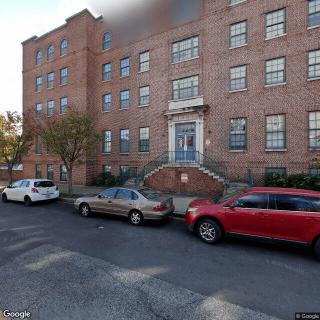
The guide highlights the importance of assisted living facilities for aging veterans needing daily support, discusses unique challenges they face, and outlines available financial assistance from the VA, including the Aid and Attendance program. It emphasizes understanding eligibility criteria and navigating the VA system to access necessary benefits effectively.
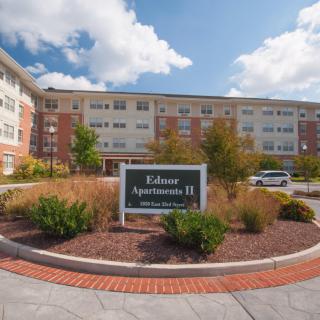
The article compares assisted living and skilled nursing facilities, detailing their differing levels of assistance, medical support, cost structures, and day-to-day experiences. It emphasizes that assisted living is for those needing help with daily activities while maintaining independence, whereas skilled nursing facilities provide intensive medical care with 24-hour staff supervision.
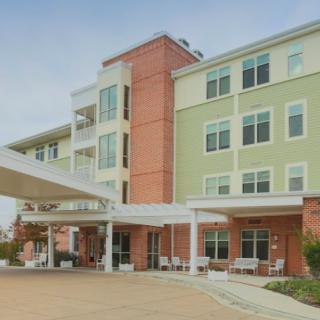
The transition from assisted living to skilled nursing care is often prompted by complex medical needs that assisted living cannot meet, with key indicators including frequent health declines, increased falls, severe memory issues, and caregiver burnout. Families should recognize these signs early to discuss options with healthcare providers and prepare for the emotional and logistical aspects of moving to a facility that offers comprehensive medical support.
Get PricingAsk A QuestionSchedule A TourContact Senior Advisor
By clicking submit, you agree to our Partner's Terms of Use. You
also consent to receive calls and texts, which may be autodialed, from our Partner. Your consent is not a condition to
using our Partner's service. Please visit our Partner's Privacy Policy for information about their privacy practices.

 4 resident community capacity
 Assisted Living
 Cable or satellite TV
 Dining room
 Fully furnished
 Garden
 Housekeeping services
 Move-in coordination
 Outdoor space
 Telephone
 Wi-Fi/high-speed internet available
 Baltimore-Washington International (10 miles away)
 24-hour supervision
 Activities of daily living assistance
 Assistance with bathing
 Assistance with dressing
 Assistance with transfers
 Diabetes diet
 Meal preparation and service
 Medication management
 Special dietary restrictions
 Transportation arrangement (medical)
 Transportation to doctors appointments
 Small, personalized assisted living with comprehensive care.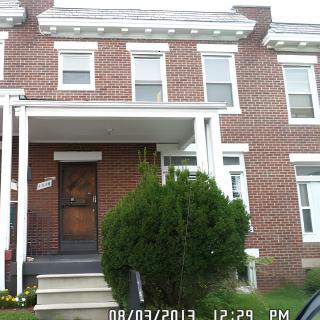
 Assisted Living Support for Veterans: A Complete and Detailed Overview
 Exploring the Contrasts Between Assisted Living and Skilled Nursing
 8 Key Indicators That Suggest It May Be Time to Transition from Assisted Living to Skilled Nursing Care