Taylor Made Assisted Living Center II

1714 East 33Rd Street, Baltimore, MD 21218

For more information about senior living options: (844) 490-3973

4.2 from 100 reviews
5 stars
70
4 stars
7
3 stars
6
2 stars
2
1 stars
15

Assisted Living

What level of care are you interested in?

Assisted Living

Memory Care

Independent Living

Skilled Nursing Facility

Continuing Care Retirement Community (CCRC)CCRC

Other


Request a tour at Taylor Made Assisted Living Center II

    Overall Review of Taylor Made Assisted Living Center II

    Pros

    • pro The staff were helpful.
    • pro The facility was very clean and fresh.
    • pro The receptionist was polite.
    • pro The therapy was very helpful.
    • pro Stadium Place rehabilitation therapy was phenomenal with outstanding care from the staff.
    • pro The place is nice, the staff are friendly, and the rooms are neat.
    • pro The staff did a great job and were efficient.

    Cons

    • pro The facility is filthy and unsanitary, with patient rooms and linens stained and even feces present.
    • pro It is severely understaffed, and the remaining staff are overwhelmed, slow to respond, and unavailable for long periods.
    • pro Nurses and aides are often rude, unhelpful, or neglectful, failing to assist with basic needs, wounds, or hygiene.
    • pro Patients reportedly go without food, water, or bathing for long stretches, and care plans are not properly followed.
    • pro The food is described as unpalatable or poorly prepared, with patients not being offered supplements when needed.
    • pro There are repeated maintenance and safety issues, including broken toilets, nonfunctional showers, dirty floors, and pest concerns.
    • pro Communication with families is poor, with staff not providing timely updates or following medical recommendations, sometimes leading to deterioration or unnecessary hospital transfers.

    Review

    There is a striking tension in the stories told about Stadium Place Rehabilitation, with experiences ranging from dubious cleanliness and neglect to moments of genuine care and competence. On one end of the spectrum, families describe scenes that feel dangerously unsanitary and poorly supervised, where basic dignity and hygiene seemed at risk and where advocates were forced to step in to compensate for what they perceived as staff shortages and miscommunication. On the other end, a few visitors praise the facility for being clean, well-located, and home to some kind-hearted caregivers who made a meaningful difference in a loved one's recovery. Taken together, the narratives paint a facility that is inconsistent in performance and atmosphere, highly dependent on specific staff members and shifts.

    A recurring theme in the most alarming reviews is the cleanliness and condition of patient rooms and common areas. One reviewer recounts a mother-in-law's room that was "covered in feces," with sheets that were "filthy with blood and feces." The account goes on to say that only a single nurse and a few others were present, and when the reviewer offered to help and asked for supplies, staff indicated they would not assist. The reviewer and their husband reportedly took on tasks like changing linens and cleaning up, expressing a conclusion that the place was unsafe for a loved one. Other comments echo similar concerns about dirty floors or rooms, and there are multiple complaints about a facility that failed to promptly address basic needs or maintain a healthy environment, leading some families to question whether the resident would be cared for properly at all.

    Staffing and responsiveness are another flashpoint across the reviews. A common complaint is that the staff, especially on certain shifts or floors, were overwhelmed or not present when needed. Reviewers describe call bells remaining unanswered for hours, nurses who tell patients they are too busy, and moments when there appears to be little to no professional staff on a floor for extended periods. Several reviewers specifically mention understaffing as a core problem that directly affected care quality, with phrases suggesting that both nursing and aides were stretched too thin to provide timely assistance or supervision. In one stark example, a patient's family reported no staff on the floor for an entire day, leaving an elderly relative unattended in distress. The sentiment is that understaffing undermines not only comfort but safety, and that proper management and a reliable nurse presence are essential to patient well-being.

    Yet the stories are not universally bleak. Some reviewers note positive experiences that highlight aspects of care that worked well. A few visitors describe clean facilities, friendly desk staff, and pleasant first impressions. There are mentions of therapy being helpful and a staff member who stood out for kindness or professionalism, suggesting that when certain individuals or teams are engaged, the care environment can be compassionate and effective. One reviewer who visited multiple times said the place was "very clean" and that the staff they encountered were doing a great job, even though they also observed that more staff would be beneficial to handle higher patient volume. Another account praised the therapy program as "phenomenal" in delivering outstanding care, indicating a recognition that expertise and encouragement in rehabilitation can indeed flourish within Stadium Place.

    There are also highly critical, emotionally charged testimonies that center on specific incidents of neglect or questionable decisions. Some families recount instances where medical concerns were not escalated to appropriate professionals in a timely manner; a patient experienced a decline after a stroke without prompt hospital transfer, and there is a sense of frustration at not being listened to or kept informed. One account alleges that opioids were offered repeatedly to a patient who could not tolerate them, raising concerns about pain management practices and patient safety. Others describe problems with daily routines - shower facilities that lacked handles or functioning fixtures, broken toilets, and food quality that seemed inconsistent with basic expectations. The thread through these stories is a perception that, at times, the facility failed to meet standard care protocols or to advocate firmly for a patient's health and dignity.

    Family advocacy appears as a unifying thread in several reviews. In the most intense cases, relatives report taking matters into their own hands or coordinating with hospital teams to secure better outcomes for their loved ones. There are accounts of nursing staff who were reluctant to engage and of families who had to push for changes, including arranging hospital transfers when care didn't meet expectations. Some reviewers describe turning to emergency services or arranging ambulance transport to move a patient out of Stadium Place, illustrating how far families felt compelled to go when trust in the facility's ability to care for a loved one was eroded. The repeated message is that families must actively monitor care, document concerns, and advocate for aggressive intervention when necessary.

    In sum, Stadium Place Rehabilitation emerges in these accounts as a place of strong contrasts. For some, it is a clean, well-located facility with moments of standout staff and effective therapy that can support recovery and comfort. For others, it is a setting where cleanliness lapses, slow responses, and understaffing create conditions that feel unsafe or unwelcoming, sometimes prompting families to intervene aggressively or seek alternative arrangements. The common thread across the stories is the critical importance of consistent staffing, timely communication, rigorous cleanliness, and sustained advocacy by families to ensure that residents receive respectful, responsive, and appropriate care. If you are considering this facility, these varied experiences suggest you should plan carefully: inspect rooms and common areas, verify staffing levels for the shifts most relevant to your loved one, and establish clear lines of communication and escalation with the administration and care teams.

    Features

    Housing

    • 6 resident community capacity 6 resident community capacity

    Types of Care

    • Assisted Living Assisted LivingAssisted living facilities provide crucial support and care for seniors who may need help with daily tasks such as medication management, bathing, and meal preparation. These communities offer a safe and comfortable environment where seniors can maintain their independence while receiving the assistance they need to thrive in their golden years.

    Amenities

    • Cable or satellite TV Cable or satellite TVCable or satellite TV is important for seniors because it provides entertainment, news, and companionship, helping to combat loneliness and boredom. It also offers a wide range of programming options tailored to different interests and preferences.
    • Dining room Dining roomDining rooms are important for seniors as they provide a space for socialization, connection, and nutritious meals. They offer opportunities for residents to bond over shared meals, foster a sense of community, and promote healthy eating habits. Dining rooms also ensure that seniors have access to well-balanced meals tailored to their dietary needs and preferences.
    • Fully furnished Fully furnishedFully furnished senior living communities are important for seniors because they provide convenience, comfort, and a hassle-free moving experience. Seniors can easily settle into their new living space without the stress of having to buy and move furniture. This allows them to focus on enjoying their new home and community.
    • Garden GardenGardens are important for seniors as they provide a peaceful and therapeutic environment for relaxation, physical activity, and socialization. Being in nature has been shown to reduce stress, improve mood, and promote overall well-being. Gardens also offer opportunities for seniors to engage in gardening activities, which can improve mobility, flexibility, and cognitive function. Additionally, gardens create a sense of community and connection with others who share a passion for plants and outdoor spaces.
    • Housekeeping services Housekeeping servicesHousekeeping services are important for seniors because they help maintain a clean and safe living environment, promote independence, and reduce the risk of accidents or illnesses. Additionally, having assistance with household chores can alleviate physical strain and allow seniors to focus on other aspects of their well-being.
    • Move-in coordination Move-in coordinationMove-in coordination is important for seniors because it helps ease the transition into their new living environment. It ensures that all logistics, such as packing, organizing movers, and setting up utilities are taken care of, allowing seniors to focus on settling in and adjusting to their new home. Having a smooth move-in process can alleviate stress and anxiety, making the transition smoother and more enjoyable for seniors.
    • Outdoor space Outdoor spaceOutdoor spaces are important for seniors as they provide opportunities for physical activity, social interaction, exposure to natural light and fresh air, and a sense of connection to nature. Having access to outdoor spaces can improve overall well-being and quality of life for older adults living in senior communities.
    • Telephone TelephoneTelephones are important for seniors as they provide a lifeline for communication with loved ones, emergency services, and healthcare providers. They offer a sense of security and independence, enabling seniors to stay connected and access assistance when needed.
    • Wi-Fi/high-speed internet available Wi-Fi/high-speed internet availableWi-Fi/high-speed internet is important for seniors to stay connected with loved ones, access online resources, and participate in virtual activities to combat feelings of loneliness and isolation. It also allows them to easily manage healthcare needs, access entertainment, and engage in lifelong learning opportunities.

    Transportation

    • Baltimore-Washington International (11 miles away) Baltimore-Washington International (11 miles away)

    Care Services

    • 24-hour supervision 24-hour supervision24-hour supervision is important for seniors to ensure their safety, well-being, and access to immediate assistance in case of emergencies or health issues. This constant support provides peace of mind for both seniors and their loved ones, allowing them to age in place with dignity and security.
    • Activities of daily living assistance Activities of daily living assistanceActivities of daily living assistance are important for seniors because they provide essential support with tasks such as eating, bathing, dressing, and mobility. This assistance helps seniors maintain their independence, dignity, and overall quality of life as they age.
    • Assistance with bathing Assistance with bathingAssistance with bathing is crucial for seniors as it helps maintain personal hygiene, prevents infections, and ensures their overall well-being and comfort. It also provides a sense of dignity and independence for seniors who may struggle with this task on their own.
    • Assistance with dressing Assistance with dressingAssistance with dressing is important for seniors because it helps maintain their independence, promotes personal hygiene, prevents accidents and injuries, and improves overall quality of life. This service ensures that seniors can continue to dress comfortably and confidently, despite any physical limitations they may have.
    • Assistance with transfers Assistance with transfersAssistance with transfers is crucial for seniors as it helps prevent falls and injuries, maintains their independence, and ensures they can safely navigate their living environment. It also provides peace of mind for both seniors and their loved ones.
    • Coordination with health care providers Coordination with health care providersCoordination with health care providers is crucial for seniors to ensure proper medical care, medication management, and overall well-being. This collaboration helps prevent overlapping treatments, track progress more effectively, and provide comprehensive support tailored to individual needs.
    • Diabetes diet Diabetes dietA diabetes diet is crucial for seniors as it helps manage blood sugar levels, reduce risks of complications, and improve overall health and well-being. By following a balanced and nutritious diet tailored to their specific needs, seniors can better control their diabetes and enhance their quality of life.
    • Meal preparation and service Meal preparation and serviceMeal preparation and service are crucial for seniors as they may have limited mobility or energy to cook nutritious meals. Having access to healthy and convenient food options can ensure they are getting the proper nutrition needed to maintain their overall health and well-being.
    • Medication management Medication managementMedication management is crucial for seniors to ensure they are taking the right medications at the correct dosages and times. This helps prevent adverse drug interactions, reduces the risk of medication errors, and promotes overall health and well-being. Proactive management also allows for adjustments as needed based on changing health conditions or new prescriptions.
    • Special dietary restrictions Special dietary restrictionsSpecial dietary restrictions are important for seniors because age-related changes in metabolism and health conditions can make it difficult for their bodies to process certain foods. By following a diet tailored to their specific needs, seniors can maintain their overall health and well-being, manage chronic conditions, and reduce the risk of complications such as malnutrition or food interactions with medications.
    • Transportation arrangement (medical) Transportation arrangement (medical)Transportation arrangements for medical purposes are essential for seniors as they may have difficulty driving themselves to appointments or accessing public transportation. Having reliable and safe transportation options ensures that seniors can receive timely medical care and maintain their health and well-being.
    • Transportation to doctors appointments Transportation to doctors appointmentsTransportation to doctors' appointments is crucial for seniors as it ensures they have access to necessary medical care and support for their health needs. Without reliable transportation, seniors may struggle to attend important appointments, leading to potential delays in treatment and health complications. Providing transportation services helps seniors maintain their overall well-being and quality of life.

    Dining

    • Diabetes diet Diabetes dietA diabetes diet is crucial for seniors as it helps manage blood sugar levels, reduce risks of complications, and improve overall health and well-being. By following a balanced and nutritious diet tailored to their specific needs, seniors can better control their diabetes and enhance their quality of life.
    • Special dietary restrictions Special dietary restrictionsSpecial dietary restrictions are important for seniors because age-related changes in metabolism and health conditions can make it difficult for their bodies to process certain foods. By following a diet tailored to their specific needs, seniors can maintain their overall health and well-being, manage chronic conditions, and reduce the risk of complications such as malnutrition or food interactions with medications.

    Activities

    • Community-sponsored activities Community-sponsored activitiesCommunity-sponsored activities are important for seniors as they provide opportunities for social interaction, mental stimulation, and physical activity. These activities can help improve overall well-being, combat loneliness and isolation, and promote a sense of belonging and purpose among older adults.
    • Scheduled daily activities Scheduled daily activitiesScheduled daily activities are important for seniors because they provide structure, socialization, mental stimulation, and physical activity. Engaging in regular activities can improve overall well-being and quality of life for seniors living in a community setting.

    Description

    Taylor Made Assisted Living Center II is a warm and inviting assisted living community located in the heart of Baltimore, MD. Our center offers a range of amenities and care services to ensure that our residents feel comfortable, safe, and supported.

    Our fully furnished apartments provide a cozy living space for our residents to call home. With a dining room on-site, delicious meals are served daily, taking into consideration any special dietary restrictions. Our dedicated staff also offers housekeeping services to keep the living environment clean and tidy.

    At Taylor Made Assisted Living Center II, we understand the importance of maintaining an active and fulfilling lifestyle. That's why we offer a variety of scheduled daily activities for residents to enjoy. From exercise classes to music therapy sessions, there is something for everyone to engage in. Outdoor spaces are also available for residents who enjoy spending time outside or gardening.

    Our experienced staff provides assistance with activities of daily living, including bathing, dressing, and transfers. We also coordinate with health care providers to ensure that each resident receives personalized care tailored to their individual needs. Medication management is offered to help residents stay on top of their prescribed medications.

    Transportation arrangement services are available for medical appointments as well as visits to doctors' offices. Additionally, there are numerous nearby cafes, parks, pharmacies, restaurants, places of worship, hospitals, and physicians' offices within close proximity for convenience.

    At Taylor Made Assisted Living Center II in Baltimore, MD, we strive to create a caring and supportive environment where our residents can thrive. Contact us today to learn more about our community and how we can meet your loved one's assisted living needs.

    Nearby Places of Interest

    Pharmacies

    • CVS Pharmacy (1 miles)
    • Walgreens (1.2 miles)
    • CVS Pharmacy (1.6 miles)
    • Walgreens (1.7 miles)
    • CVS Pharmacy (1.9 miles)
    • CVS Pharmacy (2.2 miles)
    • Walgreens (2.2 miles)

    Restaurants

    • McDonald's (1.1 miles)
    • Koco's Pub (1.2 miles)
    • Burger King (2 miles)
    • Blakes Crab House (2.4 miles)
    • McDonald's (2.5 miles)
    • Zen West Roadside Cantina (2.7 miles)
    • Colin's Seafood and Grill (2.7 miles)

    Hospitals

    • MedStar Union Memorial Hospital (1.3 miles)
    • MedStar Good Samaritan Hospital (2.1 miles)
    • Kennedy Krieger Institute (2.1 miles)
    • Osler Bulding (2.1 miles)
    • Johns Hopkins Outpatient Pharmacy (2.2 miles)
    • The Charlotte R. Bloomberg Children's Center at Johns Hopkins Hospital (2.3 miles)
    • UMMC Midtown Campus (2.5 miles)

    Physicians

    • Scottish Rite Speech & Language Center (1.6 miles)
    • East Baltimore Medical Center (2 miles)
    • Jai Medical Center (2.2 miles)
    • University of Maryland Medical Center Midtown Professional Building (2.6 miles)
    • University Health Center (3.2 miles)
    • Wozniak Marcella University of Maryland Medical Center Neurology (3.2 miles)
    • 301 Building at Johns Hopkins Bayview Medical Center (3.5 miles)

    Transportation

    • Penn Station (2 miles)

    Cafes

    • Miss Shirley's Cafe, Roland Park (2.4 miles)
    • Dooby's (2.5 miles)
    • Starbucks (2.6 miles)
    • Ceremony Coffee Roasters (2.7 miles)
    • Starbucks (3.2 miles)
    • Pitango Bakery + Cafe (3.2 miles)
    • Starbucks (3.4 miles)

    Parks

    • Patterson Park (2.8 miles)
    • Patterson Park Annex (3 miles)
    • Harbor Point Central Plaza (3.3 miles)
    • Federal Hill Park (3.5 miles)
    • Rash Field (3.5 miles)
    • Rodgers Forge Tot Lot (3.6 miles)
    • Canton Waterfront Park (3.7 miles)

    Places of Worship

    • Brown Memorial Woodbrook Presbyterian Church (4 miles)

    Frequently Asked Questions

    Where is Taylor Made Assisted Living Center II?

    Nearby Communities

    • Step From Home

      Step From Home

      Baltimore, MD


      pro Comprehensive care with ADL assistance, diabetes-friendly meals, transportation for medical visits, and furnished apartments.


    • Hanson Home Care II

      Hanson Home Care II

      Baltimore, MD

      3 from 2 reviews
       

      pro Comprehensive on-site care (24h supervision, ADL assistance, medication management, diabetes diet) in a fully furnished setting with housekeeping and transportation for medical visits.

      Hanson Home Care II reviews

    • Royal Star

      Royal Star

      Baltimore, MD


      pro Small, personalized setting with comprehensive care, furnished apartments, and a garden.

    • Tender Love & Care

      Tender Love & Care

      Baltimore, MD


      pro Small, personalized assisted living with 24/7 supervision, medication management, and customized meal plans.

    • Easter Adult Care

      Easter Adult Care

      Baltimore, MD


      pro Comprehensive assisted living with 24/7 supervision, daily living support, diabetes-friendly dining, medication management, activities, and care coordination.

    • Blessed Heart

      Blessed Heart

      Baltimore, MD


      pro Comprehensive care in a well-equipped, activity-friendly setting.

    • The Nursing And Rehab Center At Stadium Place

      The Nursing And Rehab Center At Stadium Place

      Baltimore, MD

      4.2 from 100 reviews
       

      pro Comprehensive 24/7 care with diabetes-friendly dining and restaurant-style meals in a furnished setting.

      The Nursing And Rehab Center At Stadium Place reviews
      The Nursing And Rehab Center At Stadium Place images

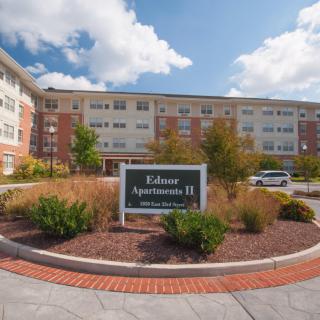
    • Ednor Apartments II

      Ednor Apartments II

      Baltimore, MD

      5 from 5 reviews
      $660 to $737 / month

      pro Spacious apartments with helpful staff and on-site amenities.

      Ednor Apartments II costs
      Ednor Apartments II reviews
      Ednor Apartments II images

    • Future Care Cold Spring

      Future Care Cold Spring

      Baltimore, MD

      4.1 from 100 reviews
       

      pro Comprehensive amenities and 24/7 supervision.

      Future Care Cold Spring reviews
      Future Care Cold Spring images

    Related Resources

    • when to move from assisted living to memory careWhen to Transition from Assisted Living to Memory Care: Key Indicators, Steps, and Finding the Right Community

      Transitioning from assisted living to memory care is driven by an individual's cognitive decline and specific needs, requiring careful evaluation of indicators like increased confusion and wandering. The process involves consulting medical professionals, researching suitable communities, considering financial and legal aspects, and ensuring effective communication for personalized care plans.

    • assisted living vs memory careAssisted Living and Memory Care: Understanding Their Core Differences

      Assisted living provides moderate support for seniors seeking independence, while memory care offers specialized support for individuals with dementia or cognitive impairments through structured routines and trained staff. Key differences include care approaches, environment security measures, staff training levels, activity types, and cost considerations.

    • assisted living activitiesBeyond the Bingo Hall: 50+ Enriching Activities for Seniors in Assisted Living

      Assisted living communities offer diverse activities beyond traditional games to enhance seniors' physical health, cognitive well-being, emotional enrichment, and social connections, including fitness classes, creative expression, and intergenerational interactions. These enriching programs foster community bonds and support residents' independence and happiness.


    Get Pricing Ask A Question Schedule A Tour Contact Senior Advisor
