
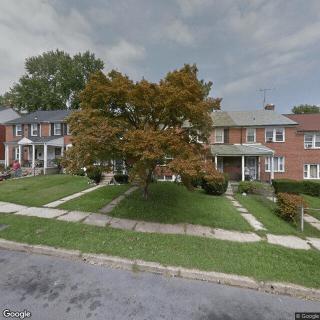
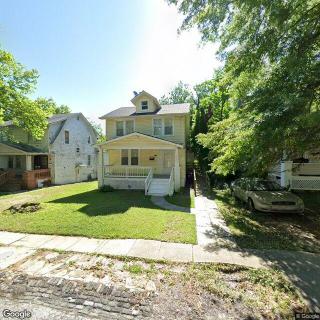
914 Saint Dunstans, Baltimore, MD 21214
For more information about senior living options: (866) 208-4318
Overall Review of Sweet P's Joyceful Assisted Living 3
Pros
 The home is beautiful and well structured, with friendly staff.
- The facilities are clean, with plenty of activities and an engaged, caring staff.
- Esther's Place feels like a warm, home-like environment where residents are consistently cared for and happy.
- The staff form special relationships with each resident, delivering compassionate, personalized care.
- The caregivers go the extra mile and are professional, approachable, and dedicated.
- The owners are devoted to providing high-quality care and creating a respectful, family-like atmosphere.
- The overall care is attentive and tailored to each resident's needs, making families feel confident in their choice.
Cons
 One reviewer warned against sending a loved one there, recounting that a med tech slept on another patient’s bed and reacted angrily when confronted.
- Another reviewer said Esther’s Place “sucks” and accused the staff of not caring for the clients, implying financial motives.
- A reviewer stated that Esther’s Place had staffing shortfalls and escalating fees at a previous facility, suggesting it could not care for the mother properly.
- A critic described the place as dirty and nasty, claiming the staff did not take proper care of the residents.
- A review claimed the facility prioritized money over patient care.
Review
Sweet P's Joyceful Assisted Living 3 is best suited for families seeking a small, home-like, caregiver-first environment in Baltimore, where residents receive steady daily support and genuine personal attention. The reviews consistently point to a warm, residential atmosphere with staff who know residents by name, predictable routines, and a sense that someone is always monitoring comfort and safety. For families prioritizing open communication from ownership and a setting that feels more like a supportive family home than a sterile institution, this community offers a practical, low-stress option. It fits seniors who no longer need hospital-level care but still require dependable assistance, companionship, and attentive supervision.
The strongest positives center on caregiving culture and daily life. Staff are repeatedly characterized as compassionate, patient, and engaged, with residents kept active through purposeful games and social activities rather than left in front of screens. Cleanliness and upkeep come through in the reviews, with well-maintained spaces that feel inviting rather than clinical. The small-home format appears to amplify these strengths: residents receive more individualized attention, care plans feel tailored, and relationships with caregivers tend to deepen over time. Ownership and management are described as accessible, responsive, and invested in quality of life as well as safety, which helps families trust that the care team will address concerns promptly.
Yet the feedback is not entirely uniform. A minority of reviews raises serious concerns: one report describes a med tech sleeping on another patient’s bed, a fault line that underscores the risk of oversight gaps in any small operation. Another reviewer voices strong dissatisfaction, accusing the facility of prioritizing money over care and cleanliness. While these accounts are outliers in a sea of praise, they cannot be dismissed. They signal the genuine possibility of episodic lapses and invite prospective families to scrutinize current staffing structures, incident reporting, and the rigor of daily supervision during tours and conversations before moving a loved one in.
These pros tend to offset the cons for most families because the care experience in this setting hinges on relationships and attentiveness rather than grand amenities. The intimate scale makes staff more accessible, and the culture of hands-on care often translates into quicker problem-solving, easier communication, and a sense of security for families during difficult transitions. The affordability noted in some reviews matters as well: when money is not diverted toward elaborate real estate or high-end perks, more resources are directed toward direct resident care, routine cleanliness, and the daily, practical needs that sustain comfort and dignity. In short, the value proposition is strong for those who value dependable, heart-led care over polish.
For those contemplating alternatives, this community is less ideal for residents with highly specialized or rapidly evolving medical needs requiring robust on-site clinical infrastructure. Families seeking a large campus with extensive medical resources, multiple specialized wings, or physician-led programming may find other Baltimore options better aligned with those expectations. Similarly, if perceived forgetfulness about oversight, inconsistent staffing, or a preference for a more institutional setting surfaces as a decisive concern, it may be wise to broaden the search to providers with broader clinical networks and stronger formal QA processes. The key is aligning care goals with what the specific setting can reliably deliver.
Bottom line: for families prioritizing a warm, caregiver-first environment that treats residents like family and keeps costs reasonable, Sweet P's Joyceful Assisted Living 3 presents a compelling, well-supported choice in Baltimore. The best-fit candidate is someone who values personal relationships, consistent daily routines, and a home-like atmosphere, and who is prepared to conduct thorough on-site evaluations, ask pointed questions about staffing ratios and supervision, and review all care agreements carefully. When due diligence is done, this community’s strengths, compassionate staff, engaged activities, and a sincerely homelike vibe, make it a practical, credible option worth prioritizing in the decision process.
 4 resident community capacity
 Assisted Living
 Cable or satellite TV
 Dining room
 Fully furnished
 Garden
 Housekeeping services
 Move-in coordination
 Outdoor space
 Telephone
 Wi-Fi/high-speed internet available
 Baltimore-Washington International (13 miles away)
 24-hour supervision
 Activities of daily living assistance
 Assistance with bathing
 Assistance with dressing
 Assistance with transfers
 Diabetes diet
 Meal preparation and service
 Medication management
 Special dietary restrictions
 Transportation arrangement (medical)
 Transportation to doctors appointments




 How and When Medicaid May Cover Assisted Living Costs
 A Detailed Exploration of Assisted Living Medicaid Waivers Across the United States
 Comprehensive Residential Support and Assisted Living Solutions for Individuals with Disabilities