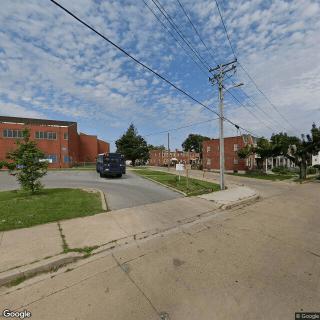
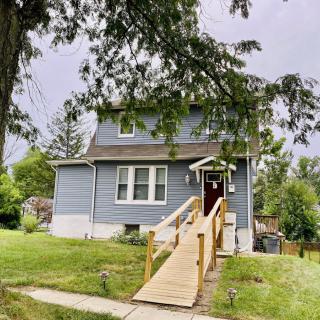
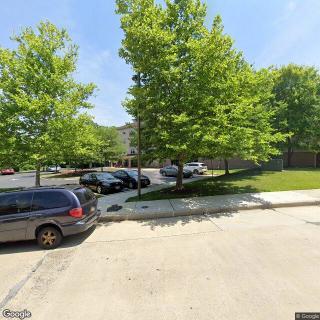
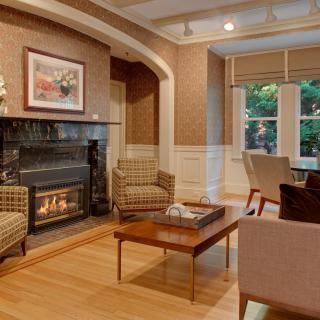
Second Family in Baltimore, MD

4839 Reisterstown Road, Baltimore, MD 21215

For more information about senior living options: (844) 490-3973

3 from 2 reviews
Assisted Living

Overall Review of Second Family

Pros

  • pro The home health group is great.
  • pro They beat other area agencies.
  • pro They use a Nurse Coordinator to manage care.
  • pro They provide backup aides in case of call-outs.
  • pro They offer an electronic view of two-week schedules.
  • pro They show a sincere desire to make things work.

Cons

  • pro The company hires idiots.
  • pro There is someone at their door every 12 hours.
  • pro The problem is they have the wrong address.
  • pro They were caught on camera looking under the doormat for keys to break in.

Review

Second Family in Baltimore, MD is best suited for families that want a hands-on home-health partner with strong care coordination, predictable staffing, and clear accountability. The model appears to work best when a family seeks a single point of contact through a Nurse Coordinator, relies on backup aides to cover shifts, and desires visibility into a two-week schedule. In short, this agency serves households that prize continuity of care, proactive problem-solving, and a transparent flow of information over time. For families facing complex care needs or who appreciate a structured, organized approach to scheduling and oversight, Second Family can be a practical, even efficient, fit.

Those who should consider alternatives are families with heightened sensitivity to privacy and entry protocols, or anyone who cannot tolerate even the perception of misdirected visits. One review describes repeated door visits to an incorrect address and a troubling scene involving someone attempting to gain entry by peering under a mat. While such incidents appear to be isolated, they raise legitimate concerns about privacy, security, and reliability of service delivery. For households where strict adherence to address accuracy and foolproof entry procedures are non-negotiable, it is prudent to compare other agencies that emphasize verification processes, badge-controlled access, or two-person visits as standard practice.

The strongest pro-set of this agency - Nurse Coordinator involvement, backup aides, and transparent scheduling - can meaningfully offset some of the inherent fragility in home-health delivery. A dedicated nurse coordinator provides medical oversight, reduces the risk of care gaps when a caregiver calls out, and helps coordinate multiple services. The availability of backup aides means that a lapse in one caregiver does not necessarily leave the client unsupported, which is a critical advantage for families juggling medications, mobility issues, or episodic medical needs. The electronic view of a two-week schedule adds a layer of accountability and planning discipline, allowing family members to anticipate coverage, notice conflicts, and request adjustments before problems escalate. Taken together, these features create a more resilient care engine than many smaller outfits.

Yet the main drawbacks cannot be dismissed lightly. The most significant risk involves the optics and reality of entry into the home. Even a single misaddress delivery can undermine trust and raise concerns about safeguarding personal information and belongings. Additionally, the reliance on external staffing means that the quality and temperament of individual aides can vary, and without rigorous upfront vetting and ongoing supervision, the benefits of backup coverage may not fully materialize. Prospective clients should press for explicit policies: how address verification is performed, what identification is required of staff upon arrival, how access is granted (and by whom), and what steps exist if a caregiver shows up at the wrong door or at the wrong time. These details directly influence whether the reported strengths - coordination, staffing backups, and scheduling transparency - will reliably translate into safer, steadier care.

In deciding whether to move forward with Second Family, families should structure their questions around four pillars: care coordination quality, staffing reliability, schedule transparency, and security safeguards. Inquire about the Nurse Coordinator's scope, the expected cadence of communications, and how adjustments are handled when a caregiver calls out. Confirm the policy on backup aides, including how quickly replacements can be deployed and how consistent those replacements are with the client's care plan. Demand a demonstrable, user-friendly scheduling portal or communication routine that keeps family members apprised of changes in real time. And insist on clear, documented entry procedures, including verification steps, staff identification, and a defined protocol for addressing any entry or privacy concerns.

Overall, Second Family represents a practical option for households seeking structured, well-supported home health with strong coordination features. The rating mix - one five-star and one one-star review, totaling a modest 3 out of 5 - signals that experiences vary widely and hinges on how well security, scheduling, and staffing pitfalls are managed in practice. If a family can secure robust safeguards and insist on the agency's promised coordination framework, this provider can deliver dependable care continuity and responsive problem-solving. If not, exploring alternatives with stricter entry controls and standardized, campus-like oversight may prevent unsettling incidents and deliver greater peace of mind.

Features

Housing

  • 4 resident community capacity 4 resident community capacity

Types of Care

  • Assisted Living Assisted LivingAssisted living facilities provide crucial support and care for seniors who may need help with daily tasks such as medication management, bathing, and meal preparation. These communities offer a safe and comfortable environment where seniors can maintain their independence while receiving the assistance they need to thrive in their golden years.

Amenities

  • Cable or satellite TV Cable or satellite TVCable or satellite TV is important for seniors because it provides entertainment, news, and companionship, helping to combat loneliness and boredom. It also offers a wide range of programming options tailored to different interests and preferences.
  • Dining room Dining roomDining rooms are important for seniors as they provide a space for socialization, connection, and nutritious meals. They offer opportunities for residents to bond over shared meals, foster a sense of community, and promote healthy eating habits. Dining rooms also ensure that seniors have access to well-balanced meals tailored to their dietary needs and preferences.
  • Fully furnished Fully furnishedFully furnished senior living communities are important for seniors because they provide convenience, comfort, and a hassle-free moving experience. Seniors can easily settle into their new living space without the stress of having to buy and move furniture. This allows them to focus on enjoying their new home and community.
  • Garden GardenGardens are important for seniors as they provide a peaceful and therapeutic environment for relaxation, physical activity, and socialization. Being in nature has been shown to reduce stress, improve mood, and promote overall well-being. Gardens also offer opportunities for seniors to engage in gardening activities, which can improve mobility, flexibility, and cognitive function. Additionally, gardens create a sense of community and connection with others who share a passion for plants and outdoor spaces.
  • Housekeeping services Housekeeping servicesHousekeeping services are important for seniors because they help maintain a clean and safe living environment, promote independence, and reduce the risk of accidents or illnesses. Additionally, having assistance with household chores can alleviate physical strain and allow seniors to focus on other aspects of their well-being.
  • Move-in coordination Move-in coordinationMove-in coordination is important for seniors because it helps ease the transition into their new living environment. It ensures that all logistics, such as packing, organizing movers, and setting up utilities are taken care of, allowing seniors to focus on settling in and adjusting to their new home. Having a smooth move-in process can alleviate stress and anxiety, making the transition smoother and more enjoyable for seniors.
  • Outdoor space Outdoor spaceOutdoor spaces are important for seniors as they provide opportunities for physical activity, social interaction, exposure to natural light and fresh air, and a sense of connection to nature. Having access to outdoor spaces can improve overall well-being and quality of life for older adults living in senior communities.
  • Telephone TelephoneTelephones are important for seniors as they provide a lifeline for communication with loved ones, emergency services, and healthcare providers. They offer a sense of security and independence, enabling seniors to stay connected and access assistance when needed.
  • Wi-Fi/high-speed internet available Wi-Fi/high-speed internet availableWi-Fi/high-speed internet is important for seniors to stay connected with loved ones, access online resources, and participate in virtual activities to combat feelings of loneliness and isolation. It also allows them to easily manage healthcare needs, access entertainment, and engage in lifelong learning opportunities.

Transportation

  • Baltimore-Washington International (12 miles away) Baltimore-Washington International (12 miles away)

Care Services

  • 24-hour supervision 24-hour supervision24-hour supervision is important for seniors to ensure their safety, well-being, and access to immediate assistance in case of emergencies or health issues. This constant support provides peace of mind for both seniors and their loved ones, allowing them to age in place with dignity and security.
  • Activities of daily living assistance Activities of daily living assistanceActivities of daily living assistance are important for seniors because they provide essential support with tasks such as eating, bathing, dressing, and mobility. This assistance helps seniors maintain their independence, dignity, and overall quality of life as they age.
  • Assistance with bathing Assistance with bathingAssistance with bathing is crucial for seniors as it helps maintain personal hygiene, prevents infections, and ensures their overall well-being and comfort. It also provides a sense of dignity and independence for seniors who may struggle with this task on their own.
  • Assistance with dressing Assistance with dressingAssistance with dressing is important for seniors because it helps maintain their independence, promotes personal hygiene, prevents accidents and injuries, and improves overall quality of life. This service ensures that seniors can continue to dress comfortably and confidently, despite any physical limitations they may have.
  • Assistance with transfers Assistance with transfersAssistance with transfers is crucial for seniors as it helps prevent falls and injuries, maintains their independence, and ensures they can safely navigate their living environment. It also provides peace of mind for both seniors and their loved ones.
  • Coordination with health care providers Coordination with health care providersCoordination with health care providers is crucial for seniors to ensure proper medical care, medication management, and overall well-being. This collaboration helps prevent overlapping treatments, track progress more effectively, and provide comprehensive support tailored to individual needs.
  • Diabetes diet Diabetes dietA diabetes diet is crucial for seniors as it helps manage blood sugar levels, reduce risks of complications, and improve overall health and well-being. By following a balanced and nutritious diet tailored to their specific needs, seniors can better control their diabetes and enhance their quality of life.
  • Meal preparation and service Meal preparation and serviceMeal preparation and service are crucial for seniors as they may have limited mobility or energy to cook nutritious meals. Having access to healthy and convenient food options can ensure they are getting the proper nutrition needed to maintain their overall health and well-being.
  • Medication management Medication managementMedication management is crucial for seniors to ensure they are taking the right medications at the correct dosages and times. This helps prevent adverse drug interactions, reduces the risk of medication errors, and promotes overall health and well-being. Proactive management also allows for adjustments as needed based on changing health conditions or new prescriptions.
  • Special dietary restrictions Special dietary restrictionsSpecial dietary restrictions are important for seniors because age-related changes in metabolism and health conditions can make it difficult for their bodies to process certain foods. By following a diet tailored to their specific needs, seniors can maintain their overall health and well-being, manage chronic conditions, and reduce the risk of complications such as malnutrition or food interactions with medications.
  • Transportation arrangement (medical) Transportation arrangement (medical)Transportation arrangements for medical purposes are essential for seniors as they may have difficulty driving themselves to appointments or accessing public transportation. Having reliable and safe transportation options ensures that seniors can receive timely medical care and maintain their health and well-being.
  • Transportation to doctors appointments Transportation to doctors appointmentsTransportation to doctors' appointments is crucial for seniors as it ensures they have access to necessary medical care and support for their health needs. Without reliable transportation, seniors may struggle to attend important appointments, leading to potential delays in treatment and health complications. Providing transportation services helps seniors maintain their overall well-being and quality of life.

Dining

  • Diabetes diet Diabetes dietA diabetes diet is crucial for seniors as it helps manage blood sugar levels, reduce risks of complications, and improve overall health and well-being. By following a balanced and nutritious diet tailored to their specific needs, seniors can better control their diabetes and enhance their quality of life.
  • Special dietary restrictions Special dietary restrictionsSpecial dietary restrictions are important for seniors because age-related changes in metabolism and health conditions can make it difficult for their bodies to process certain foods. By following a diet tailored to their specific needs, seniors can maintain their overall health and well-being, manage chronic conditions, and reduce the risk of complications such as malnutrition or food interactions with medications.

Activities

  • Community-sponsored activities Community-sponsored activitiesCommunity-sponsored activities are important for seniors as they provide opportunities for social interaction, mental stimulation, and physical activity. These activities can help improve overall well-being, combat loneliness and isolation, and promote a sense of belonging and purpose among older adults.
  • Scheduled daily activities Scheduled daily activitiesScheduled daily activities are important for seniors because they provide structure, socialization, mental stimulation, and physical activity. Engaging in regular activities can improve overall well-being and quality of life for seniors living in a community setting.

Description

The Second Family in Baltimore, MD is an exceptional assisted living community that offers a wide range of amenities and care services to cater to the unique needs of its residents.

This community provides a comfortable and welcoming environment for seniors looking for a second home. The dining room offers delicious meals prepared by professional chefs, and special dietary restrictions can be accommodated. The apartments are fully furnished, ensuring that residents feel at ease and settled into their new space. The outdoor garden provides a serene setting for relaxation and enjoyment of nature.

Housekeeping services are included to maintain cleanliness and tidiness throughout the community. Move-in coordination is available to assist residents with the transition process, ensuring a smooth and stress-free move.

Residents can stay connected with telephone service and Wi-Fi/high-speed internet access, allowing them to communicate with loved ones or engage in online activities.

The care services provided at Second Family are dedicated to promoting the wellbeing of each resident. Trained staff members offer assistance with activities of daily living such as bathing, dressing, and transfers. Coordination with health care providers ensures that residents receive necessary medical attention when needed.

For those with specific health needs, diabetes diets can be implemented, and medication management is available to ensure proper administration of medications. Special dietary restrictions can also be accommodated to cater to individual preferences or allergies.

Transportation arrangement services are offered for medical appointments, helping residents reach their healthcare providers conveniently. Additionally, transportation options are available for recreational purposes or visits to nearby places of worship.

To promote an active lifestyle, Second Family organizes daily scheduled activities for residents' enjoyment and social engagement. With four cafes located nearby, residents have convenient access to local eateries where they can enjoy meals or meet friends for a coffee break. Nearby parks provide opportunities for outdoor recreation and relaxation.

Residents benefit from close proximity to essential services within the surrounding area. With 26 pharmacies nearby, medication refills are easily accessible. Thirteen physicians in the vicinity ensure that residents have easy access to medical care. Fourteen restaurants nearby offer diverse culinary experiences, giving residents ample dining options outside the community.

Overall, Second Family in Baltimore, MD is a remarkable assisted living community that offers exceptional amenities, care services, and convenient access to essential services nearby. It strives to create a supportive and engaging environment where residents can thrive and enjoy their golden years.

Nearby Places of Interest

Pharmacies

  • CVS Pharmacy (0.8 miles)
  • Walgreens (0.9 miles)
  • Walgreens (1.1 miles)
  • CVS Pharmacy (2 miles)
  • Walgreens (2.3 miles)
  • Rite Aid (2.4 miles)
  • Seven Mile Market (2.5 miles)

Hospitals

  • Sinai Hospital Of Baltimore (1.1 miles)
  • Lifebridge Health Campus Service (3 miles)
  • MedStar Union Memorial Hospital (3.5 miles)
  • UMMC Midtown Campus (4.2 miles)
  • GBMC (4.4 miles)
  • Sheppard Pratt Health System (4.5 miles)
  • Baltimore VA Medical Center (4.6 miles)

Restaurants

  • Mt. Washington Tavern (2.2 miles)
  • Pepe's (2.6 miles)
  • Burger King (3.1 miles)
  • McDonald's (3.8 miles)
  • McDonald's (3.8 miles)
  • Corinthian Lounge & Restaurant (3.9 miles)
  • Zen West Roadside Cantina (3.9 miles)

Cafes

  • Miss Shirley's Cafe, Roland Park (2.4 miles)
  • Starbucks (3.9 miles)
  • Dooby's (4.4 miles)
  • Ceremony Coffee Roasters (4.5 miles)
  • Starbucks (5.7 miles)

Physicians

  • University of Maryland Rehabilitation & Orthopaedic Institute (2.5 miles)
  • Dr Richard A. Adler, Belcara Health Ophthalmology (2.8 miles)
  • Scottish Rite Speech & Language Center (3.2 miles)
  • Omni Eye Specialists (4 miles)
  • University of Maryland Medical Center Midtown Professional Building (4.2 miles)
  • Dr Kelman Office (4.3 miles)
  • St Paul Place Specialist OB GYN (4.3 miles)

Parks

  • Lake Roland (2.6 miles)
  • Rodgers Forge Tot Lot (3.9 miles)
  • Meadowood Regional Park (5.2 miles)
  • Rash Field (5.5 miles)
  • Federal Hill Park (5.7 miles)

Places of Worship

  • Brown Memorial Woodbrook Presbyterian Church (3.7 miles)
  • Church of the Immaculate Conception (5.6 miles)

Transportation

  • Penn Station (4.1 miles)

Theaters

  • Cinemark Towson And Xd (5.8 miles)

Frequently Asked Questions

Where is Second Family?

Nearby Communities

  • Lucille Assisted Living

    Lucille Assisted Living

    Baltimore, MD


    pro Home-like setting with 24/7 care and comprehensive amenities.

  • Litchfield Assisted Living

    Litchfield Assisted Living

    Baltimore, MD


    pro Small, intimate community with personalized 24-hour care, ADL assistance, and diabetes-friendly meals.

  • Love 2 Care

    Love 2 Care

    Baltimore, MD

     
    $5,200 to $8,000 / month

    pro Premium, personalized care with meals, housekeeping, activities, and transportation.

  • Sunshine Homes

    Sunshine Homes

    Baltimore, MD

    5 from 2 reviews
     

    pro Fully furnished units with 24/7 supervision, ADL support, meals, and outdoor spaces.

  • Best of Friends Home Care

    Best of Friends Home Care

    Baltimore, MD

    5 from 5 reviews
     

    pro Personalized care with memory support and active social engagement.

  • Greater Glory Assisted Living

    Greater Glory Assisted Living

    Baltimore, MD

     
    $2,000 to $2,800 / month

    pro Competitive pricing with private/semi-private rooms and a wide range of activities and care services.

  • Park View at Coldspring

    Park View at Coldspring

    Baltimore, MD

    4 from 8 reviews
    $885 / month

    pro Friendly, knowledgeable management in a pleasant, convenient location.

  • St Mary's Roland View Towers

    St Mary's Roland View Towers

    Baltimore, MD

    4 from 10 reviews
    $574 to $744 / month

    pro Affordable rents with a friendly, well-kept community and on-site activities.

  • Aventura at the Heights

    Aventura at the Heights

    Pikesville, MD

    4.3 from 35 reviews
    $3,995 to $4,995 / month

    pro Friendly, attentive staff in a clean, home-like setting.

Related Resources

  • assisted living activitiesBeyond the Bingo Hall: 50+ Enriching Activities for Seniors in Assisted Living

    Assisted living communities offer diverse activities beyond traditional games to enhance seniors' physical health, cognitive well-being, emotional enrichment, and social connections, including fitness classes, creative expression, and intergenerational interactions. These enriching programs foster community bonds and support residents' independence and happiness.

  • assisted living vs memory careUnderstanding the Distinctions: Assisted Living and Memory Care Explained

    The article differentiates between assisted living and memory care, explaining that assisted living supports seniors with daily activities while promoting independence, whereas memory care provides specialized services for individuals with dementia, focusing on secure environments and cognitive support. It also addresses staff training, safety considerations, costs, family involvement, and transition strategies for families navigating these care options.

  • elderly parent refuses assisted livingGuiding Elderly Parents Who Refuse Assisted Living: 6 Practical Steps

    Family caregivers face emotional, legal, and practical challenges when elderly parents refuse assisted living, often due to fears of losing autonomy. Open conversations and professional assessments can help address these concerns while exploring alternatives and ensuring safety, potentially leading to legal guardianship if necessary.