
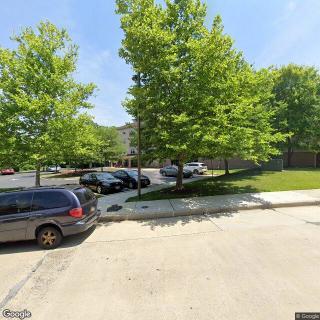
3300 Alto Road, Baltimore, MD 21216
For more information about senior living options: (866) 208-4318
Overall Review of Rosemarie Manor II
Pros
 She is very happy here.
- She has made friends quickly and is well taken care of.
- The medical attention she needs is provided and the staff is attentive.
- Social activities enhance engagement with others.
- The home is newly renovated, beautiful and spacious.
- The dad has had the best experience.
- The staff is top notch and his stay is well organized.
- He receives three cooked meals plus snacks, his own room, free roam of the facility, and laundry service.
- He is well taken care of on a daily basis.
- The facility is highly recommended for loved ones.
Cons
 The place is awful.
- The staff is unprofessional and abusive.
- The house is unsanitary and the food is disgusting and unhealthy.
- The reviewer warns never to consider Rosemarie Manor for a loved one.
- The establishment is unhealthy for the disabled and elderly community.
Review
Rosemarie Manor II in Baltimore, MD is best suited for families seeking a warm, home-like assisted living experience where daily care is attentive, meals are dependable, and social engagement is built into the routine. This community shines for residents who want to stay active, form quick friendships, and enjoy convenient proximity to family. The reviews consistently highlight a setting where private rooms, freedom of movement within the house, and practical comforts, such as laundry service and three cooked meals daily, create a sense of normalcy and independence within a supported environment. For families who prize a well-organized, caregiver-led operation run by an owner who takes pride in the facility, Rosemarie Manor II presents a compelling option.
Across multiple accounts, the strongest positives point to attentive staff, solid medical attention, and a well-managed daily structure. Families describe a facility that feels calm and respectful, with staff who respond to medical needs and engage residents in social activities that counterbalance routine boredom. The meals receive consistent praise, three daily meals plus snacks, suggesting reliable nutrition and variety. The home itself is portrayed as newly renovated, spacious, and visually appealing, which contributes to a comfortable, livable atmosphere. The owner, Tiffany Brown, is repeatedly credited with leadership that translates into a smooth operation, with private rooms and the freedom for residents to move about the premises without feeling restricted. All of these factors collectively reduce the stress on families and support continuity of care.
However, one review introduces a cautionary note: a single negative account describing unprofessional staff, sanitation concerns, and disappointing food quality. While this outlier contrasts with three overwhelmingly positive experiences, it cannot be dismissed as inconsequential. The existence of this perspective signals that, in practice, consistency in staffing quality and cleanliness cannot be assumed and must be verified during in-person assessments. For families, the takeaway is clear: diligence and direct conversations with the administration are essential, especially around daily routines, staff supervision, and dining hygiene. The risk of encountering subpar experiences exists, even in a facility with a strong overall reputation.
To offset potential downsides, the pros here are substantial and aligned with what many families need: a resident-focused, organized environment with genuine opportunities for social interaction, meals that meet expectations, and a sense of home that preserves autonomy. The proximity to family, such as being within easy visiting distance, adds practical value, as does the ability to access laundry services and a private living space. If Rosemarie Manor II maintains the demonstrated levels of attentiveness, professionalism, and cleanliness, the positives can significantly outweigh the risks highlighted by the negative review. In other words, the standout features, leadership-driven quality, daily structure, and a culturally welcoming, engaged atmosphere, are powerful offsets when verified by personal tours and candid conversations with staff and current residents.
For decision-making families, the practical path is to treat this community as a strong contender for those who want a more intimate, activity-rich setting with reliable meals and convenient family access. It is less clearly suited for residents who require advanced medical care, memory-care-specific supervision, or facilities with a consistently documented standard of sanitation across shifts. Prospective residents should plan extended visits, ask to observe meal service and social programming, and request coordinated care reviews that detail how medical needs are addressed day-to-day. If the tour reveals a well-trained, attentive team and a clean, vibrant living space, Rosemarie Manor II becomes a persuasive match for families prioritizing connection, independence within support, and a home-forward approach to assisted living.
In sum, Rosemarie Manor II offers a practical, compassionate option for seniors who want a lively, neighborly environment with dependable routines, strong meals, and the reassurance of hands-on ownership. It is a particularly strong fit for families seeking proximity for frequent visits and a facility that feels like a genuine home rather than a clinical setting. Those with significant or specialized medical requirements, or who hold very high standards for sanitation, should approach with deliberate due diligence and compare with alternative communities that emphasize higher-level clinical support. When toured with questions addressed candidly, this community stands as a credible, value-driven choice for the right resident.
 11 resident community capacity
 Assisted Living
 Board and Care Home
 Respite Care
 Cable or satellite TV
 Dining room
 Fully furnished
 Garden
 Housekeeping services
 Move-in coordination
 Outdoor space
 Telephone
 Wi-Fi/high-speed internet available
 Baltimore-Washington International (10 miles away)
 24-hour supervision
 Activities of daily living assistance
 Assistance with bathing
 Assistance with dressing
 Assistance with transfers
 Diabetes diet
 Meal preparation and service
 Medication management
 Special dietary restrictions
 Transportation arrangement (medical)
 Transportation to doctors appointments



 A Detailed Exploration of Assisted Living Medicaid Waivers Across the United States
 Comprehensive Residential Support and Assisted Living Solutions for Individuals with Disabilities
 Comprehensive Supportive Living Arrangements for Adults with Disabilities