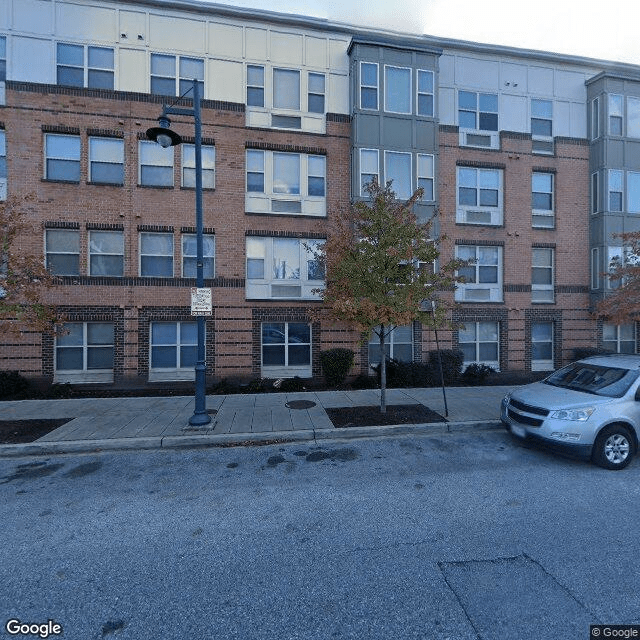
Park View at Ashland Terrace

Save
Park View at Ashland Terrace

Park View at Ashland Terrace

1705 East Eager St, Baltimore, MD 21205

For more information about senior living options: (844) 490-3973

3 from 4 reviews
5 stars
2
4 stars
0
3 stars
0
2 stars
0
1 stars
2

Active Adult Communities (55+)

Park View at Ashland Terrace Costs & Pricing

Park View at Ashland Terrace offers competitive monthly rental rates that significantly lower than both Baltimore city and the broader Maryland state averages. For a one-bedroom unit, residents enjoy a rate of $789, which stands in stark contrast to the average cost of $3,113 in Baltimore city and $3,904 statewide. Similarly, the two-bedroom option at Park View is priced at $938, whereas Baltimore's average for such accommodations is $2,993, with the state average reaching $3,497. This makes Park View an attractive choice for those seeking quality living without the hefty price tag typically associated with urban areas and larger regions in Maryland.

Floor plansPark View at Ashland TerraceBaltimore cityMaryland
1 Bedroom$789$3,113$3,904
2 Bedrooms$938$2,993$3,497

Overall Review of Park View at Ashland Terrace

Pros

  • pro The uncle loves it there.
  • pro The office worker is nice and new.
  • pro There was relief that no one was hurt in the incident.

Cons

  • pro The building is run down and unsafe.
  • pro There is no security in the lobby, and the doors do not lock properly.
  • pro Elevators are broken during storms, leaving residents trapped and requiring emergency assistance.
  • pro The elevator has been broken since August 4, endangering elderly and disabled residents.
  • pro A bullet recently shattered two residents' windows, indicating real danger.
  • pro The office staff are unreliable and fail to communicate or take urgent action.
  • pro Wellness checks for elderly residents are not performed.
  • pro Ms. Freeman is described as a horrible representative who will not accept responsibility.

Review

For four years now, a building that once seemed pleasant for a grandfather and his neighbors has devolved into a practical nightmare of safety concerns and neglected maintenance. The residents describe it as a senior citizen building that has fallen apart, with problems piling up faster than those who live here can bear. The overarching feeling is that the place has lost its sense of security, its reliability, and its basic management, leaving aging residents to cope with hazards that should never be allowed to exist in a community meant for the elderly.

A central complaint centers on the lack of security and the condition of the lobby. There is no real security present in the building's common space; no one sits in the lobby to monitor people coming and going. The door is often left broken or in a precarious state, sometimes obstructed by a caution sign or a refuse device to keep the door from closing and locking. This arrangement creates an unsafe atmosphere for residents who are trying to keep to a routine and for visitors who may need access. The sense conveyed by residents is one of vulnerability: a space designed to provide shelter and safety instead feels exposed and unreliable.

The building's physical infrastructure compounds the risk, especially during bad weather. The elevators and doors seem to fail whenever a storm arrives, which means elderly tenants and disabled residents could be stranded inside their apartments or forced to rely on emergency services to exit. When storms hit, residents fear being trapped, cursed by a systemic lack of dependable operation in essential access points. The fear isn't hypothetical; it's a repeated experience that makes daily life precarious for those who should be able to move freely within their own homes.

There is a particularly troubling concrete example: the elevator has been out of service since Thursday, August 4. The residents stress that there are elderly and disabled people living in the building, amplifying the seriousness of a broken elevator. This isn't a cosmetic issue; it directly affects basic mobility and safety. When the elevator stalls, it forces people who are already at a disadvantage to navigate unnecessary risk, including stairs, and it creates a bottleneck for medical appointments, groceries, and emergencies.

Another alarming factor cited is a violent incident: a bullet came through the windows of two residents on the second and third floors about a month ago. Although no one was hurt, the fact that a projectile entered living spaces is a stark indicator of safety lapses that extend beyond everyday maintenance. This event compounds the anxiety felt by residents who already worry about door security, elevator reliability, and the overall ability to stay safe within their own building.

Beyond physical safety, the narrative highlights a breakdown in communication and organizational responsiveness. A young woman now works in the office; she is described as nice and new but not sufficiently informed about ongoing events in the building. Visitors and tenants alike feel that the management's response to problems is inconsistent and sometimes overdue. There's a pointed contrast drawn between the urgency shown for enforcing rent payments - residents are promptly reminded when they're late - versus the slow or absent response to safety concerns and maintenance issues. Wellness checks or even routine wellness calls for elder residents are reported as missing, leaving seniors without necessary social and health oversight.

The sense of urgency in addressing these problems is palpable. The repeated refrain - "SOMETHING NEEDS TO BE DONE ASAP" - captures a community's plea for immediate action. In the chorus of concerns, there is also a personal note of incongruity: one resident adds that their uncle lives here and loves it, a small glimmer of attachment amid the broader critique. And there are direct complaints about leadership in the office: Ms. Freeman is described as a horrible representative who swears she is always right and refuses to accept responsibility for wrongdoings. Those remarks underscore a perception that accountability is lacking and that residents' concerns are not being properly acknowledged or resolved.

Taken together, these testimonies paint a picture of a building struggling with aging infrastructure, inadequate security, and administrative shortcomings. The combination of broken doors, a non-functional elevator during storm season, a dangerous exterior environment with a bullet incident, and a perceived lack of proactive care for the elderly residents' needs creates a climate of fear and frustration. The residents are calling for urgent, comprehensive action to restore safety, establish reliable operations, and reestablish a sense of trust in building management. The plea is clear: something must be done now to protect the people who call this place home, especially those who are the most vulnerable.

Features

Types of Care

  • Active Adult Communities (55+) Active Adult Communities (55+)Active Adult Communities provide seniors with opportunities for socialization, activities, and wellness programs tailored to their needs. These communities offer a sense of belonging and security while promoting an active and independent lifestyle for those aged 55 and older.

Pets

  • Cats allowed Cats allowed"Pet friendly" senior living communities are important for seniors because pets provide companionship, reduce feelings of loneliness and depression, promote physical activity and mental stimulation, and offer a sense of purpose and responsibility. Pets can improve overall well-being and quality of life for seniors in many ways.
  • Dogs allowed Dogs allowed"Pet friendly" senior living communities are important for seniors because pets provide companionship, reduce feelings of loneliness and depression, promote physical activity and mental stimulation, and offer a sense of purpose and responsibility. Pets can improve overall well-being and quality of life for seniors in many ways.

Amenities

  • Activities off-site Activities off-siteEngaging in off-site activities is crucial for seniors to maintain social connections, stay active, and stimulate their minds. It promotes overall well-being and helps combat feelings of isolation and loneliness.
  • Activities on-site Activities on-siteActivities on-site are important for seniors because they provide opportunities for socialization, mental stimulation, physical activity, and overall well-being. Engaging in activities can help seniors stay active, maintain their independence, and improve their quality of life.
  • Bath tubs Bath tubsBath tubs are important for seniors because they provide a safe and relaxing way to bathe, helping to prevent slips and falls while promoting independence and overall well-being.
  • Beautician on-site Beautician on-siteHaving a beautician on-site at a senior living community is important for seniors as it allows them to easily access grooming and personal care services, boosting their self-esteem and overall well-being. It also provides convenience and helps seniors maintain their sense of independence and personal style.
  • Devotional services on-site Devotional services on-siteDevotional services on-site provide seniors with spiritual support and a sense of community, as well as an opportunity for reflection and guidance during their senior living experience. This can promote emotional well-being and connection to others, leading to a more fulfilling and enriching lifestyle in their later years.
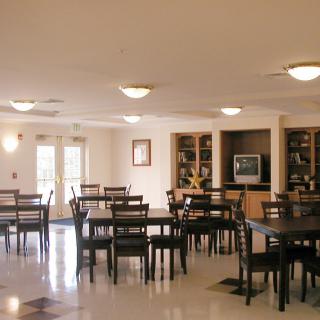
  • Indoor common areas Indoor common areasIndoor common areas are crucial for seniors as they provide a space for socialization, recreation, and community engagement, promoting overall well-being and reducing feelings of isolation and loneliness.
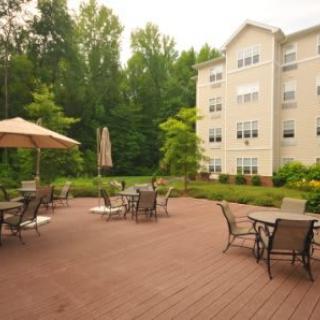
  • Outdoor common areas Outdoor common areasOutdoor common areas are important for seniors as they provide a space for socialization, physical activity, and relaxation. Being outside in nature can improve mood and overall well-being, while also encouraging movement and engagement with others. These spaces can help combat feelings of isolation and promote a sense of community among residents.
  • Wheelchair accessible showers Wheelchair accessible showersWheelchair accessible showers are crucial for seniors as they provide a safe and independent bathing option for those with mobility challenges. These showers help prevent falls and allow seniors to maintain their dignity and autonomy while ensuring they can bathe comfortably.

Transportation

  • Baltimore-Washington International (10 miles away) Baltimore-Washington International (10 miles away)

Dining

  • Meals provided Meals provided"Meals provided" are crucial for seniors in assisted living communities as it ensures they have access to nutritious, balanced meals without the stress of meal planning and preparation. This can help promote overall health and well-being for seniors who may have limited mobility or cognitive abilities.

Activities

  • Activities off-site Activities off-siteEngaging in off-site activities is crucial for seniors to maintain social connections, stay active, and stimulate their minds. It promotes overall well-being and helps combat feelings of isolation and loneliness.
  • Activities on-site Activities on-siteActivities on-site are important for seniors because they provide opportunities for socialization, mental stimulation, physical activity, and overall well-being. Engaging in activities can help seniors stay active, maintain their independence, and improve their quality of life.
  • Devotional activities on-site Devotional activities on-siteDevotional activities on-site provide seniors with a sense of community, spiritual fulfillment, and emotional support, promoting overall well-being and a positive sense of purpose in their lives.

Description

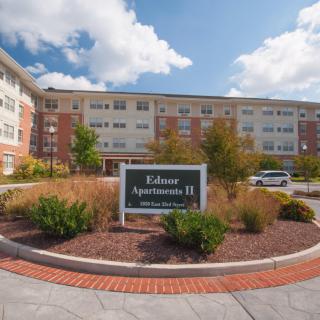
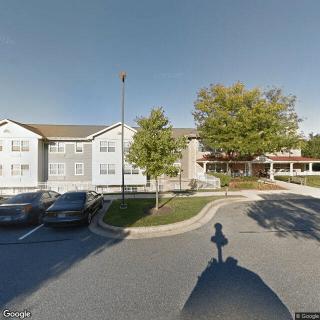
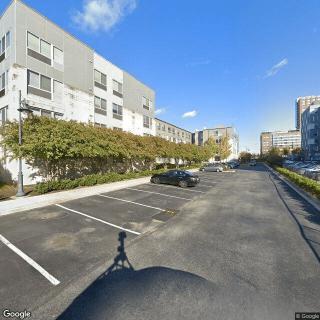
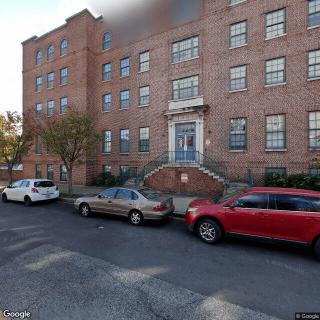
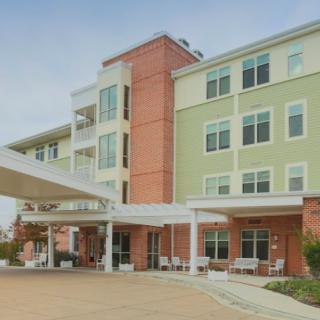
Park View at Ashland Terrace is an assisted living community located in Baltimore, MD. Our community offers a range of amenities and services designed to provide comfort, convenience, and an enhanced quality of life for our residents.

Our residents can enjoy a variety of activities right here on-site, ensuring there is always something engaging and enjoyable to do. We also have beautifully maintained indoor and outdoor common areas where residents can socialize, relax, or pursue personal interests.

For those who want to look and feel their best, we have a beautician on-site to offer various grooming and styling services. Devotional services are also available on-site for those who wish to practice their faith in a supportive environment.

When it comes to accommodations, our community features bath tubs for added relaxation and wheelchair accessible showers for ease of use. We prioritize the comfort and safety of our residents in every aspect of our community design.

In addition to our exceptional amenities, Park View at Ashland Terrace boasts a prime location with numerous conveniences nearby. Within close proximity, there are 10 cafes, 7 parks, 24 pharmacies, 9 physicians' offices, 29 restaurants, 1 transportation option, 1 place of worship, and 9 hospitals. This means that our residents have easy access to essential services as well as enjoyable recreational opportunities.

At Park View at Ashland Terrace, we strive to create a warm and welcoming environment where residents can thrive. Our dedicated staff is committed to providing personalized care and support while promoting independence and dignity. Come experience the exceptional lifestyle offered at our assisted living community in Baltimore today.

Nearby Places of Interest

This area of Baltimore, Maryland, is well-equipped with various hospitals and medical facilities such as Kennedy Krieger Institute, Johns Hopkins Hospital, and the University of Maryland Medical Center. There are also several pharmacies nearby for easy access to medications. In terms of dining options, there are a variety of restaurants ranging from casual eateries like McDonald's to more upscale establishments like Nando's PERi-PERi. Additionally, there are cafes like Dooby's and Starbucks for relaxed coffee breaks. For recreational activities, there are several parks in close proximity such as Patterson Park and Federal Hill Park. The area also offers convenient transportation options with Penn Station nearby. Overall, this neighborhood provides a mix of healthcare services, dining choices, green spaces, and transportation accessibility making it a potentially suitable location for senior living.

Hospitals

  • Kennedy Krieger Institute (0.2 miles)
  • Osler Bulding (0.3 miles)
  • Johns Hopkins Outpatient Pharmacy (0.3 miles)
  • The Charlotte R. Bloomberg Children's Center at Johns Hopkins Hospital (0.4 miles)
  • UMMC Midtown Campus (1.4 miles)
  • Baltimore VA Medical Center (1.8 miles)
  • University of Maryland Medical Center (1.9 miles)

Physicians

  • Jai Medical Center (0.4 miles)
  • East Baltimore Medical Center (0.5 miles)
  • University of Maryland Medical Center Midtown Professional Building (1.5 miles)
  • University Health Center (1.7 miles)
  • Wozniak Marcella University of Maryland Medical Center Neurology (1.7 miles)
  • Bmore Health (2.1 miles)
  • Scottish Rite Speech & Language Center (2.7 miles)

Pharmacies

  • CVS Pharmacy (0.6 miles)
  • Walgreens (0.8 miles)
  • CVS Pharmacy (1.2 miles)
  • CVS Pharmacy (1.3 miles)
  • CVS Pharmacy (1.3 miles)
  • Walgreens (1.3 miles)
  • Rite Aid (1.4 miles)

Restaurants

  • Ekiben (1.1 miles)
  • Miss Shirley's Cafe (1.2 miles)
  • Nando's PERi-PERi (1.2 miles)
  • Mayuree Thai Tavern (1.3 miles)
  • Phillips Seafood (1.3 miles)
  • McDonald's (1.4 miles)
  • Maximón (1.4 miles)

Cafes

  • Dooby's (1.2 miles)
  • Starbucks (1.3 miles)
  • Ceremony Coffee Roasters (1.4 miles)
  • Pitango Bakery + Cafe (1.4 miles)
  • Starbucks (1.7 miles)
  • Panera Bread (2.2 miles)
  • Starbucks (2.4 miles)

Transportation

  • Penn Station (1.2 miles)

Parks

  • Patterson Park (1.3 miles)
  • Patterson Park Annex (1.4 miles)
  • Harbor Point Central Plaza (1.5 miles)
  • Federal Hill Park (1.7 miles)
  • Rash Field (1.7 miles)
  • Canton Waterfront Park (2 miles)
  • Fort McHenry National Monument and Historic Shrine (2.8 miles)

Places of Worship

  • Calvary Baptist Church (4.3 miles)
  • Brown Memorial Woodbrook Presbyterian Church (5.6 miles)

Frequently Asked Questions

How much does it cost to live at Park View at Ashland Terrace in Baltimore, MD?
Where is Park View at Ashland Terrace?
Does Park View at Ashland Terrace allow residents to have pets?

Nearby Communities

Related Resources

  • memory games for seniors9 Stimulating Memory Activities for Seniors: Puzzles, Cards, and Much More

    The article highlights nine memory-boosting activities for seniors that enhance cognitive health and social interaction, including puzzles, trivia quizzes, and storytelling, while emphasizing the importance of adapting these activities to individual preferences to maximize enjoyment and engagement. Consistent mental engagement is linked to improved cognitive function and emotional well-being in older adults.

  • what happens when medicare stops paying for nursing home careManaging Nursing Home Expenses After Medicare Coverage Ends

    Medicare provides limited coverage for skilled nursing home care, covering full benefits for the first 20 days and partial benefits up to 100 days under certain conditions, after which families must explore alternative funding options like Medicaid or long-term care insurance to manage potentially high costs. Proactive planning is essential to navigate the complexities of financing ongoing care once Medicare coverage ends.

  • geriatric care managerIs a Geriatric Care Manager the Right Choice for Your Family?

    Geriatric care managers create personalized care plans for older adults, addressing their medical, social, financial, and psychological needs while coordinating services and advocating for their well-being. They help families navigate caregiving challenges but may be hindered by high costs and a shortage of qualified professionals.