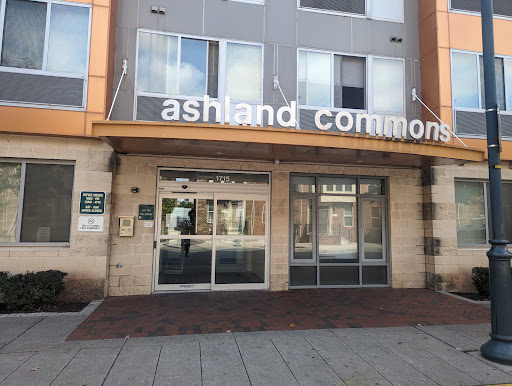
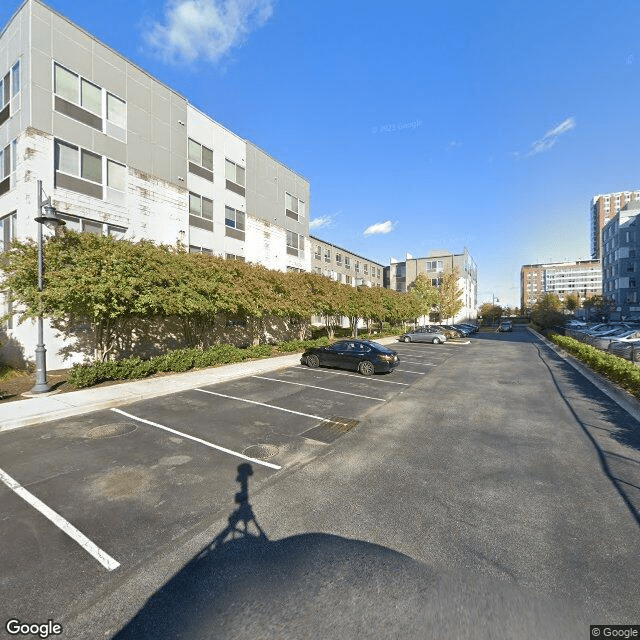
1715 East Eager Street, Baltimore, MD 21205
To contact a resident: (410) 276-2364
For more information about senior living options: (866) 208-4318
Ashland Commons Costs & Pricing
At Ashland Commons, the monthly rent for a one-bedroom apartment is $782, significantly more affordable compared to Baltimore City, where similar accommodations average around $3,113. In the broader context of Maryland, the costs rise even higher, with an average of $3,904 for a one-bedroom unit. For those considering two-bedroom apartments, Ashland Commons continues to offer competitive pricing at $932 per month, while prices in Baltimore City and across Maryland soar to approximately $2,993 and $3,497 respectively. This stark contrast highlights Ashland Commons as an attractive and budget-friendly option for prospective tenants seeking quality living without the hefty price tags commonly found in both urban and state-wide markets.
| Floor plans | Ashland Commons | Baltimore city | Maryland |
|---|---|---|---|
| 1 Bedroom | $782 | $3,113 | $3,904 |
| 2 Bedrooms | $932 | $2,993 | $3,497 |
Senior living communities with a similar price nearby
-
from -$24 / mo
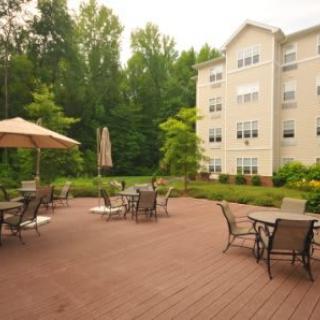
RiverPoint
$758 to $919 / month8.0 miles away -
from -$122 / mo
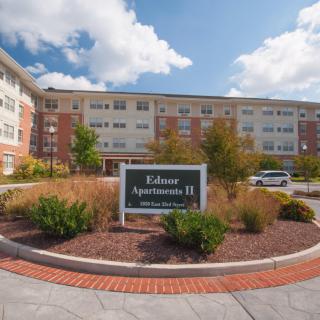
Ednor Apartments II
$660 to $737 / month1.9 miles away -
from +$93 / mo
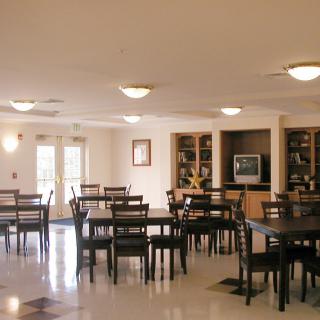
Cove Point Apartments 1
$875 / month5.5 miles away -
from -$47 / mo

Park View at Colonial Landing
$735 to $2,200 / month10.2 miles away -
About the same
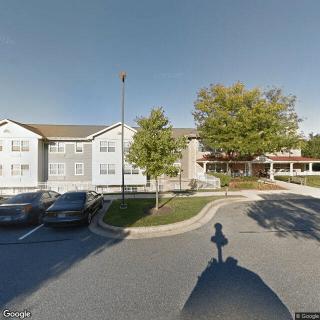
Park View at Taylor
$787 to $1,144 / month5.5 miles away
Overall Review of Ashland Commons
Pros
 They love it here.
- It looks like a nice place to dwell.
- They praise the staff for the good work they're doing.
- Leonora F. Lee was a great help, very patient, and worked with them through the whole process.
- The property is very nice, and the neighbourhood has been revitalised.
- They can't wait to move in.
Cons
 The security officer has an attitude problem and a very nasty, disrespectful disposition.
- No one answered when inquiries were made about a 1-bedroom unit not in senior housing.
- The 3–5 year waitlist is excessive and unreasonable.
Review
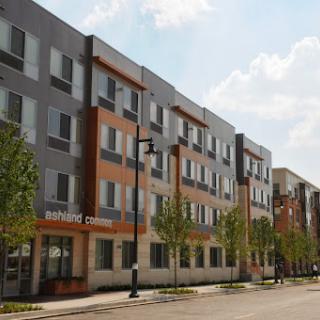
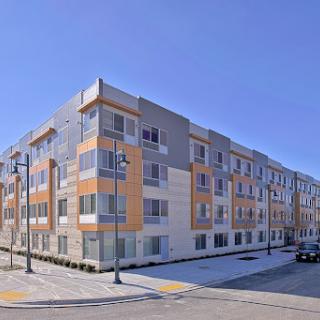
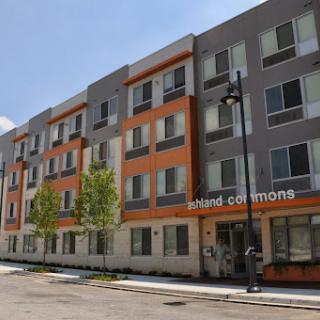
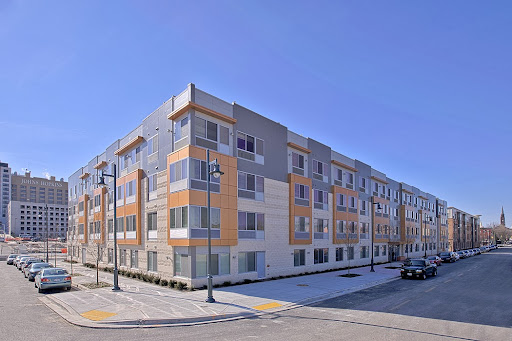
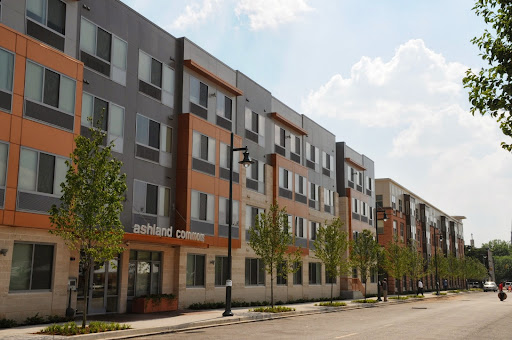
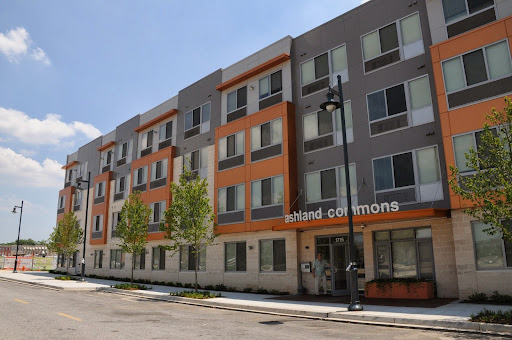
Ashland Commons is best suited for seniors who want a polished, modern campus in a revitalized Baltimore neighborhood and who can tolerate a protracted wait for a unit. The facility presents as well-maintained and attractive, with common spaces and grounds that feel current and cared for. For families navigating the move, a standout positive is the quality of the onsite reception and the way one staff member, Leonora F. Lee, handles the process: patient, practical, and able to turn an anxious search into a smoother path. If a move-in experience hinges on strong, personable guidance and a favorable first impression, Ashland Commons delivers.
That said, there is a clear caveat for those evaluating alternatives. The most decisive detraction is the long vacancy timeline, 3 to 5 years is referenced by multiple voices, a reality that makes this option impractical for anyone needing timely placement or planning on a shorter horizon. Responsiveness at the leasing front can also be inconsistent; repeated questions like “how can I contact someone from this property?” point to a misalignment between intent and follow-through. And the ancillary personnel story matters: at least one reviewer flags a security officer with a confrontational demeanor, a reminder that a welcoming reputation hinges on everyday interactions as much as on the aesthetics.
The strong points do merit attention and can, and do, offset some concerns for the right client. The property earns praise as “very nice,” with a neighborhood that has been revitalized around it, giving residents access to a more energetic, potentially safer environment and better local amenities. People who value curb appeal, clean interiors, and well-kept common areas will notice and appreciate the ongoing upkeep. The anecdote about Leonora’s service underscores that when the leasing team aligns, the move-in journey can be anchored by dependable, courteous communication that reduces stress during a transition.
Yet the cons cannot be dismissed lightly. A multi-year waitlist creates a rigid timetable that may upend retirement-planning, caregiving arrangements, and even the decision to downsize to assisted living. In practice, that kind of uncertainty compounds stress rather than alleviating it. The mixed impressions of staff responsiveness and the one highlighted issue with a security team member suggest that prospective residents should probe culture and consistency during visits and insist on a clear, reliable point of contact who remains steady over time.
For families weighing options, the practical path is clear: verify current vacancy and realistic move-in dates, and push for a tangible contact person who will stay with the family through the process. Schedule a tour not only to evaluate the living spaces but also to assess the staff’s responsiveness, the tone at the front desk, and the overall resident experience. Ask for the latest intake timeline, attend to whether 1-bedroom options exist and how often they turn over, and confirm that the unit type you want isn’t tied to a larger, unavailable campus plan. If immediate occupancy or consistently strong customer service is non-negotiable, keep alternatives in the queue and compare them against Ashland Commons’ aesthetic and neighborhood strengths.
The bottom line is practical and specific. Ashland Commons is a solid fit for seniors who prize a refined, contemporary setting and can live with a substantial wait and some variability in front-line responsiveness. It is less suitable for those who require fast placement, a consistently seamless intake experience, or a uniformly harmonious staff environment day in and day out. Families with flexibility, a willingness to wait for the right unit, and a priority on a welcoming, well-kept campus will find much to value. For others, exploring nearby options with shorter waitlists and steadier communication will likely yield a more predictable transition.
 Active Adult Communities (55+)
 Cats allowed
 Dogs allowed
 Activities on-site
 Bath tubs
 Indoor common areas
 Outdoor common areas
 Wheelchair accessible showers
 Baltimore-Washington International (10 miles away)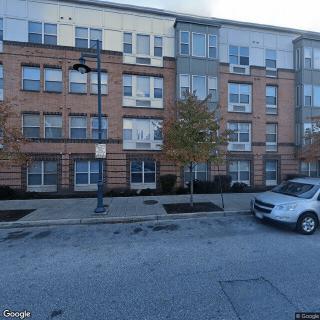

 Fecal Incontinence in Older Adults: A Comprehensive Guide
 Recognizing the Journey: Understanding and Navigating Anticipatory Grief
 Encouraging Participation in Adult Day Care: A Guide to Supporting a Hesitant Parent