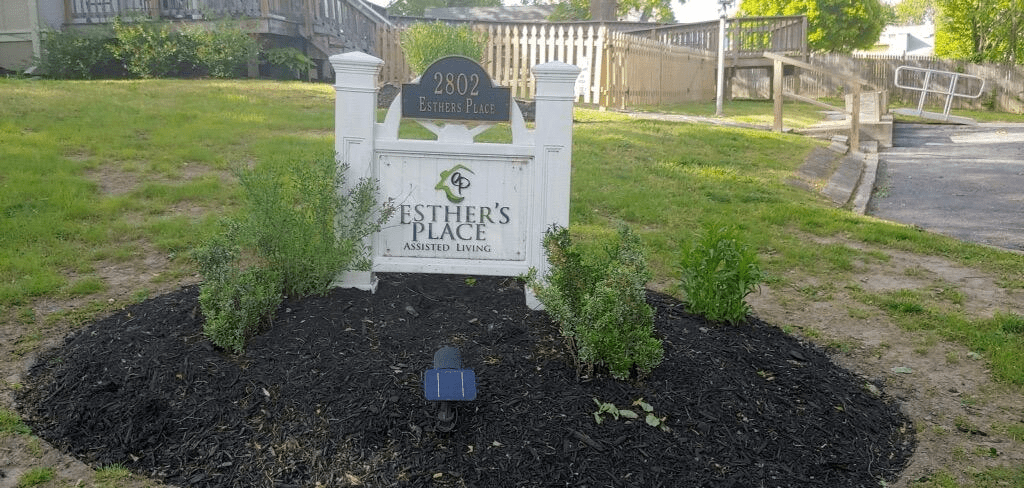
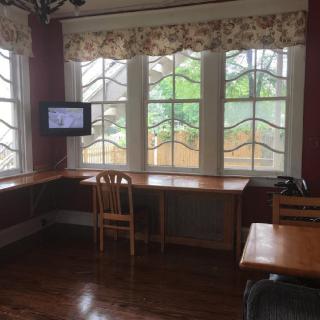
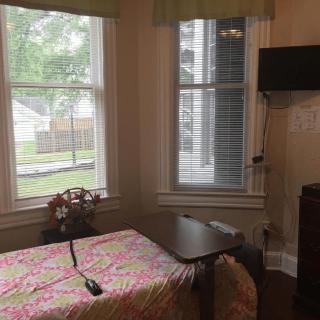
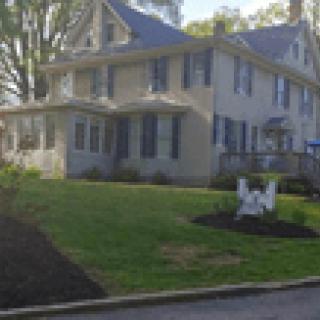

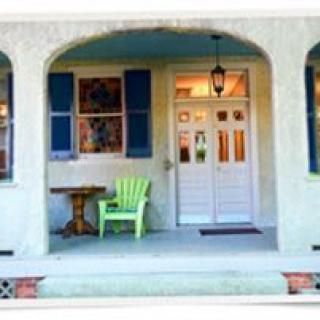
2802 Pinewood Ave, Baltimore, MD 21214
To contact a resident: (410) 254-4056
For more information about senior living options: (866) 208-4318
Integrity Esther's Place at Pinewood Costs & Pricing
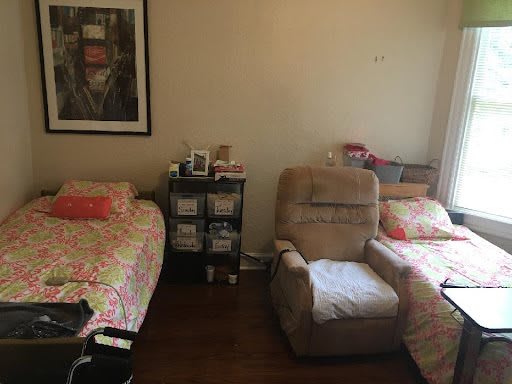
Integrity Esther's Place at Pinewood offers competitive pricing for its residents, with monthly costs that align closely with the surrounding Baltimore city and state averages. For semi-private accommodations, the cost is $3,150, which is slightly above the Baltimore city average of $3,116 but below the Maryland statewide average of $3,545. When considering private rooms, Integrity Esther's Place charges $3,450 per month - more affordable than the Baltimore city average of $3,729 and significantly lower than the Maryland average of $4,112. This pricing structure positions Integrity Esther's Place as a viable option for those seeking quality care in a supportive environment while remaining mindful of budgetary considerations.
| Floor plans | Integrity Esther's Place at Pinewood | Baltimore city | Maryland |
|---|---|---|---|
| Semi-Private | $3,150 | $3,116 | $3,545 |
| Private | $3,450 | $3,729 | $4,112 |
Senior living communities with a similar price nearby
-
About the same

Mumsey's Residential Care
$3,200 to $5,400 / month7.0 miles away -
from -$175 / mo
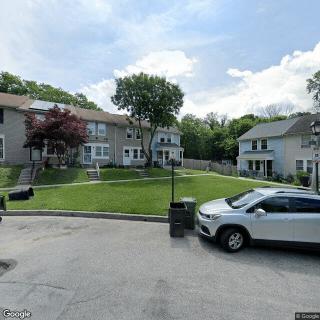
Gneale Home Care
$2,975 / month8.8 miles away -
from +$350 / mo
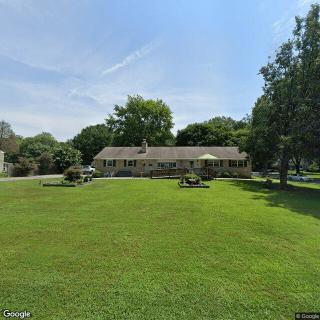
Greenway Manor
$3,500 to $3,800 / month15.8 miles away -
from -$450 / mo

Pat's Golden Girls
$2,700 to $3,200 / month11.7 miles away -
from +$350 / mo
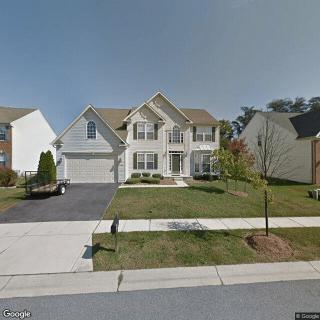
Hanover Assisted Living
$3,500 to $5,000 / month17.3 miles away
Overall Review of Integrity Esther's Place at Pinewood
Pros
 Esther's Place is described as a second home where residents are treated like family, providing families with peace of mind and regular updates.
- The staff and owners are friendly, helpful, and caring, offering attentive, personalized care.
- Families report that the care is excellent, with staff supporting residents in ways families cannot.
- Residents are described as happy and well cared for during extended stays.
- The facility is clean, with staff consistently maintaining high standards of cleanliness and dignity.
- The team provides prompt, professional, and insightful guidance during the care-planning process.
- The environment promotes social interaction, with spaces that encourage residents to connect with one another.
- Timely communication and updates about loved ones are appreciated when families cannot visit in person.
Cons
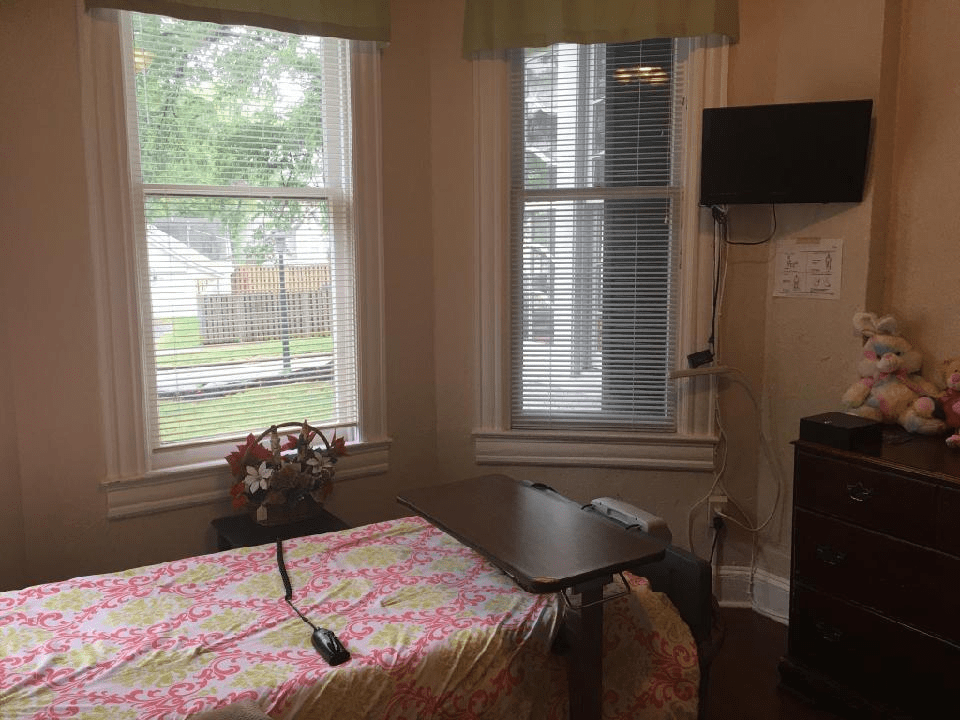
 They describe Esther's Place as lacking a welcoming and homey feel.
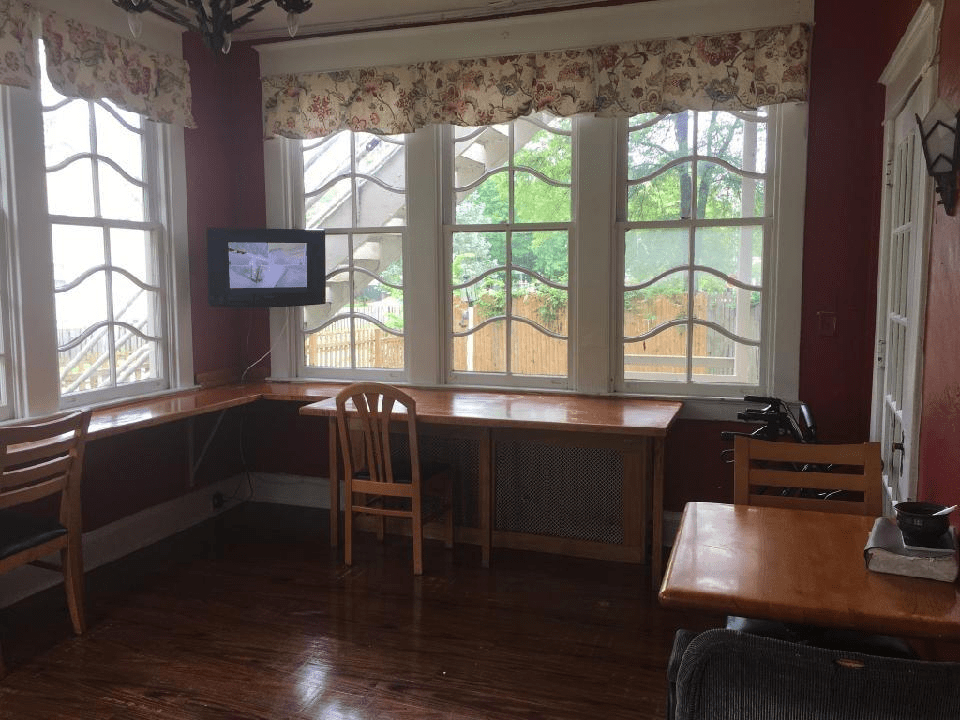
- They note the common room is lackluster and residents watch a 32" TV all day.
- They report there are no activities to keep the mind stimulated.
- They say there are no exercises taking place and very little interaction among residents.
- They state the owners wouldn't send their own loved ones there.
- They conclude there is literally nothing going on in the place.
Review
Integrity Esther’s Place at Pinewood in Baltimore is best suited for families seeking a warm, home-like atmosphere where residents are treated with real warmth and staff build lasting bonds. The community clearly resonates with seniors who want to feel “second home” comfort, not a clinical residence, and who value regular updates to family members when in-person visits aren’t possible. The prevailing sentiment from families is one of peace of mind: caregivers appear genuinely engaged, and staff treat residents as if they belong to an extended family. For a 90-plus-year-old who longs to be near familiar faces and long-standing ties, this setting offers familiarity, steady support, and reliable communication that many families prize above all else.
This is not the place for families chasing a bustling calendar of high-energy programming or hospital-grade clinical intensity. Those who want constant, structured activities, vigorous social calendars, or specialized dementia programming may want to consider alternatives. One star among a sea of praise underscores a real caveat: a portion of reviewers feel the ambiance and activity level do not match the warm, intimate tone that the best reviews convey. If a resident’s needs include robust daily stimulation, broad group activities, or more expansive exercise and engagement options, other communities may deliver more of that programming and variety.
On the upside, the pros at Esther’s Place tend to redefine what many families value most: personal attention and dependable responsiveness. Multiple families praise staff and owners for friendliness, patience, and genuine care that goes beyond routine tasks. The feedback highlights daily, attentive care, with staff actively monitoring residents, sharing mealtimes and social moments, and ensuring supervision even when a resident is confined to a room. The dayroom offers a social touchpoint and a manageable space for interaction, while the staff’s willingness to communicate, often through a named point person like Leslie Hardesty, creates a bridge between home and facility that many families rely on for reassurance.
Another clear strength is the practical stability the facility provides: cleanliness and a convenient location with parking ease, which matters for frequent visits. Stories of successful hospital collaboration, Johns Hopkins among them, signal a level of supported care coordination that reduces family anxiety about medical issues. The repeated anecdotes about staff feeding, checking in, and maintaining a calm, respectful environment build a narrative of dependable daily life for residents who don’t require continuous, aggressive medical intervention but do need consistent oversight and companionship.
The main con, though, centers on activity and mental stimulation. In a few reviews, the critique is blunt: the common room can feel underwhelming, with limited meaningful engagement and few organized exercises or interactive experiences to keep minds actively engaged. For families weighing trade-offs, this is a meaningful factor. When the day’s structure is light and residents spend extended periods in passive settings, the emotional comfort and safety offered by intimate staff care may still win out, but only for those not requiring intensive life enrichment or specialized programming.
In making a decision, families should balance the emotional and logistical strengths against the activity gaps. Esther’s Place excels for seniors who want a reassuring, household-like environment, tight-knit staff-resident relationships, and clear lines of communication with caregivers. It works best for residents who are pursuing steady daily care, occasional social interaction, and a sense of “being at home,” rather than for those counting on a full, richly scheduled social life or on comprehensive programming. For those prioritizing high-energy engagement, or needing robust clinical oversight, alternatives with more extensive activity calendars and stronger memory-care resources may be the smarter match.
Actionable next steps include arranging an in-person visit focused on programming and daily routine, asking to see a sample activity calendar, and requesting details about staffing ratios and response times. Prospective families should press for a candid explanation of how residents are engaged during the day, how often staff interact beyond essential care, and what happens on weekends. If possible, speak with several families who have recent experience, and obtain references who can speak to the consistency of care over time. And consider testing the fit with a short-term stay to see firsthand whether the home-like warmth translates into daily life that aligns with the resident’s preferences and the family’s expectations.
 Board and Care Home
 Air-conditioning
 Cable or satellite TV
 Fireplaces
 Ground floor units
 Handicap accessible
 Private
 Private patio, deck, or balcony
 Respite or short term stays offered
 Wheelchair accessible showers
 Wi-Fi/high-speed internet available
 Baltimore-Washington International (14 miles away)
 Diabetic care
 High acuity care
 Incontinence care
 Medication management
 Gluten-free
 Activities on-site
 Art classes
 BBQs or picnics
 Cards / pinochle club
 Devotional activities on-site
 Live musical performances
 Stretching classes
 Trivia games
 Visiting chaplain or priest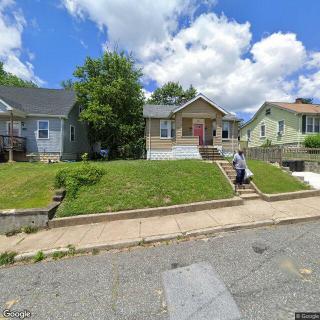


 Comprehensive Look at Senior Blood Pressure Charts: Normal and Elevated Levels by Age
 Top Canine Companions for Older Adults
 Comprehensive Guide to Blood Pressure Charts for Older Adults: Understanding Normal and High Readings by Age