



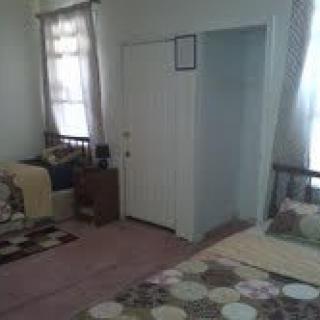




2518 Harford Road, Baltimore, MD 21218
To contact a resident: (443) 525-2834
For more information about senior living options: (866) 208-4318
Overall Review of House of Nobles Inc
Pros
 They were very helpful taking care of a family member until he passed away; they were nice, caring, and wonderful people.
- The staff and environment are very friendly and helpful.
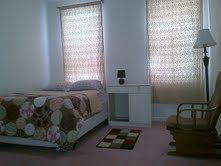
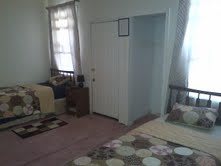
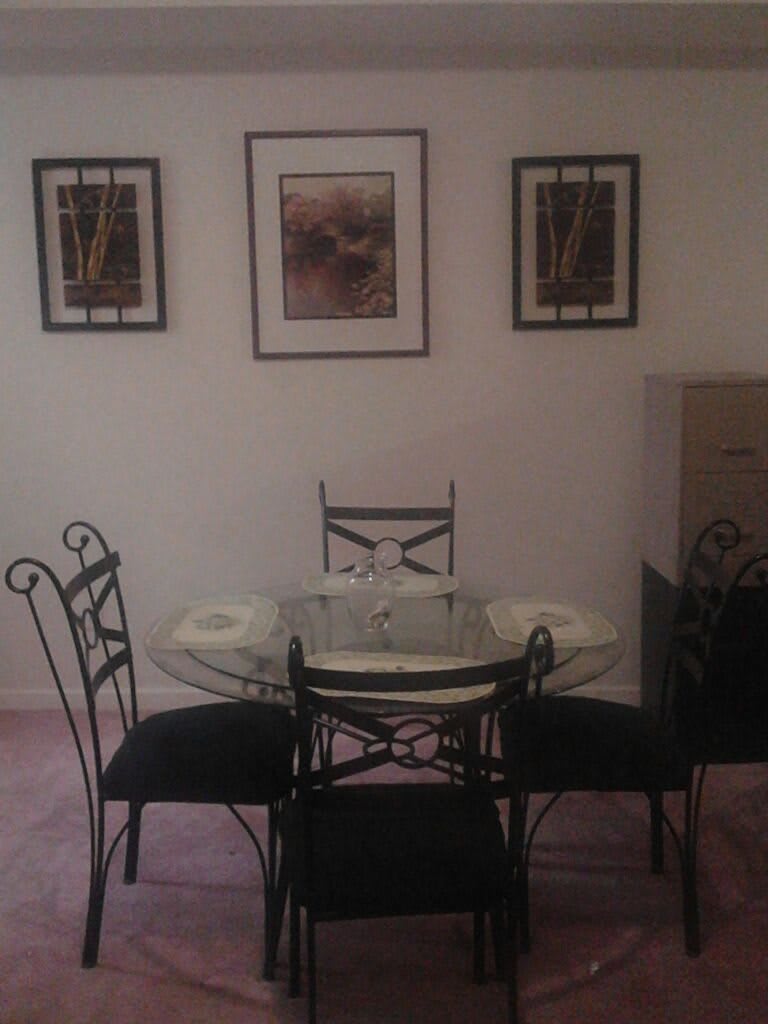
- The home is very cozy.
- They would recommend it any day.
Cons
 The reviewer’s depression and anxiety worsened during their stay.
- They spent weeks at home with no therapy or social interaction.
- They rode around in an old dirty van.
- There were roaches.
- The owner sprayed inside the house with the windows closed, which made them very ill.
- They felt uncomfortable about a child onsite because strangers around an impressionable child were inappropriate.
- The place was extremely dirty inside and out.
- They advised others not to go there.
Review
House of Nobles Inc in Baltimore is best suited for families that prize a small, homey environment with genuinely attentive, compassionate caregivers. The setting often appeals to seniors who value personal contact and a cozy, “mom-and-pop” feel over highly structured programming or formal clinical oversight. It can be a reasonable fit for end-of-life support or short-term respite where the priority is steady, humane presence rather than institutional polish.
Those who may want to consider alternatives include families who require stringent cleanliness and pest control, consistent social programming, regular therapy, or reliable transportation. Several reviews flag serious cleanliness and maintenance concerns, including complaints about roaches and overall dirt, plus an old, unreliable van for outings. The presence of an onsite child in one account also raises a red flag for families seeking a strictly adult environment or enhanced privacy and safety. For caregivers prioritizing robust medical oversight, therapy services, or predictable daily schedules, other options are likely to deliver more consistent peace of mind.
The strongest positives center on staff attitude and the homelike atmosphere. The caregivers are described as friendly, helpful, and genuinely caring, with multiple notes emphasizing how the team supported a loved one through difficult times. The home’s coziness is repeatedly cited as a selling point, contributing to a sense of comfort and familiarity that can ease daily routines and provide emotional reassurance. In cases where the focus is on compassionate companionship and personal attention, these pros can translate into meaningful daily comfort and trusted presence during challenging moments.
However, the main drawbacks carry substantial weight in a decision. Environmental hygiene and maintenance appear to be persistent issues, with reports of “extremely dirty” conditions and pest problems. One reviewer explicitly linked pesticide use in a closed environment to illness, signaling potential health risks tied to housekeeping practices. Additional concerns include inconsistent service quality, some experiences highlight excellent care, while others describe neglect of social interaction and therapy needs, leaving residents socially isolated. The combination of subpar cleanliness, safety concerns, and variable programming undermines confidence for families seeking a reliable, well-rounded senior living experience.
How the pros weigh against the cons matters greatly for decision-making. When the priority is a nurturing, low-traffic setting where caregivers build close relationships with residents, the warm staff and cozy atmosphere can offset a lot of uncertainty, at least temporarily. Yet the negative environmental conditions and inconsistent programming aren’t easily outweighed by kindness alone. For families considering long-term placement, the risk of chronic cleanliness issues and care gaps warrants a cautious approach. In short, the positives may justify engagement for families who place extreme value on personal connections, but they do not fully compensate for persistent operational and safety concerns.
The practical path forward is clear: conduct a thorough in-person visit emphasizing inspect-and-ask. Tour living spaces, kitchens, bathrooms, and common areas for cleanliness; ask for a recent pest-control record and housekeeping schedule; review transportation arrangements and any out-of-house activities; request an explicit outline of available therapies or structured social programs; and speak with current residents or families about their day-to-day experiences. If a family discovers strong hygiene standards, reliable routines, and a consistent level of social engagement, the setting can work. If not, it is wise to compare with alternatives that prioritize cleanliness, safety, and more comprehensive activity and medical support.
 Activities off-site
 Bath tubs
 Devotional services off-site
 Indoor common areas
 Outdoor common areas
 Respite or short term stays offered
 Baltimore-Washington International (11 miles away)
 Ambulatory care
 Diabetic care
 Incontinence care
 Medication management
 Meals provided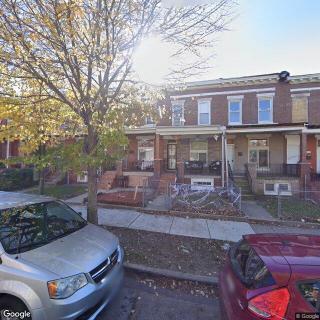



 In-Home Care Costs in 2025: A Detailed State-by-State Exploration
 Understanding Home Health Care: A Comprehensive Guide
 Home Health Care Demystified: A Comprehensive Guide for Families and Caregivers