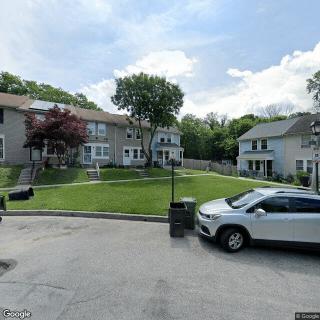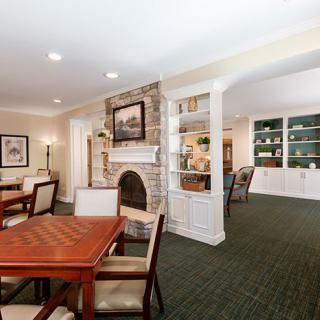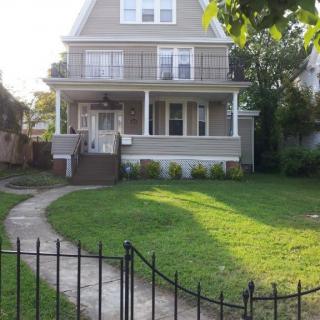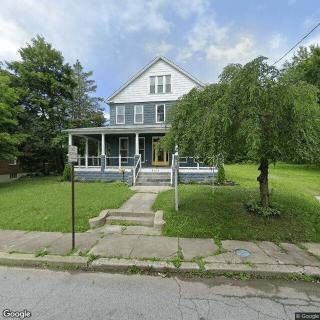

Esthers Place Montebello in Baltimore, MD

Save

Esthers Place Montebello in Baltimore, MD

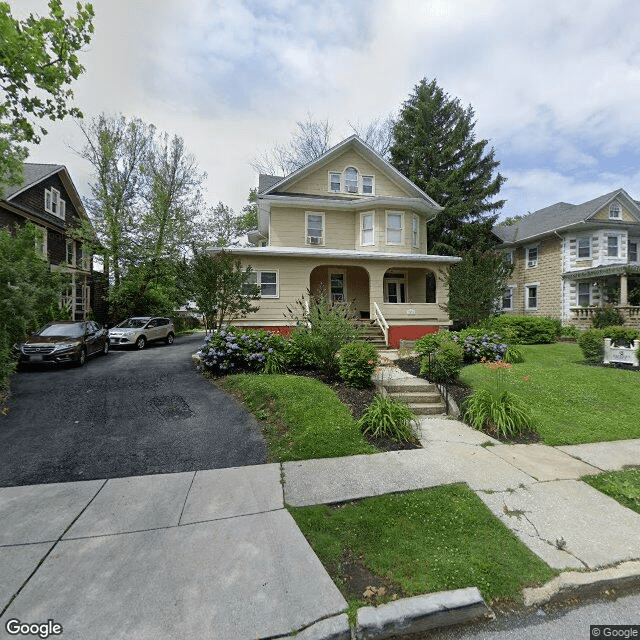
2831 Montebello Terrace, Baltimore, MD 21214

For more information about senior living options: (844) 490-3973

4.9 from 8 reviews
5 stars
7
4 stars
1
3 stars
0
2 stars
0
1 stars
0

Assisted Living Board and Care Home Respite Care

Esthers Place Montebello Costs & Pricing

Esther's Place in Montebello offers competitive pricing for its care services compared to both Baltimore City and the broader state of Maryland. For semi-private rooms, Esther's Place charges $3,150 per month, which is slightly higher than the average cost in Baltimore City at $3,116 but more affordable than the state average of $3,545. When it comes to private rooms, the monthly cost at Esther's Place is set at $3,350 - again below the higher rates found in Baltimore City ($3,729) and Maryland as a whole ($4,112). This pricing structure suggests that Esther's Place provides a valuable option for those seeking quality care in an inviting environment while maintaining affordability relative to other local facilities.

Floor plansEsthers Place MontebelloBaltimore cityMaryland
Semi-Private$3,150$3,116$3,545
Private$3,350$3,729$4,112

Overall Review of Esthers Place Montebello

Pros

  • pro Esther's Place is described as the best decision for their mom.
  • pro Leslie and the staff are incredible and feel like family.
  • pro The care is personalized and attentive to both physical and mental health needs.
  • pro The environment is home-like and small, with staff not being stretched thin.
  • pro Medications are administered on time, and the staff are flexible to residents' schedules.
  • pro The staff understand and accommodate individual needs, such as early-morning medication routines.
  • pro Leslie, a nurse with decades of experience, facilitates smooth transitions for loved ones.
  • pro The Montebello location is praised for its welcoming atmosphere and sense of happiness.
  • pro Esther's Place coordinates with nearby day-care and other services to support ongoing care.

Cons

  • pro The reviewer described the prior, larger assisted living facility as having missed medications, unkind staff, and mixed up paperwork.
  • pro They felt the rent increase at that facility was the last straw.

Review

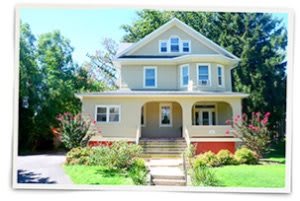
Esther's Place Montebello is best suited for families seeking a small, home-like setting where residents receive highly personalized attention and caregivers know them by name. It shines for seniors with complex medical or behavioral needs who benefit from a predictable routine, adaptable caregiving, and close family involvement. The Montebello house operates with a nurse-owner at the helm, delivering steady, hands-on oversight that translates into reliable medication management, calm day-to-day structure, and a sense of belonging that families instinctively recognize as "home." For families prioritizing intimate, individualized care over campus-size amenities, this community is a compelling match.

Those weighing alternatives should consider whether a larger community with a fuller activity calendar and formal memory-care programming is essential. If the resident demands robust, on-site programming, frequent organized outings, or round-the-clock nursing support in a more expansive setting, a bigger facility may be the better fit. Also, if transportation to a wide array of social or rehabilitative activities far from home is a critical factor, families may want to compare the mobility options offered by Esther's Place with those of larger campuses. In short, when the priority is scale and a broad social ecosystem, alternatives deserve serious consideration.

The strongest advantages are tangible and well aligned with real needs. A 10?12 resident footprint keeps care levels intimate and staff-to-resident ratios practical, so the day-to-day feels thorough rather than rushed. Long-tenured caregivers and a leadership team led by a nurse with decades of experience create continuity - residents aren't shuffled through a revolving door of aides, and medication routines stay consistent. The owner's clinical background translates into proactive health monitoring, flexible morning medication management, and a willingness to bend schedules to fit an individual's rhythm - everyday care that respects personal history and current needs. The setting also allows families to participate meaningfully: staff communicate updates, coordinate with external caregivers, and incorporate family items and pictures to personalize rooms, reinforcing a sense of identity and security for residents.

The real-world trade-offs are balanced by offsetting strengths, though not every family will value the same mix. A notable gap is the absence of formal, in-house activities; instead, the home leverages nearby adult-day programs and community resources to sustain social engagement. That approach works well for residents who benefit from a quieter, focused environment and for whom personalized routines and one-on-one interactions trump a built-in activity calendar. On the flip side, those seeking ongoing, structured group programming on site may feel the absence of a dedicated activity director. Yet the proactive staff leadership and the partnerships with nearby day-care providers effectively mitigate this limitation for most residents.

Another point to weigh is the intimate, "small house" atmosphere as a strategic advantage rather than a shortcoming. The close-knit team is invested in residents' comfort, safety, and dignity, which often shortens the distance between care and family members. Personal touches - decorating rooms with family photos, arranging for early-morning med administration when needed, and maintaining open lines of communication - translate into measurable peace of mind for families navigating complex caregiving dynamics. End-of-life care is delivered with the same respect and continuity, further aligning expectations with a residence that treats care as a long-term, familial commitment rather than a transactional service.

For families facing the decision, Esther's Place Montebello represents a practical, principled choice when the objective is a trusted, home-centered arrangement with excellent staff continuity and responsive leadership. It excels for residents who benefit from individualized attention, consistent routines, and the flexibility to adapt to evolving health needs while remaining close to family support systems. Those whose priorities include abundant on-site programming, a larger social milieu, or aggressive, campus-scale services should scrutinize options carefully and compare them against other communities. In the right match, Esther's Place Montebello delivers a level of care that feels earned, personal, and consistently reliable.

Features

Housing

  • 12 resident community capacity 12 resident community capacity

Types of Care

  • Assisted Living Assisted LivingAssisted living facilities provide crucial support and care for seniors who may need help with daily tasks such as medication management, bathing, and meal preparation. These communities offer a safe and comfortable environment where seniors can maintain their independence while receiving the assistance they need to thrive in their golden years.
  • Board and Care Home Board and Care HomeBoard and care homes provide a smaller, more intimate setting for seniors who require assistance with daily tasks but do not need the level of care offered by a nursing home. They offer personalized care, meals, and social activities in a homelike environment, ensuring that seniors receive individualized attention and support in their golden years.
  • Respite Care Respite CareRespite care provides temporary relief for caregivers, allowing them to recharge and attend to their own needs. It also gives seniors the opportunity to socialize, receive professional care, and experience a change of scenery, promoting overall well-being and reducing feelings of isolation.

Amenities

  • Activities on-site Activities on-siteActivities on-site are important for seniors because they provide opportunities for socialization, mental stimulation, physical activity, and overall well-being. Engaging in activities can help seniors stay active, maintain their independence, and improve their quality of life.
  • Air-conditioning Air-conditioningAir conditioning is important for seniors as they are more vulnerable to heat-related illnesses and may have underlying health conditions that make it difficult for them to regulate their body temperature. It helps to keep them comfortable, safe, and healthy in hot weather.
  • Cable or satellite TV Cable or satellite TVCable or satellite TV is important for seniors because it provides entertainment, news, and companionship, helping to combat loneliness and boredom. It also offers a wide range of programming options tailored to different interests and preferences.
  • Devotional services on-site Devotional services on-siteDevotional services on-site provide seniors with spiritual support and a sense of community, as well as an opportunity for reflection and guidance during their senior living experience. This can promote emotional well-being and connection to others, leading to a more fulfilling and enriching lifestyle in their later years.
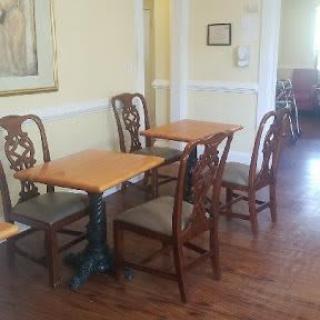
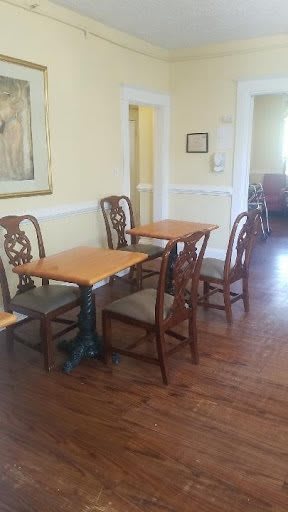
  • Dining room Dining roomDining rooms are important for seniors as they provide a space for socialization, connection, and nutritious meals. They offer opportunities for residents to bond over shared meals, foster a sense of community, and promote healthy eating habits. Dining rooms also ensure that seniors have access to well-balanced meals tailored to their dietary needs and preferences.
  • Fully furnished Fully furnishedFully furnished senior living communities are important for seniors because they provide convenience, comfort, and a hassle-free moving experience. Seniors can easily settle into their new living space without the stress of having to buy and move furniture. This allows them to focus on enjoying their new home and community.
  • Garden GardenGardens are important for seniors as they provide a peaceful and therapeutic environment for relaxation, physical activity, and socialization. Being in nature has been shown to reduce stress, improve mood, and promote overall well-being. Gardens also offer opportunities for seniors to engage in gardening activities, which can improve mobility, flexibility, and cognitive function. Additionally, gardens create a sense of community and connection with others who share a passion for plants and outdoor spaces.
  • Handicap accessible Handicap accessible"Handicap accessible" amenities are crucial for seniors to ensure they can easily navigate and access facilities, services, and activities without barriers or limitations due to physical impairments. This promotes independence, safety, and inclusivity for seniors in senior living communities.
  • Housekeeping services Housekeeping servicesHousekeeping services are important for seniors because they help maintain a clean and safe living environment, promote independence, and reduce the risk of accidents or illnesses. Additionally, having assistance with household chores can alleviate physical strain and allow seniors to focus on other aspects of their well-being.
  • Indoor common areas Indoor common areasIndoor common areas are crucial for seniors as they provide a space for socialization, recreation, and community engagement, promoting overall well-being and reducing feelings of isolation and loneliness.
  • Move-in coordination Move-in coordinationMove-in coordination is important for seniors because it helps ease the transition into their new living environment. It ensures that all logistics, such as packing, organizing movers, and setting up utilities are taken care of, allowing seniors to focus on settling in and adjusting to their new home. Having a smooth move-in process can alleviate stress and anxiety, making the transition smoother and more enjoyable for seniors.
  • Outdoor common areas Outdoor common areasOutdoor common areas are important for seniors as they provide a space for socialization, physical activity, and relaxation. Being outside in nature can improve mood and overall well-being, while also encouraging movement and engagement with others. These spaces can help combat feelings of isolation and promote a sense of community among residents.
  • Outdoor space Outdoor spaceOutdoor spaces are important for seniors as they provide opportunities for physical activity, social interaction, exposure to natural light and fresh air, and a sense of connection to nature. Having access to outdoor spaces can improve overall well-being and quality of life for older adults living in senior communities.
  • Private PrivatePrivacy is important for seniors as it allows them to maintain their independence, dignity, and sense of control over their own lives. It also gives them the space and freedom to relax, reflect, and engage in activities that bring them joy and fulfillment. Creating private spaces within senior living facilities is crucial for promoting overall well-being and quality of life.
  • Private patio, deck, or balcony Private patio, deck, or balconyHaving a private patio, deck, or balcony is crucial for seniors living in a retirement community as it provides them with access to fresh air, natural light, and the outdoors without having to leave their home. This outdoor space can promote physical activity, mental well-being, and socialization opportunities for seniors, contributing to an overall improved quality of life.
  • Respite or short term stays offered Respite or short term stays offeredRespite or short term stays provide seniors with a temporary solution when their regular caregiver is unavailable, offering them the opportunity to receive additional care and support during times of need, while also giving caregivers a chance to rest and recharge.
  • Telephone TelephoneTelephones are important for seniors as they provide a lifeline for communication with loved ones, emergency services, and healthcare providers. They offer a sense of security and independence, enabling seniors to stay connected and access assistance when needed.
  • Wheelchair accessible showers Wheelchair accessible showersWheelchair accessible showers are crucial for seniors as they provide a safe and independent bathing option for those with mobility challenges. These showers help prevent falls and allow seniors to maintain their dignity and autonomy while ensuring they can bathe comfortably.
  • Wi-Fi/high-speed internet available Wi-Fi/high-speed internet availableWi-Fi/high-speed internet is important for seniors to stay connected with loved ones, access online resources, and participate in virtual activities to combat feelings of loneliness and isolation. It also allows them to easily manage healthcare needs, access entertainment, and engage in lifelong learning opportunities.

Transportation

  • Baltimore-Washington International (13 miles away) Baltimore-Washington International (13 miles away)

Care Services

  • 24-hour supervision 24-hour supervision24-hour supervision is important for seniors to ensure their safety, well-being, and access to immediate assistance in case of emergencies or health issues. This constant support provides peace of mind for both seniors and their loved ones, allowing them to age in place with dignity and security.
  • Activities of daily living assistance Activities of daily living assistanceActivities of daily living assistance are important for seniors because they provide essential support with tasks such as eating, bathing, dressing, and mobility. This assistance helps seniors maintain their independence, dignity, and overall quality of life as they age.
  • Assistance with bathing Assistance with bathingAssistance with bathing is crucial for seniors as it helps maintain personal hygiene, prevents infections, and ensures their overall well-being and comfort. It also provides a sense of dignity and independence for seniors who may struggle with this task on their own.
  • Assistance with dressing Assistance with dressingAssistance with dressing is important for seniors because it helps maintain their independence, promotes personal hygiene, prevents accidents and injuries, and improves overall quality of life. This service ensures that seniors can continue to dress comfortably and confidently, despite any physical limitations they may have.
  • Assistance with transfers Assistance with transfersAssistance with transfers is crucial for seniors as it helps prevent falls and injuries, maintains their independence, and ensures they can safely navigate their living environment. It also provides peace of mind for both seniors and their loved ones.
  • Coordination with health care providers Coordination with health care providersCoordination with health care providers is crucial for seniors to ensure proper medical care, medication management, and overall well-being. This collaboration helps prevent overlapping treatments, track progress more effectively, and provide comprehensive support tailored to individual needs.
  • Diabetes diet Diabetes dietA diabetes diet is crucial for seniors as it helps manage blood sugar levels, reduce risks of complications, and improve overall health and well-being. By following a balanced and nutritious diet tailored to their specific needs, seniors can better control their diabetes and enhance their quality of life.
  • Diabetic care Diabetic careDiabetic care is crucial for seniors as they are more susceptible to developing diabetes due to aging and other health conditions. Proper management of diabetes can help prevent complications such as heart disease, vision loss, and nerve damage, improving the overall quality of life for seniors in senior living communities.
  • High acuity care High acuity careHigh acuity care is important for seniors because it provides specialized medical attention and support for individuals with complex medical needs. This level of care ensures that seniors receive the appropriate treatment and assistance to maintain their health and quality of life as they age.
  • Incontinence care Incontinence careIncontinence care is essential for seniors to maintain their dignity, hygiene, and overall quality of life. By addressing incontinence issues promptly and effectively, seniors can enjoy a sense of independence and comfort in their daily activities.
  • Meal preparation and service Meal preparation and serviceMeal preparation and service are crucial for seniors as they may have limited mobility or energy to cook nutritious meals. Having access to healthy and convenient food options can ensure they are getting the proper nutrition needed to maintain their overall health and well-being.
  • Medication management Medication managementMedication management is crucial for seniors to ensure they are taking the right medications at the correct dosages and times. This helps prevent adverse drug interactions, reduces the risk of medication errors, and promotes overall health and well-being. Proactive management also allows for adjustments as needed based on changing health conditions or new prescriptions.
  • Special dietary restrictions Special dietary restrictionsSpecial dietary restrictions are important for seniors because age-related changes in metabolism and health conditions can make it difficult for their bodies to process certain foods. By following a diet tailored to their specific needs, seniors can maintain their overall health and well-being, manage chronic conditions, and reduce the risk of complications such as malnutrition or food interactions with medications.
  • Transportation arrangement (medical) Transportation arrangement (medical)Transportation arrangements for medical purposes are essential for seniors as they may have difficulty driving themselves to appointments or accessing public transportation. Having reliable and safe transportation options ensures that seniors can receive timely medical care and maintain their health and well-being.
  • Transportation to doctors appointments Transportation to doctors appointmentsTransportation to doctors' appointments is crucial for seniors as it ensures they have access to necessary medical care and support for their health needs. Without reliable transportation, seniors may struggle to attend important appointments, leading to potential delays in treatment and health complications. Providing transportation services helps seniors maintain their overall well-being and quality of life.

Dining

  • Diabetes diet Diabetes dietA diabetes diet is crucial for seniors as it helps manage blood sugar levels, reduce risks of complications, and improve overall health and well-being. By following a balanced and nutritious diet tailored to their specific needs, seniors can better control their diabetes and enhance their quality of life.
  • Gluten-free Gluten-freeGluten-free options are important for seniors as they are more prone to digestive issues and dietary sensitivities. Offering gluten-free meal choices in senior living communities can help improve their overall health and well-being.
  • Guest meals Guest mealsGuest meals are important for seniors living in senior living communities because they provide an opportunity for socialization and companionship. Sharing a meal with friends, family, or new acquaintances can help combat feelings of loneliness and isolation, promote a sense of community, and enhance overall well-being. Additionally, guest meals allow seniors to enjoy delicious food in a comfortable setting without the hassle of cooking or cleaning up, making dining a pleasurable and stress-free experience.
  • Low / no sodium Low / no sodiumLow/no sodium options are important for seniors because excessive sodium intake can lead to high blood pressure, heart disease, and other health issues commonly experienced by older adults. By choosing low/no sodium foods, seniors can better manage their health and reduce their risk of developing these conditions.
  • Meals provided Meals provided"Meals provided" are crucial for seniors in assisted living communities as it ensures they have access to nutritious, balanced meals without the stress of meal planning and preparation. This can help promote overall health and well-being for seniors who may have limited mobility or cognitive abilities.
  • No Sugar No SugarNo sugar diets are important for seniors because they can help prevent or manage chronic conditions such as diabetes, heart disease, and obesity. Sugar can also contribute to cognitive decline and inflammation in the body, so reducing sugar intake can lead to overall improved health and well-being in older adults.
  • Special dietary restrictions Special dietary restrictionsSpecial dietary restrictions are important for seniors because age-related changes in metabolism and health conditions can make it difficult for their bodies to process certain foods. By following a diet tailored to their specific needs, seniors can maintain their overall health and well-being, manage chronic conditions, and reduce the risk of complications such as malnutrition or food interactions with medications.
  • Special dining programs Special dining programsSpecial dining programs are important for seniors because they provide nutritious meals tailored to their dietary needs and preferences. These programs also offer socialization opportunities, promote overall health and well-being, and can help prevent malnutrition.
  • Vegetarian VegetarianA vegetarian diet is important for seniors because it can help lower the risk of chronic diseases, maintain a healthy weight, and provide essential nutrients needed for aging bodies. Additionally, plant-based diets are often easier on digestive systems and can contribute to overall well-being in older adults.

Activities

  • Activities on-site Activities on-siteActivities on-site are important for seniors because they provide opportunities for socialization, mental stimulation, physical activity, and overall well-being. Engaging in activities can help seniors stay active, maintain their independence, and improve their quality of life.
  • Art classes Art classesArt classes are important for seniors because they provide a creative outlet, improve cognitive function, reduce stress and anxiety, promote socialization, and enhance overall well-being and quality of life.
  • BBQs or picnics BBQs or picnicsBBQs or picnics provide seniors with social interaction, enjoyment of the outdoors, and a sense of community, contributing to their overall well-being and quality of life.
  • Birthday parties Birthday partiesBirthday parties are important for seniors as they provide an opportunity for celebration, socialization, and joy. They allow seniors to feel special and appreciated, boosting their mood and overall well-being. Additionally, birthday parties can help combat feelings of isolation and loneliness by fostering connections with friends, family, and community members.
  • Community-sponsored activities Community-sponsored activitiesCommunity-sponsored activities are important for seniors as they provide opportunities for social interaction, mental stimulation, and physical activity. These activities can help improve overall well-being, combat loneliness and isolation, and promote a sense of belonging and purpose among older adults.
  • Devotional activities on-site Devotional activities on-siteDevotional activities on-site provide seniors with a sense of community, spiritual fulfillment, and emotional support, promoting overall well-being and a positive sense of purpose in their lives.
  • Holiday parties Holiday partiesHoliday parties are important for seniors because they provide opportunities for socialization, community involvement, and mental stimulation. These festive events offer a sense of belonging and connection during a time that can be lonely for many older adults. Additionally, participating in holiday celebrations can boost mood and overall well-being for seniors living in senior living communities.
  • Karaoke KaraokeKaraoke provides seniors with a fun and social activity that can boost mood, confidence, and cognitive function. It encourages social interaction, physical movement, and creative expression, making it an important form of entertainment for senior living communities.
  • Live musical performances Live musical performancesLive musical performances can provide seniors with a sense of joy, nostalgia, and connection. Music has the power to evoke emotions and memories, improve mood and cognitive function, and foster social interaction among seniors. It can also serve as a form of therapy and stress relief for older adults, making it an important activity to include in senior living communities.
  • Pet-focused programs Pet-focused programsPet-focused programs are important for seniors as they provide companionship, reduce feelings of loneliness and depression, encourage physical activity and social interaction, and have been shown to improve overall well-being and quality of life in older adults.
  • Reminiscence programs Reminiscence programsReminiscence programs are vital for seniors as they provide opportunities for them to reflect on their life experiences, share memories with others, and maintain cognitive function. These programs can improve mood, stimulate social interaction, and enhance overall well-being for older adults.
  • Scheduled daily activities Scheduled daily activitiesScheduled daily activities are important for seniors because they provide structure, socialization, mental stimulation, and physical activity. Engaging in regular activities can improve overall well-being and quality of life for seniors living in a community setting.
  • Stretching classes Stretching classesStretching classes are important for seniors because they help improve flexibility, reduce the risk of injury, and promote overall health and well-being. Regular stretching can also help alleviate joint pain and stiffness, enhance balance and coordination, and increase range of motion.
  • Trivia games Trivia gamesTrivia games are important for seniors because they provide mental stimulation, social interaction, and a fun way to keep the mind sharp. They can help improve memory, cognitive function, and overall well-being in older adults.
  • Yoga / chair yoga Yoga / chair yogaYoga and chair yoga are important for seniors as they promote flexibility, balance, strength, and overall wellbeing. These practices can help improve mobility, reduce stress, and enhance mental clarity, ultimately leading to a higher quality of life in their senior years.

Description

Esthers Place Montebello in Baltimore, MD is a board and care home that provides exceptional senior care services in a warm and comfortable environment. Our dedicated staff is committed to ensuring the well-being and happiness of our residents.

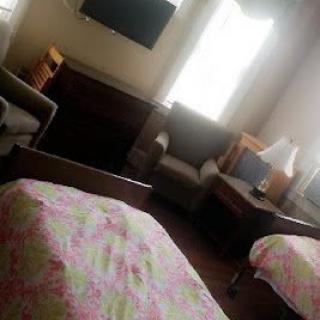
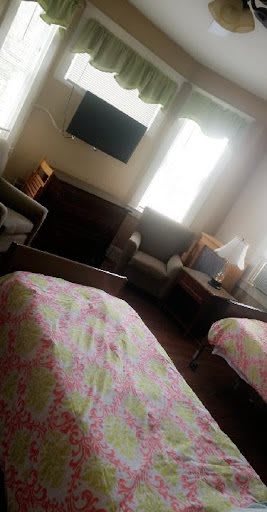
Our community offers various amenities to enhance the quality of life for our residents. Each room is fully furnished and includes air-conditioning, cable or satellite TV, and Wi-Fi/high-speed internet. Residents can enjoy the beautiful garden and outdoor common areas, as well as have their own private patio, deck, or balcony. Our facility is also handicap accessible with wheelchair accessible showers.

At Esthers Place Montebello, we provide comprehensive care services to meet the individual needs of our residents. Our caregivers assist with activities of daily living such as bathing, dressing, and transfers. We also coordinate with health care providers to ensure proper medical care for our residents. For those requiring diabetic care or special dietary restrictions, our staff will create personalized meal plans that accommodate their needs. Medication management and transportation arrangements for medical appointments are also provided.

We believe in promoting an active lifestyle and offer a wide range of engaging activities for our residents. From art classes to live musical performances, there is something for everyone to enjoy. We also organize community-sponsored events such as BBQs and holiday parties to foster social connections among residents. Additionally, we offer pet-focused programs and reminiscence programs to cater to the unique interests of our residents.

Convenience is an important aspect of living at Esthers Place Montebello. With numerous cafes, parks, pharmacies, restaurants, physicians' offices nearby, our residents have easy access to essential services. Transportation options are available for both medical appointments and leisure activities.

Overall, Esthers Place Montebello provides a caring and supportive environment where seniors can thrive and enjoy their golden years surrounded by a dedicated team that ensures their safety, comfort, and well-being consistently.

Nearby Places of Interest

This part of Baltimore, Maryland, offers a diverse range of amenities for older individuals considering senior living. The area is home to several reputable hospitals and pharmacies, providing easy access to healthcare services. Additionally, there are numerous dining options available, ranging from casual eateries like Koco's Pub to more upscale establishments such as Colin's Seafood and Grill. For those who enjoy outdoor activities, there are several parks in the vicinity, including Patterson Park and Canton Waterfront Park. Transportation is convenient with Penn Station located nearby. Places of worship like the Brown Memorial Woodbrook Presbyterian Church offer spiritual support for residents. Overall, this neighborhood provides a vibrant community with plenty of opportunities for social engagement and leisure activities.

Restaurants

  • Koco's Pub (0.2 miles)
  • Colin's Seafood and Grill (1.9 miles)
  • McDonald's (2.3 miles)
  • Zen West Roadside Cantina (2.5 miles)
  • Blakes Crab House (2.6 miles)
  • Burger King (2.9 miles)
  • McDonald's (3 miles)

Pharmacies

  • CVS Pharmacy (1 miles)
  • CVS Pharmacy (1.3 miles)
  • Walgreens (1.3 miles)
  • Northern Pharmacy and Med Equipment (2 miles)
  • CVS Pharmacy (2.1 miles)
  • Walgreens (2.4 miles)
  • CVS Pharmacy (2.8 miles)

Hospitals

  • MedStar Good Samaritan Hospital (1.4 miles)
  • MedStar Union Memorial Hospital (2.3 miles)
  • Kennedy Krieger Institute (3.1 miles)
  • Osler Bulding (3.2 miles)
  • Johns Hopkins Outpatient Pharmacy (3.2 miles)
  • The Charlotte R. Bloomberg Children's Center at Johns Hopkins Hospital (3.3 miles)
  • UMMC Midtown Campus (3.8 miles)

Physicians

  • Scottish Rite Speech & Language Center (2.4 miles)
  • East Baltimore Medical Center (3.1 miles)
  • Jai Medical Center (3.3 miles)
  • Overlea Personal Physicians (3.4 miles)
  • O'Dea Building- St Josephs Hospital (3.7 miles)
  • Pediatric Partners (3.7 miles)
  • 301 Building at Johns Hopkins Bayview Medical Center (3.8 miles)

Cafes

  • Starbucks (2.4 miles)
  • Miss Shirley's Cafe, Roland Park (3 miles)
  • Dooby's (3.7 miles)
  • Ceremony Coffee Roasters (3.9 miles)
  • Starbucks (4 miles)
  • Pitango Bakery + Cafe (4.2 miles)
  • Starbucks (4.2 miles)

Transportation

  • Penn Station (3.2 miles)

Parks

  • Rodgers Forge Tot Lot (3.3 miles)
  • Patterson Park (3.6 miles)
  • Patterson Park Annex (3.7 miles)
  • Harbor Point Central Plaza (4.4 miles)
  • Canton Waterfront Park (4.4 miles)

Places of Worship

  • Brown Memorial Woodbrook Presbyterian Church (3.8 miles)

Theaters

  • Cinemark Towson And Xd (4.3 miles)

Frequently Asked Questions

How much does it cost to live at Esthers Place Montebello in Baltimore, MD?
Where is Esthers Place Montebello?
What photos are available for Esthers Place Montebello in Baltimore, Maryland?

Nearby Communities

  • Caring Hearts at Harford

    Caring Hearts at Harford

    Baltimore, MD

    5 from 2 reviews
    $1,700 to $4,500 / month

    pro Compassionate, owner-led care with strong resident bonds and well-received dining.

  • Washington's Nest

    Washington's Nest

    Baltimore, MD


    pro Intimate setting with comprehensive, diabetes-friendly care.

  • Elsrode Manor

    Elsrode Manor

    Baltimore, MD

     
    $5,000 / month

    pro Well-rounded location with abundant nearby dining, parks, healthcare, theaters, and places of worship.

  • Top Quality Homecare & Services

    Top Quality Homecare & Services

    Baltimore, MD

     
    $6,030 / month

    pro Premium, high-quality care with extensive nearby amenities.

  • Future Care Cold Spring

    Future Care Cold Spring

    Baltimore, MD


    pro Comprehensive amenities and 24/7 supervision.

  • Romaine's Paradise

    Romaine's Paradise

    Baltimore, MD


    pro Comprehensive assisted living with 24-hour supervision, ADL support, meal/medication management, transportation, and tailored dining, plus garden and fully furnished spaces.

  • John Manley House

    John Manley House

    Baltimore, MD

    2.3 from 3 reviews
    $572 / month

    pro Controlled office access with some staff availability; general information available online.

  • The Nursing And Rehab Center At Stadium Place

    The Nursing And Rehab Center At Stadium Place

    Baltimore, MD


    pro Comprehensive 24/7 care with diabetes-friendly dining and restaurant-style meals in a furnished setting.

  • Ednor Apartments II

    Ednor Apartments II

    Baltimore, MD

    4.5 from 10 reviews
    $660 to $737 / month

    pro Spacious apartments with helpful staff and on-site amenities.

Related Resources

  • assisted living vs memory careAssisted Living and Memory Care: Understanding Their Core Differences

    Assisted living provides moderate support for seniors seeking independence, while memory care offers specialized support for individuals with dementia or cognitive impairments through structured routines and trained staff. Key differences include care approaches, environment security measures, staff training levels, activity types, and cost considerations.

  • assisted living activitiesBeyond the Bingo Hall: 50+ Enriching Activities for Seniors in Assisted Living

    Assisted living communities offer diverse activities beyond traditional games to enhance seniors' physical health, cognitive well-being, emotional enrichment, and social connections, including fitness classes, creative expression, and intergenerational interactions. These enriching programs foster community bonds and support residents' independence and happiness.

  • assisted living vs memory careUnderstanding the Distinctions: Assisted Living and Memory Care Explained

    The article differentiates between assisted living and memory care, explaining that assisted living supports seniors with daily activities while promoting independence, whereas memory care provides specialized services for individuals with dementia, focusing on secure environments and cognitive support. It also addresses staff training, safety considerations, costs, family involvement, and transition strategies for families navigating these care options.