
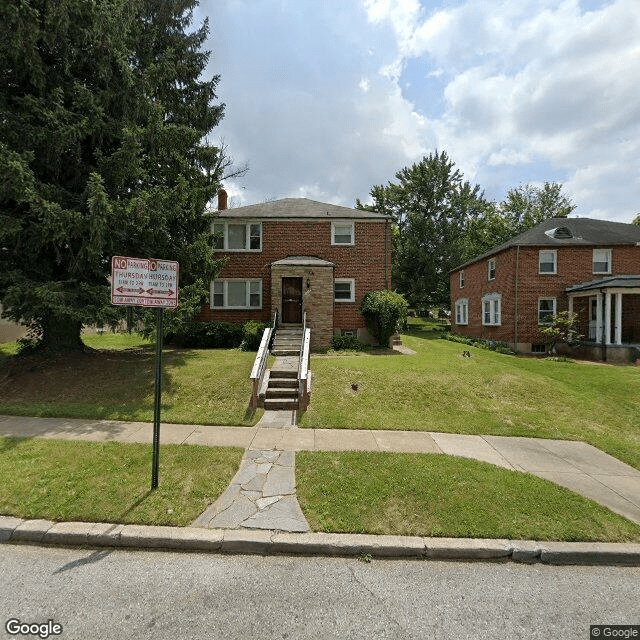
4405 Rokeby Road, Baltimore, MD 21229
For more information about senior living options: (866) 208-4318
Overall Review of Bridgecare Assisted Living
Pros
 The facility is beautiful and offers all the amenities one could imagine.
Cons
 The management team, including the Executive Director and the Director of Health and Wellness, communicates poorly.
- The family has left many messages and has not received any return calls or emails in response to their inquiries and concerns.
- Dr. Iqbal does not respond to messages left at his office.
Review
Bridgecare Assisted Living in Baltimore is best suited for seniors who prize a polished, amenity-rich setting and can tolerate uneven administrative responsiveness. The campus presents a refined environment with comfortable common areas and a broad slate of services designed to support social engagement and everyday comfort. For residents who thrive in a busy, activity-filled atmosphere and value upscale finishes, the experience can feel decidedly premium. The caveat is that daily life there depends as much on how quickly and thoroughly leadership and medical staff respond to inquiries as on the physical surroundings. Prospective families should enter with a demand for proactive, predictable communication and clear escalation paths.
Who should consider alternatives? Any family for whom timely communication and steady medical coordination are non-negotiable should look elsewhere. If a caller routinely needs rapid callbacks, consistent nurse and clinician accessibility, and a single point of contact to shepherd care plans, Bridgecare may fall short. Those with complex medical needs, frequent medication management, or cognitive or mobility challenges requiring ongoing, reliable oversight should understand that gaps in administrative responsiveness can complicate care and safety. In short, Bridgecare rewards families who can drive the process themselves and tolerate some administrative friction rather than rely on proactive, hands-off oversight.
On the upside, the facility’s beauty and wide-ranging amenities are meaningful assets. A visually appealing environment and robust activity options can sustain mood, social engagement, and a sense of normalcy, key factors in a senior’s quality of life. Strong public spaces and contemporary design translate into a welcoming daily experience for many residents, supporting an atmosphere of comfort and belonging. Yet these strengths only partly compensate for the main drawbacks. When messages go unanswered and medical staff do not respond, the risk to health management, questions about medications, appointment scheduling, and evolving care plans, can eclipse the advantages of a nice setting. The report that the on-site doctor does not respond to messages compounds the concern and erodes trust in medical oversight.
Practical steps for families evaluating Bridgecare include pressing for concrete communication structures before move-in. Request a named family liaison, established response times (for example, within 24 to 48 hours), and commitments in writing. Demand direct access to the Executive Director and the Director of Health and Wellness, and seek clarity on how medical communications will be handled with Dr. Iqbal or any attending physician. Consider a short trial period or staged transition to observe how the team handles care coordination, medication management, and urgent concerns under real conditions. A straightforward, documented plan helps avoid ambiguity that often fuels dissatisfaction.
Risk considerations center on management responsiveness rather than the physical environment. The mix of consistently strong quotients from some visitors and clear red flags about unresponsiveness signals a pattern that can create substantial stress for families and residents alike. If a resident’s needs escalate, new medications, worsening symptoms, or appointment management, the current culture around communication can hinder timely intervention. Bridgecare can be a tolerable fit for those able to take an active coordinating role or who have a dedicated family liaison, but it remains a red flag for anyone seeking dependable, hands-off oversight or steady physician engagement without ongoing advocacy.
Bottom line: Bridgecare Assisted Living represents a conditional choice. The surroundings and amenities appeal to families seeking a comfortable, stimulating environment, but recurring issues with administrative responsiveness and physician follow-through tilt the balance toward alternatives for those prioritizing reliable communication and medical coordination. If Bridgecare is chosen, enter with a concrete plan to own the communication loop: designate a point person, document expectations, and insist on timely, written responses. If those safeguards feel burdensome or impractical, prioritize communities known for steadier leadership and more reliable medical oversight.
 8 resident community capacity
 Assisted Living
 Cable or satellite TV
 Dining room
 Fully furnished
 Garden
 Housekeeping services
 Move-in coordination
 Outdoor space
 Respite or short term stays offered
 Telephone
 Wi-Fi/high-speed internet available
 Baltimore-Washington International (8 miles away)
 24-hour supervision
 Activities of daily living assistance
 Ambulatory care
 Assistance with bathing
 Assistance with dressing
 Assistance with transfers
 Diabetes diet
 Diabetic care
 High acuity care
 Incontinence care
 Meal preparation and service
 Medication management
 Special dietary restrictions
 Transportation arrangement (medical)
 Transportation to doctors appointments


 How and When Medicaid May Cover Assisted Living Costs
 A Detailed Exploration of Assisted Living Medicaid Waivers Across the United States
 Comprehensive Residential Support and Assisted Living Solutions for Individuals with Disabilities