
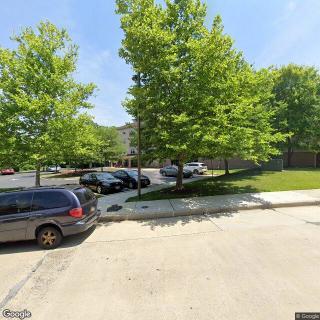
2611 Elsinore Avenue, Baltimore, MD 21216
For more information about senior living options: (866) 208-4318
Overall Review of Access Assisted Living
Pros
 AJ Manor is a godsend.
- It has been the safest and best decision for the family.
- Arnette runs the facility like a home with all the love and care residents deserve.
- Arnette is constantly attentive to all needs and extremely aware of all concerns.
- It is the perfect place for Alzheimer’s patients.
Review
Access Assisted Living in Baltimore is best suited for families seeking a small, home-like memory-care setting for a loved one with Alzheimer’s or related dementia. The reviews depict a setting where care does not feel institutional but rather familial, with Arnette personally overseeing daily needs and guiding the environment with a steady, compassionate hand. For a senior who thrives on predictable routines, gentle supervision, and a calm atmosphere, this arrangement delivers the kind of safety and familiarity many dementia caregivers prioritize. One family notes their mom has called this place home for the past three years, underscoring stability and the sense that the decision was the safest, most thoughtful choice available.
Families weighing alternatives should consider how this option compares to larger campuses with broader medical staffing, expansive activity calendars, and more formal programming. If a loved one requires extensive on-site medical oversight, a wide array of therapies, or access to multiple levels of care within a single campus, other communities may provide the scale those needs demand. Additionally, for residents who are not primarily dealing with Alzheimer’s or memory impairment, a home-like memory-care focus may feel too narrow. In short, this setting shines when memory-care needs are paramount and the family values intimate, attentive living over campus breadth.
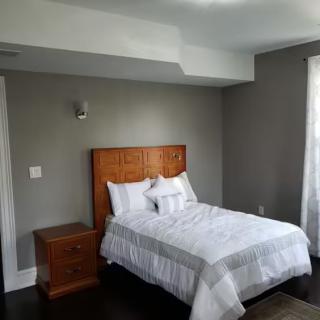
The core positives are unmistakable. The ambiance feels like a true home, not a facility, and Arnette runs the operation with noticeable love and attentiveness. Families describe the environment as safe, with staff who stay attuned to both overt needs and subtle concerns. For Alzheimer’s residents, consistent routines, familiar faces, and a caregiver-driven approach translate into reduced anxiety and better day-to-day functioning. The compact scale naturally limits overstimulation and makes supervision more feasible, which many families see as a decisive advantage when managing wandering risks and cognitive fluctuations.
These strengths offset potential drawbacks in practical ways. The intimate setting trades some breadth, fewer on-site activities and potentially less formal clinical programming, for rapid responsiveness and personalized care plans. The hands-on management means concerns are acknowledged quickly and addressed without layers of bureaucracy, a comfort point for families who want to feel heard and empowered. The reported long-standing leadership by Arnette further reinforces trust and continuity, mitigating fears about staffing instability or inconsistent care that sometimes accompany smaller operators.
Practical considerations for families are simple but essential. Because the home centers on Alzheimer’s care, verify that current vacancy aligns with the desired care level and confirm that routines, safety protocols, and medication management meet the resident’s needs. Ask how daily activities are structured, what cognitive-stimulation approaches are used, and how emergencies are handled when staff training and availability fluctuate. Inquire about weekend and holiday coverage, and whether Arnette’s direct involvement remains a constant as needs evolve. Understanding these elements helps determine if the intimate model will continue to support evolving memory-care requirements.
Bottom line: Access Assisted Living stands out for families prioritizing warmth, intimacy, and a dementia-centered home atmosphere over campus size and formal programming. It is a compelling match for residents who benefit from familiar routines, steady caregiver presence, and a setting that feels like a trusted home. Those seeking broad medical resources, extensive activity options, or non-memory-care living should explore other options. The pros, personalized attention, a safe, home-like environment, and clear caregiver commitment, often outweigh the potential limits in programming, provided the care needs align with the Alzheimer’s-focused model. A thoughtful visit to meet Arnette, review care plans, and test-drive the daily rhythm will reveal whether this is the right fit for the individual.
 6 resident community capacity
 Assisted Living
 Cable or satellite TV
 Dining room
 Fully furnished
 Garden
 Housekeeping services
 Move-in coordination
 Outdoor space
 Telephone
 Wi-Fi/high-speed internet available
 Baltimore-Washington International (10 miles away)
 24-hour supervision
 Activities of daily living assistance
 Assistance with bathing
 Assistance with dressing
 Assistance with transfers
 Diabetes diet
 Meal preparation and service
 Medication management
 Special dietary restrictions
 Transportation arrangement (medical)
 Transportation to doctors appointments


 Assisted Living Expenses and Long-Term Care Insurance: A Comprehensive Exploration
 Securing Financial Support for Assisted Living: A Comprehensive Overview
 Social Security Benefits and Assisted Living: Navigating Options Across the U.S.