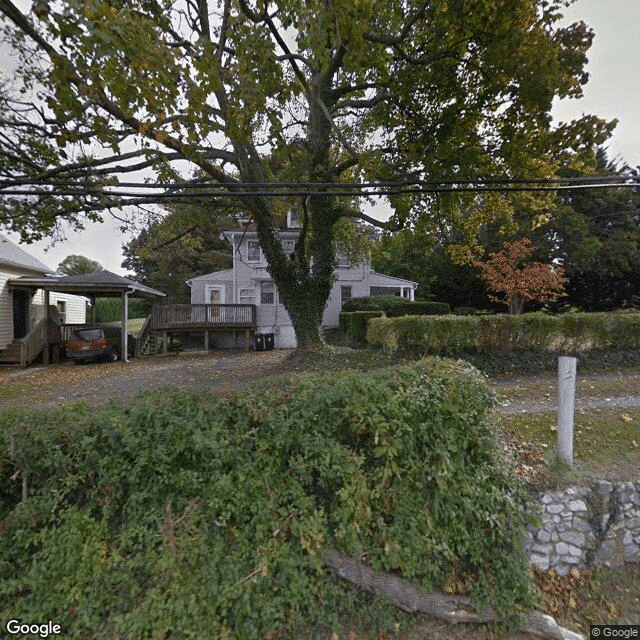
5001 Carroll Manor Rd, Baldwin, MD 21013
To contact a resident: (410) 252-3430
For more information about senior living options: (866) 208-4318
Dulaney Valley Assisted Living at Baldwin Costs & Pricing
Dulaney Valley Assisted Living at Baldwin presents a competitive pricing structure for its services, particularly when comparing costs with both Harford County and the broader state of Maryland. For semi-private rooms, residents can expect to pay $4,000 per month, which is notably higher than the Harford County average of $3,357, yet remains conducive within the state average of $3,545. When considering private rooms, Dulaney Valley's rate of $4,500 is slightly above both Harford County's average of $3,819 and Maryland's typical cost of $4,112. This premium reflects the quality and personalized care services offered at Dulaney Valley Assisted Living at Baldwin, making it an appealing option for families seeking dedicated support in a comfortable environment.
| Floor plans | Dulaney Valley Assisted Living at Baldwin | Harford County | Maryland |
|---|---|---|---|
| Semi-Private | $4,000 | $3,357 | $3,545 |
| Private | $4,500 | $3,819 | $4,112 |
Senior living communities with a similar price nearby
-
from -$500 / mo
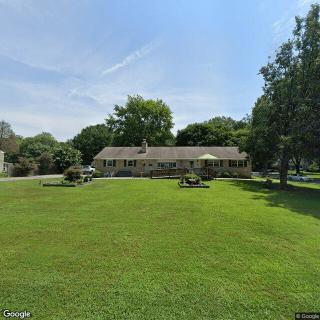
Greenway Manor
$3,500 to $3,800 / month23.2 miles away -
from -$375 / mo
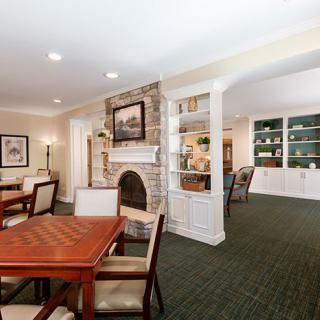
Brightview Avondell
$3,625 to $5,165 / month8.7 miles away -
from -$610 / mo
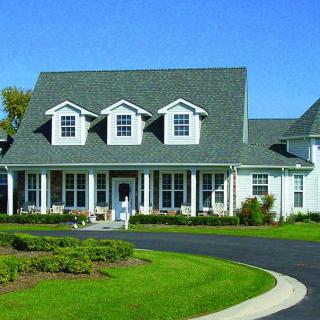
Commonwealth Senior Living at Bel Air
$3,390 to $6,180 / month7.9 miles away -
from +$356 / mo
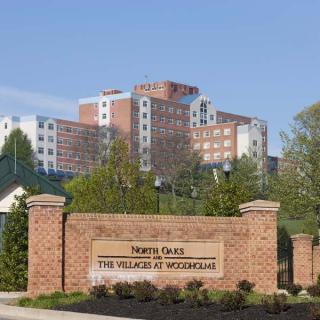
North Oaks, a CCRC
$4,356 to $5,471 / month16.3 miles away -
from -$465 / mo

Brightview Perry Hall
$3,535 to $6,340 / month6.8 miles away
Overall Review of Dulaney Valley Assisted Living at Baldwin
Pros
 The staff are friendly, inviting, and caring.
- The meals are excellent and home-cooked, with cornbread made from scratch.
- The smaller community size provides personalized one-on-one care.
- The facility is extremely clean and well maintained.
- The location is pleasant and wooded, with wildlife nearby.
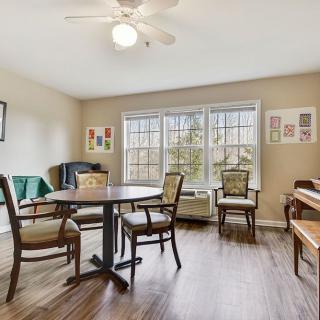
- The home feels cozy, bright, and welcoming.
- The owners and staff are excellent, and families would recommend Dulaney Valley.
Cons
 The place is horrible.
- They say they have a chef, but the aides or manager cook the meals.
- They do not have enough aides to assist the residents, especially at night.
- They do not have activities for the residents, and they spend most of the time watching TV.
- The facility seems overwhelmed by the hospice arrangement and cannot handle it.
- It is boring for the residents due to zero activities.
- The one-month deposit was not reimbursed after the aunt passed away, making the contract feel unfair.
- Visiting times can be limited, activities are lacking, and communication with families needs to improve.
- Mr. Ted is ignorant and has an attitude.
Review
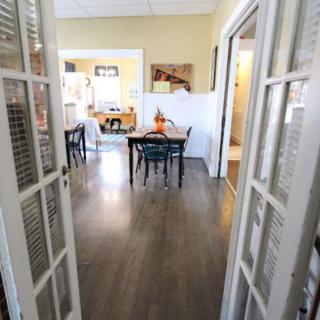
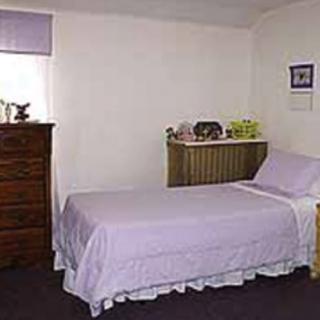
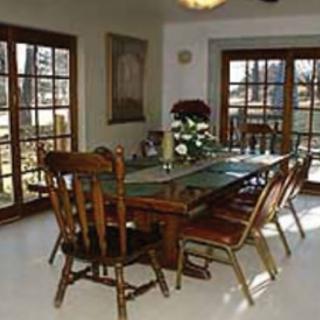
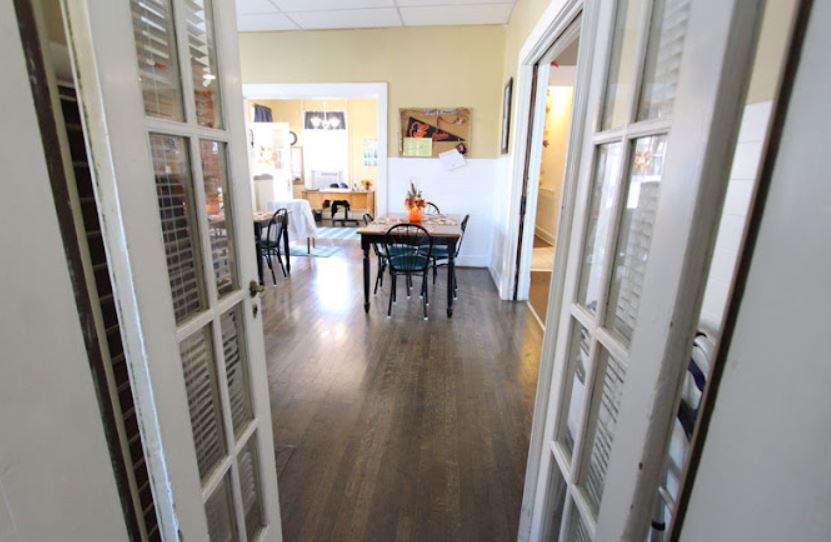
Dulaney Valley Assisted Living at Baldwin is best suited for families seeking a small, homey environment where residents can receive attentive, individualized care without the bustle of a larger campus. The community’s compact size tends to translate into more one-on-one time with staff, a trait that many families value when navigating daily needs, meals, and routine checks. The setting appeals to those who prize cleanliness, coziness, and a certain rustic serenity, a wooded, quiet backdrop that supports easy visiting and a sense of being “at home.” For residents with Alzheimer’s or early-to-mid dementia who benefit from familiar routines and consistent staff presence, Baldwin can feel comforting and manageable. The meals, described as home-cooked by a chef in spirit if not always in title, are a standout, offering real variety and steady quality that keeps a family member looking forward to dining.
Yet this community is not a universal fit, and families should consider alternatives if certain needs are non-negotiable. Those seeking a bustling activity calendar and robust, scheduled engagement will likely be disappointed. Several reviews note a persistent lack of daytime activities, with residents seen watching TV as a main pastime rather than participating in structured programs. If social programming, exercise opportunities, and caregiver availability for daytime enrichment are priorities, a larger or more activity-focused community would be worth evaluating. Likewise, families with high care demands or a need for constant clinician oversight may find the on-site medical response slower than desired, given the occasional difficulty reaching the resident physician and the perception that the facility’s staffing bandwidth is stretched, especially at night.
The strongest positives, personalized attention, a clean and welcoming atmosphere, and consistently friendly staff, do meaningful work in offsetting some of Baldwin’s weaknesses, but not all. The smaller scale creates a genuine sense of closeness among residents and caregivers, and families repeatedly praise the cleanliness and the quality of meals. When staff members are responsive and compassionate, they can make a tangible difference in daily comfort and mood. This care ethos often shines through during insomnia management and routine caregiving tasks, where a steady, familiar team can provide reassurance and continuity. Still, these pros are best realized in communities that maintain stable staffing and clear, proactive communication with families, which Baldwin struggles to deliver consistently.
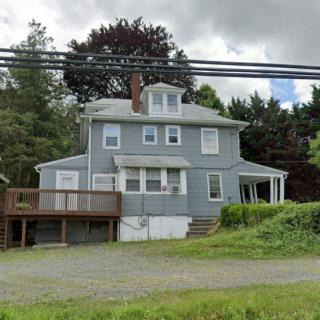
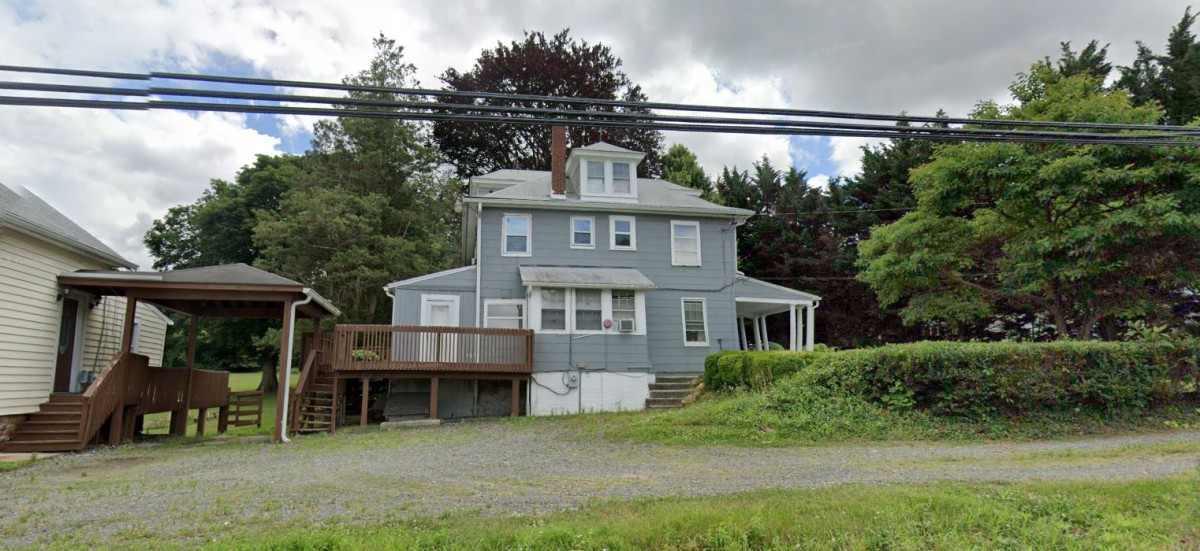
The most significant cons cluster around staffing consistency, activity programming, and logistical transparency. Turnover among aides and other staff is a recurring concern, undermining the consistency families expect and contributing to safety worries, such as bed incidents mentioned by several reviewers. Limited aides, especially at night, translate into slower response times for urgent needs and less proactive supervision. Communication gaps with families persist in some visits, and visiting hours are described as limited relative to what active families would prefer. The building’s older, compact footprint, with a relatively modest outdoor deck, can feel confining to residents and families used to more expansive spaces, especially for those who value easy outdoor or mobility-friendly options. Finally, contract quirks, including a one-month deposit with non-reimbursement when a resident dies mid-month, create understandable hesitation for cost-sensitive families.
For families weighing Baldwin against other options, several practical steps emerge. It is essential to get concrete data on staffing ratios for day and night shifts, and to request a recent schedule that shows how often aides are replaced or reassigned. Ask for a detailed activities calendar and a plan for engaging residents who do not self-direct, ensuring a truthful sense of what “daily life” looks like beyond the dining room. Obtain a written end-of-life care plan and confirm how hospice and nursing services coordinate with on-site staff, including expected response times and who leads the care conference. Review the contract carefully, especially terms around deposits, refunds, and what happens if a resident requires higher levels of care. Visiting should be more than a formality, arrange unannounced visits to observe real-time staff interactions and resident engagement.
Ultimately, Dulaney Valley Assisted Living at Baldwin can be a strong match for families prioritizing intimacy, cleanliness, and reliable meals within a safe, home-like setting. It excels for residents who thrive on close-knit attention and a peaceful environment, where care can feel personal and steady and managers have the capacity to keep routines predictable. However, for families seeking vibrant daily programming, robust clinical oversight, and seamless, proactive family communication, alternatives should be explored. In the decision process, Baldwin should be weighed as a value-driven, small-community choice that delivers comfort and care on a modest scale, with the caveat that ongoing staffing stability, activity offerings, and financial terms require careful scrutiny before committing.
 Board and Care Home
 Activities on-site
 Bath tubs
 Devotional services off-site
 Indoor common areas
 Outdoor common areas
 Private
 Respite or short term stays offered
 Baltimore-Washington International (24 miles away)
 Diabetic care
 High acuity care
 Incontinence care
 Medication management
 Meals provided



 A Detailed Examination of Nursing Home Costs Across the U.S.
 Exploring Nonmedical Home Care: Understanding Services, Costs, and Financial Approaches
 Engaging Brain Games and Innovative Apps to Keep Senior Minds Active