
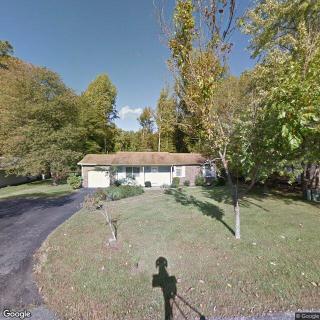
2205 Saint Joan Place, Accokeek, MD 20607
For more information about senior living options: (866) 208-4318
Overall Review of Scott's Convenient Living I
Pros
 They found the staff to be attentive.
- The cleanliness of the place appeared satisfactory.
- The room appeared clean.
Cons
 The experience wasn’t very good.
- She wasn’t happy there.
- The caretaker asked them not to come for the first week, which felt unwelcome.
- She became very weak and lost use of her left hand.
- They suspected dehydration and possibly a urinary tract infection.
- The MRI/CAT scan timing was delayed, delaying diagnosis.
- The room was small and lacked space to move.
Review
Scott's Convenient Living I in Accokeek, MD is best suited for seniors who are largely independent and whose families can provide active oversight. The community appears to deliver a basic, affordable living environment with clean common areas and a straightforward room setup. For families prioritizing cost savings and a simple, housing-focused option rather than high-touch medical management, this facility can feel like a practical fit, so long as expectations stay tightly aligned with available on-site support.
Those whose loved ones require consistent medical monitoring, rapid diagnostic access, or proactive hydration management should seriously consider alternatives. The experience at this community signals that medical responsiveness and oversight may not be as robust as in other assisted living settings. Families should anticipate a model that relies heavily on family advocacy and external medical interventions, rather than in-house, round-the-clock clinical support. Residents at higher risk for dehydration, infections, or acute changes in condition would likely encounter unacceptable gaps in care here.
The few positives in the reported experience are weak counterweights to the salient drawbacks. Cleanliness was described as satisfactory and the room was noted to be clean, though cramped. An initial impression of attentiveness from staff on the first day offered some reassurance, but that benefits fades quickly once the initial adjustment period passes. In practice, the overall care environment did not demonstrate a reliable trajectory of daily, proactive engagement or ongoing reassurance for families worried about medical stability or hydration.
The most troubling elements center on a troubling sequence of health concerns that emerged with a resident. A mother figure, not content with the placement, ended up with significant weakness and signs consistent with a left-hand impairment after what appears to have been a dehydration issue and a potential urinary tract problem. Test timing became a critical issue; delaying diagnostic imaging for several days complicates any assessment of causation and short-term risk, and a confirmed mild stroke was only identified after the hospitalization timeline had stretched. These events underscore a systemic risk: the facility’s ability to detect, respond to, and coordinate care during health crises appears limited.
For families evaluating options, a practical approach is essential. Inquire about 24/7 nursing coverage, on-site clinician access, and clearly defined protocols for hydration, daily monitoring, and rapid response to changes in condition. Probe the facility’s capacity to coordinate timely diagnostic testing (urgent CT/MRI), communication handoffs to families, and the process for escalating concerns when a resident’s status worsens. Assess the room size and layout for safety and mobility, and quantify how often staff check in, assist with daily activities, and monitor for dehydration or urinary issues. This community may fit a budget-conscious plan, but it comes with a higher probability of medical-management gaps that can have serious consequences.
The takeaway is clear: this location is not well matched for residents with medical fragility or unpredictable health trajectories. It will satisfy families seeking economical, clean, low-friction living, so long as the expectations remain narrowly scoped. For anyone with real concerns about hydration, timely medical evaluation, or rapid escalation in health status, alternatives with stronger in-house medical staffing and more responsive emergency protocols are strongly advisable. In the balance, the safer, more reliable path for higher-need seniors lies elsewhere.
 4 resident community capacity
 Assisted Living
 Cable or satellite TV
 Dining room
 Fully furnished
 Garden
 Housekeeping services
 Move-in coordination
 Outdoor space
 Telephone
 Wi-Fi/high-speed internet available
 Ronald Reagan Washington National (15 miles away)
 24-hour supervision
 Activities of daily living assistance
 Assistance with bathing
 Assistance with dressing
 Assistance with transfers
 Diabetes diet
 Meal preparation and service
 Medication management
 Special dietary restrictions
 Transportation arrangement (medical)
 Transportation to doctors appointments





 Choosing the Right Senior Care: A Detailed Exploration of Assisted Living and Nursing Homes
 Understanding the True Cost of Assisted Living in 2025: A Comprehensive Guide
 Understanding Medicaid Coverage for Assisted Living: A Comprehensive Guide