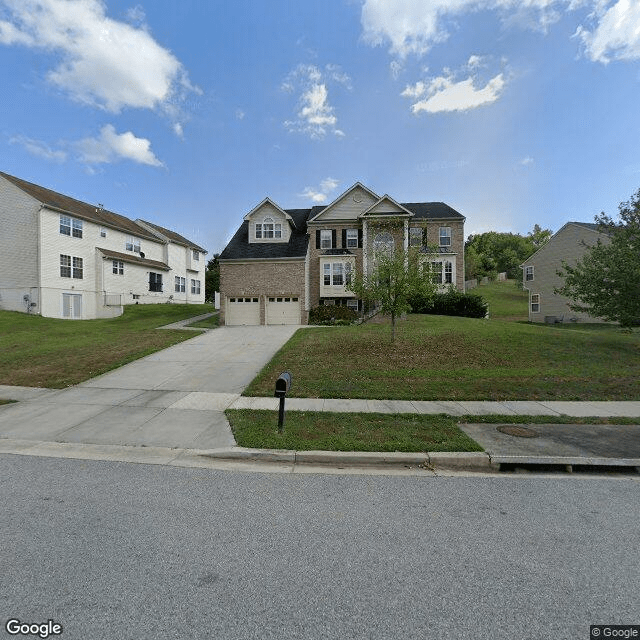
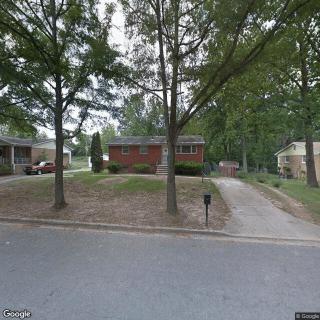
1137 Strausberg St, Accokeek, MD 20607
To contact a resident: (202) 403-7311
For more information about senior living options: (866) 208-4318
Overall Review of Jobean Assisted Living #2
Pros
 are positive framing statements in the third person based on the reviews:
- The reviewer stresses the importance of a thorough state-level walkthrough to ensure resident safety.
- The reviewer calls for professional conduct from supervisory staff.
- The reviewer believes addressing these concerns could raise the facility’s standards of care.
- The reviewer advocates for accountability and corrective action to improve the facility.
- The reviewer supports steps that prioritize residents’ safety and well-being.
Cons
 The facility is described as the worst assisted living ever.
- The reviewer would not recommend this place to anyone.
- It needs a thorough state inspection.
- The supervisor is very unprofessional.
Review
Jobean Assisted Living #2 in Accokeek, Maryland is best suited for families that can tolerate an unusually high degree of hands-on oversight and are prioritizing low cost over consistent, professional care. This is not a setting recommended for seniors who require reliable daily support, regular medical monitoring, or a respectful, well-managed caregiving environment. In other words, it may only be worth considering for families willing to take on a proactive role in monitoring care and advocating for the resident, while other options with stronger leadership and higher care standards should be compared first.
Two recent reviews describe a consistently troubling picture. The feedback is blunt: this facility is described as among the worst experiences, with strong language that signals serious dissatisfaction. The reviewers raise concerns about supervision and overall management, and one directly singles out a supervisor as unprofessional. Taken together, the comments emphasize a pattern of care that caregivers and families would need to challenge actively and repeatedly, rather than rely on stable, proactive care being delivered without prompting.
The main drawbacks center on leadership and the reliability of care. A supervisor described as unprofessional casts a shadow over the daily operation, suggesting inconsistent responses to questions, delays in addressing needs, and a lack of clear accountability. When leadership is perceived as ineffective, resident safety and dignity suffer: response times can lag, important tasks may be overlooked, and residents risk feeling unheard or undervalued. In a setting that already invites family participation, such a leadership gap compounds concerns about consistency, trust, and the ability to enforce appropriate standards of care.
There are virtually no clearly documented strengths highlighted in the reviews to offset these concerns. No notable advantages such as exemplary clinical oversight, tailored care plans, or consistently respectful staff are called out. The absence of explicit positive factors means the downsides, unprofessional supervision, potential neglect of timely needs, and a troubling leadership dynamic, are unlikely to be balanced by any identifiable benefits in these comments. Without credible, concrete strengths to counterbalance the deficits, the overall valuation leans heavily toward caution.
For families evaluating options, the prudent path is to treat this community as a red flag unless there is independent, verifiable evidence of meaningful improvement. Conduct a thorough on-site tour with a focus on whether front-line staff are present, engaged, and trained; request current staffing ratios and turnover data; insist on speaking with direct caregivers about their responsibilities and response times; and demand access to the latest state inspection reports or any deficiency letters. Ask for a detailed care plan for a loved one, including medication administration, fall prevention, and emergency response procedures, and request regular, scheduled reviews of that plan. If possible, arrange conversations with current residents or their families to gauge day-to-day experiences beyond what is shown in marketing material.
In the end, the risk profile here is significant enough that most families should pursue alternatives with clearer leadership accountability and a track record of consistent, compassionate care. If staying in this setting becomes unavoidable, implement a rigorous oversight regime from day one: set explicit expectations, demand frequent progress updates, and be prepared to escalate concerns promptly to regulators or governing bodies. The decision hinges on tolerance for leadership lapses and the willingness to invest time and pressure to secure acceptable care; for the majority, exploring other communities will be the wiser, safer, and more dignified course.
 Activities on-site
 Air-conditioning
 Bath tubs
 Cable or satellite TV
 Devotional services off-site
 Handicap accessible
 Indoor common areas
 Outdoor common areas
 Private bathrooms
 Respite or short term stays offered
 Wi-Fi/high-speed internet available
 Ronald Reagan Washington National (9 miles away)
 Diabetic care
 High acuity care
 Incontinence care
 Medication management
 Anytime dining
 Art classes
 Day trips and outings
 Forever fit
 Gardening club
 Live musical performances
 Live well programs
 Visiting chaplain or priest



 Financing Long-Term Nursing Home Care Through Social Security: A Thorough Exploration
 Essential Knowledge on Pneumonia in Older Adults
 Exploring Palliative Care in the Home: A Comprehensive Overview