Jefferson House Unit 2 is an assisted living community in Westbrook, ME.
Information last verified:
27 Jefferson Street Unit 2, Westbrook, ME 04092
For more information about senior living options: (866) 208-4318
3.9 from 39 reviews
5 stars
23
4 stars
5
3 stars
2
2 stars
1
1 stars
8
Overall Review of Jefferson House Unit 2
common12 reviews mention this
Staff are kind and helpful
Residents repeatedly describe the staff as kind, professional, and helpful.
Many residents say they feel supported by staff who are courteous and responsive. Reviews mention being helpful throughout the application or living process, including answering questions and following through. A few comments are less direct but still point to a generally positive day-to-day attitude from workers.
caveat4 reviews mention this
Communication can be slow
Some residents report delays and difficulty getting quick answers.
A subset of reviews describe trouble reaching someone by phone and waiting for follow-up. Others note the office process can be slow, including being connected to voicemail boxes and needing multiple attempts. Even when staff are described as caring, residents still sometimes say they had to wait for a housing officer to return calls.
caveat2 reviews mention this
Pest and treatment concerns
A few reviews raise concerns about bed bugs and proper treatment.
Some residents describe bed bugs as a problem and say pests are not properly treated. Another review mentions bed bugs arriving alongside other issues. These comments stand out as the clearest recurring concern about health and cleanliness.
common5 reviews mention this
Generally positive for housing needs
Several residents feel the community works well for elderly or disabled housing.
Multiple reviews describe the community as a good place for elderly or disabled residents and say they have few or no complaints. Others share positive experiences with the application timeline, including being called within about a month. The tone here is broadly favorable, even though a few reviews point to specific frustrations.
How we summarize
Counts show how many written reviews mention each theme; a review can touch several themes, and only frequently mentioned themes are displayed.
Features
Housing
2 resident community capacity
Types of Care
Assisted Living
Amenities
Cable or satellite TV
Dining room
Fully furnished
Garden
Housekeeping services
Move-in coordination
Outdoor space
Telephone
Wi-Fi/high-speed internet available
Transportation
Portland International Jetport (4 miles away)
Care Services
24-hour supervision
Activities of daily living assistance
Assistance with bathing
Assistance with dressing
Assistance with transfers
Coordination with health care providers
Diabetes diet
Meal preparation and service
Medication management
Special dietary restrictions
Transportation arrangement (medical)
Transportation to doctors appointments
Dining
Diabetes diet
Special dietary restrictions
Activities
Community-sponsored activities
Scheduled daily activities
Nearby Places of Interest
Located in Westbrook, Maine, this neighborhood offers a variety of amenities catering to senior living. With several restaurants, cafes, pharmacies, and physicians within a few miles radius, residents have easy access to essential services. The proximity to Mercy Hospital and other medical facilities ensures quality healthcare options are readily available. Additionally, the area boasts recreational opportunities such as Shaw Gym and nearby parks for outdoor activities. For those who enjoy cultural experiences, Prides Corner Drive-In provides entertainment options. With convenient transportation options like Portland International Jetport and Portland Transportation Center nearby, traveling in and out of the area is hassle-free. Overall, this part of Westbrook combines convenience with a range of services that cater to senior living needs.
Restaurants
China Villa (0.7 miles)
Bakers Bench (0.8 miles)
Mr Bagel-Westbrook (1.4 miles)
Smiling Hill Farm (1.8 miles)
McDonald's (2.4 miles)
Firehouse Subs (2.5 miles)
Junction Bowl (2.7 miles)
Pharmacies
CVS Pharmacy (0.8 miles)
Omnicare of Maine Westbrook (1.2 miles)
Hannaford Pharmacy (1.4 miles)
Walgreens (1.8 miles)
Community Pharmacies (2.1 miles)
Shaw's Pharmacy (2.6 miles)
Target Pharmacy (3.3 miles)
Physicians
Dr. Linford J. Stillson, DO (0.9 miles)
Nano Dentistry (1.1 miles)
Maine Proctology Center (1.5 miles)
Mercy Express Care (1.6 miles)
Martins Point Health Care (1.7 miles)
Scott P Williams MD (1.7 miles)
Village Hearing Care (2.1 miles)
Cafes
Roots Cafe (1.4 miles)
Aroma Joe's (2.8 miles)
Starbucks (3.5 miles)
Coveside Coffee (5 miles)
The Holy Donut (5.5 miles)
Hospitals
Mercy Hospital (1.6 miles)
Mercy Hospital (3 miles)
HealthSouth (4.6 miles)
Maine Medical Center-Brighton Campus (4.6 miles)
Mercy Hospital (5.3 miles)
The Barbara Bush Children's Hospital (5.6 miles)
Maine Medical Center - Chaplain's Office (5.6 miles)
Parks
Shaw Gym (3 miles)
Western Promenade Park (5.7 miles)
Deering Oaks Park (5.7 miles)
Thompsons Point (5.7 miles)
Theaters
Prides Corner Drive-In (4 miles)
Transportation
Portland International Jetport (PWM) (4.1 miles)
Northeast Air (4.1 miles)
PWM Baggage Claim (4.1 miles)
Portland Transportation Center (4.8 miles)
Places of Worship
Thornton Heights United Methodist Church (5.2 miles)
The transition from assisted living to skilled nursing care is often prompted by complex medical needs that assisted living cannot meet, with key indicators including frequent health declines, increased falls, severe memory issues, and caregiver burnout. Families should recognize these signs early to discuss options with healthcare providers and prepare for the emotional and logistical aspects of moving to a facility that offers comprehensive medical support.
Vibrant Senior Living emphasizes active senior living communities that promote independence and engagement through diverse amenities and activities, fostering wellness and social interaction among older adults. These communities range from independent to assisted living, with a focus on personal growth, family involvement, financial planning, and leveraging technology to enhance residents' experiences.
Transitioning from assisted living to memory care is driven by an individual's cognitive decline and specific needs, requiring careful evaluation of indicators like increased confusion and wandering. The process involves consulting medical professionals, researching suitable communities, considering financial and legal aspects, and ensuring effective communication for personalized care plans.
Get PricingAsk A QuestionSchedule A TourContact Senior Advisor
By clicking submit, you agree to our Partner's Terms of Use. You
also consent to receive calls and texts, which may be autodialed, from our Partner. Your consent is not a condition to
using our Partner's service. Please visit our Partner's Privacy Policy for information about their privacy practices.

 2 resident community capacity
 Assisted Living
 Cable or satellite TV
 Dining room
 Fully furnished
 Garden
 Housekeeping services
 Move-in coordination
 Outdoor space
 Telephone
 Wi-Fi/high-speed internet available
 Portland International Jetport (4 miles away)
 24-hour supervision
 Activities of daily living assistance
 Assistance with bathing
 Assistance with dressing
 Assistance with transfers
 Diabetes diet
 Meal preparation and service
 Medication management
 Special dietary restrictions
 Transportation arrangement (medical)
 Transportation to doctors appointments
 Comprehensive care and modern amenities.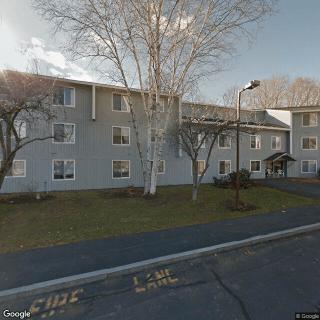


 8 Key Indicators That Suggest It May Be Time to Transition from Assisted Living to Skilled Nursing Care
 Vibrant Senior Living: A Comprehensive Guide for Active Older Adults
 When to Transition from Assisted Living to Memory Care: Key Indicators, Steps, and Finding the Right Community