
98 East Bridge Street, Westbrook, ME 04092
For more information about senior living options: (866) 208-4318
Overall Review of Bella Point Westbrook
Pros
 The staff at Bella Point are kind, friendly, and caring to the patients.
- The facility is very clean, neat, and organized.
- They would highly recommend Bella Point for a family member in need of nursing home care.
- The staff are polite, professional, and easy to talk with.
- The care provided to residents is wonderful and the staff demonstrate dedication.
- The food at Bella Point is good.
- Bella Point has a reputation for wonderful care and hard-working staff.
Cons
 The director never answers the phone, and numerous messages are left unanswered.
- The care is not acceptable, as a resident wandered off and was found harmed after hours.
- The facility is very unclean, with a bathroom described as disgusting and dirty.
- The staff are rude and provide poor overall care.
- A resident is left in bed all day, not fed, and showers occur only about once a week.
- After new ownership, promises of improvements were undermined by removing longtime caring staff, making conditions worse.
- The place is described as the worst nursing home ever and very unclean.
- The reviewer would not want to leave a loved one there.
Review
Bella Point Westbrook is best suited for families that prize a clean, approachable environment with friendly, courteous staff and can stay actively involved in care decisions. The facility presents a well-kept, orderly setting where daily routines feel predictable, which can be a comfort for residents with relatively low-acuity needs or for families seeking a transitional placement while evaluating longer-term options. It is not a fit for individuals who require constant supervision, critical medical oversight, or immediate, reliable access to leadership. The pattern of reporting in these reviews suggests that without strong family advocacy and hands-on involvement, risks in supervision and communication can escalate, undermining any day-to-day comfort the environment might otherwise offer.
Those evaluating Bella Point Westbrook should explicitly consider alternatives if the priority is consistently reliable leadership access and transparent, proactive care. Look for communities where a named administrator is consistently reachable, where there are formal response protocols, and where staffing patterns remain stable. Facilities with on-site registered nurses, structured fall and wandering prevention programs, and open incident reporting tend to deliver greater predictability. If family voice and rapid escalation of concerns matter, insist on a clear point of contact, documented processes for updates, and routine family communications before committing.
On the plus side, multiple reviewers note a clean facility and a generally polite, approachable frontline staff. When conversations happen, there is a sense that caregivers are warm, personable, and willing to engage with families. Several accounts also mention that meals and overall daily life feel acceptable, and that staff can appear thoughtful and supportive in casual, everyday interactions. These elements can translate into a more agreeable day-to-day experience and provide some reassurance to families who can sustain ongoing oversight and pull for improvements where gaps exist.
Yet the stronger, recurring complaints significantly tilt the balance away from a confident endorsement. The most troubling themes center on leadership accessibility and accountability: director communications are described as unreliable, with messages left unanswered and calls not returned. This gap feeds broader concerns about supervision and responsiveness, especially in emergencies or when care questions arise. Safety concerns surface in vivid terms: residents wandering or not being checked after meals, delays in attention that culminate in distress, and reports of inadequate hygiene and assistance. In one extreme instance, a resident was found late with a serious burn and a fall, underscoring how gaps in supervision translate into real harm. Another review paints a picture of inconsistent care, including infrequent showers and neglectful conditions, which is not tolerable in a facility of this level.
When weighing the pros against the cons, the positives, the clean environment, the friendly staff, and the potential for decent daily life, do not sufficiently offset the core risks tied to management and safety lapses. Cleanliness and courtesy can soften the daily routine, but they cannot compensate for unaddressed care gaps or the perception that leadership is hard to reach in moments that demand accountability. Families should pursue aggressive, concrete assurances: a reliable primary contact, documented service plans, measurable staffing ratios, and an explicit escalation path for concerns. A trial period with clearly defined milestones can help determine whether the facility can translate surface polish into dependable, higher-quality care.
In the end, Bella Point Westbrook functions best as a monitored option for families who can bring an active, ongoing advocacy role and demand accountability. It may work for residents with modest needs who value a neat environment and candid, caring staff, provided there is unwavering family involvement to oversee care and push for timely responses. For most decision-makers, however, the combination of intermittent administrator accessibility and serious safety and hygiene concerns argues for considering other communities with stronger leadership, transparent communication, and demonstrably reliable care. If choosing this community, enter with explicit expectations, document all commitments, and maintain structured, regular communication so that any red flags are surfaced and addressed promptly.
 34 resident community capacity
 Assisted Living
 Beauty salon
 Cable or satellite TV
 Dining room
 Fully furnished
 Garden
 Housekeeping services
 Kitchenette
 Move-in coordination
 Outdoor space
 Restaurant-style dining
 Small library
 Telephone
 Wi-Fi/high-speed internet available
 Portland International Jetport (4 miles away)
 24-hour call system
 Activities of daily living assistance
 Assistance with bathing
 Assistance with dressing
 Assistance with transfers
 Diabetes diet
 Medication management
 Mental wellness program
 Special dietary restrictions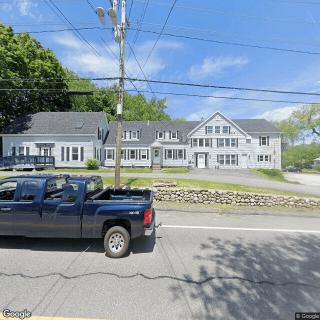




 Understanding the True Cost of Assisted Living in 2025: A Comprehensive Guide
 Understanding Medicaid Coverage for Assisted Living: A Comprehensive Guide
 How and When Medicaid May Cover Assisted Living Costs