
RR 1 Box 35O5, Solon, ME 04979
To contact a resident: (207) 643-2447
For more information about senior living options: (866) 208-4318
Overall Review of Parkman Hill Project
Pros
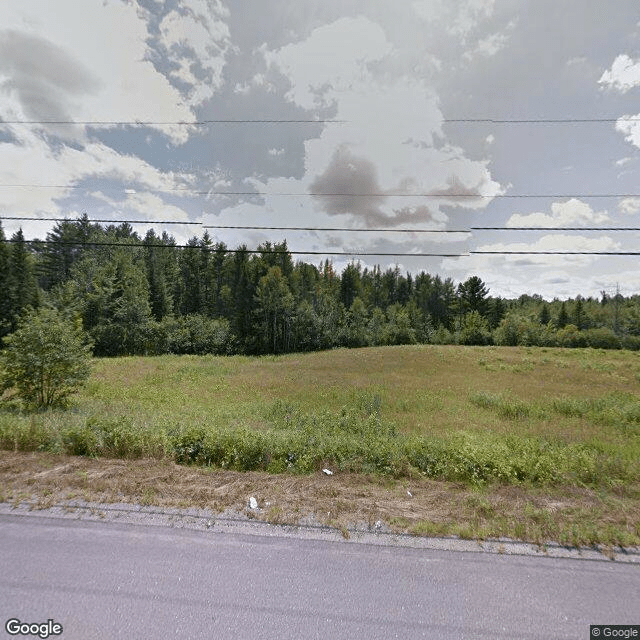
 The property encompasses 650 acres of fields and forest.
- It features two marked trails and miles of old woods roads.
- It offers views to the southeast.
- The setting is lovely.
- The property transports visitors to another time and lifestyle that feels long ago but within reach.
Review
Parkman Hill Project in Solon, Maine is best suited for independent seniors and couples who prize a rural, nature-forward lifestyle, where privacy and wide horizons outnumber the conveniences of a suburban campus. The setting is defined by 650 acres of fields and forest, with two marked trails and miles of old woods roads that invite gradual exploration rather than brisk urban pacing. Views to the southeast punctuate long, quiet days. The property carries a Somerset Woods Trustees aura, an impression of stepping back to a simpler time while staying within reach of modern resources. For residents who measure daily life by the balance of solitude and outdoor opportunity, this site offers a compelling, almost meditative backdrop.
Those who require regular on-site care, routine assistance with activities of daily living, or a built-in program of social and therapeutic activities may want alternatives. The landscape and ethos emphasize a timeless, low-key lifestyle rather than a traditional assisted-living campus with meals, housekeeping, and comprehensive care teams. The remoteness of a property like this can complicate rapid access to medical attention or urgent support. Families should ask hard questions about what is and is not provided on-site and map out a clear plan for caregiver support, transportation, and emergency contingencies before committing.
On the plus side, the pros are tangible and potent. The expansive acreage offers real privacy and a sense of freedom rarely found in ordinary facilities: space to walk, picnic, or simply listen to the wind in the pines. Trails and woods roads can anchor daily activity without feeling engineered, supporting physical health through gentle, self-directed movement. The mental and emotional lift from blue-sky horizons and the aesthetic of an historic landscape should not be underestimated; it can sustain motivation and reduce the stress of more crowded living environments. These advantages offset the main con, fragile or absent on-site care, only to the extent that personal care needs remain modest or caregiver arrangements are robust.
Another layer to consider is the lifestyle expectation. The description of an ancestral, "another time" atmosphere appeals to residents who want to embed themselves in a pace that honors quiet routines, memory, and natural beauty rather than structured programming. However, this is not a turnkey solution for those seeking a conventional day-to-day care plan. The lack of built-in amenities means some residents must accept irregular social contact and plan their own activities, or rely on family and external services to fill gaps. The trade-off is a more peaceful, customizable living environment, tempered by the need for proactive planning around transportation, meals outside the home, and medical support.
Parkman Hill Project will suit those who are physically capable, enjoy outdoor pursuits, and want a historically rooted atmosphere. It can be particularly attractive to seniors who value privacy, ample natural light, and the emotional benefits of living among woods and fields. It is less suited for individuals who require daily assistance or who depend on frequent, predictable access to care, mealtime supervision, or group activities. Families should weigh how important social programming and on-site services are against the allure of wild serenity and self-guided living. If these care requirements exist, it may be wiser to target a more traditional community or a plan that pairs this setting with reliable off-site care.
Practical next steps: arrange a site visit to assess accessibility, terrain, and the feasibility of bringing in caregivers; confirm what services can be contracted nearby and how emergencies would be handled; prepare a list of must-haves and nice-to-haves to evaluate against the property’s realities. If the budget and logistics align, and the preference is for quiet, expansive nature and a touch of historic living, Parkman Hill Project represents a rare option that blends independence with the potential for personalized care. For families prioritizing 24/7 on-site care and social programming, alternatives with established care teams will deliver more predictable daily rhythms.
 Board and Care Home
 Navigating the Tax Landscape of Caregiving: Credits, Deductions, and Beyond
 Highly Beneficial Low-Impact Exercises for Senior Living Residents
 Is In-Home Healthcare Tax Deductible? Your Comprehensive Guide