
79 High Street, Portland, ME 04101
For more information about senior living options: (866) 208-4318
Overall Review of Ingraham House
Pros
 The location is wonderful and walkable to sights and restaurants.
- The residence has four spacious bedrooms and ample living space.
- The coffee and creamer supplies are a thoughtful bonus.
- The top two units are clean and spacious, with adequate bathrooms, and the hosts are quick and responsive.
- The Thomas Delano House delivers a special, well-appointed experience with a magical garden.
- The carriage house is an ideal setting for gatherings or relaxing with travel companions.
- East Coast Retreat’s hosts are kind, responsive, and go above and beyond to ensure guests have a great trip.
- The historic house is well maintained with comfortable updates, and the outdoor spaces are enjoyable.
- The West End house is perfect for large groups or wedding weekends, with ample space, a kitchen that accommodates a large party, and accurate descriptions.
Review
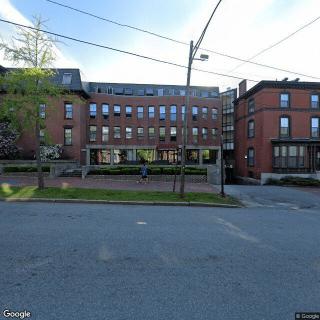
Ingraham House in Portland, ME is best suited for older adults who prize a home-like, intimate setting with historic charm, easy access to downtown amenities, and a management team that is reliably responsive. The property presents as a refined, low‑key alternative to a large campus, appealing to families who want a familiar, social atmosphere without a clinical footprint. It works exceptionally well for residents who value privacy paired with the option for sociable gatherings, and for guests who want to stay connected to city life while enjoying comfortable, well-kept surroundings. The combination of a well-maintained historic shell, tasteful updates, and ample common spaces signals a focus on comfort, not corrugated routine.
The strongest selling points center on location, space, and service. The house is described as walkable to restaurants, sights, and downtown, an undeniable boon for residents who still want to step out for concerts, meals, or a stroll. Inside, there is generous square footage and multiple baths, with climate control in every bedroom, which translates into practical daily living and predictable comfort. Parking is easy, and the kitchen is capable of handling larger groups, making family visits and social events more feasible. These elements collectively support independence while enabling easy, low-stress hosting of loved ones, a major relief for families coordinating care and visits.
Management and guest-facing service emerge as standout advantages. Posts consistently highlight quick, responsive hosts who go above and beyond to ensure guests feel cared for. The setting includes thoughtful touches, ample outdoor spaces, a well-tended garden, and the option to arrange on-site or nearby services, indicating a high level of attentiveness and control over the guest experience. The ability to tour in advance and confirm suitability reflects a proactive approach to match needs with the right space, reducing the guesswork that often accompanies transitions for aging loved ones.
Yet careful consideration reveals a clear boundary for this option. The material emphasizes a residential, house-scale environment rather than a full-service assisted living campus. There is no explicit description of around-the-clock nursing staff, medication management, or dedicated memory-care programming. For seniors who require continuous medical oversight, structured daily routines designed by health professionals, or on-site rehabilitative services, alternatives with formal healthcare staffing will be necessary. The intimate layout, while comforting for many, may also lack the predictable safety monitoring or specialized care features some residents depend on.
Still, those limitations do not erase the value offered to the right resident. The in-town setting reduces transportation hassles and supports ongoing social engagement, which are powerful benefits for maintaining quality of life. The robust social environment, adaptable spaces for gatherings, a kitchen that supports group meals, and the chance to coordinate guest services, helps families maintain meaningful involvement in care plans. For seniors who want to live with autonomy, enjoy a pleasant, socially rich milieu, and rely on a responsive manager rather than rigid institutional structures, this property delivers decisive advantages that are hard to duplicate in larger, more clinical facilities.
Bottom line: Ingraham House is a solid fit for active seniors seeking a refined, personable in-town living option with ample common areas, reliable management, and guest-friendly amenities. It is less suitable for residents needing daily clinical care, memory-support programming, or on-site healthcare services. Prospective families should arrange a thorough tour, ask about staffing coverage and meal options, inquire about transportation and emergency procedures, and understand how medical needs would be coordinated should they arise. When independence, social opportunity, and comfort in a historic, walkable Portland setting are the priorities, this community stands out as a prudent, well‑contextualized choice.
 5 resident community capacity
 Assisted Living
 Cable or satellite TV
 Dining room
 Fully furnished
 Garden
 Housekeeping services
 Move-in coordination
 Outdoor space
 Telephone
 Wi-Fi/high-speed internet available
 Portland International Jetport (2 miles away)
 24-hour supervision
 Activities of daily living assistance
 Assistance with bathing
 Assistance with dressing
 Assistance with transfers
 Diabetes diet
 Meal preparation and service
 Medication management
 Special dietary restrictions
 Transportation arrangement (medical)
 Transportation to doctors appointments


 Assisted Living Expenses and Long-Term Care Insurance: A Comprehensive Exploration
 Securing Financial Support for Assisted Living: A Comprehensive Overview
 Social Security Benefits and Assisted Living: Navigating Options Across the U.S.