
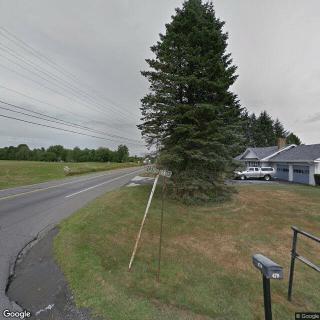
Grove Hill Rd, Pittsfield, ME 04967
To contact a resident: (207) 487-6889
For more information about senior living options: (866) 208-4318
Overall Review of Sebasticook Community Home
Pros
 The staff is very nice and easy to talk to.
- Pool therapy for the back is amazing.
- The service is delivered with a smile.
- The staff is great.
- Kelly Huard is knowledgeable, pleasant, helpful, and easy to work with.
- Emily and the staff are excellent.
- In serious situations, the staff are spot on.
- The cafeteria food is pretty good, and the coffee is not bad either.
- The hospital is a good small community hospital.
Cons
 The staff seem to only want to type on the computer and don’t want to find the problem.
- Service depends on the patient’s health care; MaineCare patients can expect to wait a while.
- In minor issues, staff can be rude and should realize that the ER’s size lets everyone hear their displeasure.
- Parking in the lot at night is a bit tight.
- There are rough potholes you can’t miss.
- The community has nicknamed this place the “band-aid station.”
- It has its ups and downs.
Review
Sebasticook Community Home in Pittsfield, ME is best suited for seniors who want a small, personable environment where frontline staff feel approachable and where rehab services include an accessible aquatic therapy option. The therapy pool stands out as a practical draw for back issues, and multiple reviewers highlight staff who are easy to talk to, courteous, and genuinely service-minded. In particular, positive encounters with named staff members, Kelly Huard and Emily among them, underscore a culture of helpfulness that can make everyday care feel smooth and responsive. This is the kind of setting where residents and families who value warmth, straightforward communication, and practical therapy options will find traction.
That said, families should seriously consider alternatives if payer-dependent variability and maintenance-like organizational gaps feel material to daily life. The community has earned a reputation, at least an informal one, that care patterns shift with the payer source. MaineCare users frequently report longer waits, especially in minor situations, while those with private insurance experience more prompt handling in routine matters. In serious medical issues, staff are described as reliable, but the overall experience can feel inconsistent in small, day-to-day care tasks. In addition, some reviewers describe instances of abrupt or unhelpful responses in minor problems, which can be jarring for residents already navigating aging or recovery. For those prioritizing steady, uniformly proactive service regardless of coverage, this is a real consideration.
The strongest pros, staff warmth, the therapy pool, and generally good cafeteria fare, do offset several of the more frustrating aspects. The pool therapy program is repeatedly praised as effective and approachable, offering tangible relief and a clear value add for back-related needs. Ground-level staff are described as consistently pleasant, with several accounts highlighting how those relationships translate into smoother routines and better communication. Food and coffee are not mere background details here; reviewers note the cafeteria delivers solid, dependable meals and beverages that contribute to daily comfort. Taken together, these positives help families feel confident that a resident’s daily experience will feel engaging, not merely functional, even when the care system shows some kinks.
However, the main drawbacks warrant careful weighing. The nickname “band-aid station” captures a perception that care can be episodic rather than integrated, with attention sometimes dictated by which insurance is in the mix. The MaineCare-related delays and occasional perceived rigidity in minor-issue handling can undermine a sense of steady, preventive, long-term planning. Logistics also contribute to the friction: parking around the facility at night is tight, and there is a pothole or two that is hard to miss, which matters for residents who rely on frequent transport or who move slowly. These tangible frictions matter less when a resident is thriving on rehab wins and positive interactions, but they can tilt risk-benefit calculations for families evaluating this community against options with more consistent access or easier ingress.
From a decision-making perspective, Sebasticook Community Home shines for families prioritizing rehab-friendly care in a intimate, neighborly setting, where staff attentiveness translates into real daily relief. The pool therapy offering and the human warmth of the team provide meaningful value that can offset occasional unsteadiness in minor-care responsiveness. Yet the caveats are real: payer-driven variability, occasional roughness in responses to small issues, and practical access concerns can complicate long-term planning for some residents. Those choosing this community should plan to engage across shifts, ask pointed questions about how minor concerns are managed for different payer types, and verify parking accessibility for night-time needs.
In the end, Sebasticook Community Home is a strong fit for seniors who want a practical, rehab-forward environment with genuinely caring staff and a comfortable daily rhythm. It may not be the best fit for families requiring uniformly predictable minor-care responsiveness regardless of insurance, or for those who cannot tolerate even modest logistical hassles. For these families, exploring a few other options with steadier cross-payer consistency and easier nighttime access may be prudent. But for those who prize a warm, capable team and tangible rehab benefits, Sebasticook offers a compelling, well-rounded choice grounded in real-world, practical care.
 Board and Care Home
 Comprehensive Insights into Palliative Home Care: What It Is and What to Expect
 Skilled Nursing Facilities vs. Nursing Homes: Making Sense of the Differences
 A Detailed Examination of Nursing Home Costs Across the U.S.