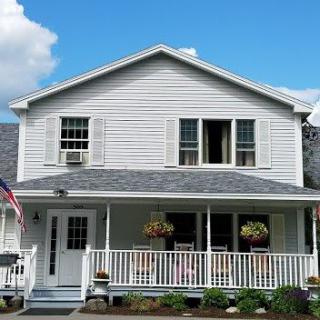
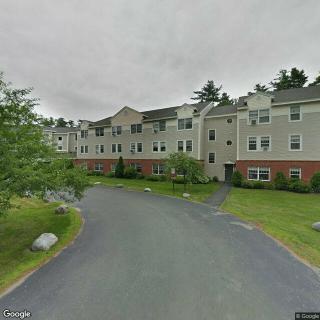
Meadowview Group Home

90 Park Street, Orono, ME 04473

For more information about senior living options: (844) 490-3973

4 from 88 reviews
5 stars
59
4 stars
9
3 stars
0
2 stars
4
1 stars
16

Assisted Living

Overall Review of Meadowview Group Home

Pros

  • pro The staff and the environment at Orono Commons were amazing.
  • pro The staff are very helpful and pleasant.
  • pro The facility is clean and smells clean.
  • pro The nurses and CNAs are respectful, kind, and helpful.
  • pro The staff go out of their way for residents.
  • pro Bingo day at the facility is enjoyed by residents and staff alike.
  • pro The sister appears happier at OC and enjoys visits and fruit snacks.
  • pro Orono Commons is described as the most helpful and considerate facility by reviewers.

Cons

  • pro Staff told the resident that "they weren't playing her games," which was deemed inappropriate and unacceptable.
  • pro A reviewer described the facility as one of the worst places they had ever seen, alleging neglect and disrespect by staff.
  • pro The food was described as absolutely vile, consisting of a limited open menu with quesadillas, hot dogs, cheeseburgers, pizza, and grilled cheese instead of more balanced options.
  • pro The public bathroom towels were unavailable for hours and the issue was not addressed for two days.
  • pro Patients were reported to wait as long as 1.5 hours beyond scheduled meal times to receive their food.
  • pro Phone lines were frequently unanswered, making it difficult for families to reach their loved ones.
  • pro A room was described as a small holding area with no bedside table or dresser, limiting personal comfort and ability to send items.
  • pro There was a COVID-19 outbreak at the facility with little timely communication to families.

Review

Orono Commons presents itself as a place where residents can receive rehab and ongoing support after health setbacks, and many reviewers speak warmly about the people who work there and the basic calm of the environment. Several visitors describe staff as friendly, patient, and genuinely involved in daily care. They note that nurses and CNAs are respectful, that the facility is clean, and that activities can bring joy to residents - bingo days with residents dressed up, interactive care moments, and little pleasures like fresh fruit snacks that some residents seem to look forward to. For families, these affirmations matter: they describe moments when a loved one is treated with kindness, and when the staff go out of their way to help, adjust routines, or make visits feel meaningful. In particular, some visitors emphasize how helpful and pleasant the front-line staff are, and how much they appreciate staff who remember their loved ones' preferences and needs.

Alongside these positive notes, there is a steady thread of concern and disappointment that runs through many reviews. Several families recount experiences that left them feeling that their loved ones were not receiving adequate attention or timely interventions. A recurring complaint is about responsiveness: some reviewers say they struggle to get straight answers or timely call-backs, and they describe trying to contact the facility during important moments without success. One reviewer, speaking with the stark immediacy of a personal crisis, recounted a moment when an elderly relative who is in rehab after a stroke asked to be repositioned at night and was told "they weren't playing her games," a line that left the family feeling both shocked and alarmed about the level of care and respect shown. That sentiment - feeling dismissed or inadequately supported when a resident hurts or asks for help - appears as a powerful negative counterpoint to the more positive caregiver narratives.

Other reviews document a broader sense of inconsistency across the facility. Some families describe check-ins and updates that arrive slowly or not at all, even when the situation is evolving. There are mentions of undercurrents of strain within the care system - staffing pressures, imperfect communication between units, and frustration with administrative response times. When problems arise, several reviewers describe attempts to have issues escalated or resolved, only to feel that results come slowly or not at all. These accounts suggest a perception that care quality can vary by shift, unit, or even day, rather than being uniformly excellent across the organization.

Cleanliness and odor appear in some reviews as a mixed bag. A number of comments praise the facility for being clean and free of unpleasant smells, with some residents' rooms and common spaces described as well-kept and odor-free. Yet other reviewers mention odors or a sense that some areas could use more frequent attention to cleanliness or upkeep. This inconsistency adds another layer of complexity to the overall experience: even when staff are reported as kind and capable, environmental factors can still color a family member's impression of the place.

Food and nutrition, an essential component of comfort and recovery, also appear with varied sentiment. Several reviewers praise staff for accommodating residents' preferences and trying to tailor meals to individual needs. Others vent about the menu being limited or not meeting residents' needs, with complaints about repetitive options or the challenge of coordinating meals with medications and timing. Some families raise concerns about spice usage and other dietary restrictions not being followed consistently, highlighting how crucial reliable kitchen and dietary coordination can be for residents who rely on staff to advocate for their needs when they may not be able to self-advocate.

A sizable portion of the feedback touches on communication and information sharing with families, especially when the resident's condition changes. There are stories of phone lines that seem difficult to reach, delays in calling back with updates, and frustration around not receiving timely information about health status, outbreaks, or changes in level of care. The environmental and staffing realities of running a rehab-focused facility - especially during times of outbreak or high census - emerge in these comments as challenges that families must navigate. Some reviewers report improvements after expressing concerns, including being given direct extensions, scheduled Zoom meetings for loved ones, or more proactive outreach from staff, which they describe as meaningful steps that helped restore trust.

Within the reviews, there is also a strong, specific contrast between experiences in different parts of the campus. Several commentators distinguish between "Orono Commons" experiences and those in other units like memory care or homestead sections. In some cases, families praise particular nurses or aides who work in memory care for their patience and support, and they appreciate practical changes - like making sure a resident's TV is mounted or helping them access personal belongings - because these small acts significantly improve daily life. Conversely, there are anecdotal reports of routine delays in medication or meals, with residents waiting well past expected times, which underscores how operational hiccups can color families' overall impression of the facility.

Towards the end of the shared experiences, there are a pair of extremely candid, highly critical voices. One reviewer describes a sequence of experiences that paint a picture of neglect and poor treatment, including stories of medication timing, food quality, and staff behavior, and even questions about how care is paid for and prioritized within the organization. This perspective remains a minority in the collection but is striking in its intensity, offering a counterpoint to the more numerous positive notes. Another long observation outlines ongoing frustrations with communication during a COVID outbreak, the lack of timely updates, and the sense that family members are left to monitor the situation largely on their own unless they actively press for information. The reviewer's additional note acknowledges some improvements after initial complaints, such as direct contact options and a move to a memory care unit, but also reiterates ongoing difficulties with phone access and information flow.

Taken together, the collection of reviews paints a nuanced portrait of Orono Commons. The facility is repeatedly described as clean, with many staff members who are kind, patient, and genuinely engaged in residents' welfare. Rehab services and daily care receive frequent praise, and for many families, the environment feels welcoming and the staff's dedication tangible on good days. Yet the same collection is peppered with cautionary tales: reports of delayed responses in pain or repositioning, inconsistent updates, perceived gaps in care under stress, and significant frustration with phone access and communication. The most intense criticisms center on perceived neglect, inadequate responsiveness, and questions about how the operation balances high expectations for resident care with the realities of staffing and administration.

For families considering Orono Commons, the reviews suggest a facility with real strengths in frontline care and resident-centric moments, alongside meaningful concerns about consistency, communication, and responsiveness. The experiences described indicate that improvements can and do occur when concerns are raised - whether through direct outreach, scheduling of family conferences, or targeted changes within memory care and other units. If you're navigating this facility for a loved one, it may be especially important to establish clear communication channels early, identify a primary point of contact, and set expectations around fall prevention, repositioning, meal delivery timing, and how and when you will receive updates about medical or cognitive changes. The testimonies collectively emphasize that a respectful, attentive staff can make a substantial difference in a resident's day, even as operational and administrative factors can either reinforce or undermine that daily sense of care.

Features

Housing

  • 8 resident community capacity 8 resident community capacity

Types of Care

  • Assisted Living Assisted LivingAssisted living facilities provide crucial support and care for seniors who may need help with daily tasks such as medication management, bathing, and meal preparation. These communities offer a safe and comfortable environment where seniors can maintain their independence while receiving the assistance they need to thrive in their golden years.

Amenities

  • Cable or satellite TV Cable or satellite TVCable or satellite TV is important for seniors because it provides entertainment, news, and companionship, helping to combat loneliness and boredom. It also offers a wide range of programming options tailored to different interests and preferences.
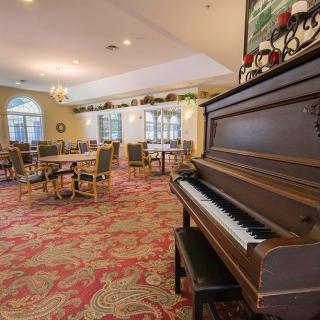
  • Dining room Dining roomDining rooms are important for seniors as they provide a space for socialization, connection, and nutritious meals. They offer opportunities for residents to bond over shared meals, foster a sense of community, and promote healthy eating habits. Dining rooms also ensure that seniors have access to well-balanced meals tailored to their dietary needs and preferences.
  • Fully furnished Fully furnishedFully furnished senior living communities are important for seniors because they provide convenience, comfort, and a hassle-free moving experience. Seniors can easily settle into their new living space without the stress of having to buy and move furniture. This allows them to focus on enjoying their new home and community.
  • Garden GardenGardens are important for seniors as they provide a peaceful and therapeutic environment for relaxation, physical activity, and socialization. Being in nature has been shown to reduce stress, improve mood, and promote overall well-being. Gardens also offer opportunities for seniors to engage in gardening activities, which can improve mobility, flexibility, and cognitive function. Additionally, gardens create a sense of community and connection with others who share a passion for plants and outdoor spaces.
  • Housekeeping services Housekeeping servicesHousekeeping services are important for seniors because they help maintain a clean and safe living environment, promote independence, and reduce the risk of accidents or illnesses. Additionally, having assistance with household chores can alleviate physical strain and allow seniors to focus on other aspects of their well-being.
  • Move-in coordination Move-in coordinationMove-in coordination is important for seniors because it helps ease the transition into their new living environment. It ensures that all logistics, such as packing, organizing movers, and setting up utilities are taken care of, allowing seniors to focus on settling in and adjusting to their new home. Having a smooth move-in process can alleviate stress and anxiety, making the transition smoother and more enjoyable for seniors.
  • Outdoor space Outdoor spaceOutdoor spaces are important for seniors as they provide opportunities for physical activity, social interaction, exposure to natural light and fresh air, and a sense of connection to nature. Having access to outdoor spaces can improve overall well-being and quality of life for older adults living in senior communities.
  • Telephone TelephoneTelephones are important for seniors as they provide a lifeline for communication with loved ones, emergency services, and healthcare providers. They offer a sense of security and independence, enabling seniors to stay connected and access assistance when needed.
  • Wi-Fi/high-speed internet available Wi-Fi/high-speed internet availableWi-Fi/high-speed internet is important for seniors to stay connected with loved ones, access online resources, and participate in virtual activities to combat feelings of loneliness and isolation. It also allows them to easily manage healthcare needs, access entertainment, and engage in lifelong learning opportunities.

Transportation

  • Bangor International (10 miles away) Bangor International (10 miles away)

Care Services

  • 24-hour supervision 24-hour supervision24-hour supervision is important for seniors to ensure their safety, well-being, and access to immediate assistance in case of emergencies or health issues. This constant support provides peace of mind for both seniors and their loved ones, allowing them to age in place with dignity and security.
  • Activities of daily living assistance Activities of daily living assistanceActivities of daily living assistance are important for seniors because they provide essential support with tasks such as eating, bathing, dressing, and mobility. This assistance helps seniors maintain their independence, dignity, and overall quality of life as they age.
  • Assistance with bathing Assistance with bathingAssistance with bathing is crucial for seniors as it helps maintain personal hygiene, prevents infections, and ensures their overall well-being and comfort. It also provides a sense of dignity and independence for seniors who may struggle with this task on their own.
  • Assistance with dressing Assistance with dressingAssistance with dressing is important for seniors because it helps maintain their independence, promotes personal hygiene, prevents accidents and injuries, and improves overall quality of life. This service ensures that seniors can continue to dress comfortably and confidently, despite any physical limitations they may have.
  • Assistance with transfers Assistance with transfersAssistance with transfers is crucial for seniors as it helps prevent falls and injuries, maintains their independence, and ensures they can safely navigate their living environment. It also provides peace of mind for both seniors and their loved ones.
  • Coordination with health care providers Coordination with health care providersCoordination with health care providers is crucial for seniors to ensure proper medical care, medication management, and overall well-being. This collaboration helps prevent overlapping treatments, track progress more effectively, and provide comprehensive support tailored to individual needs.
  • Diabetes diet Diabetes dietA diabetes diet is crucial for seniors as it helps manage blood sugar levels, reduce risks of complications, and improve overall health and well-being. By following a balanced and nutritious diet tailored to their specific needs, seniors can better control their diabetes and enhance their quality of life.
  • Meal preparation and service Meal preparation and serviceMeal preparation and service are crucial for seniors as they may have limited mobility or energy to cook nutritious meals. Having access to healthy and convenient food options can ensure they are getting the proper nutrition needed to maintain their overall health and well-being.
  • Medication management Medication managementMedication management is crucial for seniors to ensure they are taking the right medications at the correct dosages and times. This helps prevent adverse drug interactions, reduces the risk of medication errors, and promotes overall health and well-being. Proactive management also allows for adjustments as needed based on changing health conditions or new prescriptions.
  • Special dietary restrictions Special dietary restrictionsSpecial dietary restrictions are important for seniors because age-related changes in metabolism and health conditions can make it difficult for their bodies to process certain foods. By following a diet tailored to their specific needs, seniors can maintain their overall health and well-being, manage chronic conditions, and reduce the risk of complications such as malnutrition or food interactions with medications.
  • Transportation arrangement (medical) Transportation arrangement (medical)Transportation arrangements for medical purposes are essential for seniors as they may have difficulty driving themselves to appointments or accessing public transportation. Having reliable and safe transportation options ensures that seniors can receive timely medical care and maintain their health and well-being.
  • Transportation to doctors appointments Transportation to doctors appointmentsTransportation to doctors' appointments is crucial for seniors as it ensures they have access to necessary medical care and support for their health needs. Without reliable transportation, seniors may struggle to attend important appointments, leading to potential delays in treatment and health complications. Providing transportation services helps seniors maintain their overall well-being and quality of life.

Dining

  • Diabetes diet Diabetes dietA diabetes diet is crucial for seniors as it helps manage blood sugar levels, reduce risks of complications, and improve overall health and well-being. By following a balanced and nutritious diet tailored to their specific needs, seniors can better control their diabetes and enhance their quality of life.
  • Special dietary restrictions Special dietary restrictionsSpecial dietary restrictions are important for seniors because age-related changes in metabolism and health conditions can make it difficult for their bodies to process certain foods. By following a diet tailored to their specific needs, seniors can maintain their overall health and well-being, manage chronic conditions, and reduce the risk of complications such as malnutrition or food interactions with medications.

Activities

  • Community-sponsored activities Community-sponsored activitiesCommunity-sponsored activities are important for seniors as they provide opportunities for social interaction, mental stimulation, and physical activity. These activities can help improve overall well-being, combat loneliness and isolation, and promote a sense of belonging and purpose among older adults.
  • Scheduled daily activities Scheduled daily activitiesScheduled daily activities are important for seniors because they provide structure, socialization, mental stimulation, and physical activity. Engaging in regular activities can improve overall well-being and quality of life for seniors living in a community setting.

Description

Meadowview Group Home in Orono, ME is a comfortable and fully furnished assisted living community that offers a range of amenities and care services to meet the needs of seniors. Our residents can enjoy delicious meals in our dining room, where we accommodate special dietary restrictions. Housekeeping services ensure that our community remains clean and tidy at all times.

Our community features a beautiful garden and outdoor space, providing opportunities for relaxation and socialization amidst nature. Residents can stay connected with loved ones using the telephone and Wi-Fi/high-speed internet available throughout the premises.

We understand the importance of maintaining independence while receiving assistance, which is why our dedicated staff is ready to provide support with activities of daily living such as bathing, dressing, and transfers. We also coordinate with health care providers to ensure holistic care for our residents. Those managing diabetes will find comfort in our specialized diet options.

Meal preparation and service are provided by our staff to ensure a well-balanced diet for our residents. Medication management is also available to promote optimal health and wellness. Transportation arrangements for medical purposes, including doctor's appointments, can be made by our team.

At Meadowview Group Home, we believe in keeping our residents engaged and active through scheduled daily activities. Cafes, parks, pharmacies, physicians' offices, restaurants, transportation options, and places of worship are conveniently located nearby.

Come join us at Meadowview Group Home in Orono, ME – where you can enjoy a welcoming community that caters to your needs while promoting independence and overall well-being.

Nearby Places of Interest

Cafes

  • Aroma Joe's (0.1 miles)
  • Tim Hortons (7.4 miles)

Parks

  • Webster Park (0.4 miles)
  • Old Town Park (3.3 miles)
  • Bangor Dog Park (6.8 miles)

Restaurants

  • Thai Orchid (0.6 miles)
  • Yamas Bar and Grill (0.6 miles)
  • Woodman's Bar & Grill (0.7 miles)
  • Orono Brewing Company (1.4 miles)
  • Wendy's (1.6 miles)
  • McDonald's (1.9 miles)
  • Governor's Restaurant & Bakery (1.9 miles)

Pharmacies

  • Orono Pharmacy (0.6 miles)
  • New England Reserve (1.9 miles)
  • Hannaford Pharmacy (2.4 miles)
  • Walgreens (3.1 miles)
  • Miller Drug Pharmacy-Riverside (7.2 miles)
  • Walgreens (7.3 miles)

Physicians

  • Sunbury Family Medicine (1.7 miles)
  • EMMC Family Medicine Orono (2.1 miles)
  • Eastern Maine Medical Center (2.1 miles)
  • Gaetani Eye Care Associates (2.3 miles)
  • Penobscot Valley Dermatology (2.4 miles)
  • Helen Hunt Health Center (3 miles)
  • Vision Care of Maine (4.9 miles)

Transportation

  • U-Haul Neighborhood Dealer (2.3 miles)
  • Meister's Wildlife Studio (3.2 miles)

Places of Worship

  • Veazie Congregational Church (4.4 miles)
  • First United Methodist Church (6.9 miles)
  • Glad Tidings Church (7.2 miles)
  • Grace Church Bangor (7.4 miles)

Theaters

  • Bangor Mall Cinemas 10 (6.1 miles)

Hospitals

  • Gardner Michelle W MD - Dorothea Psychiatric Center (6.3 miles)
  • DDPC (6.3 miles)
  • EMMC - Grant 6 East (6.6 miles)
  • Northern Light Acadia Hospital (6.9 miles)
  • Northern Light Eastern Maine (7.1 miles)
  • EMMC - Grant 6 West (7.1 miles)
  • EMMC - Outpatient Surgery Center (7.2 miles)

Frequently Asked Questions

Where is Meadowview Group Home?

Nearby Communities

Related Resources

  • activities of daily livingComprehensive Insights into Activities of Daily Living (ADLs) and Their Assessment

    Activities of Daily Living (ADLs) are fundamental tasks vital for an individual's independence, particularly in older adults over 85, and include functions like bathing and dressing; assessing ADLs alongside Instrumental Activities of Daily Living (IADLs) helps determine the level of required assistance due to age-related health challenges. Tailored support plans, involving family and community resources, are essential for maintaining dignity and autonomy in assisted living environments.

  • does medicare pay for assisted livingMedicare Coverage for Assisted Living: An In-Depth Exploration

    Medicare does not cover assisted living costs, as it focuses on acute medical needs and short-term care, with exceptions for certain medically necessary services like physical therapy. Individuals must explore other options such as Medicaid, veterans' benefits, or long-term care insurance to manage these expenses effectively.

  • luxury assisted livingYour Comprehensive Guide to Luxury Assisted Living: Elevated Facilities, Amenities, and Costs

    Luxury assisted living offers high-quality senior care in a resort-like environment that combines essential medical support, gourmet dining, and personalized services to enhance residents' independence and well-being. These upscale facilities emphasize holistic health and community-building through customized care plans and social activities, catering to the growing demand for enriched senior living experiences despite higher costs.